0

Growing Info

Scarification
Scarification: Soak in water, let stand in water for 24 hours
Stratification
Stratification: warm stratify for 60 days, cold stratify for 60 days|cold stratify for 120 days
Germination
Germination: sow 3/8" deep, tamp the soil, mulch the seed bed

Other: summer sowing in muched beds results in germination the following spring.|can be fall sown without stratification. 

Native to: EU, Europe, Northwest Africa, western Asia
Native
Introduced

Rosa canina

Brier Rose, Dog Brier, Dog Rose

In Stock: 12.549 lb (Total:12.549lb)
  • Rosa canina

    All items have bulk rates priced in
select i.*, as2.state_abbr from inventory_item_manage i left outer join sheffields_2017.address_states as2 on (as2.state_name = i.CollectionLocale or as2.state_abbr = i.CollectionLocale) where i.inventory_id = '1306' group by i.id

Buying options

12.55 lb

Details

Germination:
91%
Germination test:
Cut (Full Seed)
Purity:
99%
Seeds per lb:
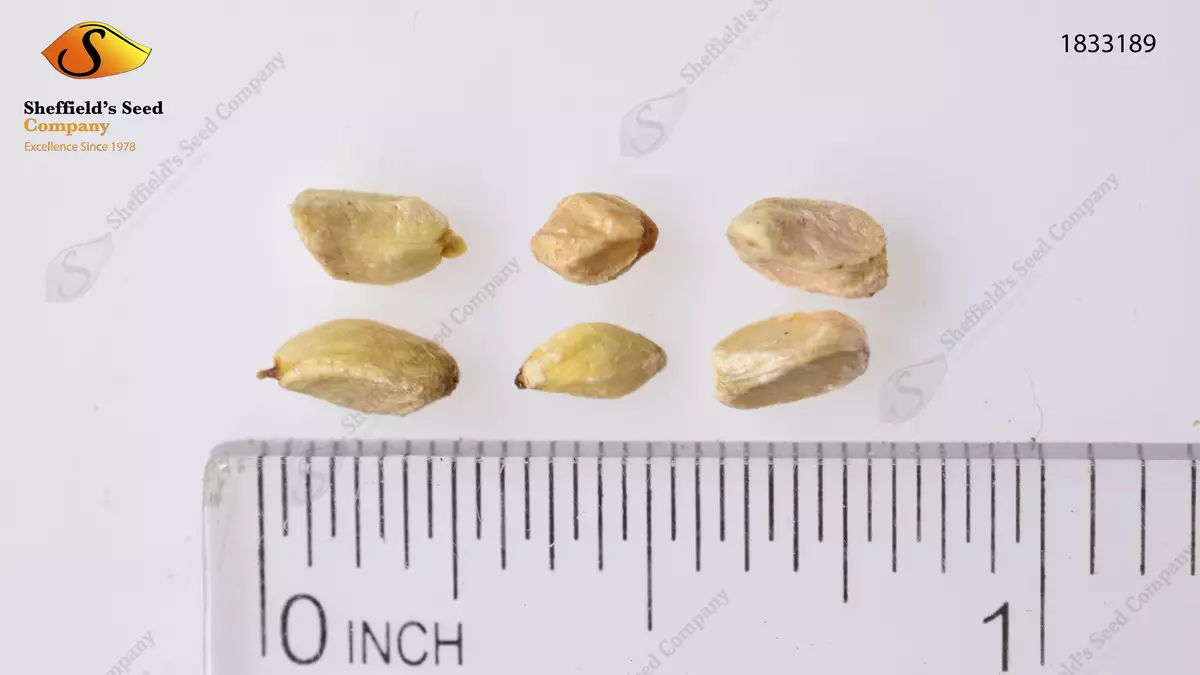
20,384
Quantity:
12.55 lb
Collected in:
Hungary
Crop year:
2023
Min. hardiness zone:
5
Item ID:
1833189

Growing Info

Scarification
Scarification: Soak in water, let stand in water for 24 hours
Stratification
Stratification: warm stratify for 60 days, cold stratify for 60 days|cold stratify for 120 days
Germination
Germination: sow 3/8" deep, tamp the soil, mulch the seed bed

Other: summer sowing in muched beds results in germination the following spring.|can be fall sown without stratification. 

Native to: EU, Europe, Northwest Africa, western Asia
Native
Introduced
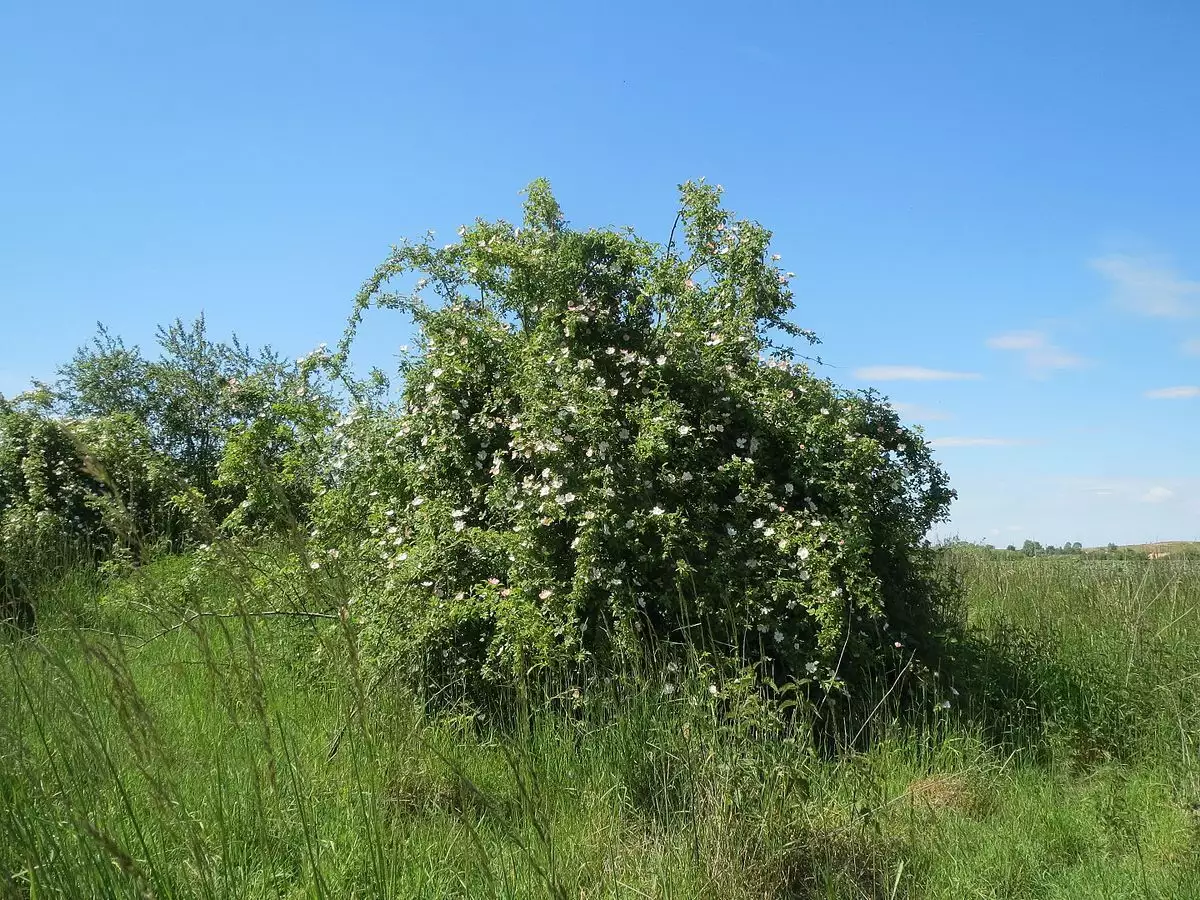
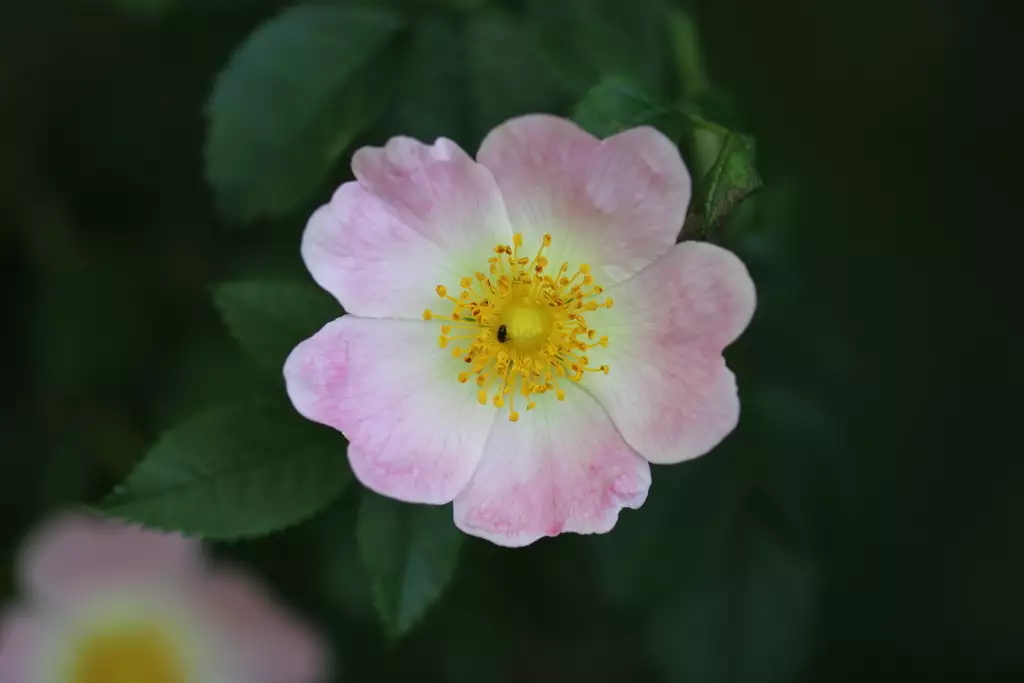
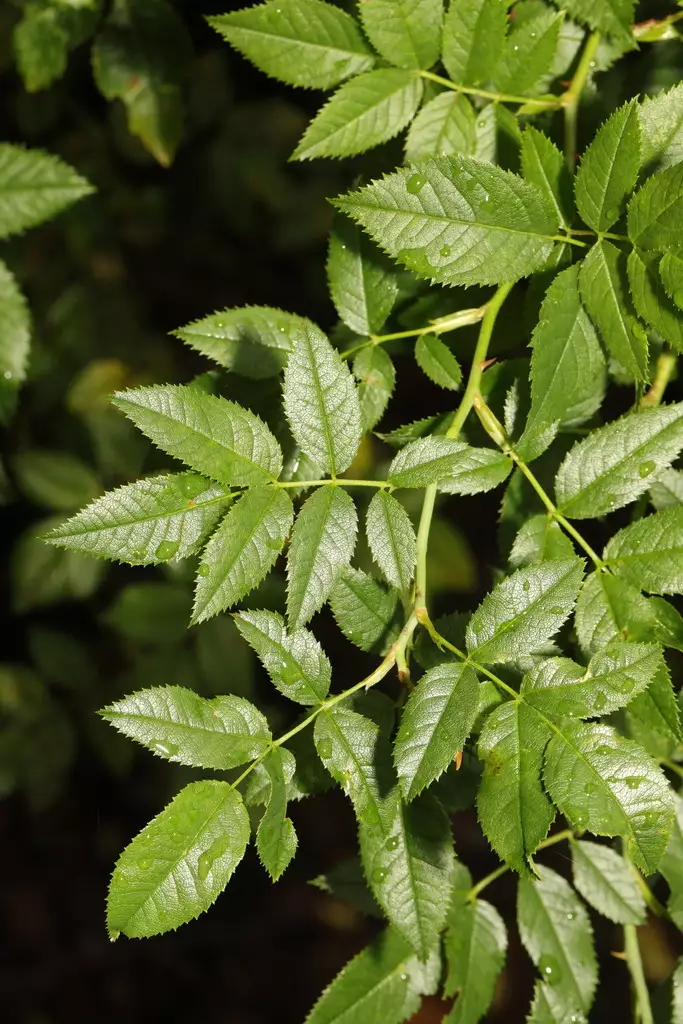
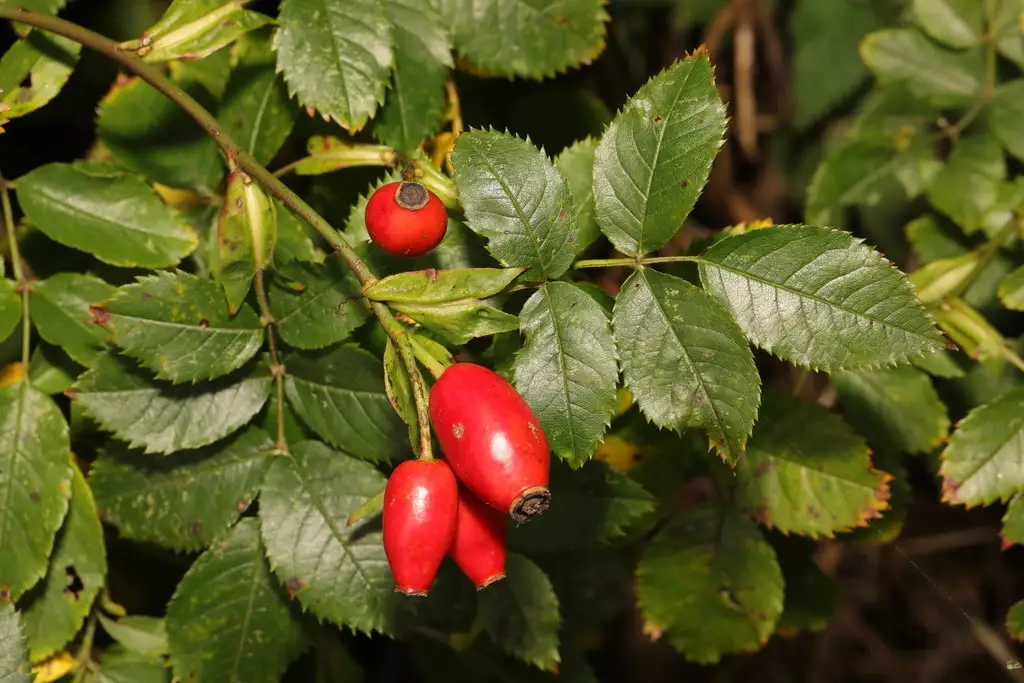
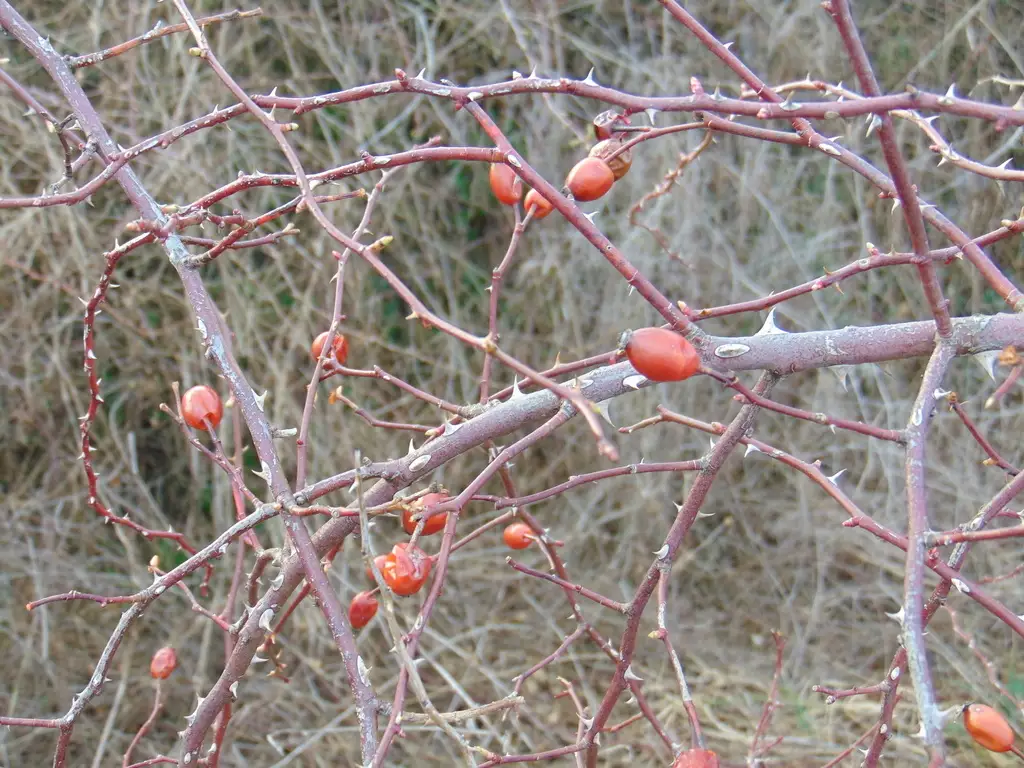
Rosa canina, also known as Briar Rose or Dog Rose, is a captivating shrub that bridges historical tradition with natural beauty. This deciduous, scrambling rose, native to Europe, North Africa, and Western Asia, has found its way into gardens worldwide due to its resilient nature. Renowned for its lightly fragrant pink-to-white blooms and vibrant red hips, Rosa canina is not only an aesthetically pleasing addition to any garden but also an ecologically beneficial one. The rose's dense, thorny thickets support wildlife by providing shelter for birds and small mammals, while its flowers attract a variety of pollinators, including bees and butterflies. Its bright red hips, packed with vitamin C, have traditionally been used in teas, syrups, and jams, offering both culinary and health benefits. Gardeners should, however, be mindful of its invasive nature in certain regions, as it can dominate natural areas, outcompeting native species. Ideal for natural barriers and erosion control, this adaptable plant thrives across USDA Zones 5-9, bringing rustic charm to cottage gardens and wildflower meadows. While non-toxic and beneficial in many ways, Rosa canina demands consideration of its care and placement to harmoniously integrate into your landscape.

You might also like

Amelanchier arborea dried berries
Out of Stock

Amelanchier arborea dried berries

Common Serviceberry, Downy Serviceberry

Crataegus azarolus

Crataegus azarolus

Azarole, Mediterranean Medlar

Gleditsia caspia

Gleditsia caspia

Caspian Locust, Persian Honey Locust

Rosa laxa

Rosa laxa

Laxa Rose

(315) 497-1058
269 NY-34 Locke NY 13092
seed@sheffields.com

HOME - logo

Find us on: