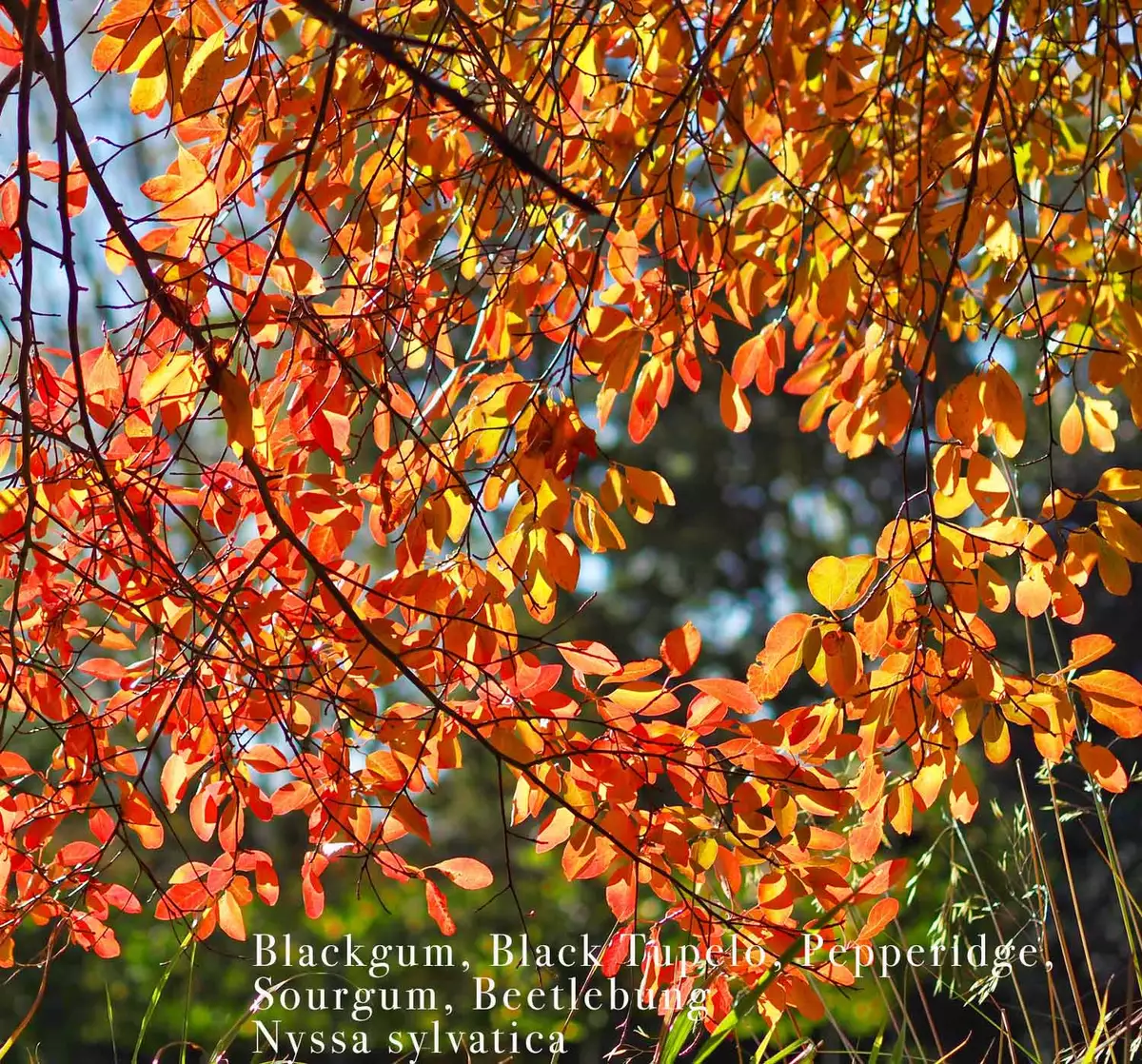
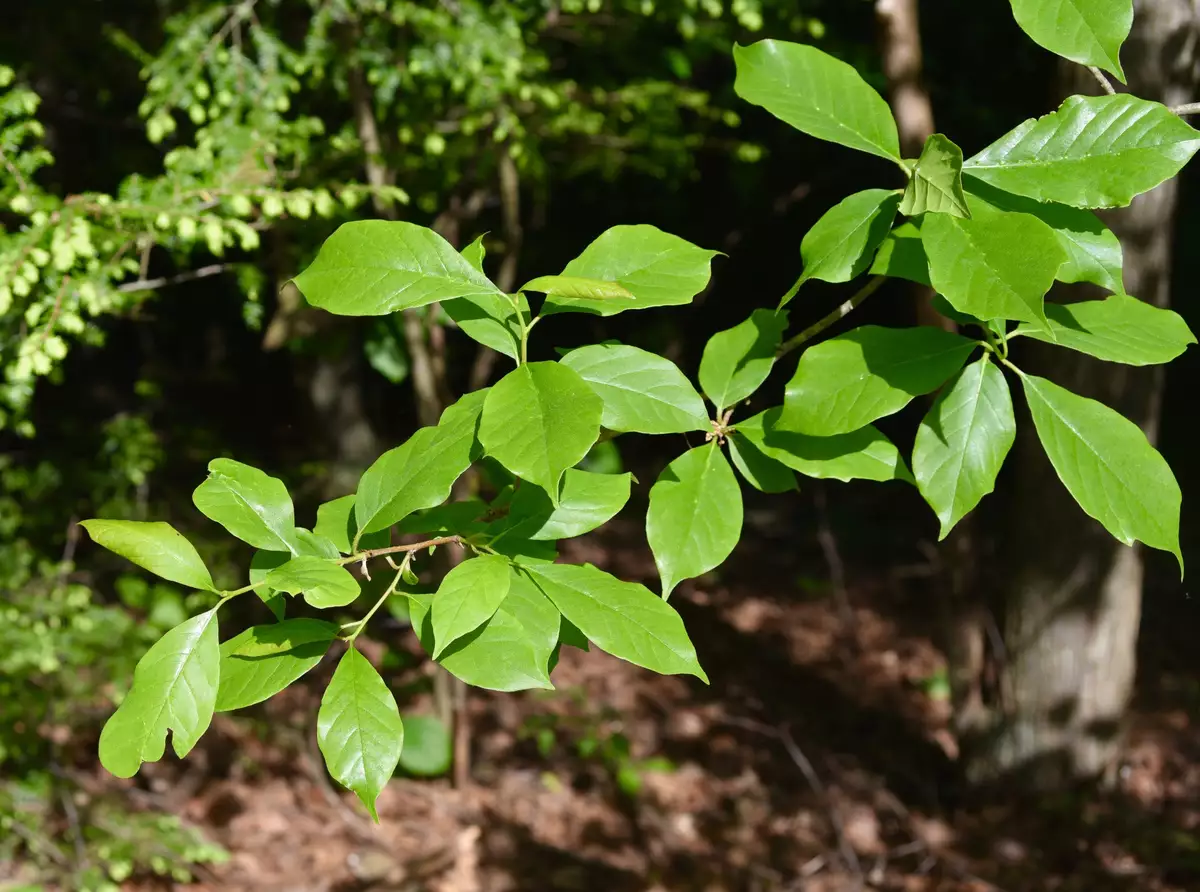
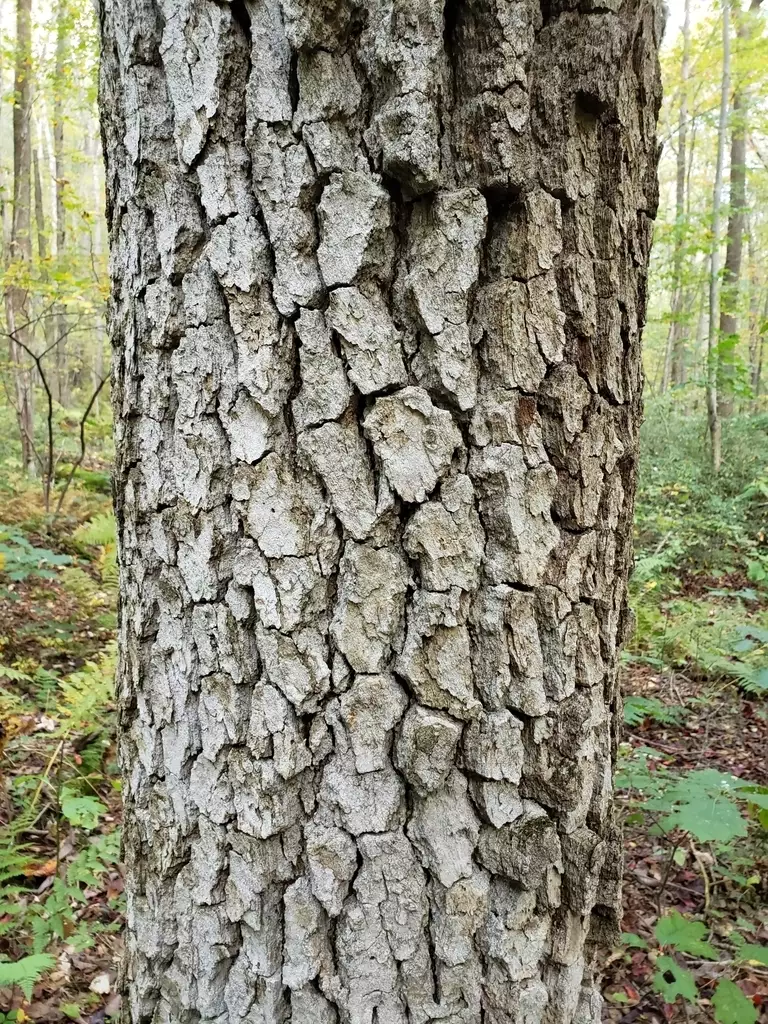
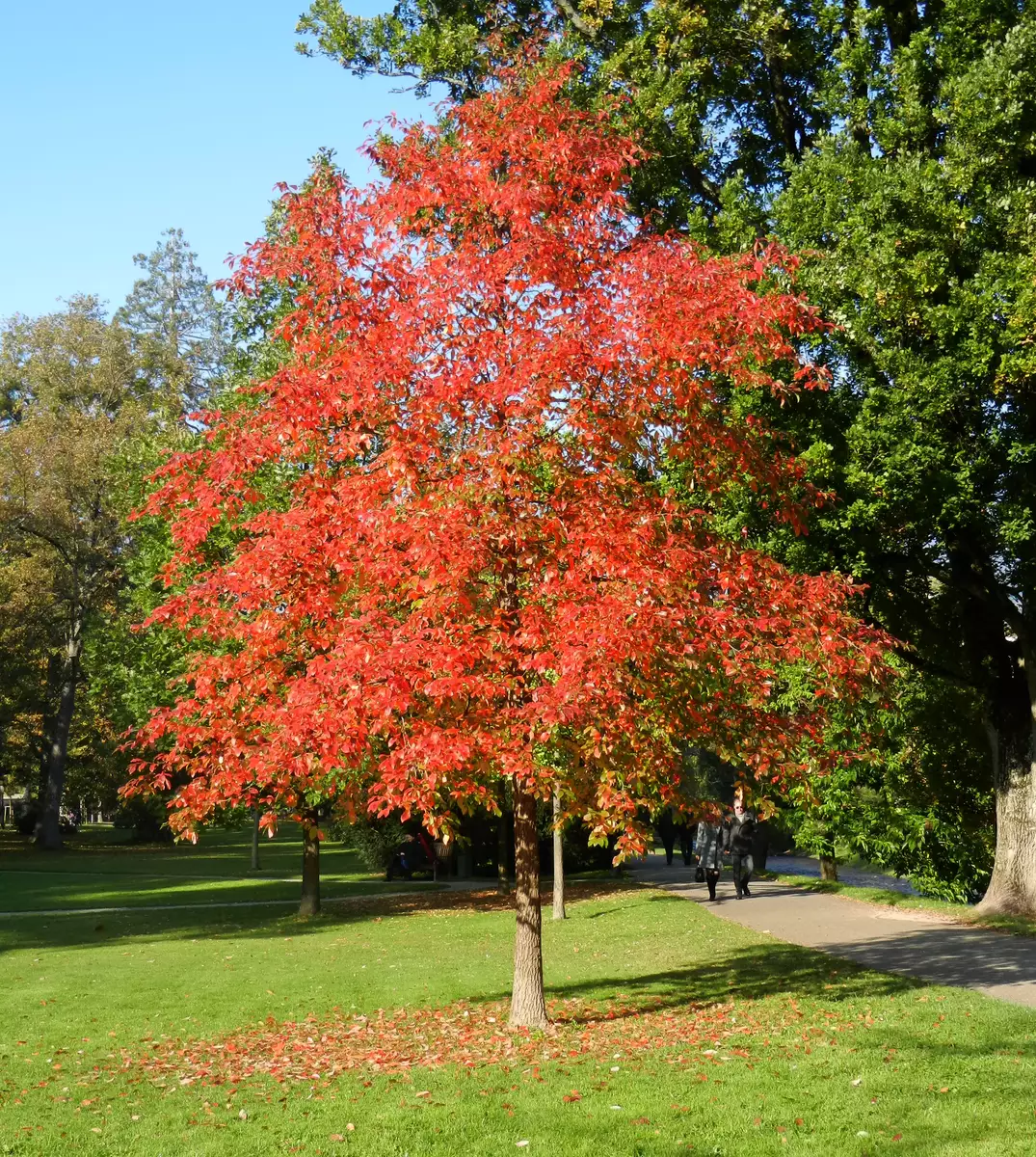
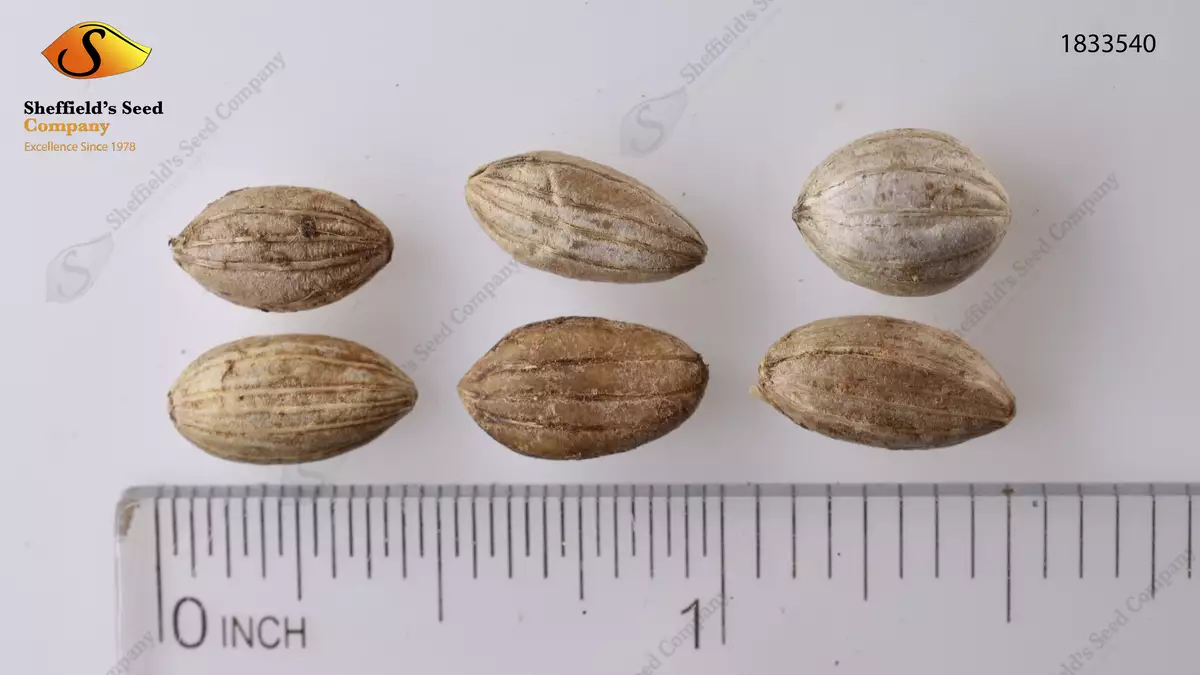
Nyssa sylvatica, known as Black Tupelo or Blackgum, is a remarkable native deciduous tree that offers a stunning display of natural beauty throughout the seasons. This species graces landscapes from southern Ontario to the Eastern United States and Mexico, thriving in diverse habitats including dry upland forests, swamps, and mountainous regions. Known for its brilliant fall foliage, Black Tupelo transforms in autumn with shades of yellow, orange, purple, and scarlet, while its summer leaves boast a glossy dark green. Its bark, eloquently furrowed with age, resembles alligator hide, adding to its ornamental appeal.
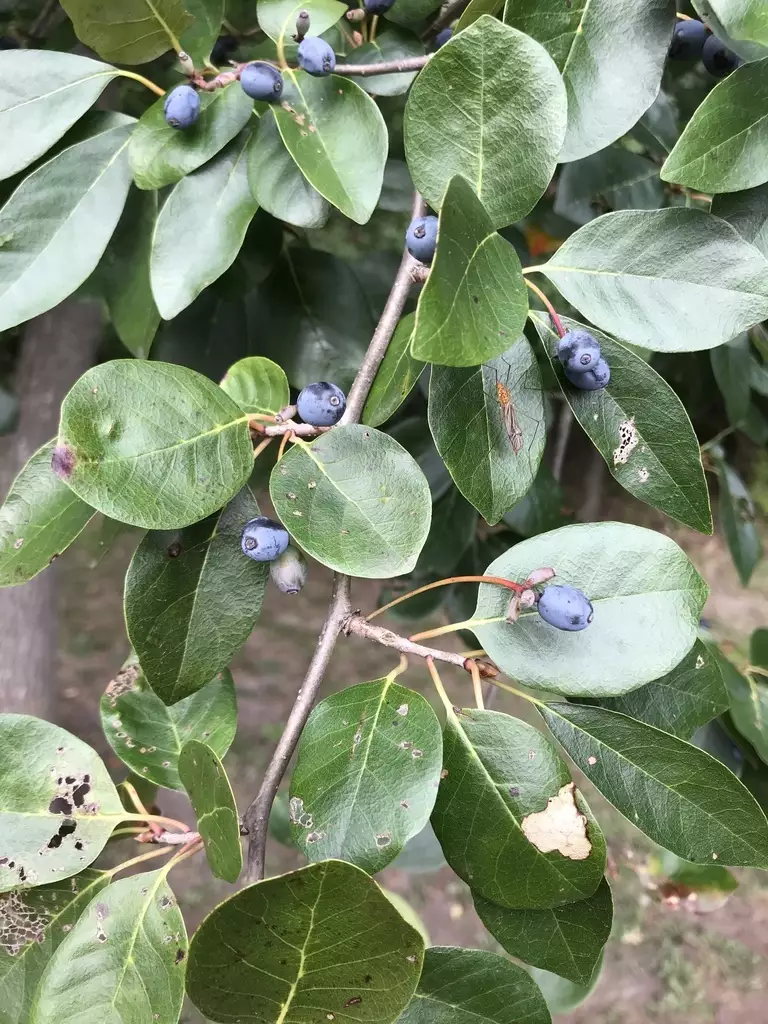
Growing up to 70 feet in the wild, and typically 30 to 50 feet in cultivation, Nyssa sylvatica is a slow-growing but sturdy specimen, making it an excellent choice for shade and street tree planting. Requiring full sun to part shade, it thrives in medium to wet, acidic soils but is adaptable to clay and dry conditions. Notably dioecious, male and female trees are needed to produce its attractive bluish-black fruits, which are highly sought after by birds and wildlife.
With its insignificant yet nectar-rich greenish-white flowers, it supports pollinator populations, including bees responsible for producing esteemed tupelo honey. Whether enhancing landscapes with its striking colors or supporting biodiversity, Black Tupelo with its deeply rooted taproot promises longevity and resilience, enduring drought, heat, and coastal conditions effortlessly. Embrace the grandeur of Nyssa sylvatica—a symbol of natural beauty and wildlife support in your garden or landscape.