0
Close
1 / 6
2 / 6
3 / 6
4 / 6
5 / 6

AdobeStock

6 / 6

AdobeStock

Growing Info

Scarification
Scarification: Soak in hot tap water, let stand in water for 24 hours, repeat process on seed that did not imbibe
Stratification
Stratification: cold stratify for 90 days
Germination
Germination: sow seed 1/2" deep, tamp the soil, keep moist but not wet

Other: if boiling water treatment does not allow seed to imbibe, sulfuric acid treatment is required 

Native to: Bangladesh, China, China (Yunnan, Himachal Pradesh), India, India (Uttarakhand, Nepal, Sichuan)
Native
Introduced

Sapindus mukorossi

Chinese Soapberry, Indian Soapberry, Washnut

In Stock: 4.023 lb (Total:4.023lb)
  • Sapindus mukorossi

    All items have bulk rates priced in
select i.*, as2.state_abbr from inventory_item_manage i left outer join sheffields_2017.address_states as2 on (as2.state_name = i.CollectionLocale or as2.state_abbr = i.CollectionLocale) where i.inventory_id = '700374' group by i.id

Buying options

4.02 lb

Details

Germination:
98%
Germination test:
Cut (Full Seed)
Purity:
99%
Seeds per lb:
325
Quantity:
4.02 lb
Collected in:
Pakistan
Crop year:
2023
Min. hardiness zone:
8
Item ID:
1833847

Growing Info

Scarification
Scarification: Soak in hot tap water, let stand in water for 24 hours, repeat process on seed that did not imbibe
Stratification
Stratification: cold stratify for 90 days
Germination
Germination: sow seed 1/2" deep, tamp the soil, keep moist but not wet

Other: if boiling water treatment does not allow seed to imbibe, sulfuric acid treatment is required 

Native to: Bangladesh, China, China (Yunnan, Himachal Pradesh), India, India (Uttarakhand, Nepal, Sichuan)
Native
Introduced
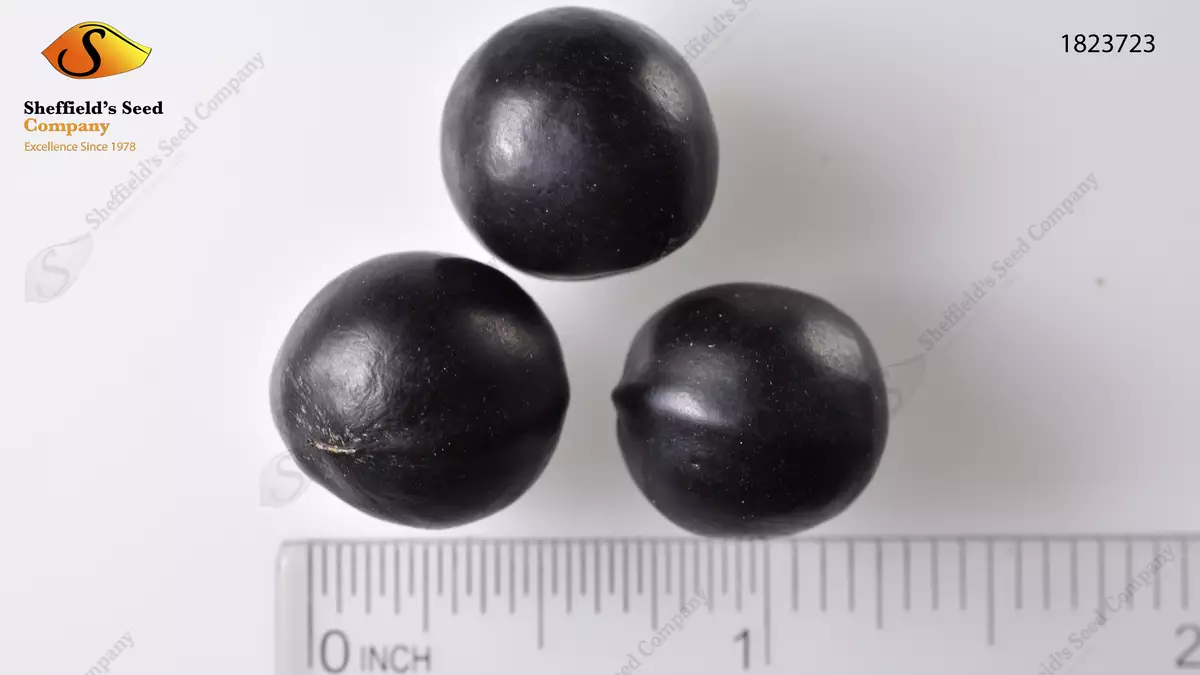
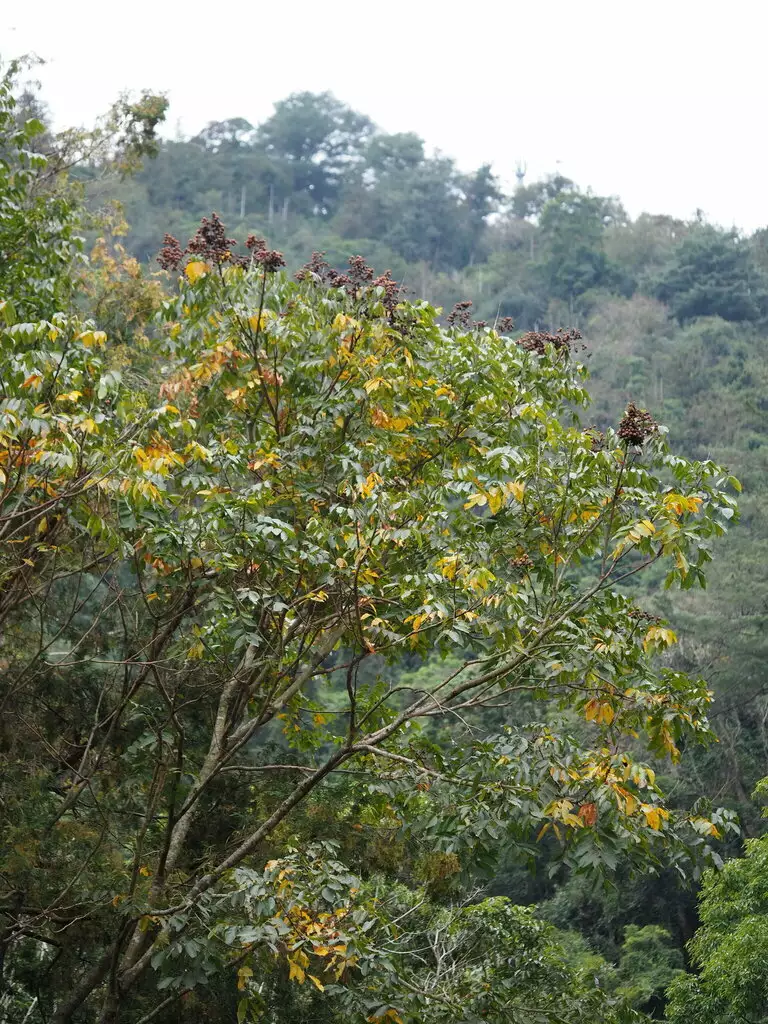
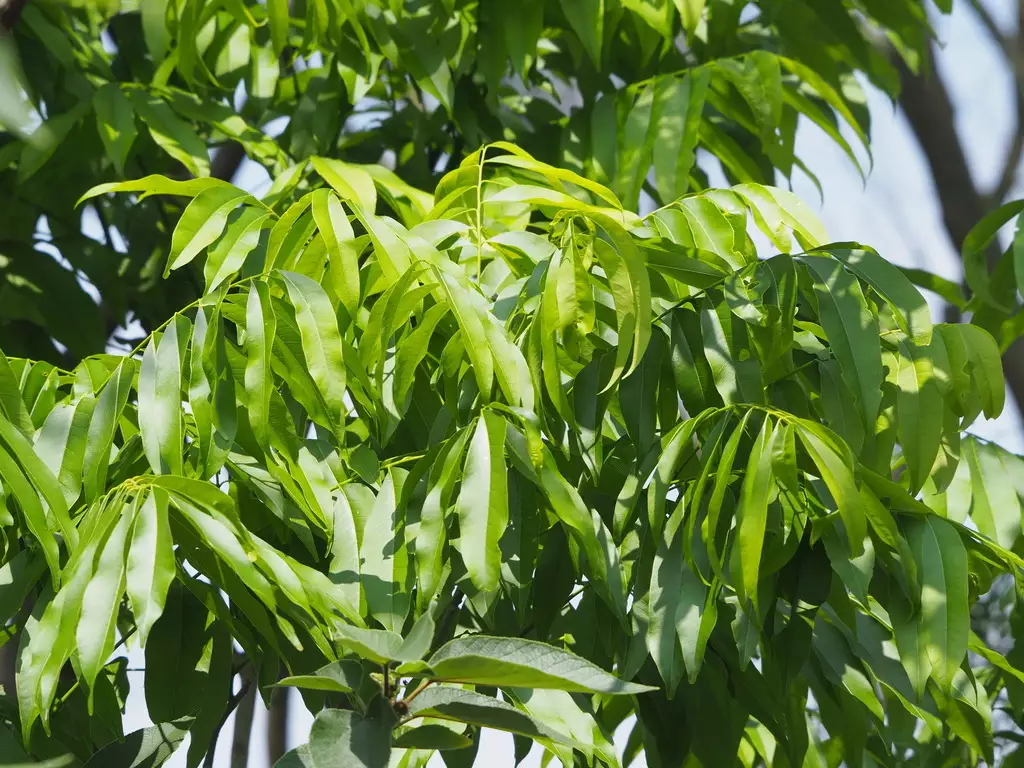
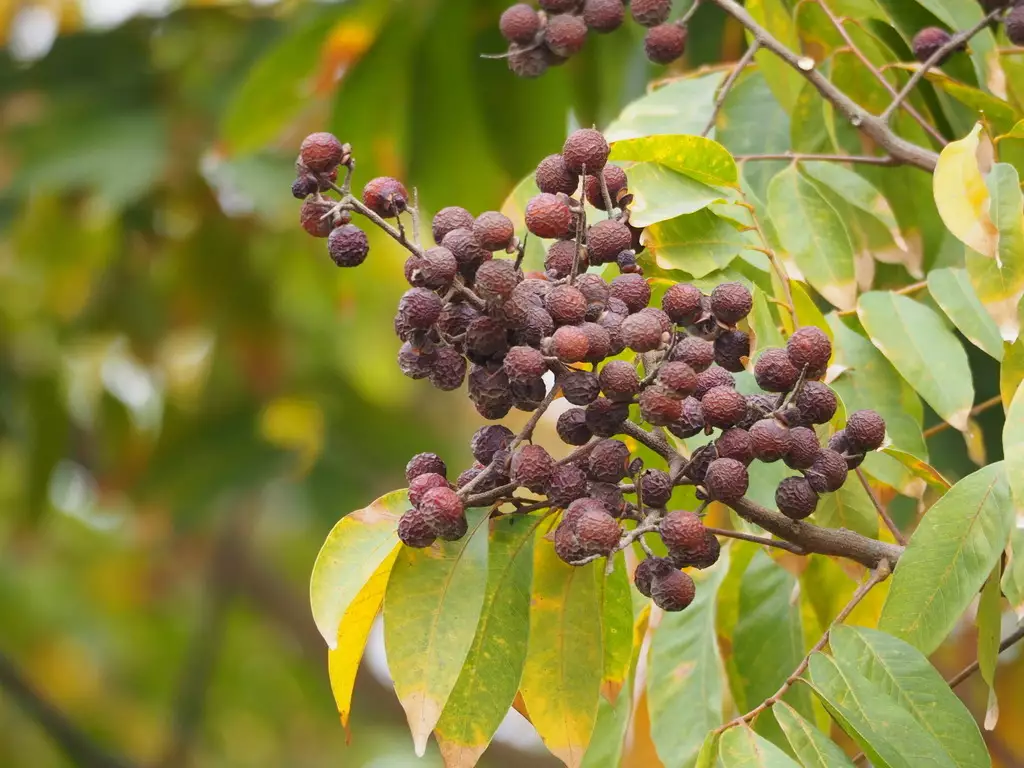
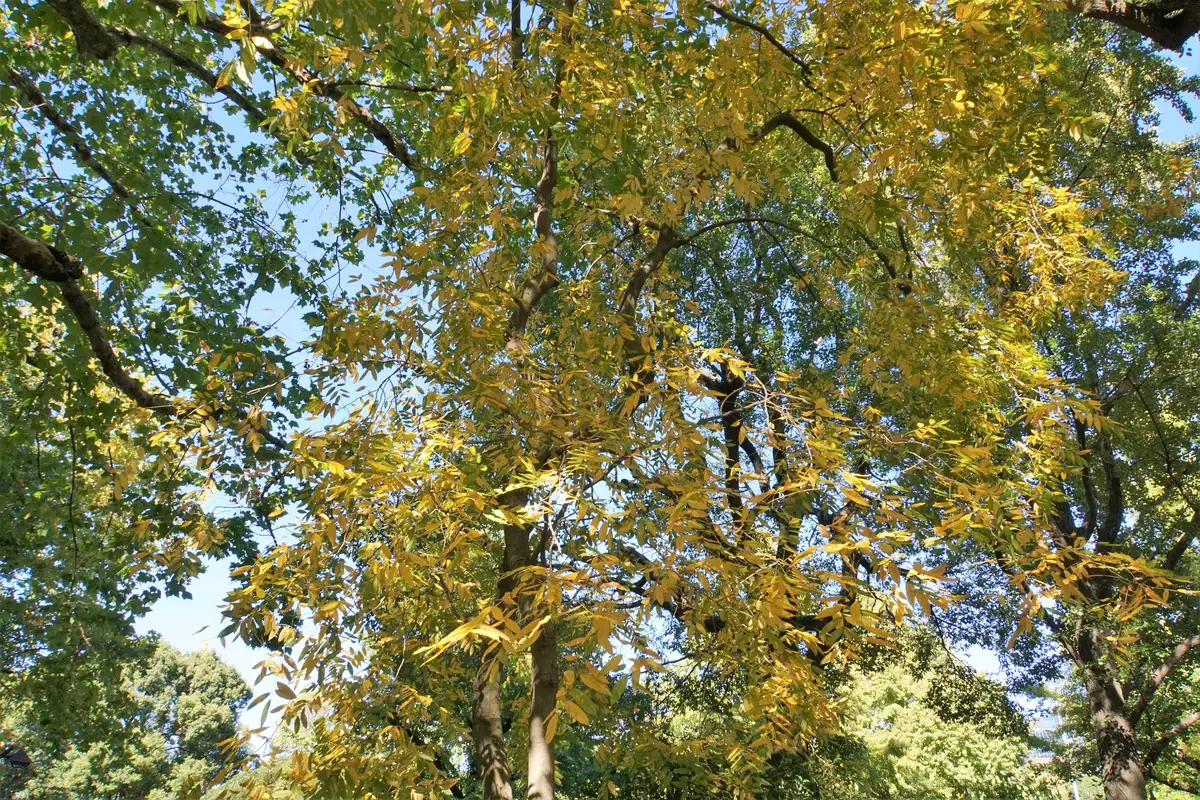
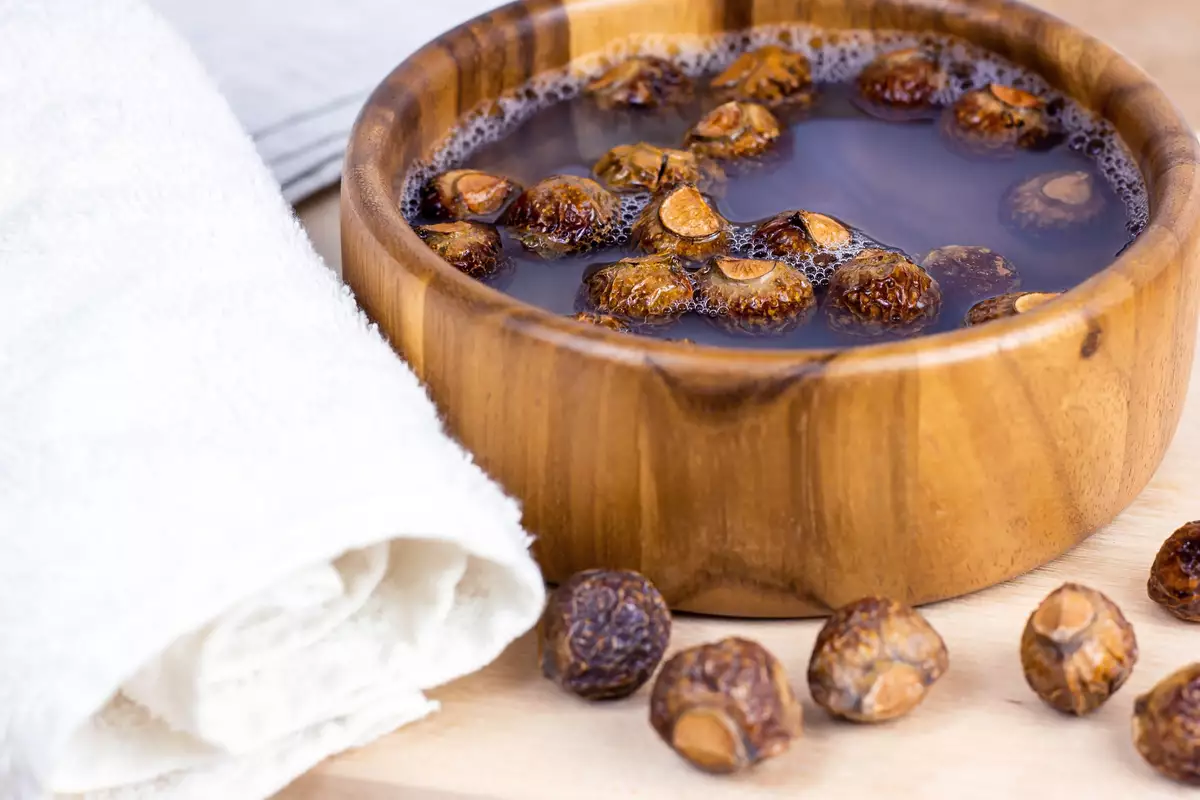
Sapindus mukorossi, commonly known as Indian or Chinese Soapberry, and Washnut, is a remarkable tropical tree belonging to the Sapindaceae family. Thriving in the lower foothills and midhills of the Himalayas, as well as regions in India, Nepal, Indochina, and southern China, this deciduous tree reaches towering heights up to 80 ft. Celebrated for its exceptional cleaning properties, Sapindus mukorossi's fruits, often called soap nuts, boast a hard coat that turns from green to brown as they mature. Rich in triterpenoid saponins, these nuts serve as a biodegradable, greywater-safe laundry detergent, perfect for cleaning everyday wear and restoring tarnished silverware. Beyond its cleansing capabilities, the tree features triterpenoid saponins and other bioactive compounds beneficial in food, pharmaceutical, cosmetic, and chemical sectors. Intriguingly, the seeds double as natural insecticides. Sapindus mukorossi thrives in fertile, frost-free climates, demanding significant water and up to a decade before fruiting. Its majestic, composite leaves and creamy flower panicles in early summer are a visual delight. Whether grown in open fields or large pots within greenhouses, this versatile tree offers both aesthetic and practical benefits, supporting sustainability with its natural surfactant and antimicrobial properties.

You might also like

Gymnocladus chinensis

Gymnocladus chinensis

Chinese Coffee Tree, Coffee Tree, Soap Tree, Yunnan Bean

Sequoiadendron giganteum

Sequoiadendron giganteum

Bigtree, Giant Sequoia, Sierra Redwood, Sierran Redwood, Wellingtonia

Sapindus saponaria

Sapindus saponaria

Wingleaf Soapberry

Macadamia integrifolia

Macadamia integrifolia

Macadamia Nut

(315) 497-1058
269 NY-34 Locke NY 13092
seed@sheffields.com

HOME - logo

Find us on: