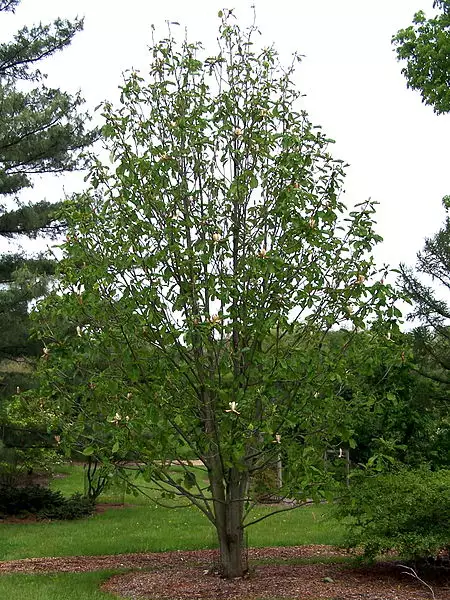
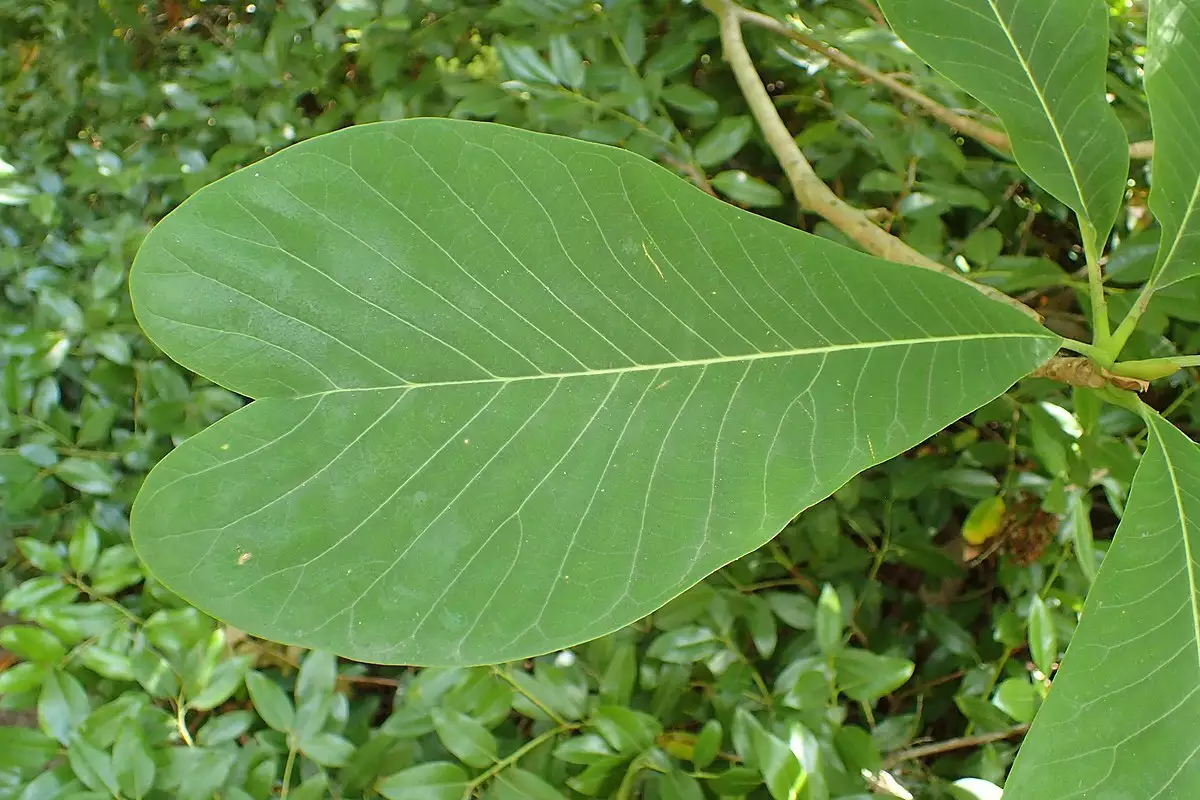
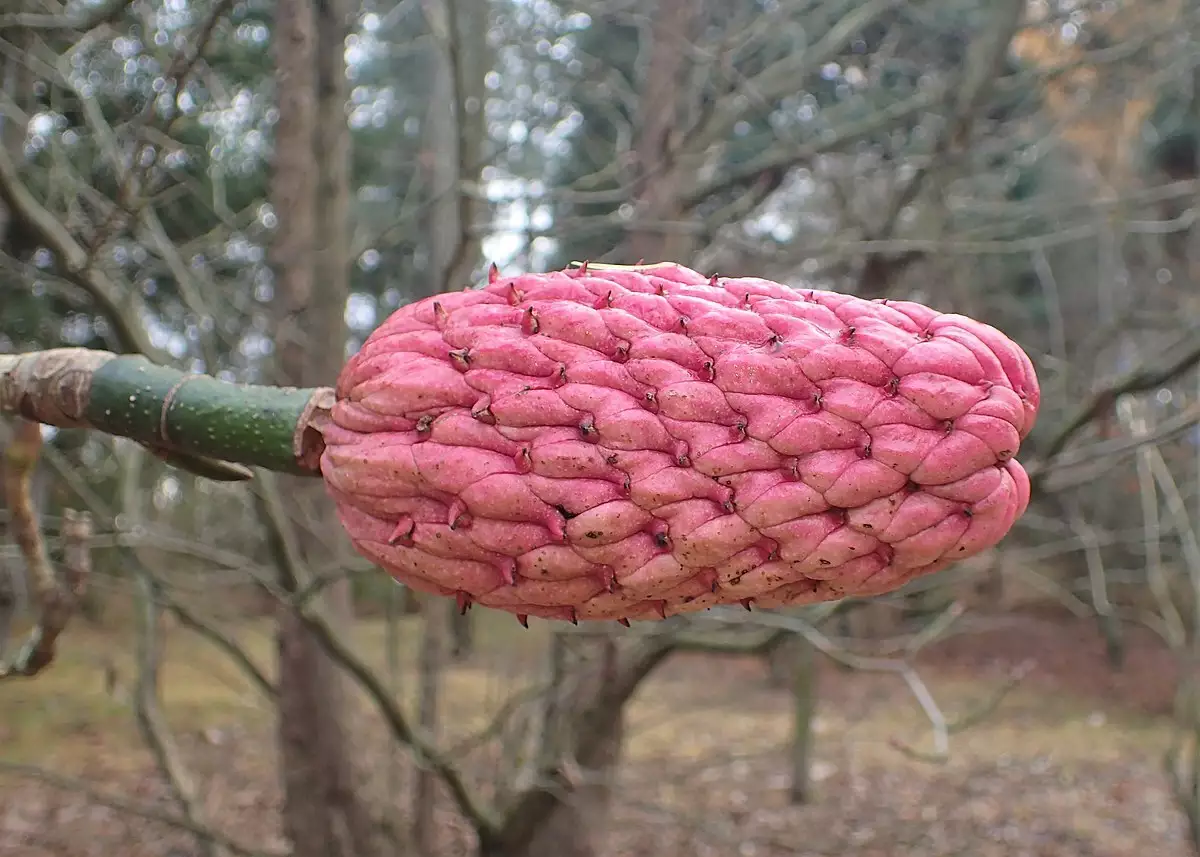
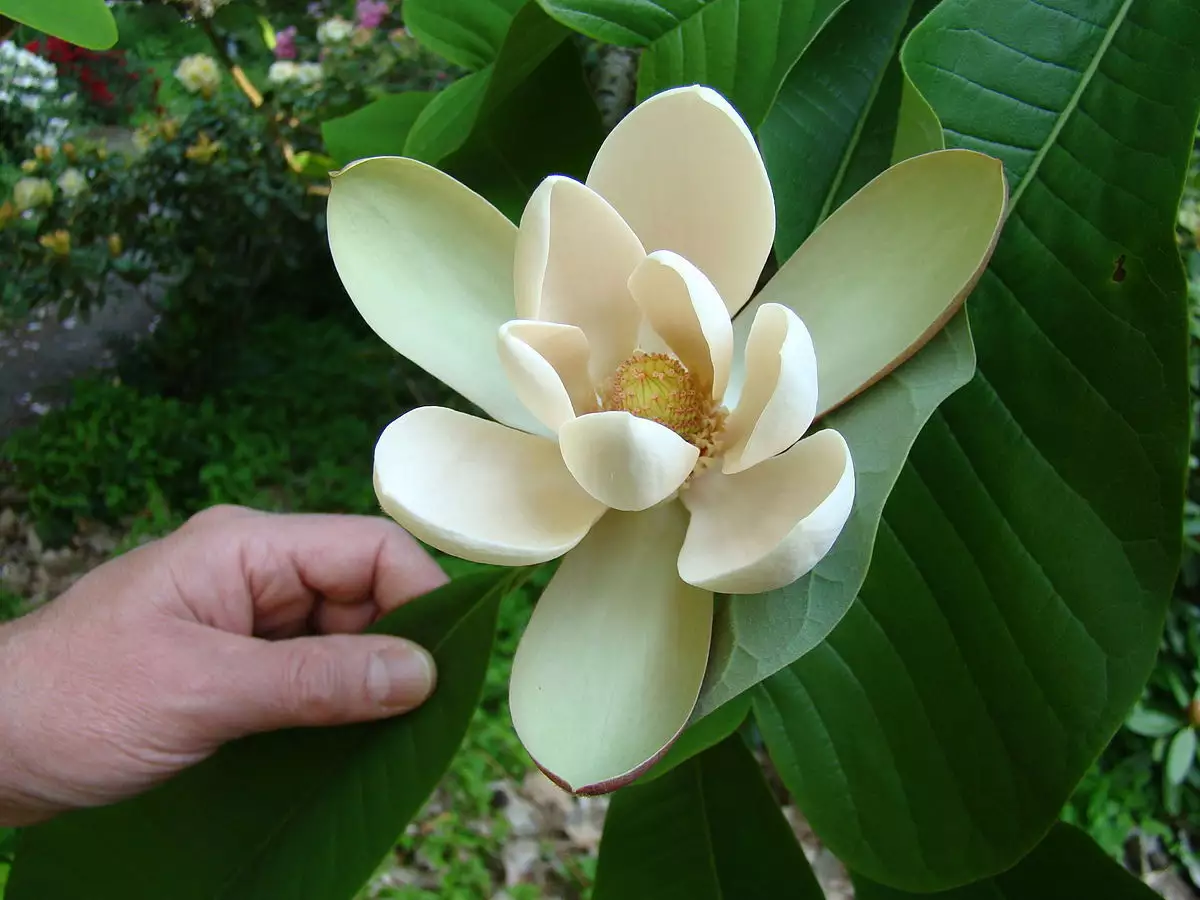
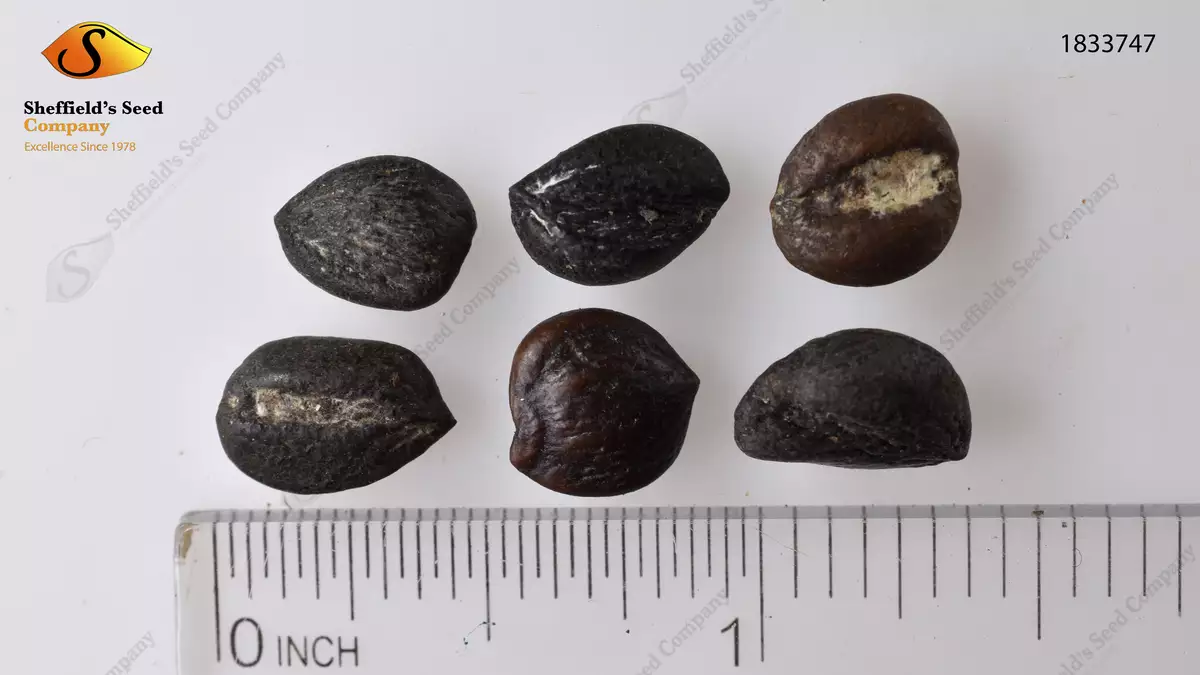
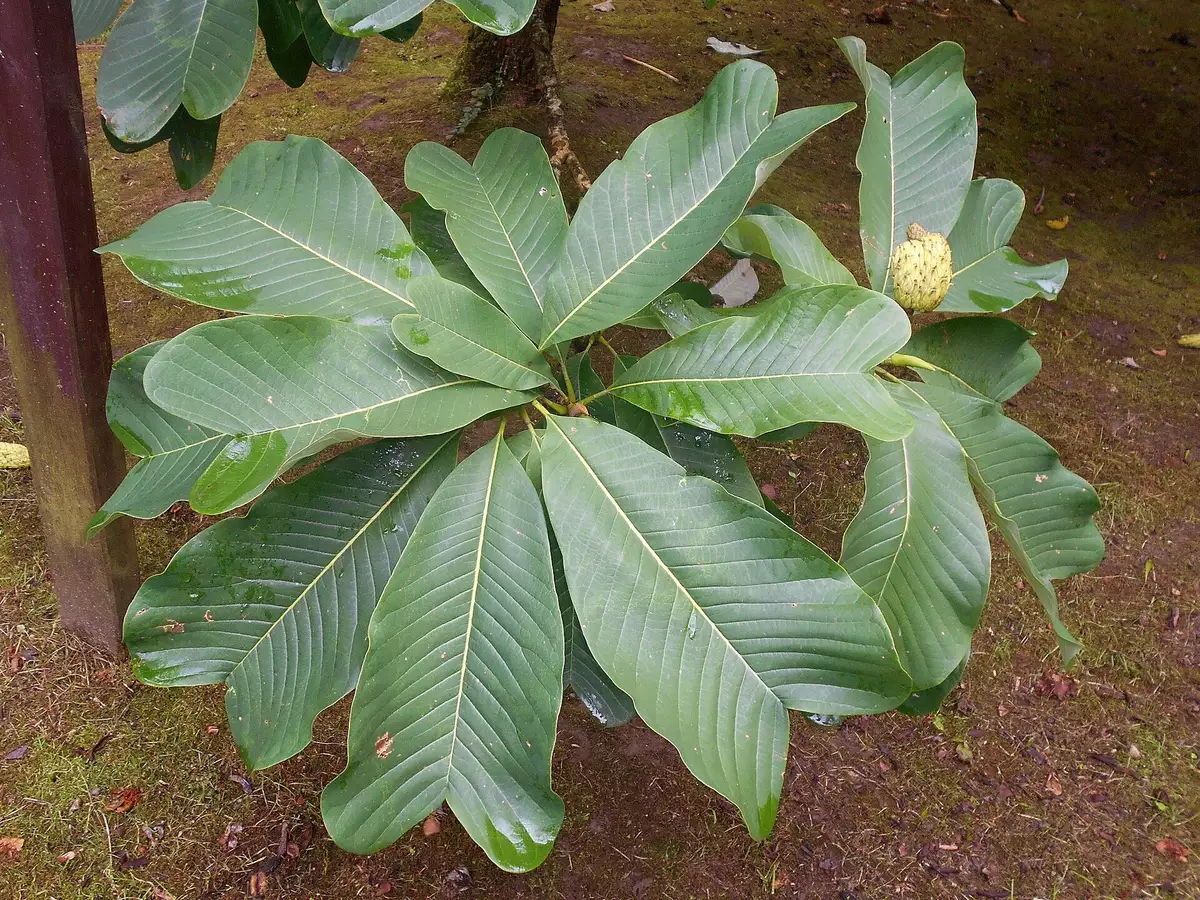
Magnolia officinalis var. biloba, commonly known as Bi-lobed Magnolia, Houpu Magnolia, or Magnolia-bark Magnolia, is a captivating deciduous tree renowned for its grand floral display and striking foliage. This medium-sized tree, reaching heights of 20–50 feet, boasts massive, fragrant creamy-white flowers, each spanning 5–10 inches in diameter and blooming in spring. The flowers are complemented by broad, heart-shaped leaves, up to 20 inches long, featuring a unique bilobed, or notched, apex. Native to the mountain forests of China, this magnolia thrives in USDA Zones 6–9, preferring sunny, moist, and well-drained locations. It is an excellent choice for large gardens or as a specimen tree, providing a dramatic, aromatic focal point with its lush, tropical appearance.
The tree's bark, known as hou po, has long been utilized in Traditional Chinese Medicine for its aromatic properties. Magnolia officinalis var. biloba differs from its cousin, M. officinalis var. officinalis, primarily through its distinctive leaf notching, present on nearly every leaf. This resilient tree flourishes in full sun to partial shade and rich, humus-laden soil but should be sheltered from strong winds. Minimal pruning is required, typically performed from midsummer to early autumn, ensuring low maintenance while enhancing its stately, round-topped crown. However, be mindful of potential susceptibility to scale insects and Verticillium wilt. Enrich your landscape with the timeless elegance and health benefits of the Bi-lobed Magnolia.