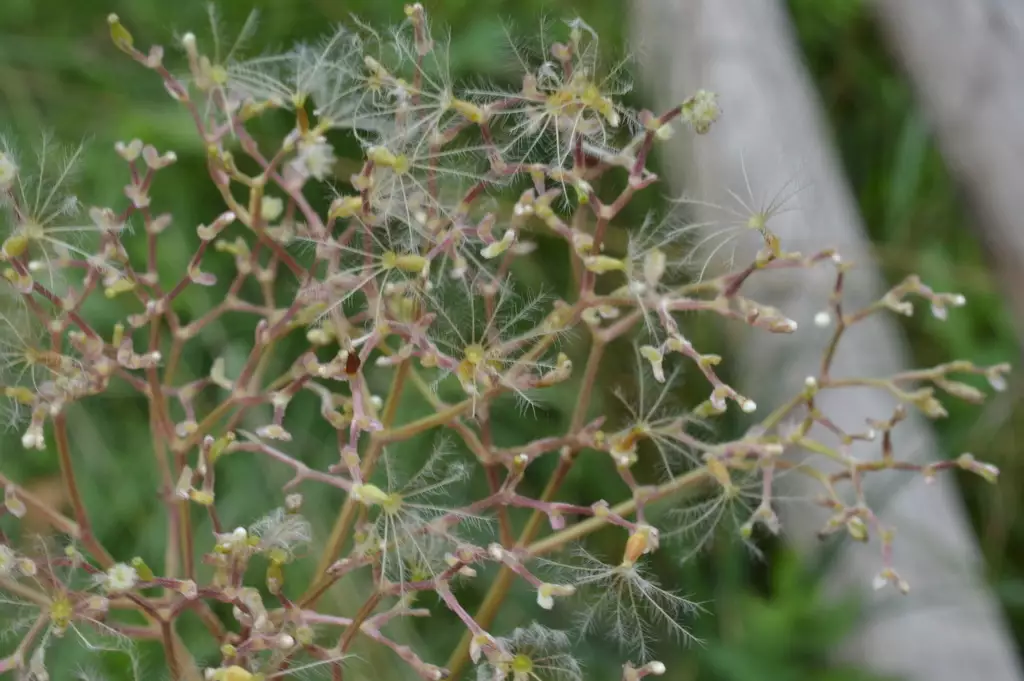
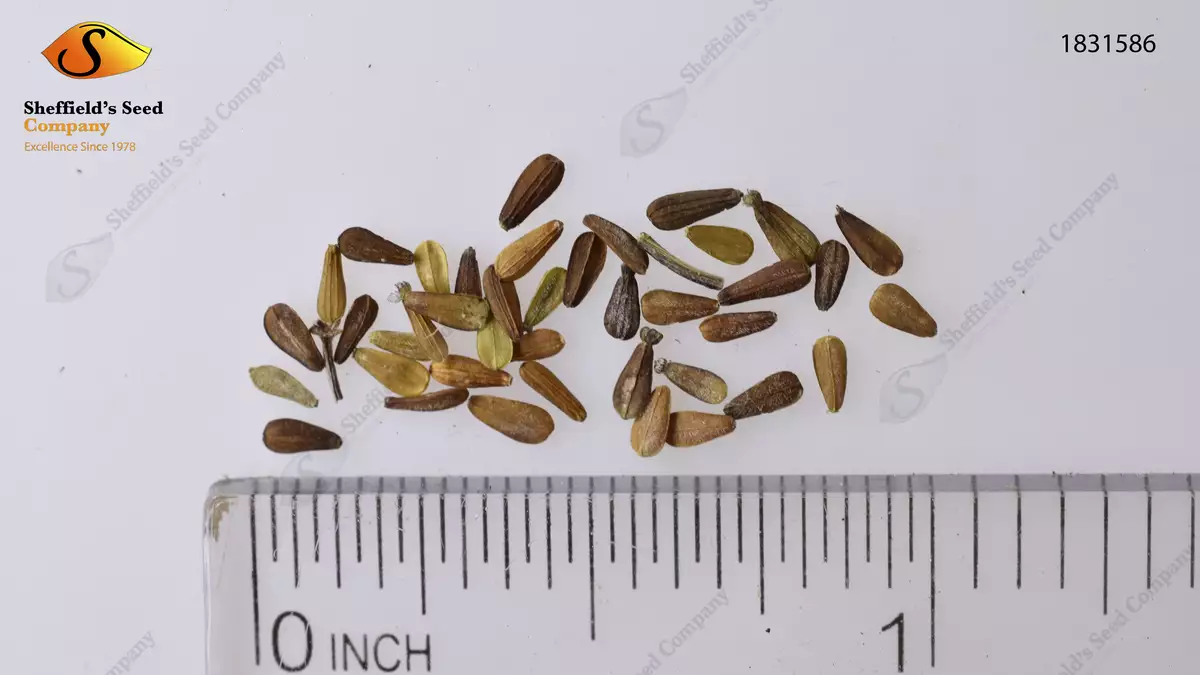
Germination: sow seed 1/16" deep , tamp the soil, keep moist
Native to: Afghanistan, Albania, Armenia, Austria, Azerbaijan, Belarus, Belgium, Bosnia and Herzegovina, Bulgaria, Croatia, Estonia, France, Germany, Greece, Hungary, Iran, Israel, Kazakhstan, Kyrgyzstan, Russia, Ukraine
Introduced to: British Columbia, Connecticut, Delaware, Idaho, Illinois, Indiana, Iowa, Maine, Manitoba, Maryland, Massachusetts, Michigan, Minnesota, Montana, New Brunswick, New Hampshire, New Jersey, New York, Newfoundland, Nova Scotia, Ohio, Ontario, Oregon, Québec, Rhode I., Vermont, Washington, West Virginia, Wisconsin
Native
Introduced
Valeriana officinalisValeriana officinalis
Common Valerian, Garden Valerian
Why do you sell THIS seed??? (see FAQ) Before growing seeds, verify local and state regulations to ensure compliance with any specific restrictions or requirements.
In Stock: 0.303 lb (Total:0.303lb)
Valeriana officinalis
select i.*, as2.state_abbr
from inventory_item_manage i
left outer join sheffields_2017.address_states as2 on (as2.state_name = i.CollectionLocale or as2.state_abbr = i.CollectionLocale)
where i.inventory_id = '1478'
group by i.id
Germination: sow seed 1/16" deep , tamp the soil, keep moist
Native to: Afghanistan, Albania, Armenia, Austria, Azerbaijan, Belarus, Belgium, Bosnia and Herzegovina, Bulgaria, Croatia, Estonia, France, Germany, Greece, Hungary, Iran, Israel, Kazakhstan, Kyrgyzstan, Russia, Ukraine
Introduced to: British Columbia, Connecticut, Delaware, Idaho, Illinois, Indiana, Iowa, Maine, Manitoba, Maryland, Massachusetts, Michigan, Minnesota, Montana, New Brunswick, New Hampshire, New Jersey, New York, Newfoundland, Nova Scotia, Ohio, Ontario, Oregon, Québec, Rhode I., Vermont, Washington, West Virginia, Wisconsin
Native
Introduced
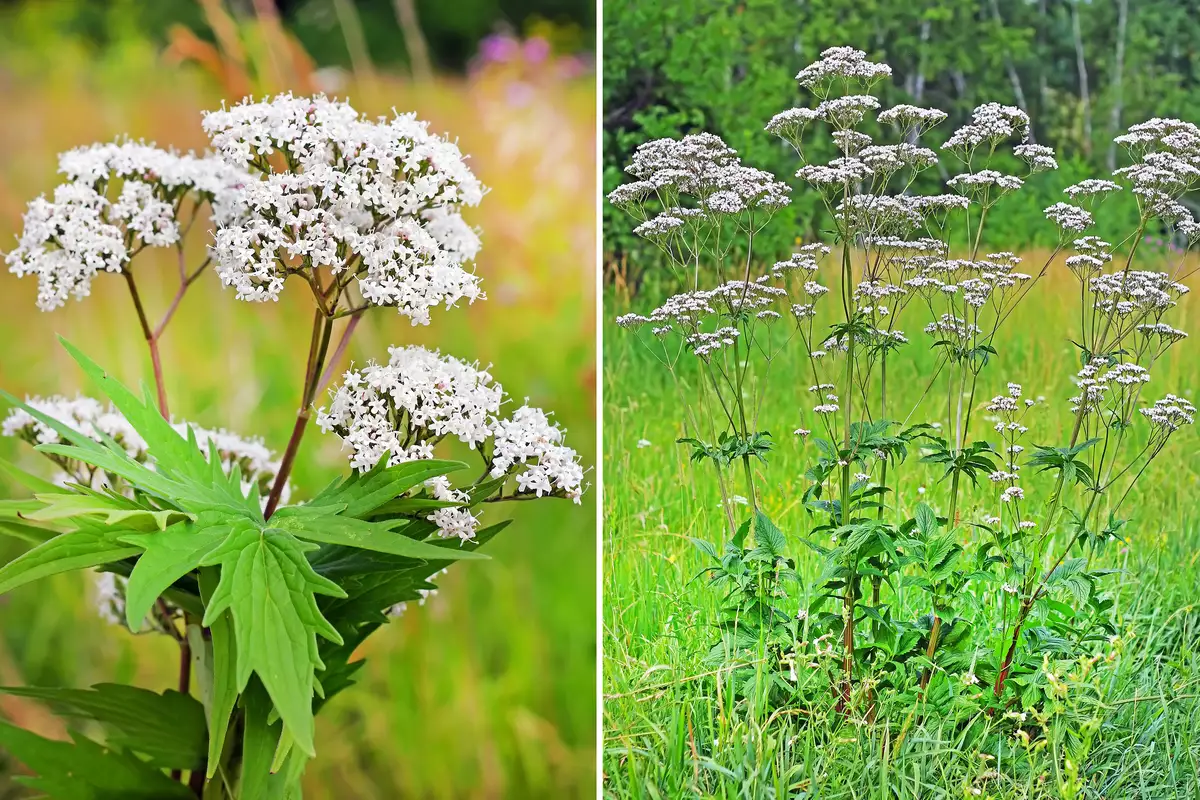
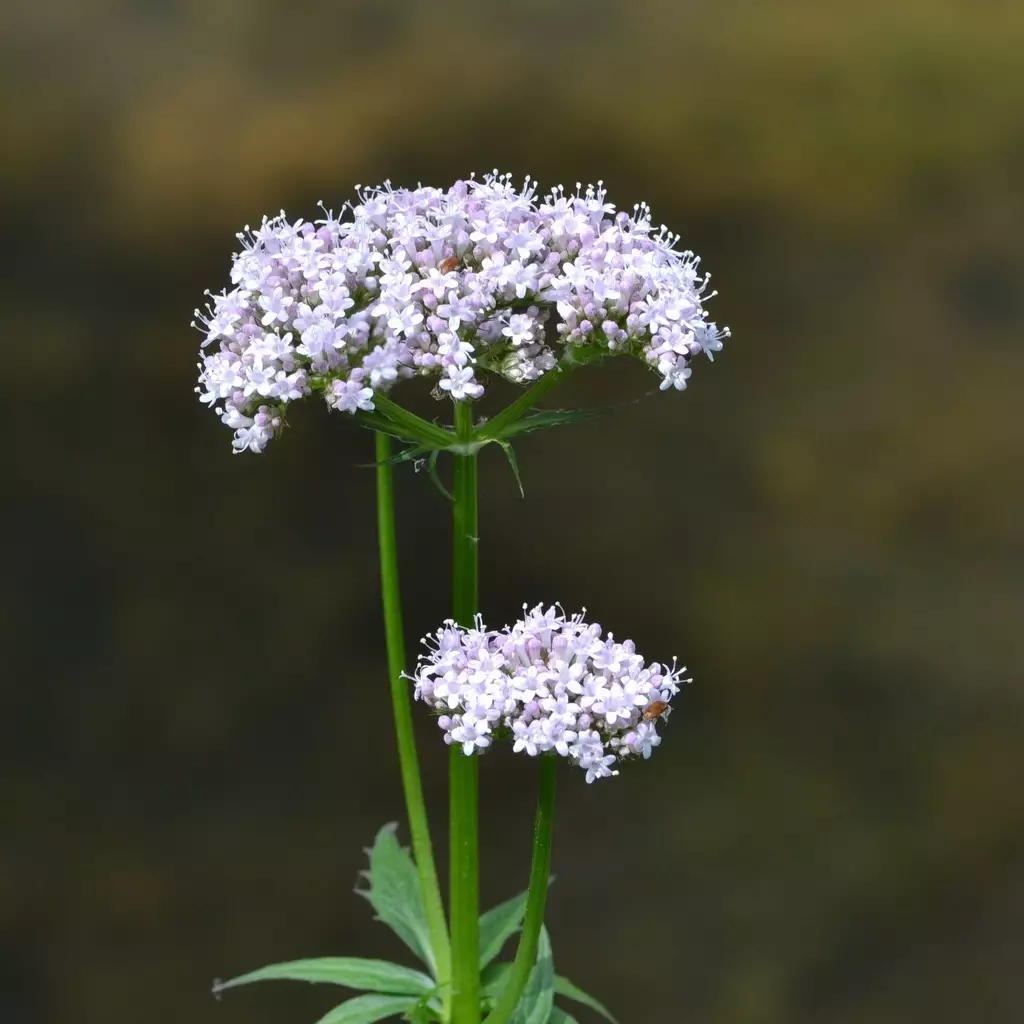
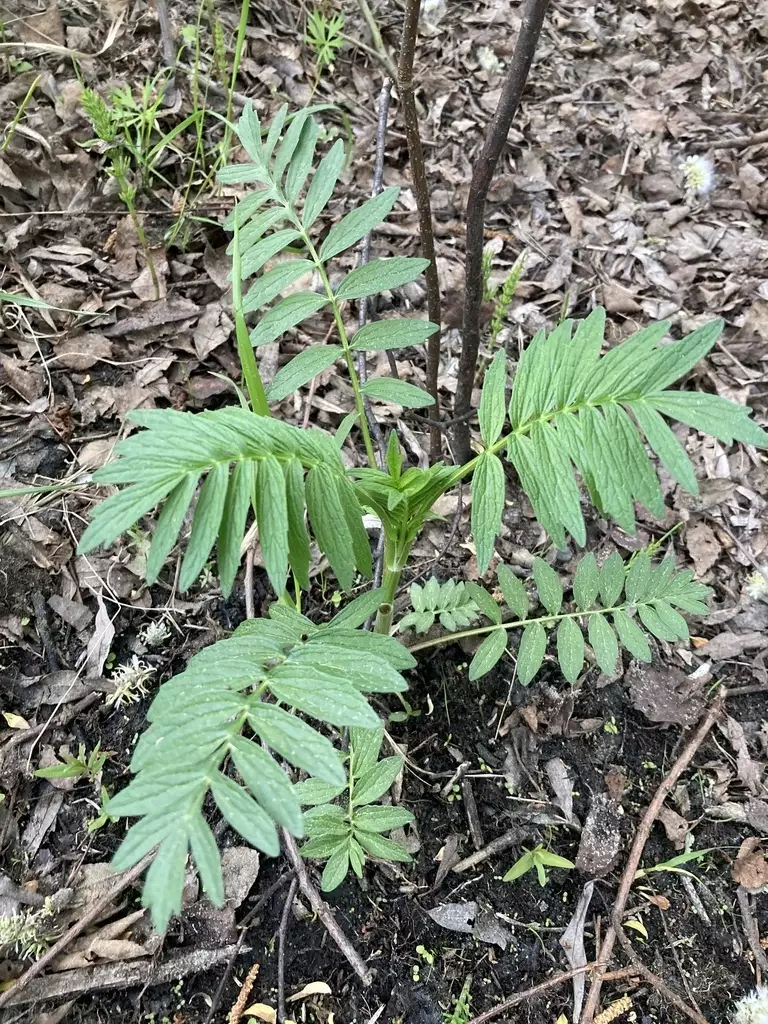
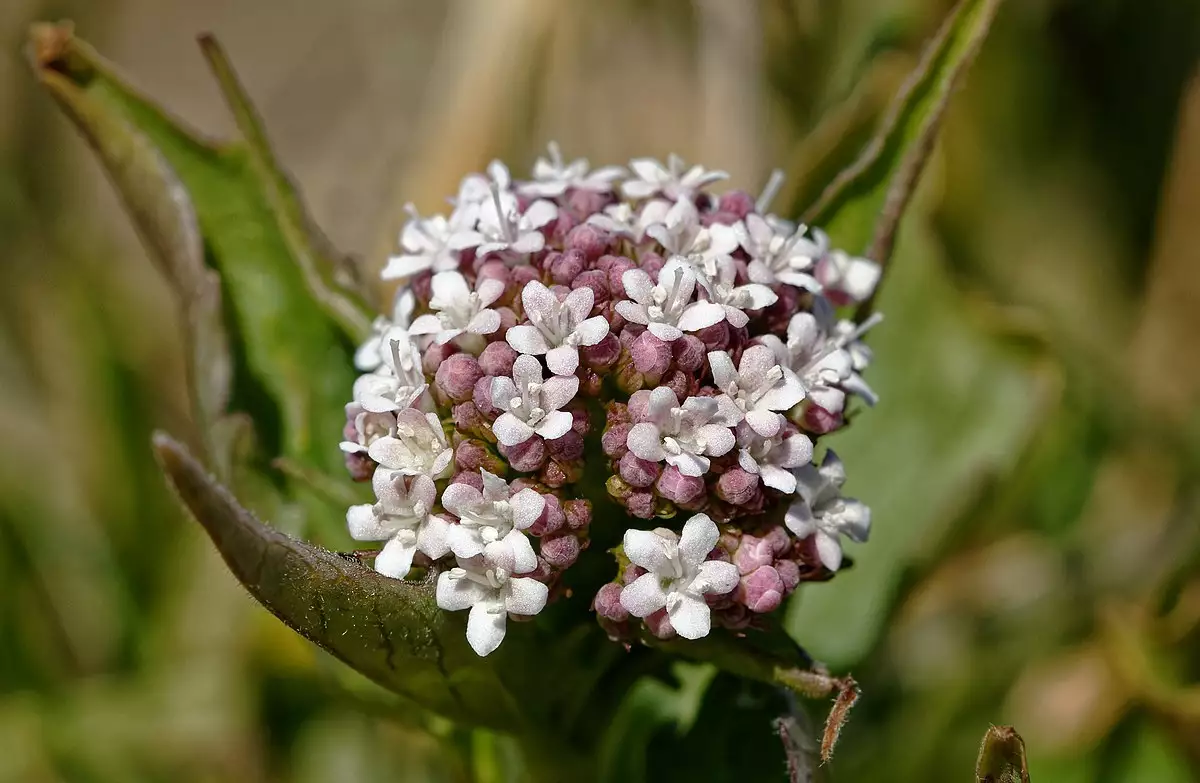
Valerian (Valeriana officinalis), also known as Common Valerian or Garden Valerian, is an herbaceous perennial belonging to the Caprifoliaceae family. Native to Europe and southwestern Asia, this plant graces gardens with its fragrant blooms and medicinal properties. Growing up to 5 ft tall, Valerian features erect stems with pinnately divided leaves. During its flowering season from June to August, it produces clusters of sweetly-scented flowers, ranging in color from pale pink to white.
Widely recognized for its calming effects, Valerian has been traditionally used for centuries to aid sleep and treat mild anxiety. The European Medicines Agency acknowledges its roots as a well-established herbal remedy, particularly its dry ethanol extracts utilized for nervous tension relief. Valerian's unique appeal extends beyond humans; its roots attract cats, evoking responses similar to catnip. However, potential users should exercise caution as Valerian might not suit everyone; consulting with a healthcare provider before use is recommended.
While primarily thriving in well-drained, moist, loamy soils under full sun, Valerian can adapt to drier conditions and various soil types. Its notable resilience and capacity to naturalize allow it to flourish in different environments, from wet meadows to dry fields. However, its vigorous self-seeding and rhizome spread render it potentially invasive outside its native habitat, leading to restrictions in certain areas in the United States and Canada.
In cultivation, Valerian's strong-scented roots have been employed in medicine, perfumes, and flavoring. Though devoid of major pest issues, this versatile plant contributes to ornamental landscapes such as cottage gardens and herb borders, offering striking floral displays alongside its herbal benefits.