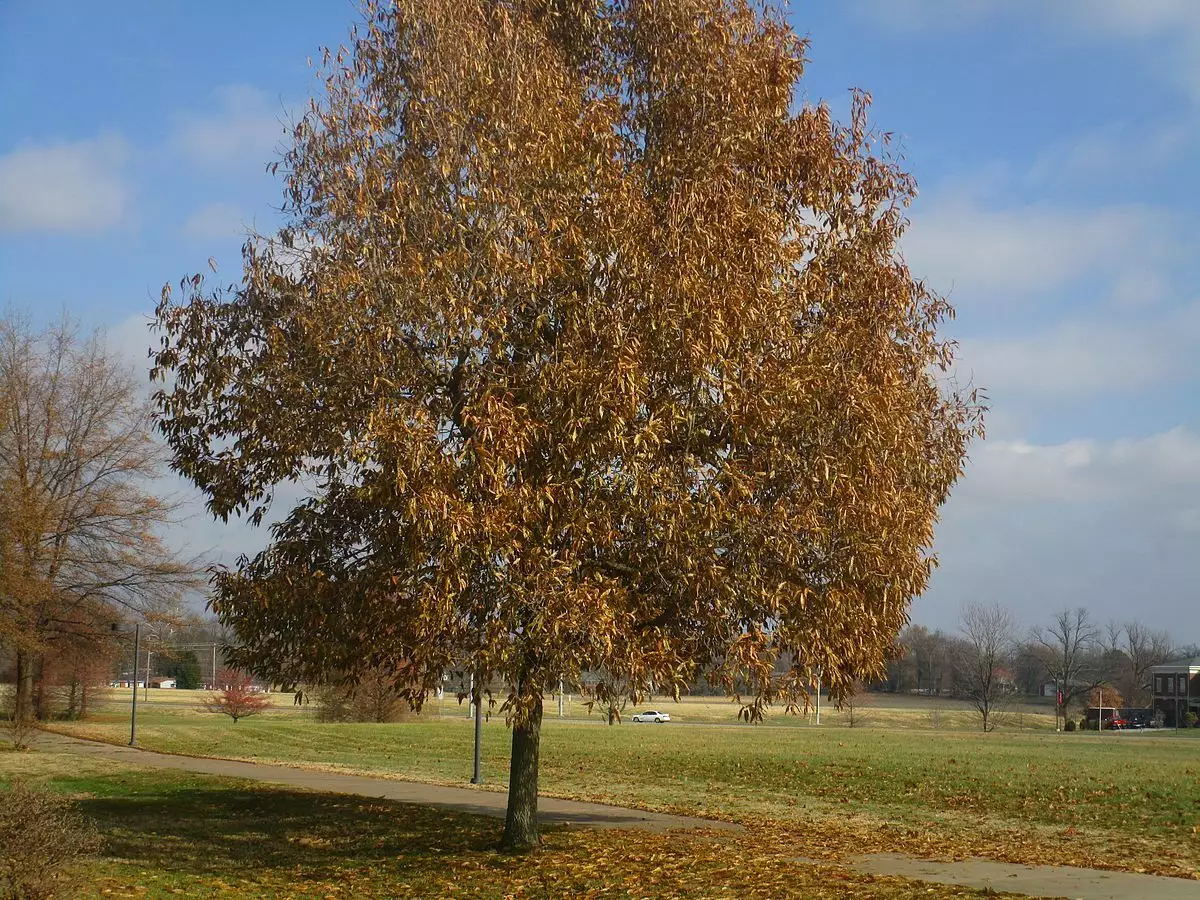
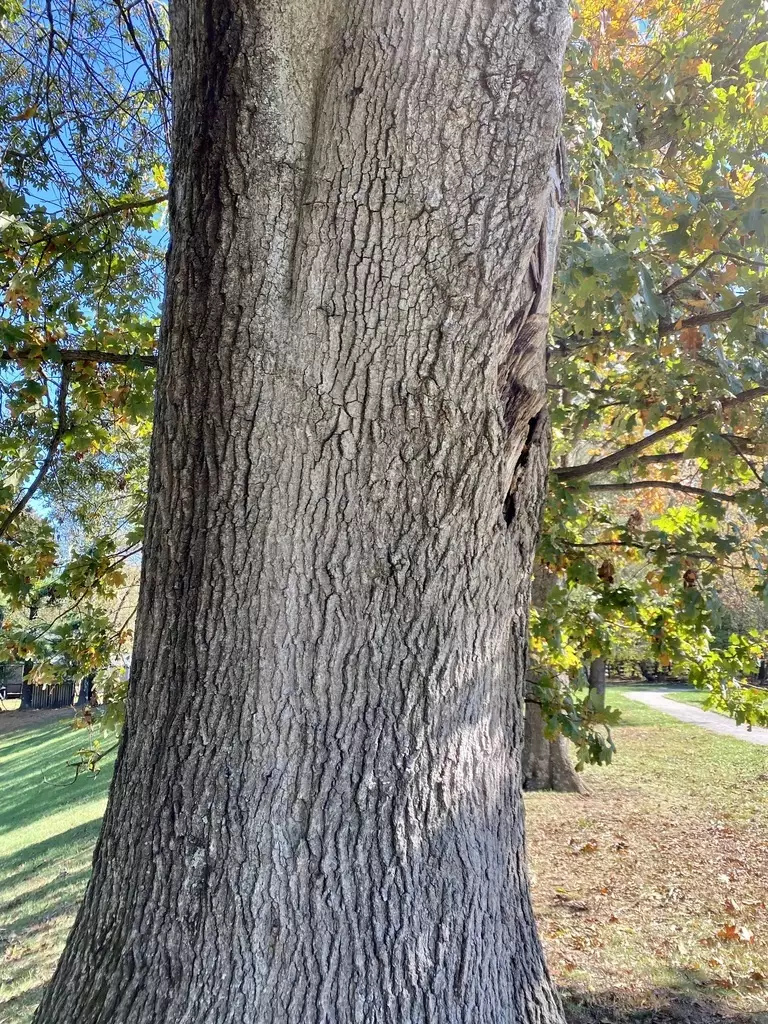
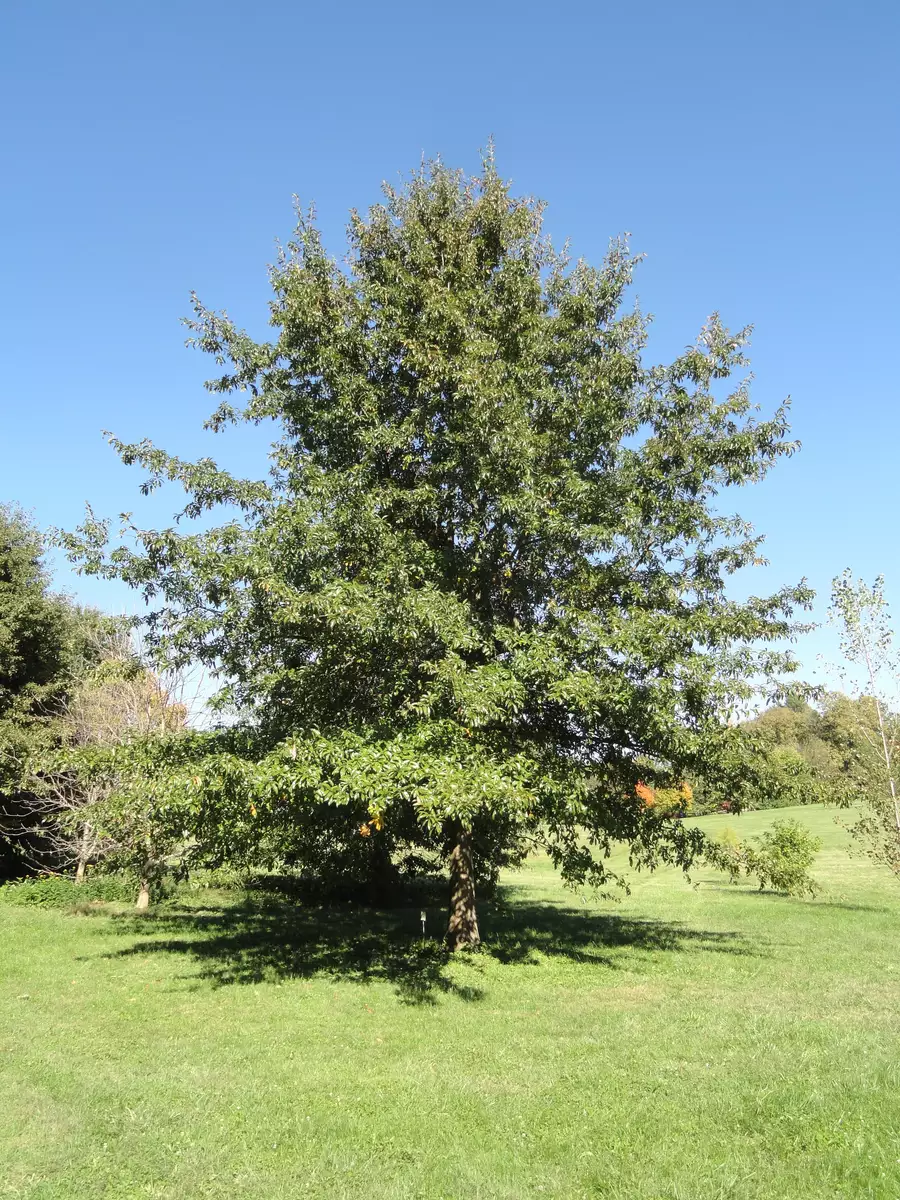
Quercus imbricaria, commonly known as Shingle Oak, is a distinguished member of the Beech family (Fagaceae), renowned for its robust stature and appealing form, gracing landscapes across zones 5 to 8 in the eastern and central United States. This medium-sized deciduous oak is celebrated for its unique conical to rounded crown, offering a chic, natural touch to large lawns, parks, and urban streets. Growing 40 to 60 feet tall with an equal spread, it provides generous shade coupled with minimal maintenance, making it an ideal choice for those seeking beauty without hassle.
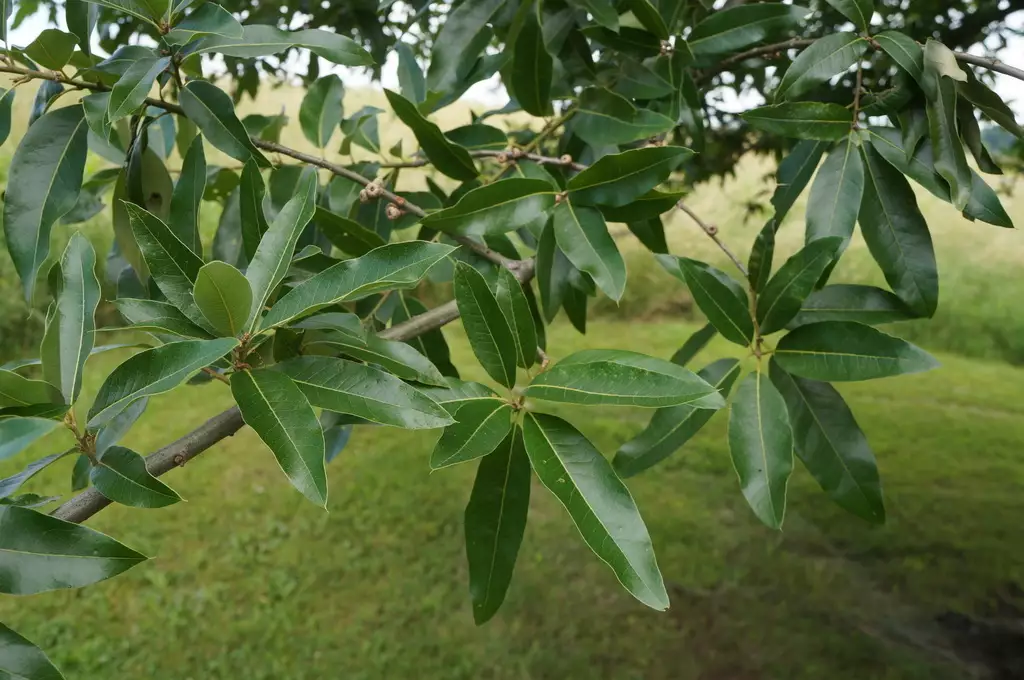
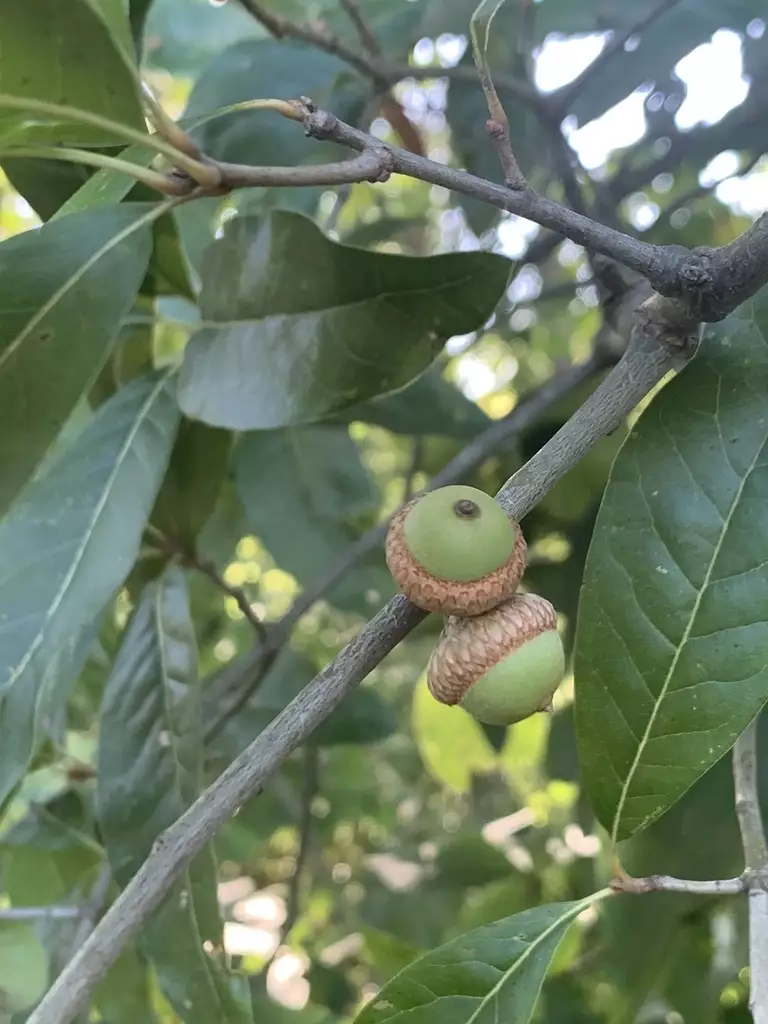
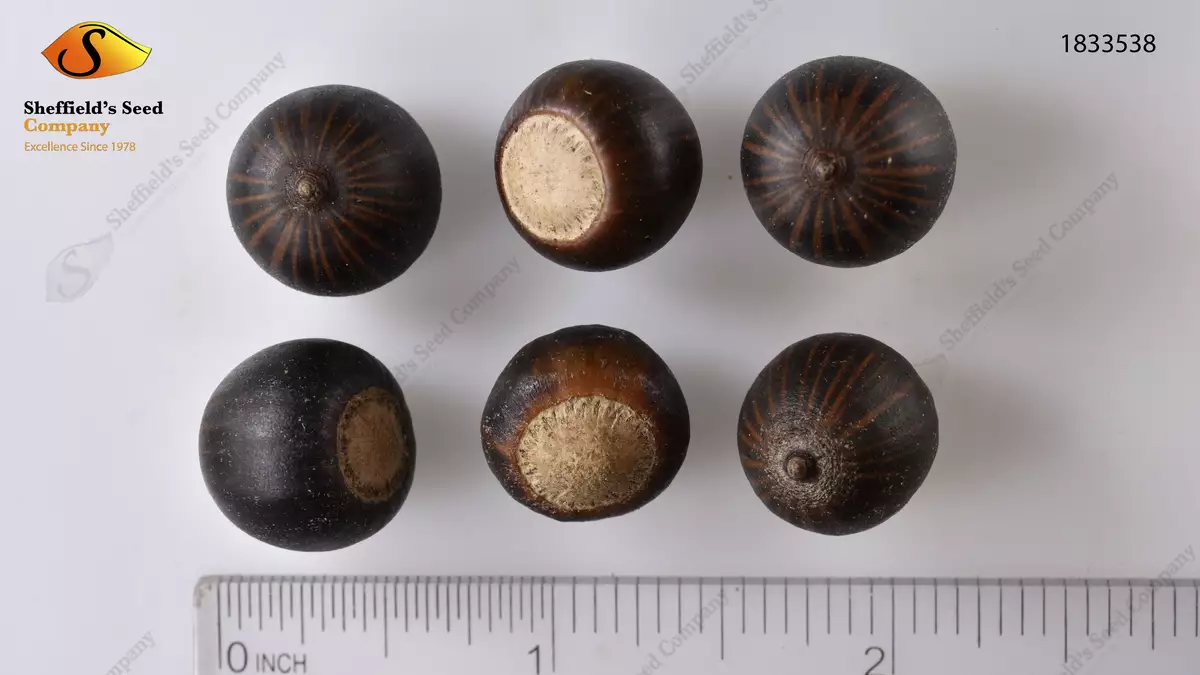
This resilient tree flourishes in full sun and accommodates a range of soil types, thriving best in rich, well-drained soils, while also adapting to drier conditions. Its glossy, dark green leaves transform into striking yellow-brown to red-brown hues in the fall, enhancing its visual allure. Shingle Oak features insignificant yellowish-green blooms in spring, followed by showy acorns that ripen in the second year, serving as a vital food source for diverse wildlife.
Historically, its durable wood was utilized by early settlers for shingles, inspiring its common name. Resistant to drought, black walnut, and various diseases, Shingle Oak stands as a testament to nature's resilience and elegance, promising a lifetime of shade and seasonal color changes. Whether used as a majestic shade tree or a durable street tree, Quercus imbricaria integrates ecological benefits with aesthetic grandeur, all delivered under the banner of low-maintenance beauty.