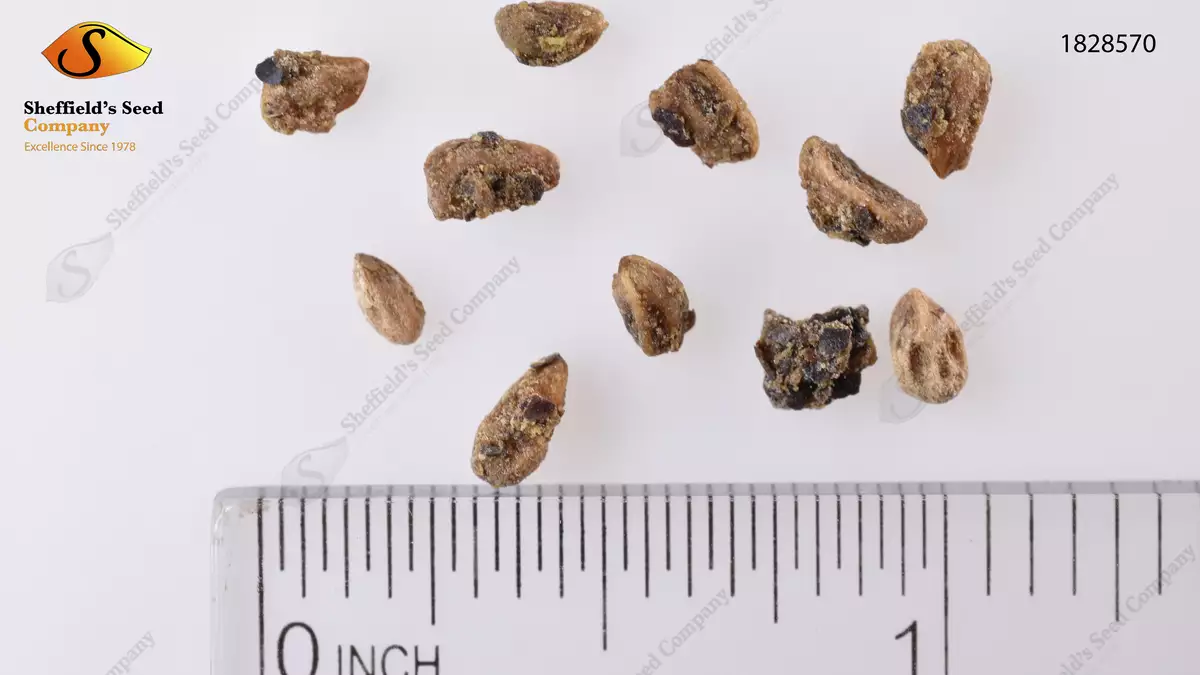
Scarification: Soak in hot tap water, let stand in water for 6 hours
Stratification: warm stratify for 90 days, cold stratify for 90 days
Germination: sow seed 1/4" deep, tamp the soil, mulch the seed bed
Other: seedlings need shade for their first year , Sporadic germination will occur over a 2-3 year period
Native to: Alabama, Alaska, Albania, Alberta, Arizona, Armenia, Austria, Azerbaijan, Belarus, Belgium, Bosnia and Herzegovina, British Columbia, Bulgaria, California, Colorado, Connecticut, Croatia, Delaware, Denmark, Estonia, Finland, France, Georgia, Germany, Greece, Greenland, Hungary, Idaho, Illinois, Indiana, Iowa, Ireland, Italy, Kentucky, Latvia, Lithuania, Maine, Manitoba, Maryland, Massachusetts, Michigan, Minnesota, Montana, Montenegro, Nebraska, Netherlands, Nevada, New Brunswick, New Hampshire, New Jersey, New York, Newfoundland, North Carolina, North Dakota, North Macedonia, Norway, Nova Scotia, Ohio, Ontario, Oregon, Pennsylvania, Poland, Prince Edward I., Québec, Rhode Island, Romania, Russia, Saskatchewan, Slovakia, Slovenia, South Carolina, South Dakota, Spain, Sweden, Switzerland, Turkey, Ukraine, United Kingdom, Utah, Vermont, Virginia, Washington, West Virginia, Wisconsin, Wyoming
Native
Introduced
Juniperus communisJuniperus communis
Common Juniper
In Stock: 6.991 lb (Total:6.991lb)
Juniperus communis
select i.*, as2.state_abbr
from inventory_item_manage i
left outer join sheffields_2017.address_states as2 on (as2.state_name = i.CollectionLocale or as2.state_abbr = i.CollectionLocale)
where i.inventory_id = '768'
group by i.id
Scarification: Soak in hot tap water, let stand in water for 6 hours
Stratification: warm stratify for 90 days, cold stratify for 90 days
Germination: sow seed 1/4" deep, tamp the soil, mulch the seed bed
Other: seedlings need shade for their first year , Sporadic germination will occur over a 2-3 year period
Native to: Alabama, Alaska, Albania, Alberta, Arizona, Armenia, Austria, Azerbaijan, Belarus, Belgium, Bosnia and Herzegovina, British Columbia, Bulgaria, California, Colorado, Connecticut, Croatia, Delaware, Denmark, Estonia, Finland, France, Georgia, Germany, Greece, Greenland, Hungary, Idaho, Illinois, Indiana, Iowa, Ireland, Italy, Kentucky, Latvia, Lithuania, Maine, Manitoba, Maryland, Massachusetts, Michigan, Minnesota, Montana, Montenegro, Nebraska, Netherlands, Nevada, New Brunswick, New Hampshire, New Jersey, New York, Newfoundland, North Carolina, North Dakota, North Macedonia, Norway, Nova Scotia, Ohio, Ontario, Oregon, Pennsylvania, Poland, Prince Edward I., Québec, Rhode Island, Romania, Russia, Saskatchewan, Slovakia, Slovenia, South Carolina, South Dakota, Spain, Sweden, Switzerland, Turkey, Ukraine, United Kingdom, Utah, Vermont, Virginia, Washington, West Virginia, Wisconsin, Wyoming
Native
Introduced
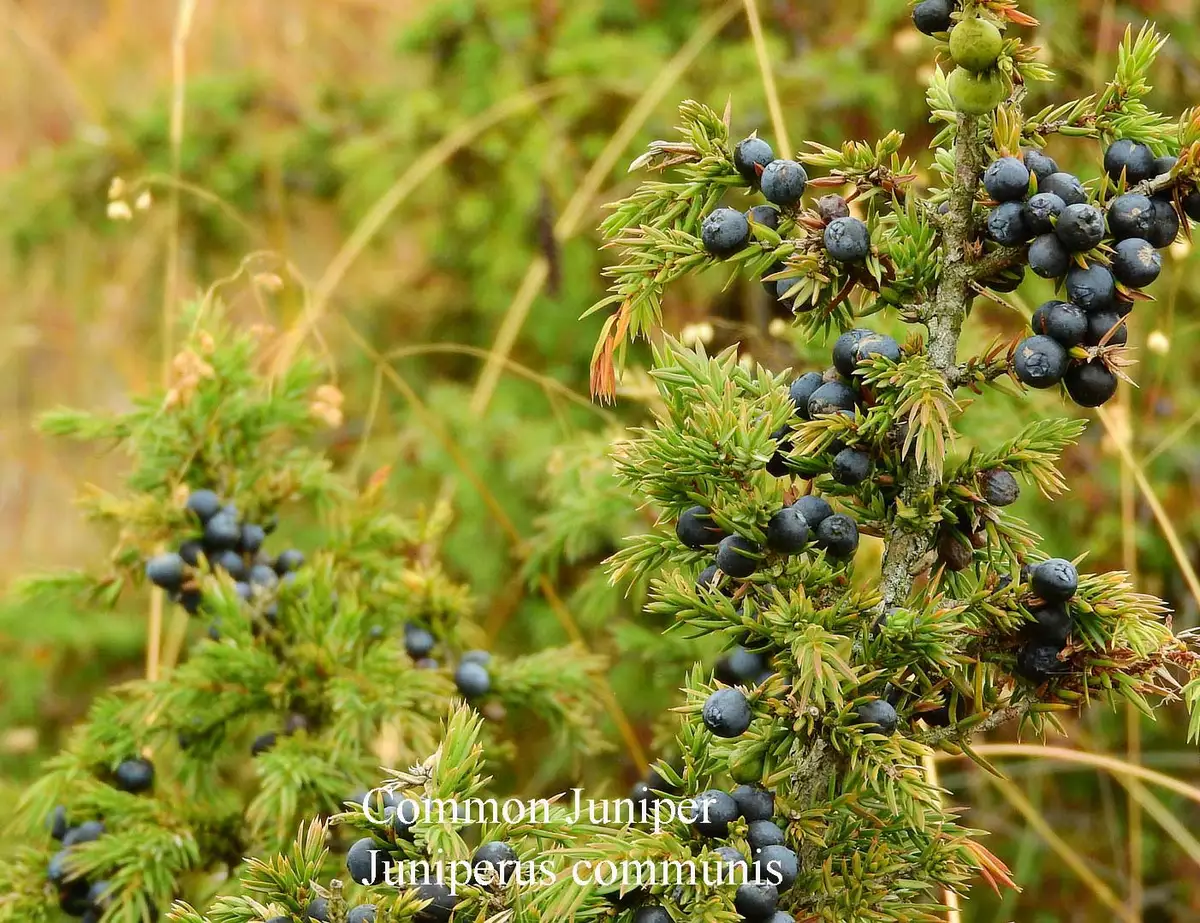
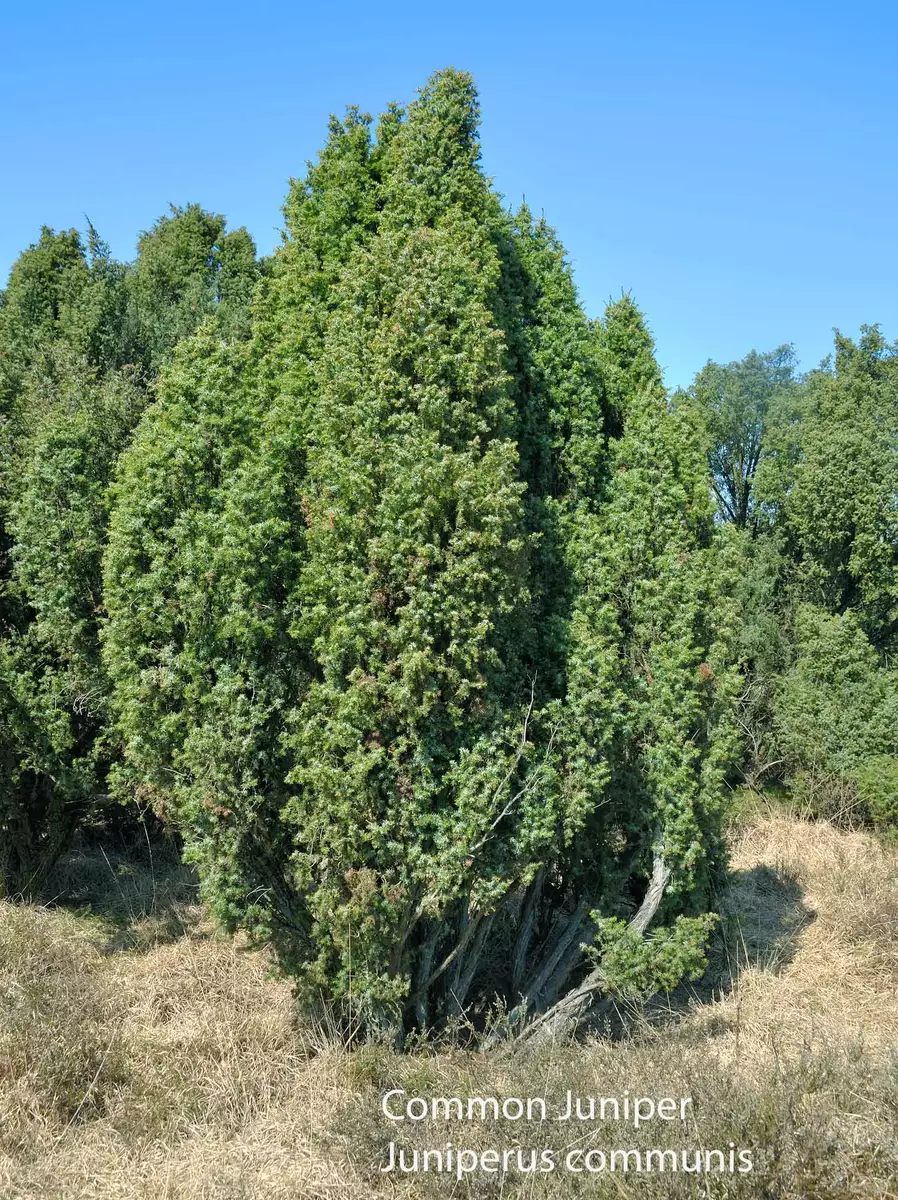
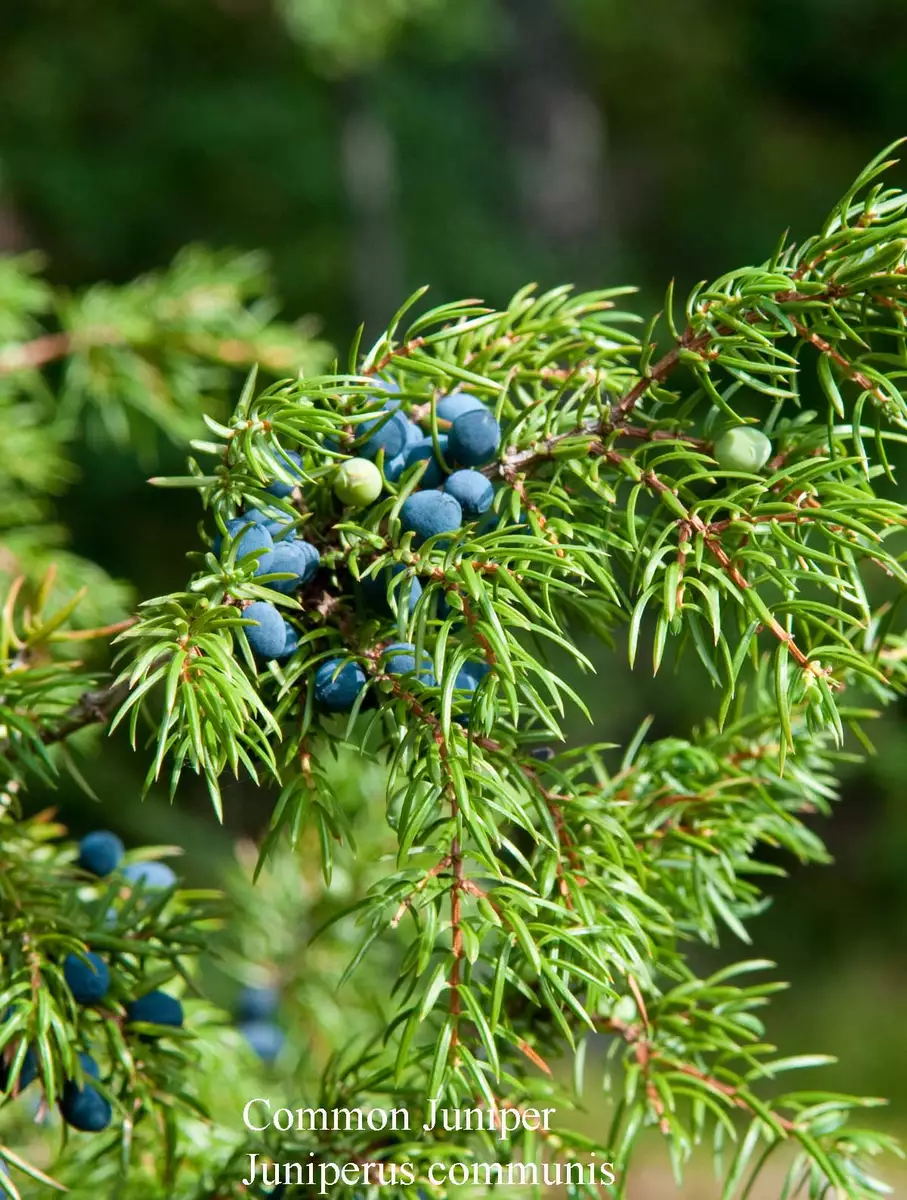
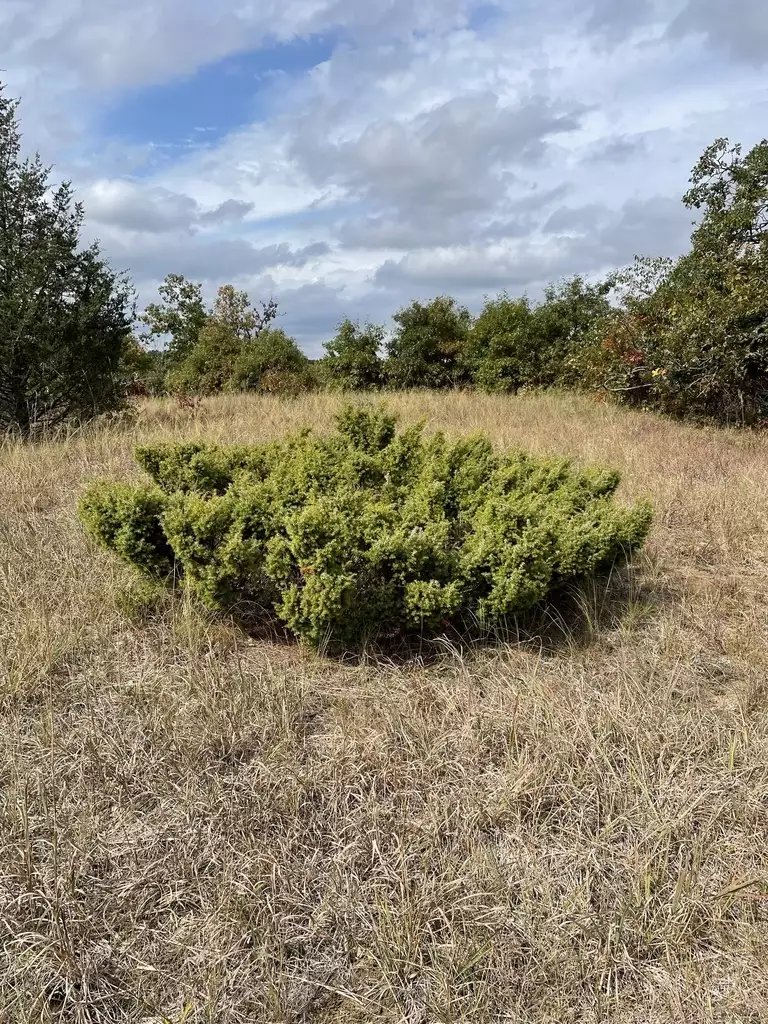
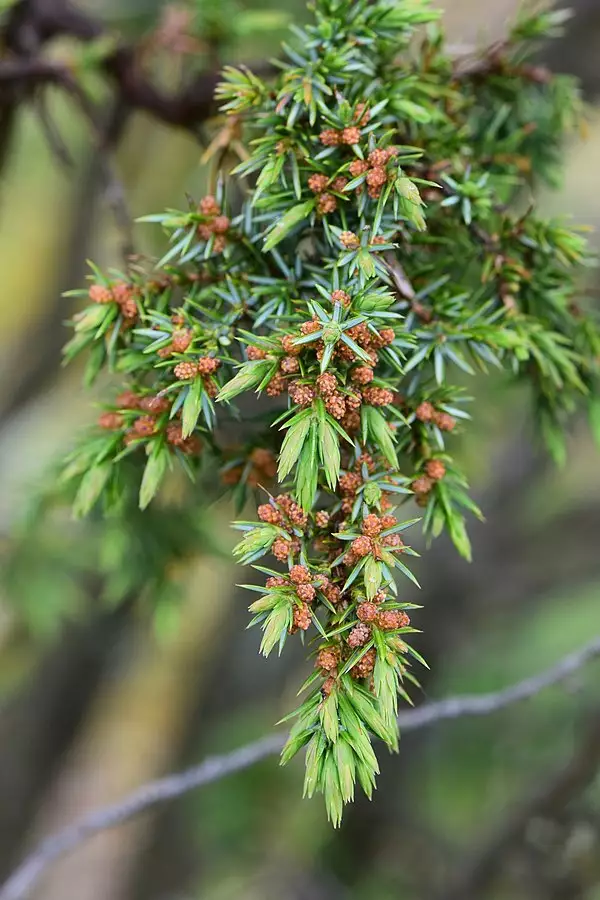
Juniperus communis, or Common Juniper, is a small coniferous evergreen tree or shrub with needle-like leaves in whorls of three, ranging from 30 ft tall to a low, prostrate spreading shrub in exposed locations. It is dioecious, with male and female cones on separate plants, which are wind pollinated. The fruit are berry-like cones, usually spherical, and initially green, ripening in 18 months to purple-black with a blue waxy coating. The seeds are dispersed when birds eat the cones, digesting the fleshy scales and passing the hard, unwinged seeds in their droppings. The plant is cultivated in the horticulture trade and used as an ornamental shrub in gardens. The astringent blue-black seed cones, commonly known as "juniper berries", are seldom eaten raw and are sold dried and used to flavor meats, sauces, stuffings, and even certain beers and gin. The leaves and stems can be boiled to create tea that is often described as having a spicy gin-like flavor. Common Juniper is widely distributed throughout the cool temperate Northern Hemisphere and is valued for a range of traditional medicines, culinary uses, and decorative craft items.