0
Close
1 / 6
2 / 6

AdobeStock

3 / 6

AdobeStock

4 / 6

AdobeStock

5 / 6

AdobeStock

Growing Info

Scarification
Scarification: Soak in water, let stand in water for 24 hours
Stratification
Stratification: cold stratify for 90 days
Germination
Germination: sow seed 1/4" deep, tamp the soil, mulch the seed bed

Native to: Europe, Northwest Africa, western Asia
Native
Introduced

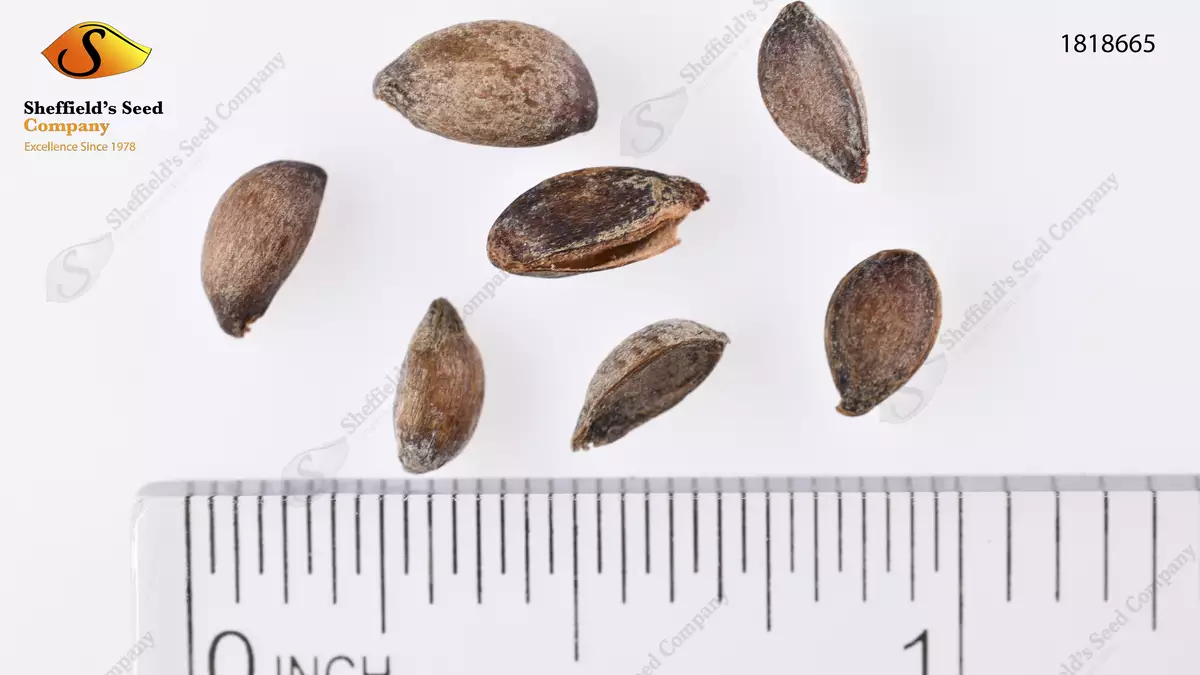
Sorbus torminalis

Checkertree, Chequer Tree, Wild Service Tree

In Stock: 0.427 lb (Total:0.427lb)
  • Sorbus torminalis

    All items have bulk rates priced in
select i.*, as2.state_abbr from inventory_item_manage i left outer join sheffields_2017.address_states as2 on (as2.state_name = i.CollectionLocale or as2.state_abbr = i.CollectionLocale) where i.inventory_id = '1397' group by i.id

Buying options

0.43 lb

Details

Germination:
98%
Germination test:
Cut (Full Seed)
Purity:
99%
Seeds per lb:
16,630
Quantity:
0.43 lb
Collected in:
Hungary
Crop year:
2012
Min. hardiness zone:
6
Item ID:
1818665

Growing Info

Scarification
Scarification: Soak in water, let stand in water for 24 hours
Stratification
Stratification: cold stratify for 90 days
Germination
Germination: sow seed 1/4" deep, tamp the soil, mulch the seed bed

Native to: Europe, Northwest Africa, western Asia
Native
Introduced
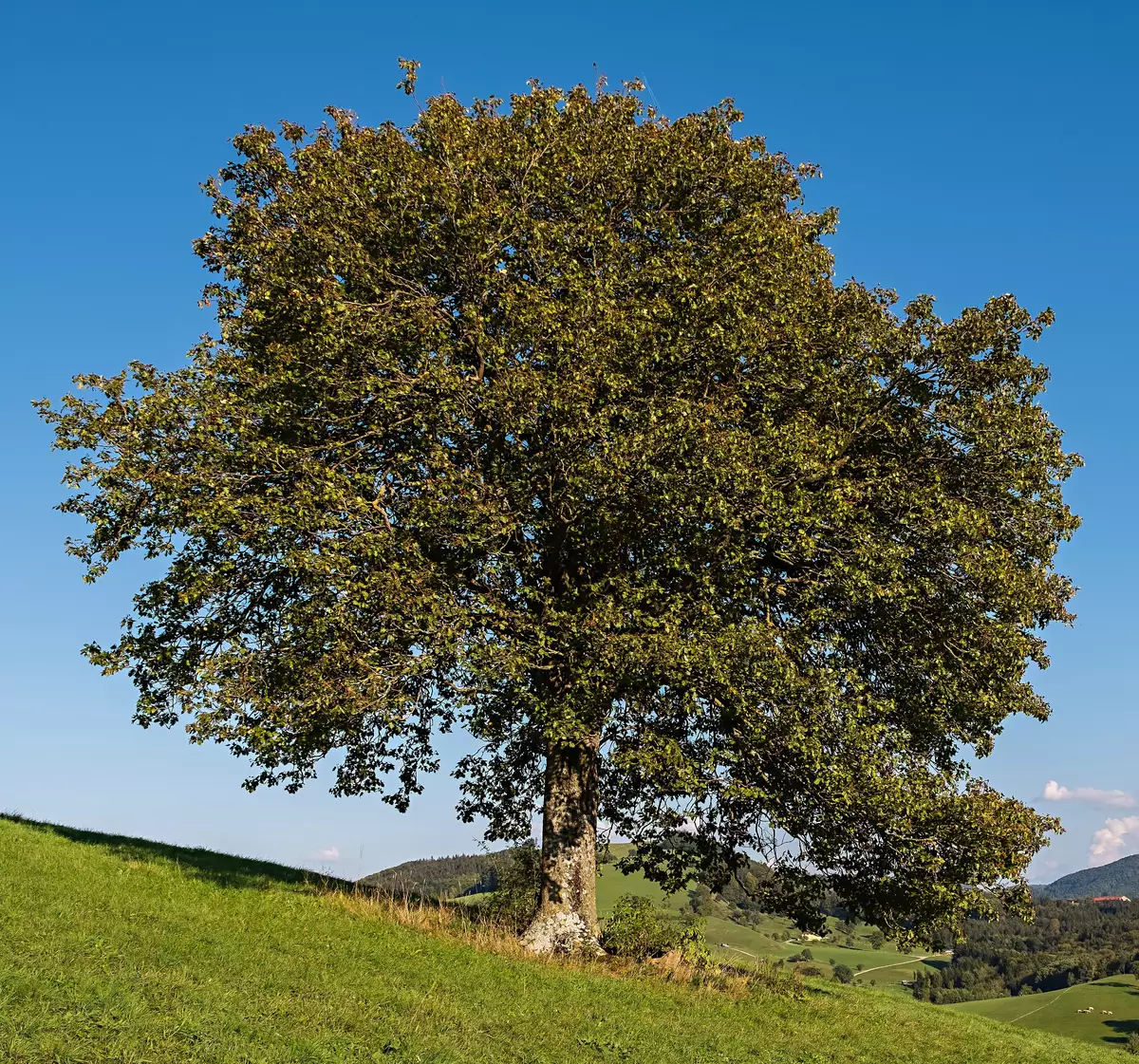
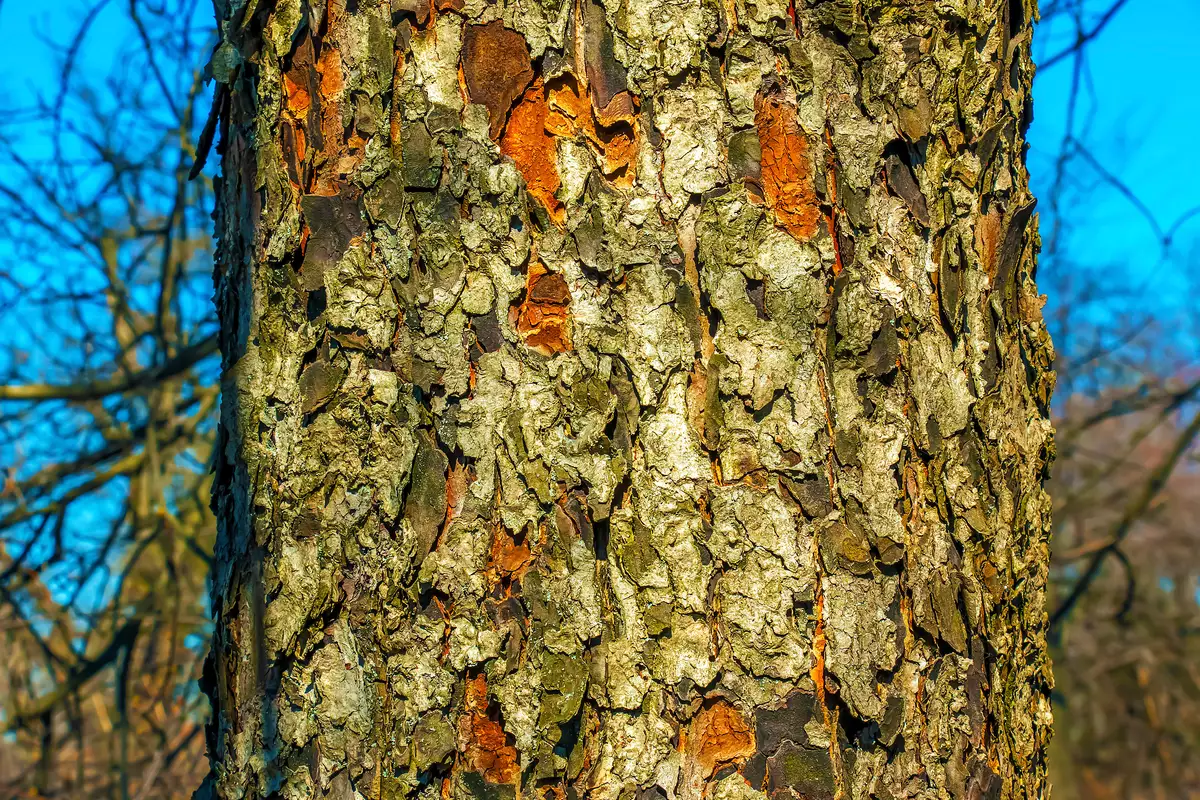
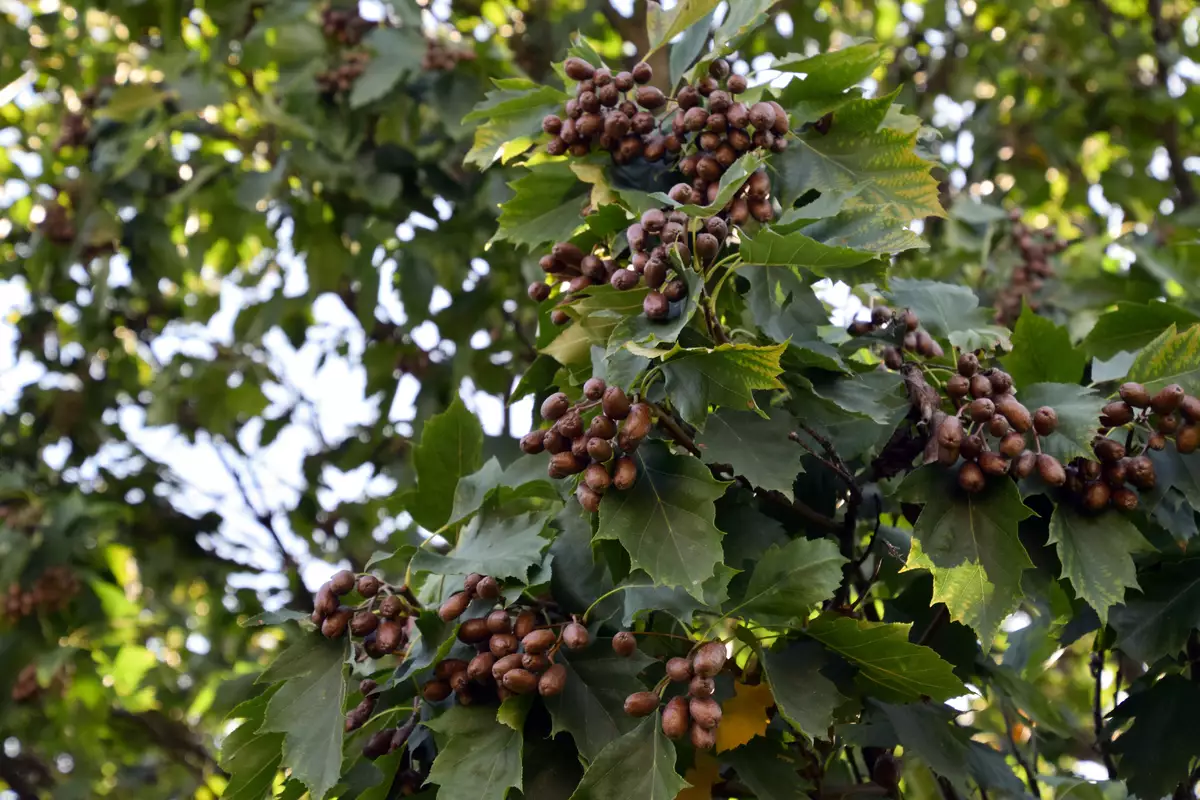
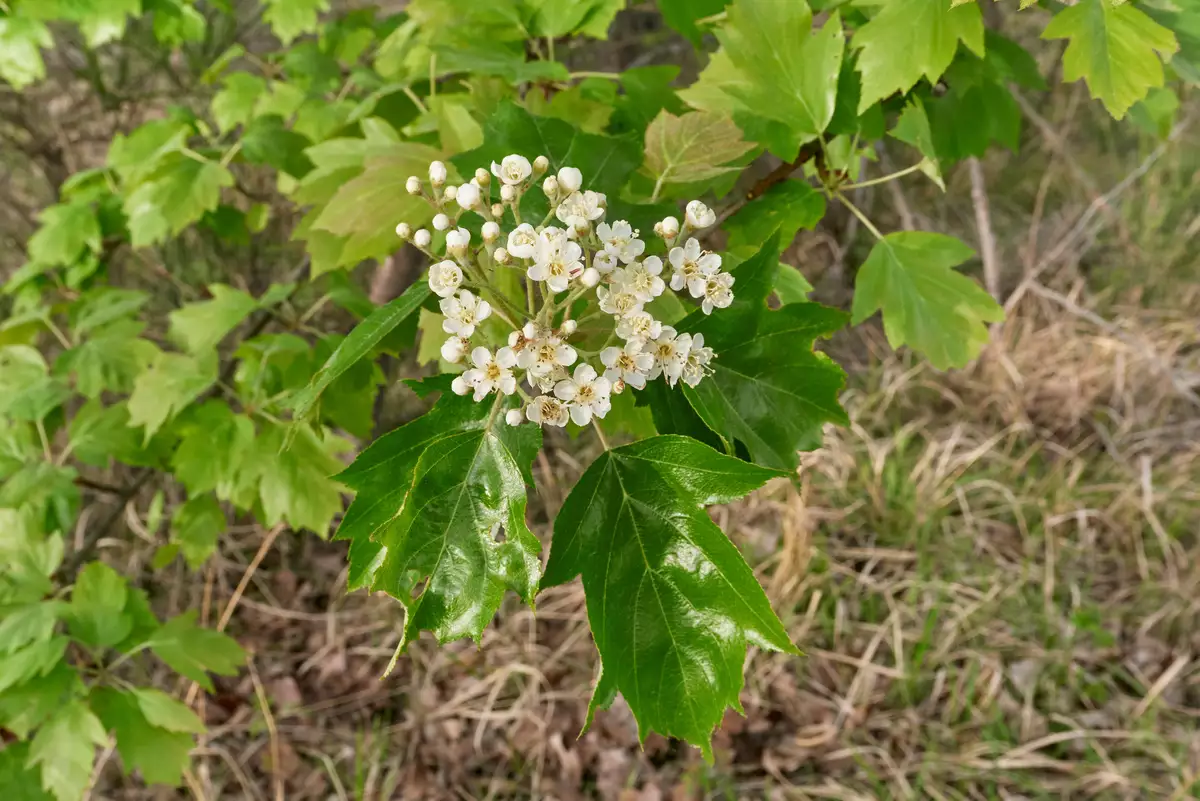
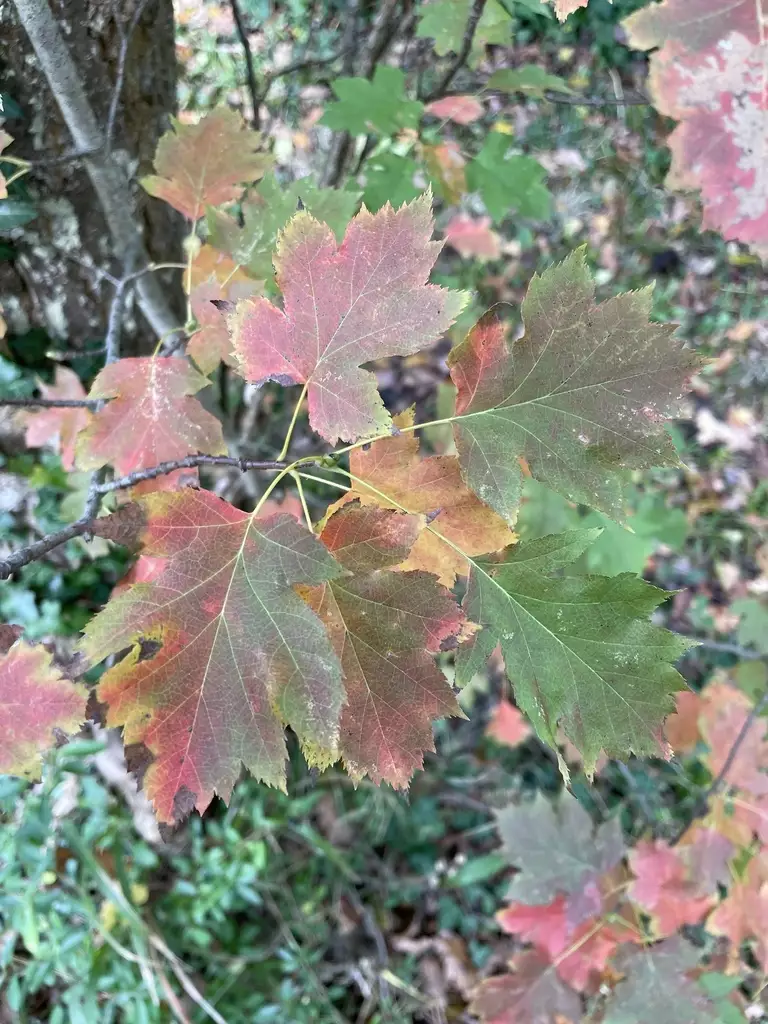
Sorbus/Aria torminalis, commonly referred to as Chequer Tree or Wild Service Tree, is a striking deciduous species within the Rosaceae family, spanning across Europe, Northwestern Africa, and Western Asia. This robust tree, reaching heights of 50 to 70 feet, offers both aesthetic and ecological benefits, characterized by its distinctive maple-like leaves and showy white flowers blossoming from May to June. Aptly suited for zones 6 to 7, the tree thrives in humusy, moderately fertile, well-drained soils under full sun to partial shade. Its bark, marked by unique square flaky plates, not only provides visual interest but also historical significance, with its fruits being used in ancient beer brewing. The edible (must be overripe and bletted first), berry-like fruits, which transition from greenish to brown by autumn, are enriched with lenticel spots, adding to their visual allure. As fall approaches, leaves metamorphose into warm hues of yellow, orange, and red, enhancing its appeal as a garden ornamental. Beyond aesthetic value, the tree supports diverse wildlife; its fruits are a delight for birds, while various insects find home within its structure. With a rich history in traditional medicine, Chequer Tree is an asset to landscapes seeking a blend of heritage, beauty, and ecological responsibility. Suitable as a striking lawn specimen in cooler northern realms, it promises enduring allure across seasons.

You might also like

Ginkgo biloba

Ginkgo biloba

Ginkgo, Maidenhair Tree

Larix decidua

Larix decidua

European Larch

Malus sylvestris

Malus sylvestris

European Crab Apple, European Wild Apple

Sorbus aucuparia

Sorbus aucuparia

European Mountain Ash

(315) 497-1058
269 NY-34 Locke NY 13092
seed@sheffields.com

HOME - logo

Find us on: