0


Close
1 / 6
2 / 6
3 / 6
5 / 6
6 / 6

Growing Info

Scarification
Scarification: Soak in water, let stand in water for 24 hours
Stratification
Stratification: warm stratify for 60 days, cold stratify for 90 days
Germination
Germination: can be sown outdoors in the fall for spring germination, sow seed 1/4" deep, tamp the soil, keep moist, mulch the seed bed

Native to: Eastern United States, North America, United States
Native
Introduced

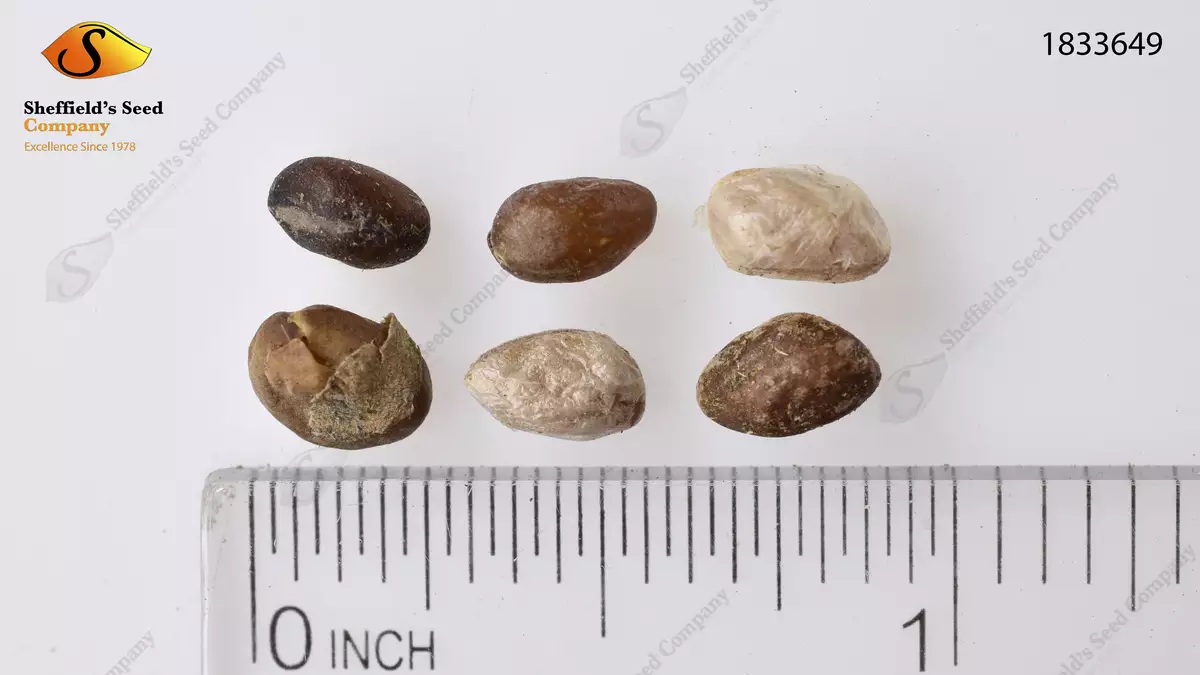
Euonymus atropurpureus

Eastern Wahoo, Indian Arrow Wood, Wahoo

  • Euonymus atropurpureus

Please select the quantity desired, and we will advise availability and price as soon as possible.

Details

Min. hardiness zone:
3

Growing Info

Scarification
Scarification: Soak in water, let stand in water for 24 hours
Stratification
Stratification: warm stratify for 60 days, cold stratify for 90 days
Germination
Germination: can be sown outdoors in the fall for spring germination, sow seed 1/4" deep, tamp the soil, keep moist, mulch the seed bed

Native to: Eastern United States, North America, United States
Native
Introduced
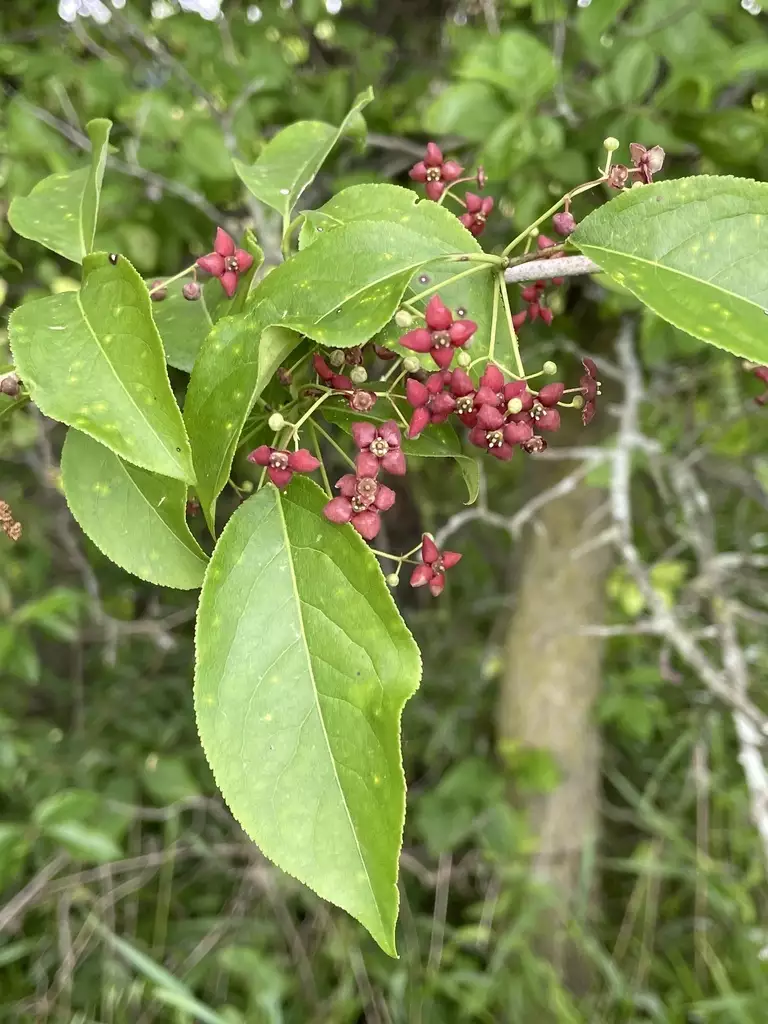
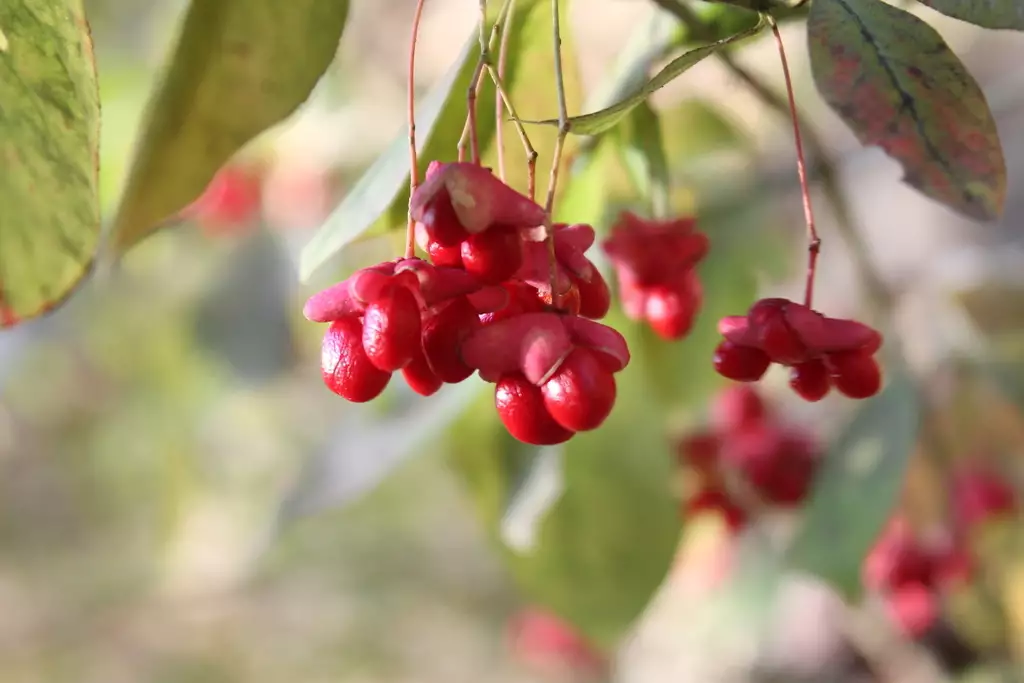
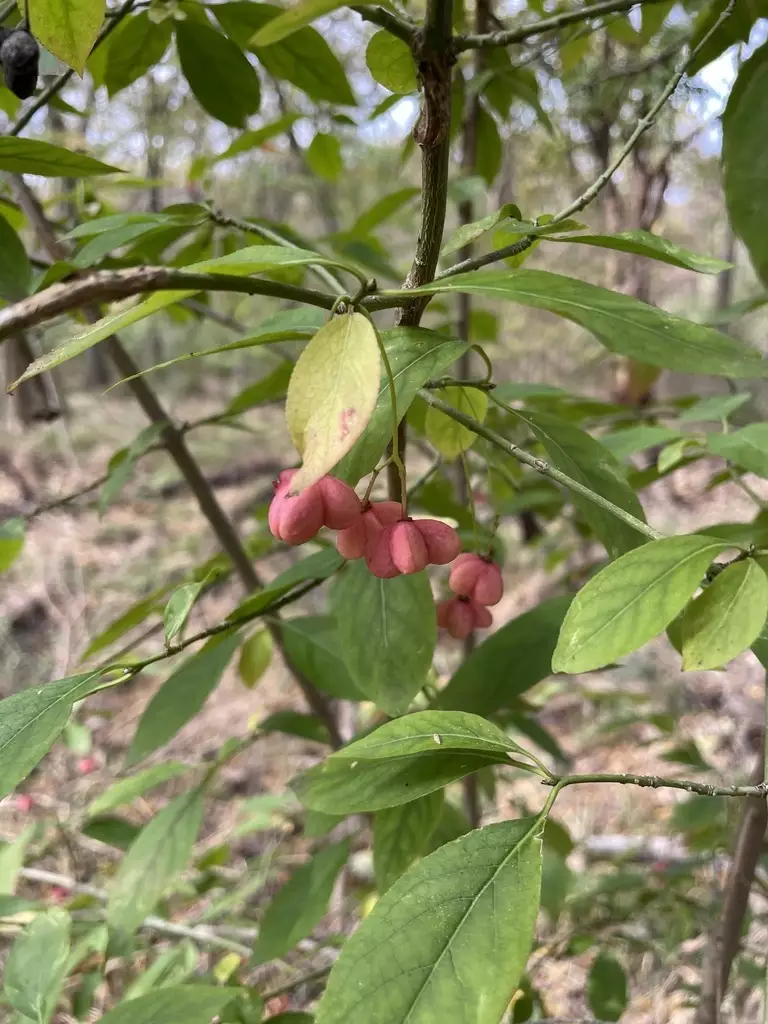
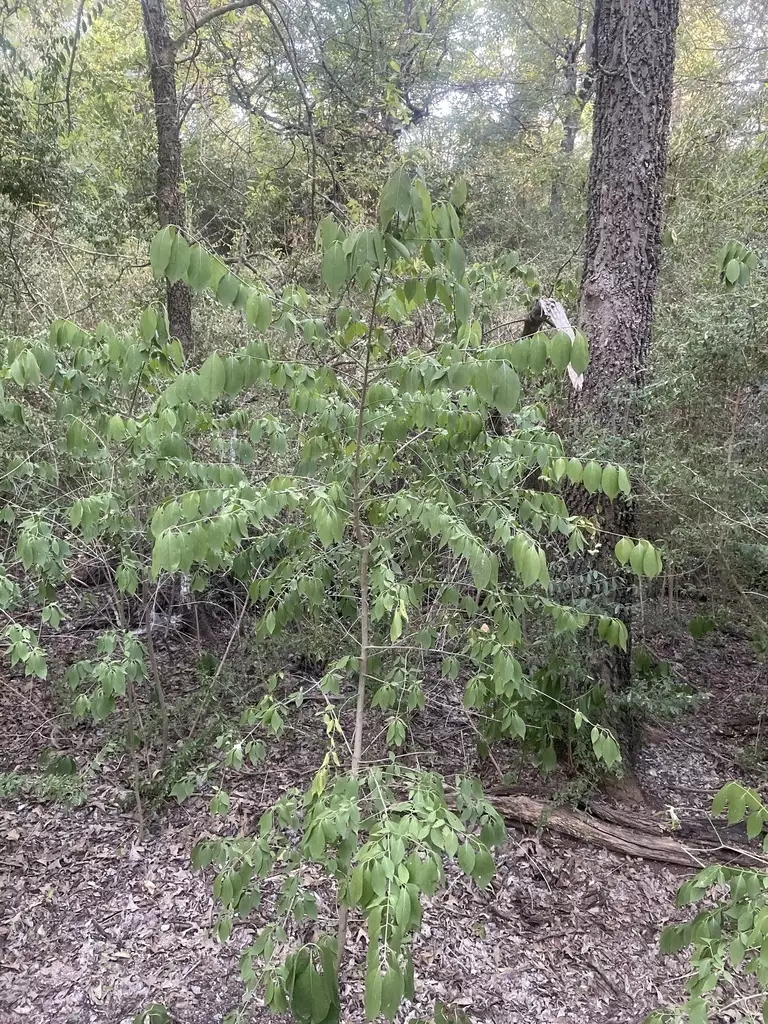
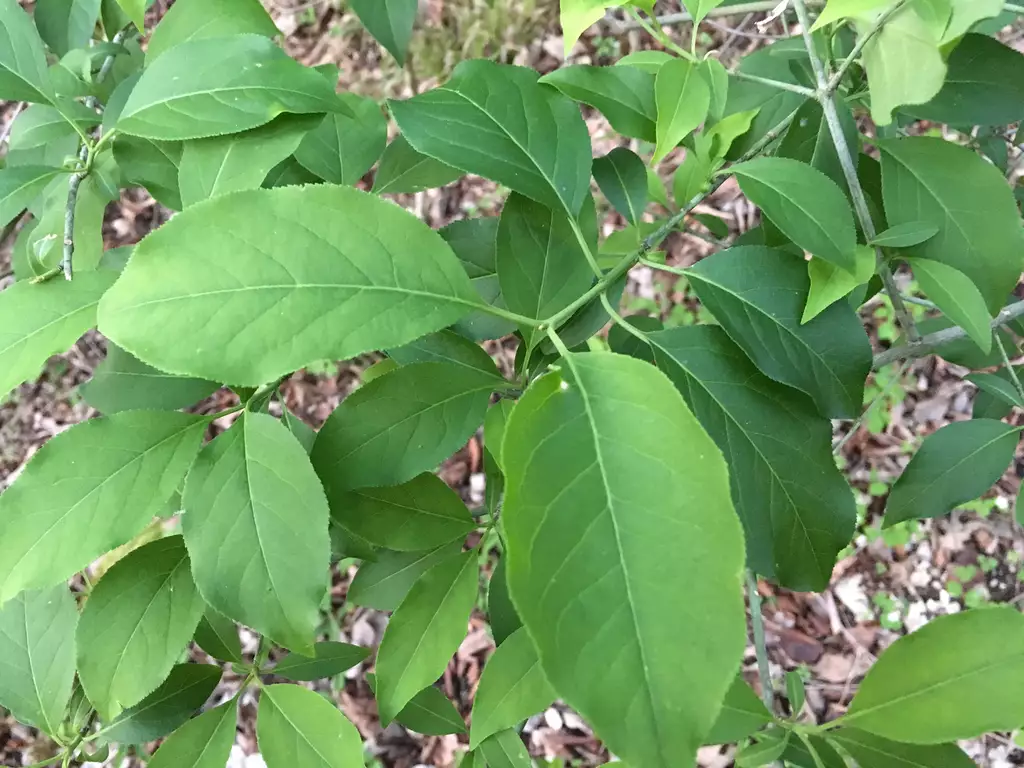
Discover the enchanting Euonymus atropurpureus, affectionately known as Eastern Wahoo or Indian Arrow Wood, a captivating deciduous shrub that adds a burst of color and charm to your landscape. Native to Eastern North America, this remarkable plant flourishes in USDA Zones 3 to 7, reaching an impressive height of 12 to 20 feet with a spread of 15 to 25 feet. Eastern Wahoo’s allure lies in its vibrant display. As summer unfolds, dark purple flowers emerge in June, although its true splendor shines in the fall. The leaves transform to a striking shade of red while showcasing showy, scarlet-red fruit that entices birds and other wildlife. Notably adaptable, Eastern Wahoo thrives in average, medium, well-drained soil under full sun to part shade, and can tolerate a wide range of soil types, including the presence of black walnut. Ideal for rain gardens, woodland settings, and informal hedges, Eastern Wahoo stands as an excellent native alternative to invasive Burning Bush counterparts. While its parts are poisonous if ingested, its beauty is invaluable, making it a wonderful addition to bird and native plant gardens. Protect it from scale and deer for optimal growth and enjoy the stunning visual and ecological benefits this native treasure provides.

You might also like

Papaver somniferum

Papaver somniferum

Opium Poppy

Sequoia sempervirens

Sequoia sempervirens

California Redwood, Coast Redwood, Redwood

Sequoiadendron giganteum

Sequoiadendron giganteum

Bigtree, Giant Sequoia, Sierra Redwood, Sierran Redwood, Wellingtonia

Vaccinium corymbosum

Vaccinium corymbosum

Highbush Blueberry

(315) 497-1058
269 NY-34 Locke NY 13092
seed@sheffields.com

HOME - logo

Find us on: