0


Close
1 / 6
2 / 6

AdobeStock

3 / 6

AdobeStock

4 / 6

AdobeStock

5 / 6

Growing Info

Scarification
Scarification: Soak in hot tap water, let stand in water for 24 hours
Stratification
Stratification: cold stratify for 60 days
Germination
Germination: sow seed 3/4" deep, tamp the soil, mulch the seed bed

Native to: Assam, China South-Central, China Southeast, East Himalaya, Hainan, Laos, Myanmar, Thailand, Vietnam
Introduced to: Andaman Is., Argentina Northeast, Bangladesh, Bolivia, Borneo, Cambodia, China North-Central, Ethiopia, Guinea, Gulf of Guinea Is., Japan, Korea, Mauritius, Nepal, Réunion, Seychelles, Sri Lanka, Tibet, Trinidad-Tobago, Turkey
Native
Introduced

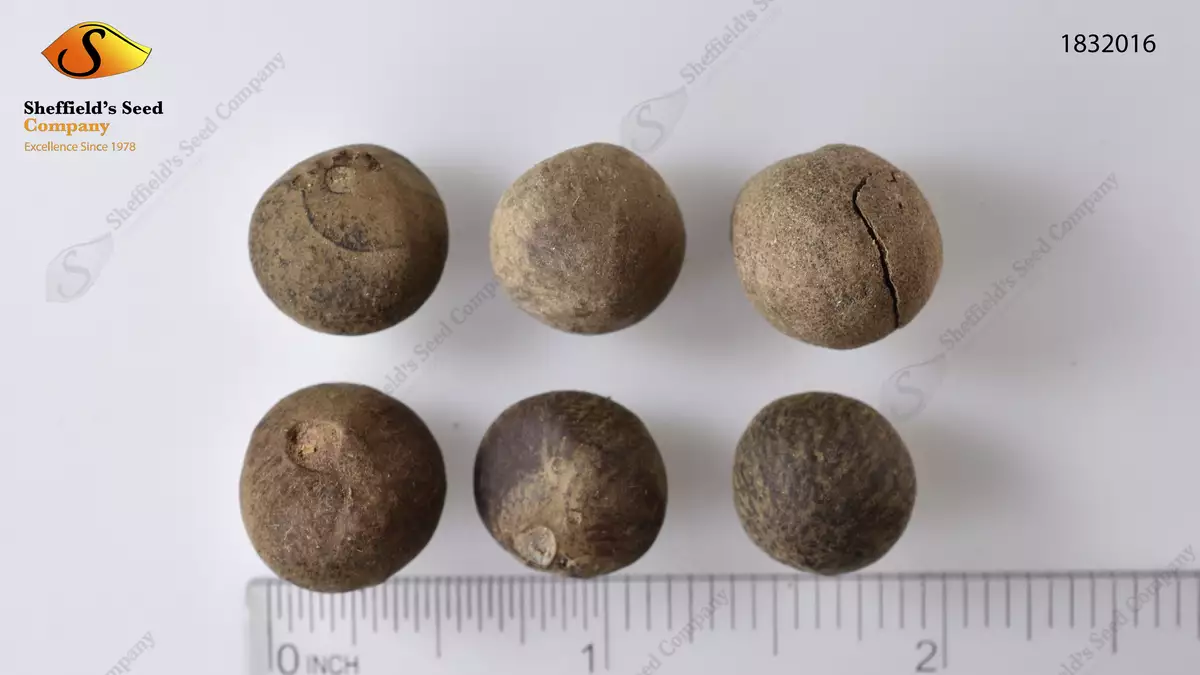
Camellia sinensis

Tea, Tea Plant

  • Camellia sinensis

Please select the quantity desired, and we will advise availability and price as soon as possible.

Details

Min. hardiness zone:
7

Growing Info

Scarification
Scarification: Soak in hot tap water, let stand in water for 24 hours
Stratification
Stratification: cold stratify for 60 days
Germination
Germination: sow seed 3/4" deep, tamp the soil, mulch the seed bed

Native to: Assam, China South-Central, China Southeast, East Himalaya, Hainan, Laos, Myanmar, Thailand, Vietnam
Introduced to: Andaman Is., Argentina Northeast, Bangladesh, Bolivia, Borneo, Cambodia, China North-Central, Ethiopia, Guinea, Gulf of Guinea Is., Japan, Korea, Mauritius, Nepal, Réunion, Seychelles, Sri Lanka, Tibet, Trinidad-Tobago, Turkey
Native
Introduced
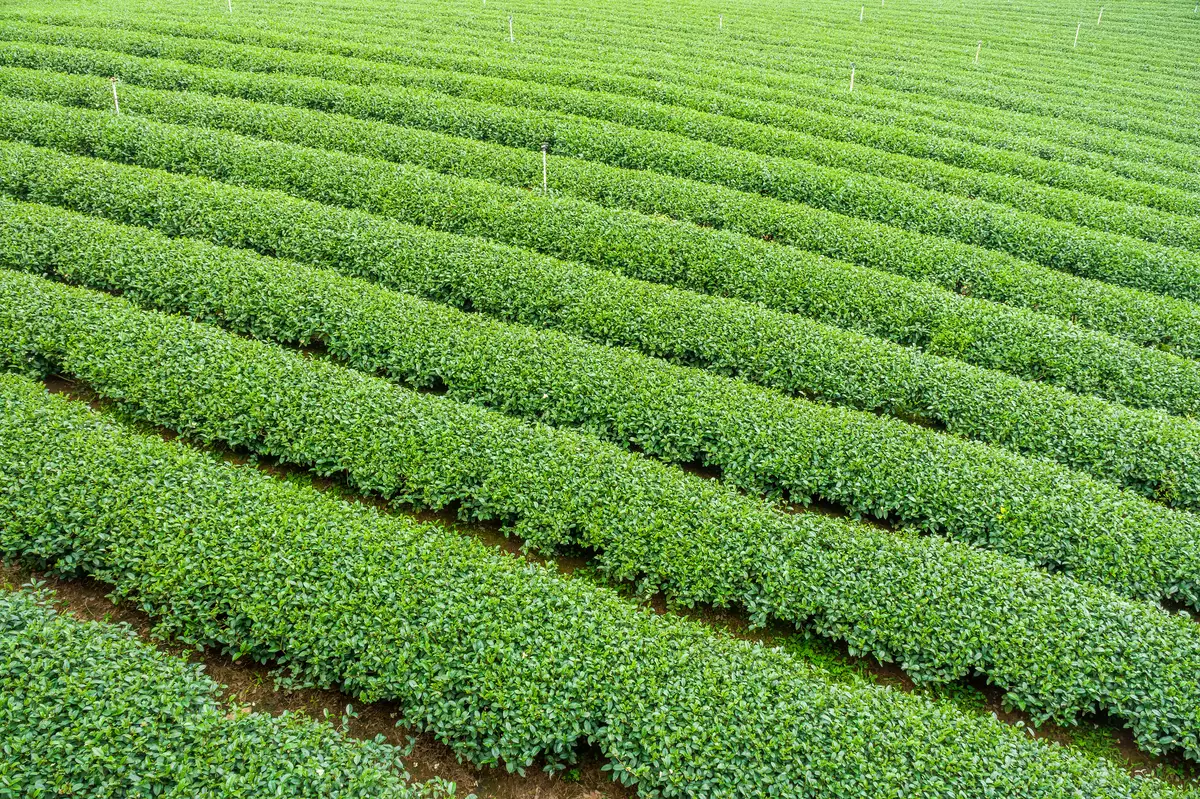
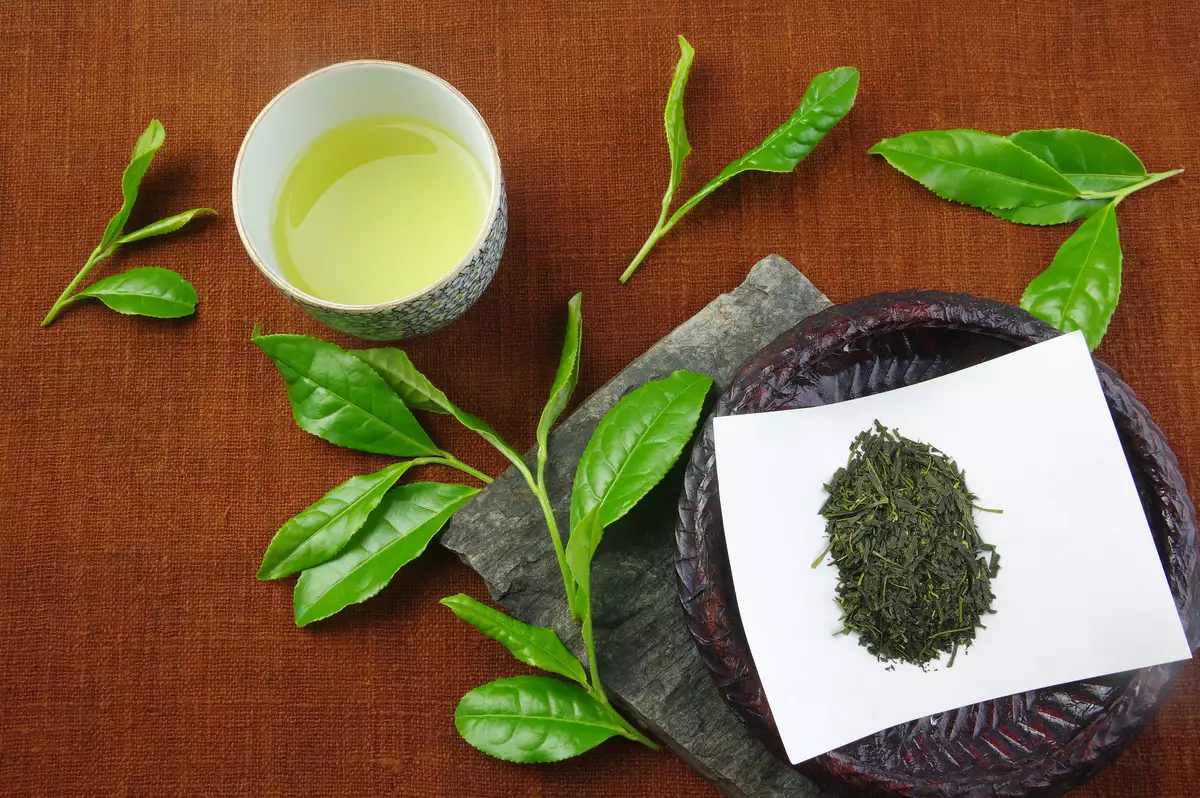
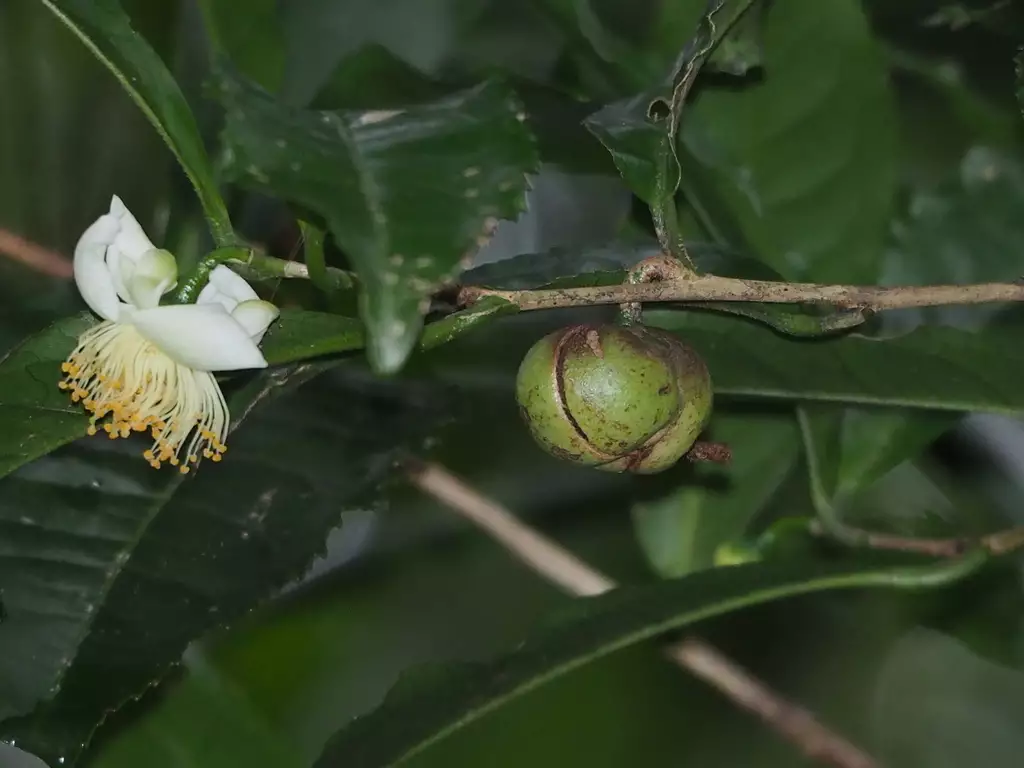
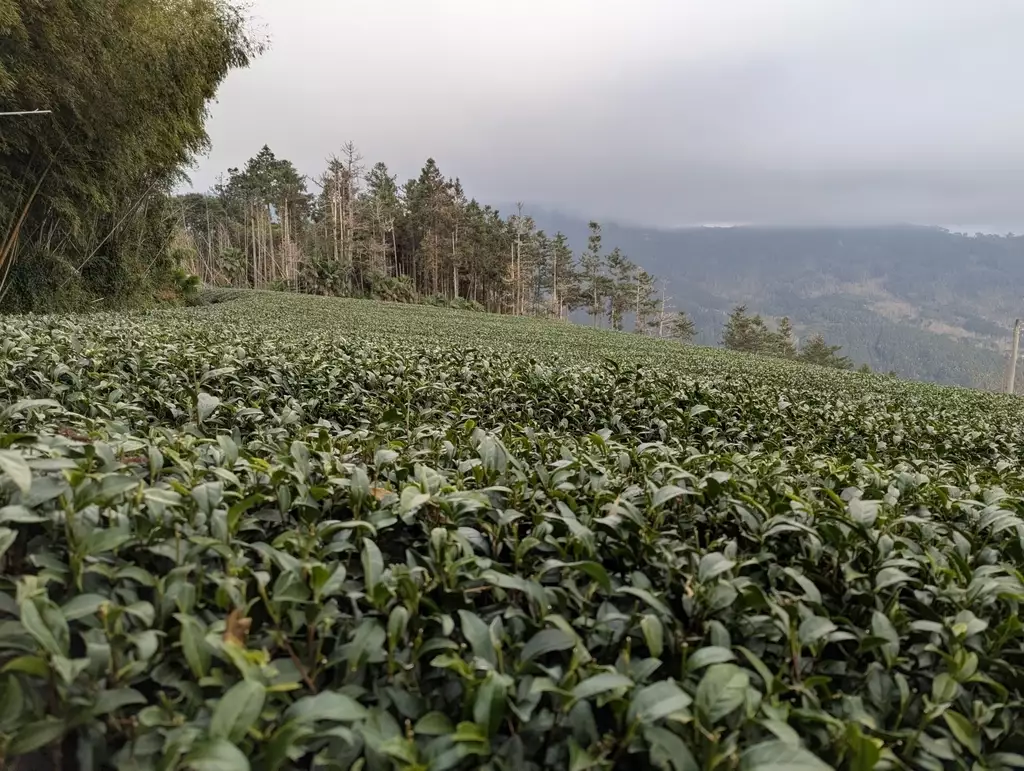
Discover the exceptional qualities of Camellia sinensis (Tea Plant), the most widely cultivated Camellia globally, renowned for its role in producing a diverse array of caffeinated teas. As an evergreen shrub or small tree, this vibrant plant is harvested as new leaves emerge each early spring. Through various processing techniques, these leaves transform into the beloved white, green, oolong, and black teas. Only the smaller, young leaves and leaf buds are utilized for green tea, whereas the larger, mature leaves impart their flavor to oolong and black teas, and the delicate buds are reserved for white tea.

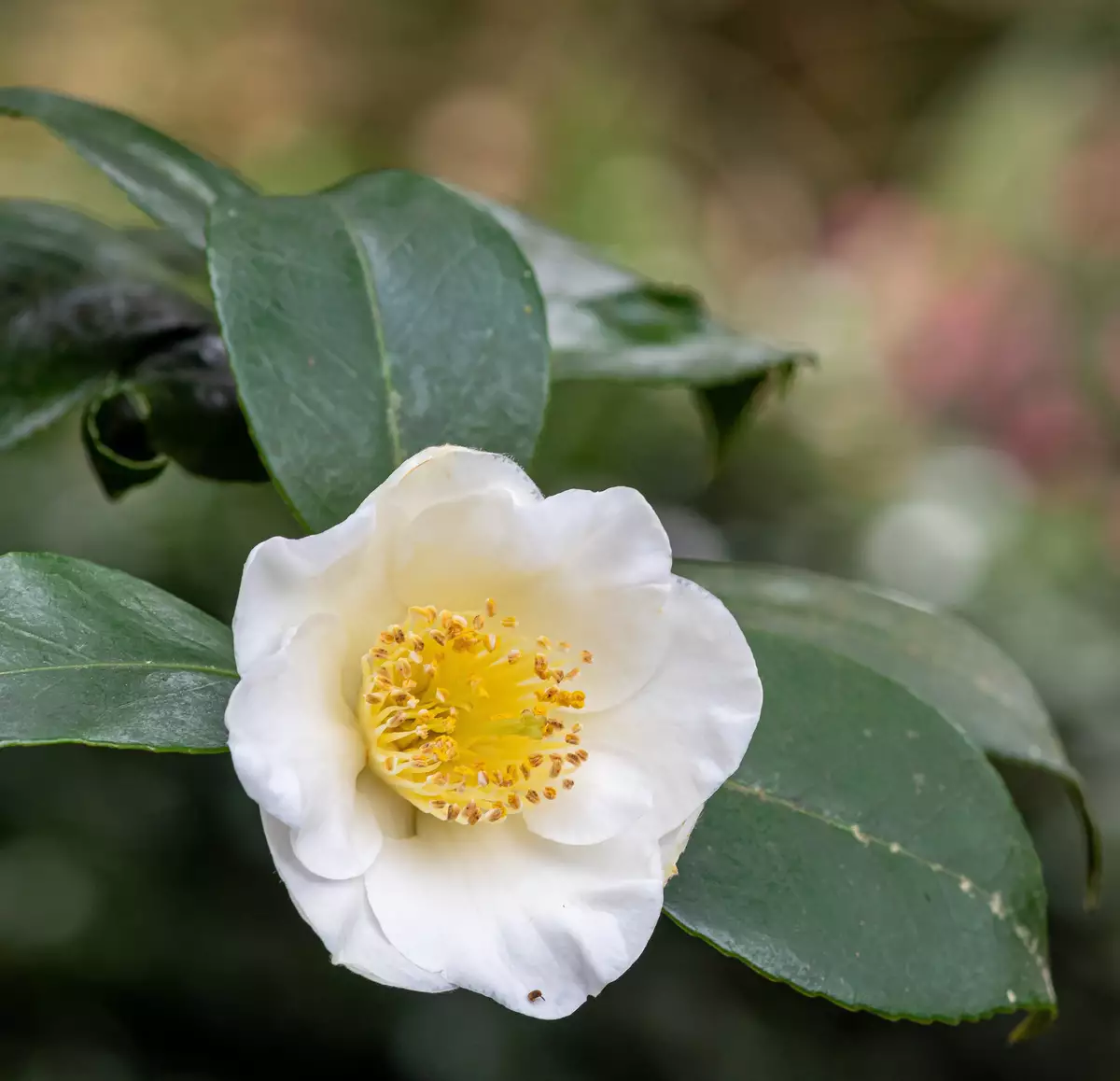
This slow-growing, easily maintained plant is distinct in its heat and drought tolerance, thriving even in full sun. Its attractive, dense, dark-green foliage and occasional blooms make it an ideal choice for screening, foundation planting, or as a patio or container plant. For optimal tea production, prune to a height of 4-5 feet just before the spring surge. Enjoy the added benefit of bee attraction and mild resistance to deer damage, enhancing both your garden and tea-drinking experience.

You might also like

Papaver somniferum

Papaver somniferum

Opium Poppy

Sequoia sempervirens

Sequoia sempervirens

California Redwood, Coast Redwood, Redwood

Sequoiadendron giganteum

Sequoiadendron giganteum

Bigtree, Giant Sequoia, Sierra Redwood, Sierran Redwood, Wellingtonia

Vaccinium corymbosum

Vaccinium corymbosum

Highbush Blueberry

(315) 497-1058
269 NY-34 Locke NY 13092
seed@sheffields.com

HOME - logo

Find us on: