Scarification: Soak in hot tap water, let stand in water for 12 hours. If the seed fails to imbibe, boiling water may be required.
Stratification: cold stratify for 90 days
Germination: sow seed 1/8" deep , tamp the soil, mulch the seed bed
Other: **This is generally regarded as the most potent of the North American urushiol plants, so very toxic, wear gloves when handling the seed and keep away from small children and animals**
Native to: Alabama, Connecticut, Delaware, Florida, Georgia, Illinois, Indiana, Kentucky, Louisiana, Maine, Maryland, Massachusetts, Michigan, Minnesota, Mississippi, New Hampshire, New Jersey, New York, North Carolina, Nova Scotia, Ohio, Ontario, Pennsylvania, Rhode Island, Tennessee, Texas, Vermont, Virginia, West Virginia, Wisconsin
Native
Introduced
Toxicodendron vernixToxicodendron vernix
Poison Sumac
**This is generally regarded as the most potent of the North American urushiol plants, so very toxic, wear gloves when handling the seed and keep away from small children and animals**
Toxicodendron vernix
Please select the quantity desired, and we will advise availability and price as soon as possible.
Scarification: Soak in hot tap water, let stand in water for 12 hours. If the seed fails to imbibe, boiling water may be required.
Stratification: cold stratify for 90 days
Germination: sow seed 1/8" deep , tamp the soil, mulch the seed bed
Other: **This is generally regarded as the most potent of the North American urushiol plants, so very toxic, wear gloves when handling the seed and keep away from small children and animals**
Native to: Alabama, Connecticut, Delaware, Florida, Georgia, Illinois, Indiana, Kentucky, Louisiana, Maine, Maryland, Massachusetts, Michigan, Minnesota, Mississippi, New Hampshire, New Jersey, New York, North Carolina, Nova Scotia, Ohio, Ontario, Pennsylvania, Rhode Island, Tennessee, Texas, Vermont, Virginia, West Virginia, Wisconsin
Native
Introduced
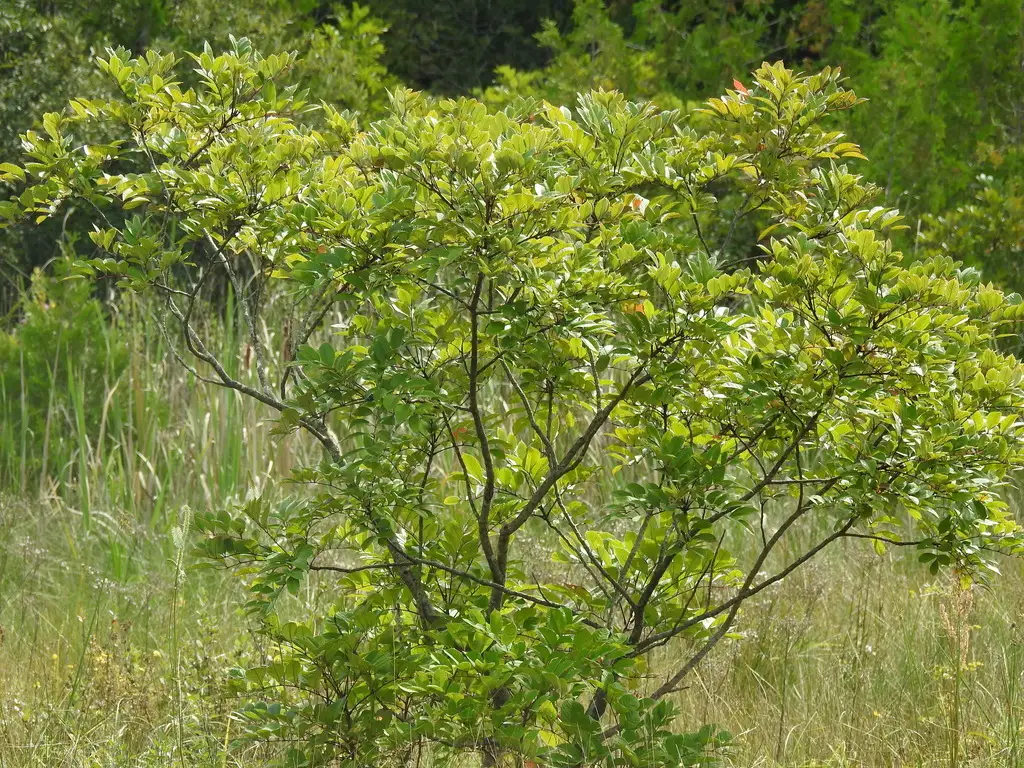
Discover the intriguing world of Toxicodendron vernix, commonly known as Poison Sumac. This native woody shrub or small tree hails from the Anacardiaceae family, and is found in the wetland regions of eastern Canada and the eastern United States. Thriving in bogs, marshes, and swamps, this unique plant prefers acidic soil and thrives under full to partial sunlight, growing up to 30 feet tall.
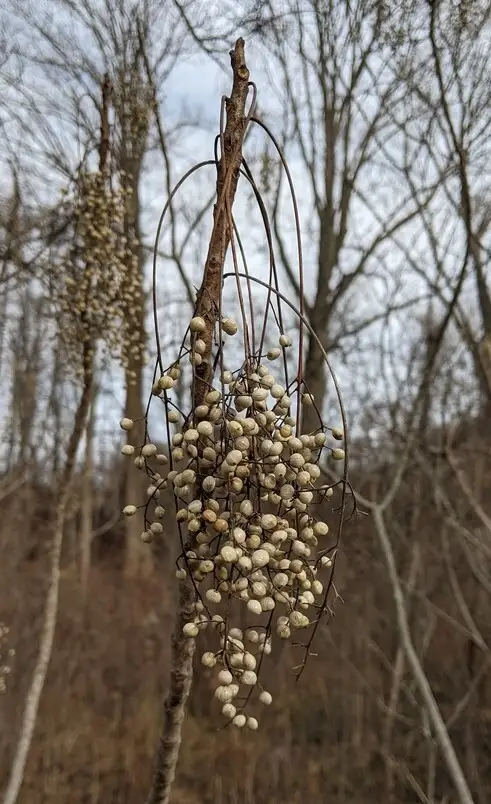
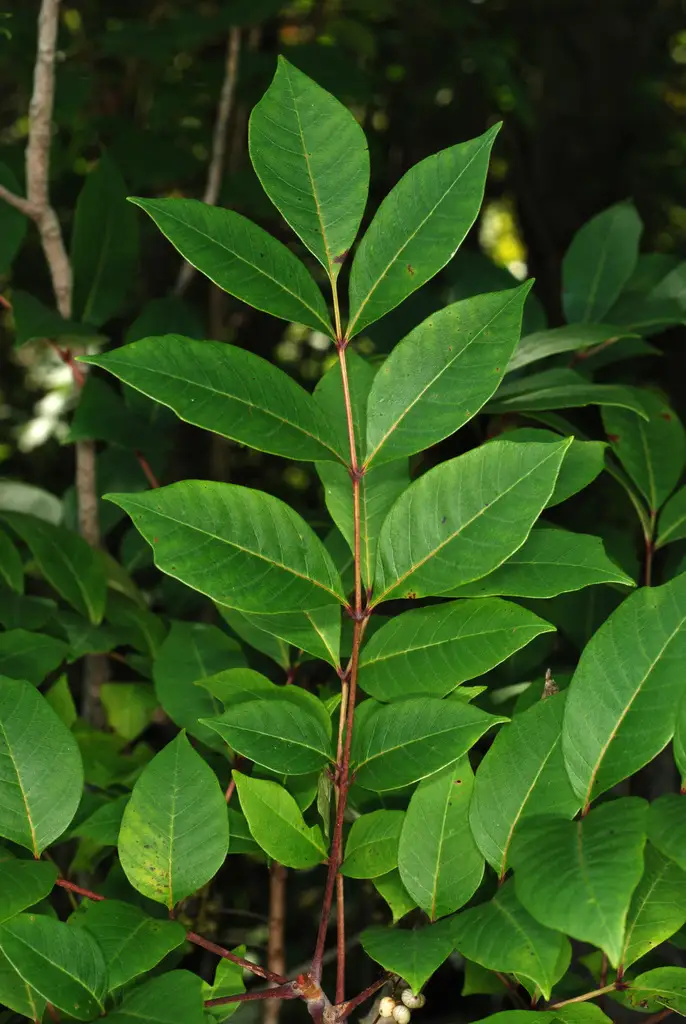
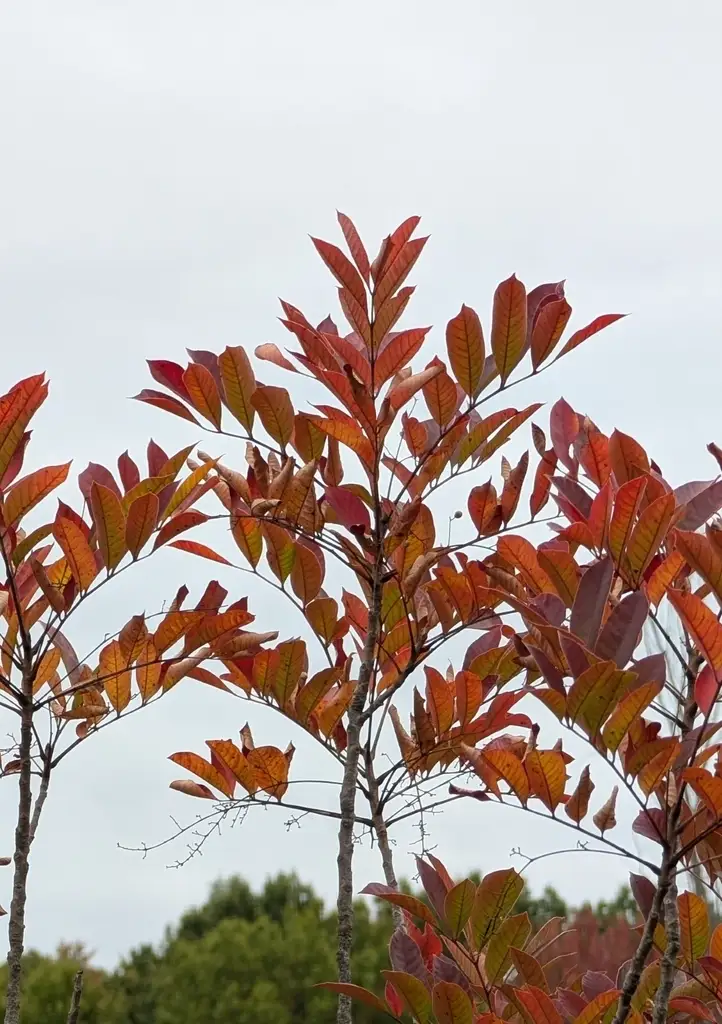
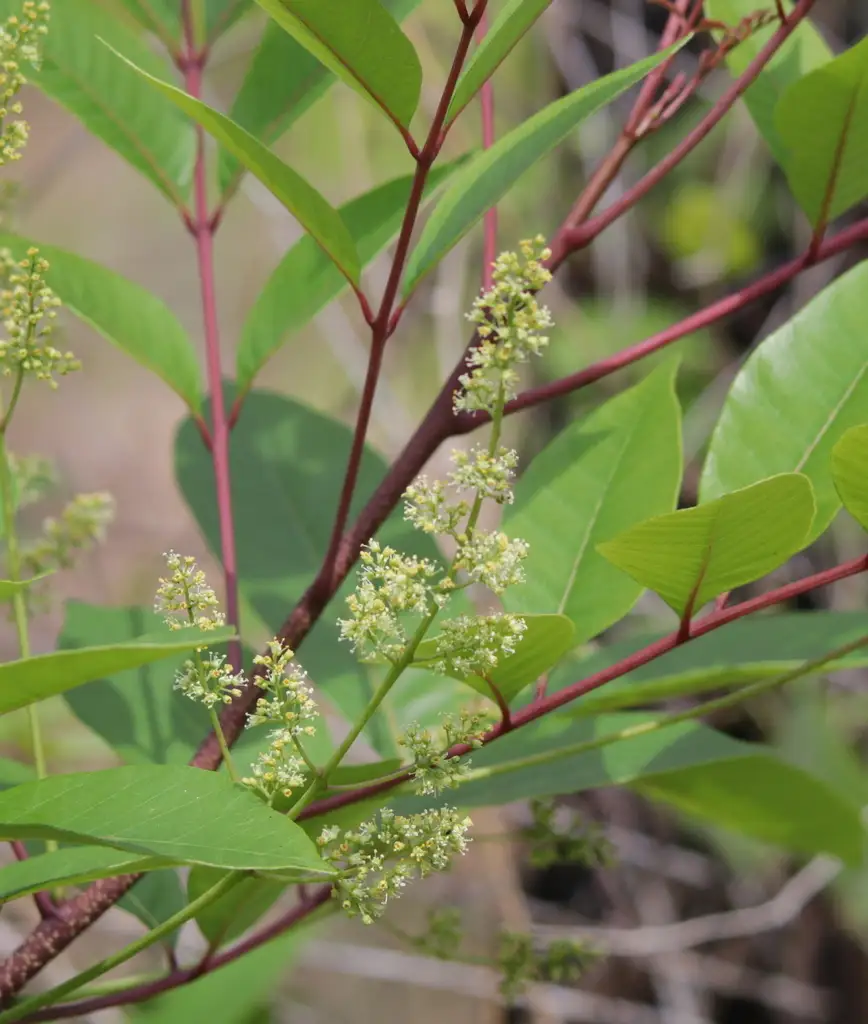
The allure of Poison Sumac lies in its striking features; its compound leaves with 7-13 leaflets are dark green throughout the year, turning a vibrant orangish-red in the fall. Its smooth, gray bark and rich red stems create a picturesque scene in its natural habitat. Birds are drawn to its greenish-yellow flowers and creamy white drupes, which serve as a vital food source during scarce winter months.
While fascinating, this plant is not for gardens. Poison Sumac contains urushiol, a toxic resin that can cause severe skin irritation and even fatal respiratory issues if its smoke is inhaled. Protective measures are essential when encountering this plant. Admire its beauty from a distance, and explore the natural habitats where it can truly flourish.