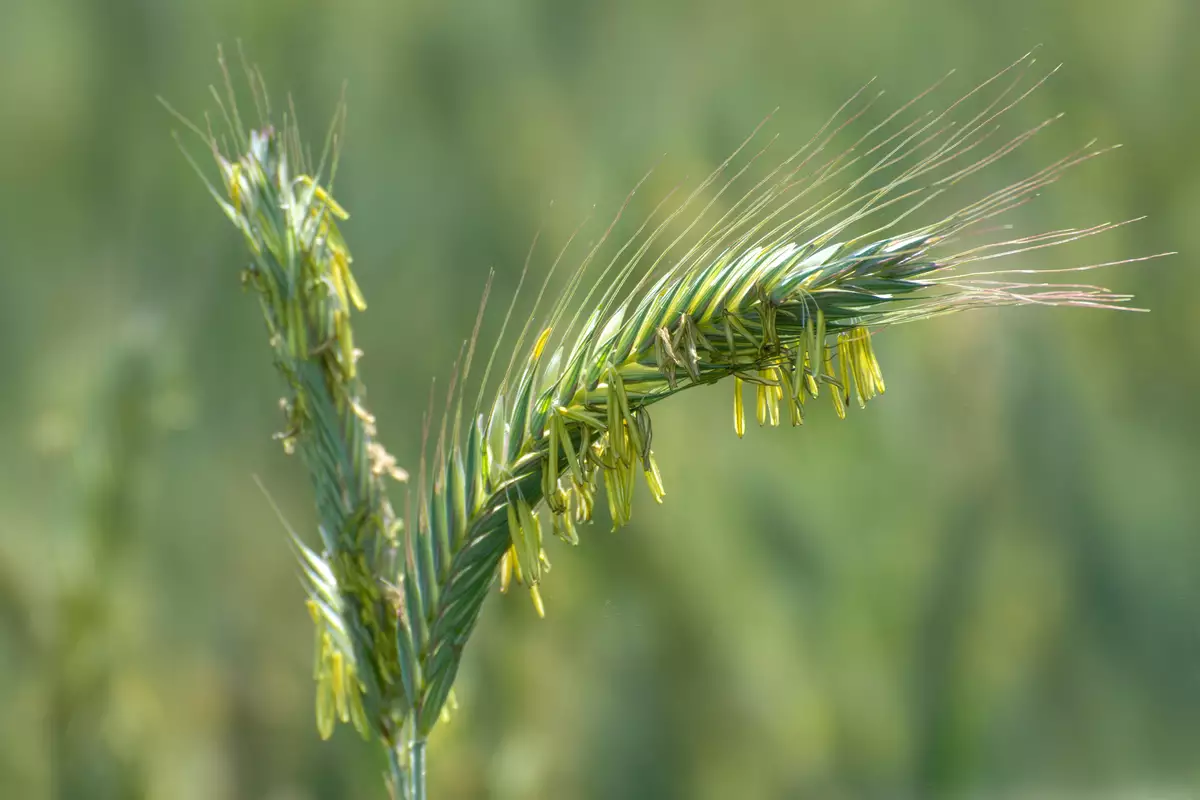
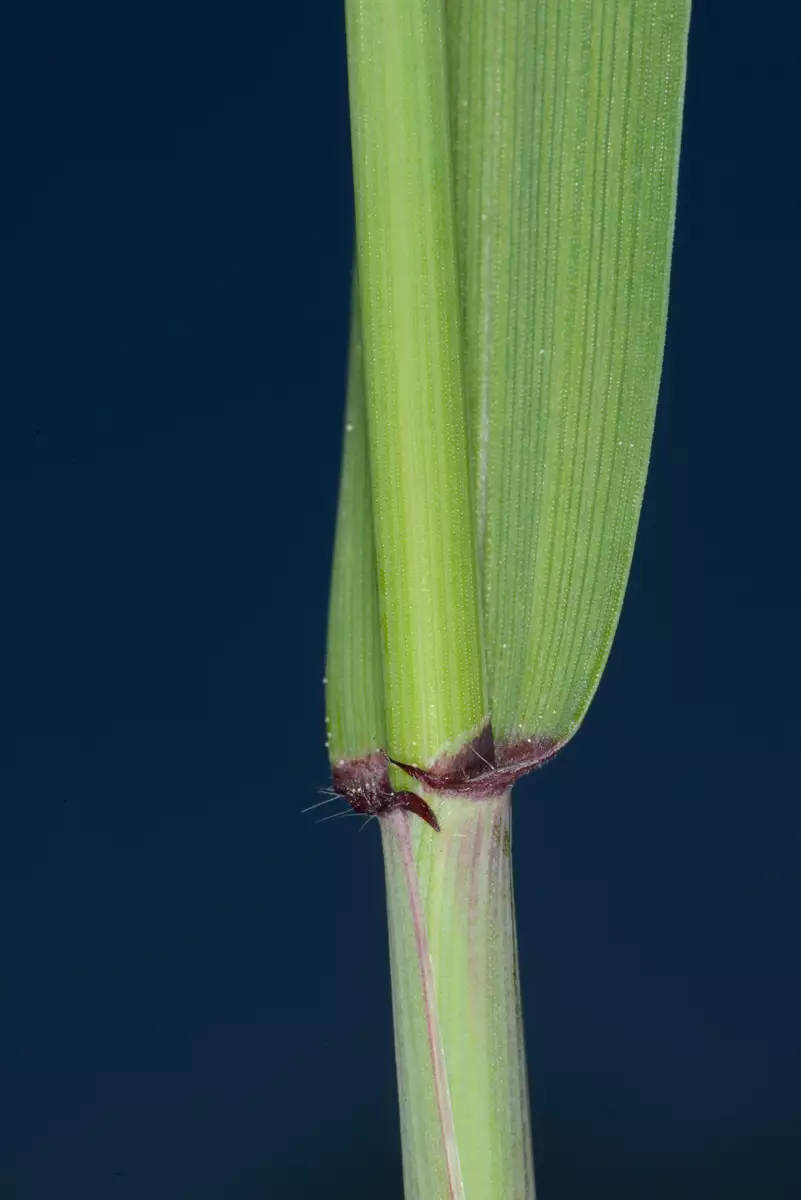
Explore the versatility and resilience of Secale cereale, commonly known as Cereal Rye or Winter Rye. This remarkable grain stands as a stalwart in agricultural practices for its exceptional adaptability and myriad uses. Whether you know it as common rye, cultivated rye, or grain rye, its benefits are undeniable. As a cover crop, Cereal Rye is a guardian of the soil throughout the harshest months. Sown in autumn, it captures residual nitrogen, mitigates soil erosion, and suppresses weeds with its allelopathic properties. Its deep-rooted system contributes to organic matter, significantly enhancing soil structure and fertility. Rye's robust resilience to cold, nutrient-poor soils, and minimal water requirements make it a pragmatic choice for diverse landscapes. Beyond its environmental benefits, rye's applications extend to grain and forage production. Rye flour is cherished for its unique flavor in baking, often paired with wheat for delicious breads, while its grain fuels whiskey production. For livestock, rye provides essential forage during fall and winter, delivering a nutrient-rich dietary option. Effective management is crucial; it’s best terminated while young to optimize nitrogen release, or alternatively, cut when mature to bolster soil structure. Diverse cultivars are available, catering to specific needs and climates. With Cereal Rye, you invest in sustainability, soil health, and crop productivity. Discover the profound impact this exceptional grain can have on your agricultural practices. Seeding rate for small areas: 1-4 lbs. per 1000 sq. ft. or 100 lbs per acre