0
Close
1 / 6
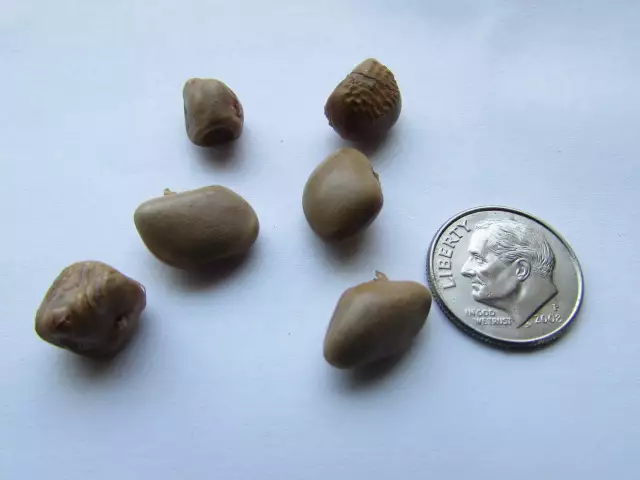
Schotia brachypetala (Weeping Boerboon seed) Sheffield's Seed Co., Inc.
3 / 6
4 / 6

AdobeStock

5 / 6

AdobeStock

Growing Info

Scarification
Scarification: none required, soaking in warm water may improve germination time
Stratification
Stratification: none required
Germination
Germination: Surface sow, cover lightly with medium or vermiculite.

Other: Seed needs warm temperatures after sowing to germinate (75 degrees F +). 

Native to: Mozambique, South Africa, Southern Africa
Native
Introduced

Schotia brachypetala

African Greenheart, African Walnut, Drunk Parrot Tree, Tree Fuchsia, Weeping Boer-bean, Weeping Boerboon

In Stock: 0.538 lb (Total:0.538lb)
  • Schotia brachypetala

    All items have bulk rates priced in
select i.*, as2.state_abbr from inventory_item_manage i left outer join sheffields_2017.address_states as2 on (as2.state_name = i.CollectionLocale or as2.state_abbr = i.CollectionLocale) where i.inventory_id = '5053' group by i.id

Buying options

0.54 lb

Details

Germination:
98%
Germination test:
Cut (Full Seed)
Purity:
99%
Seeds per lb:
663
Quantity:
0.54 lb
Collected in:
Australia
Crop year:
2025
Min. hardiness zone:
9
Item ID:
1837747

Growing Info

Scarification
Scarification: none required, soaking in warm water may improve germination time
Stratification
Stratification: none required
Germination
Germination: Surface sow, cover lightly with medium or vermiculite.

Other: Seed needs warm temperatures after sowing to germinate (75 degrees F +). 

Native to: Mozambique, South Africa, Southern Africa
Native
Introduced
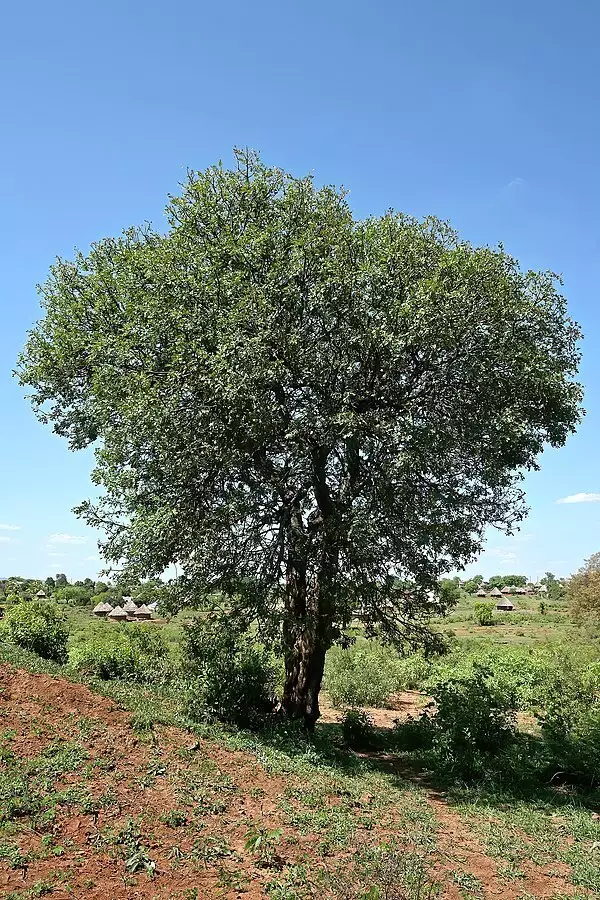
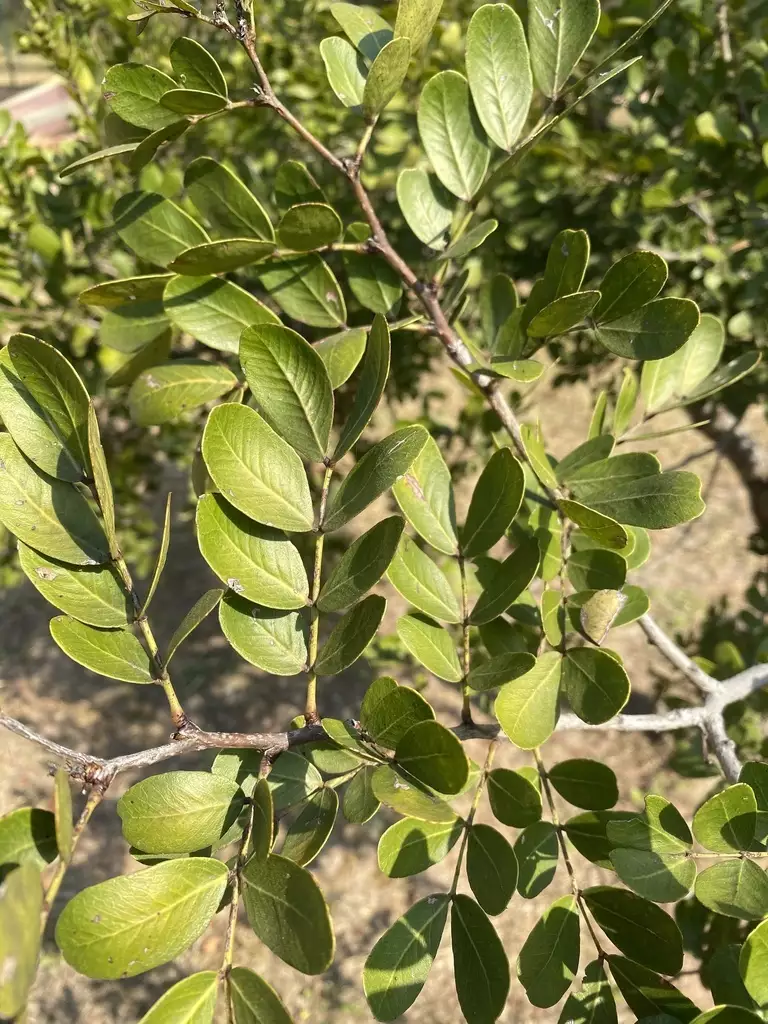
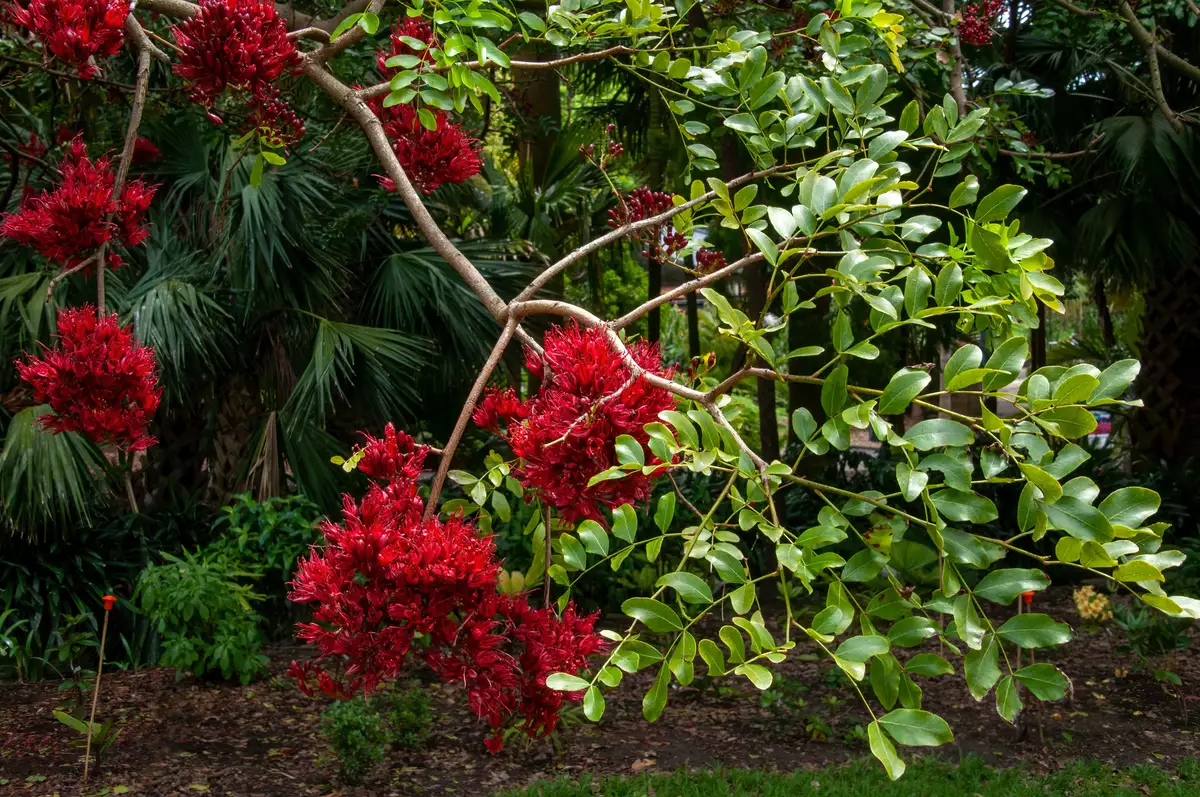
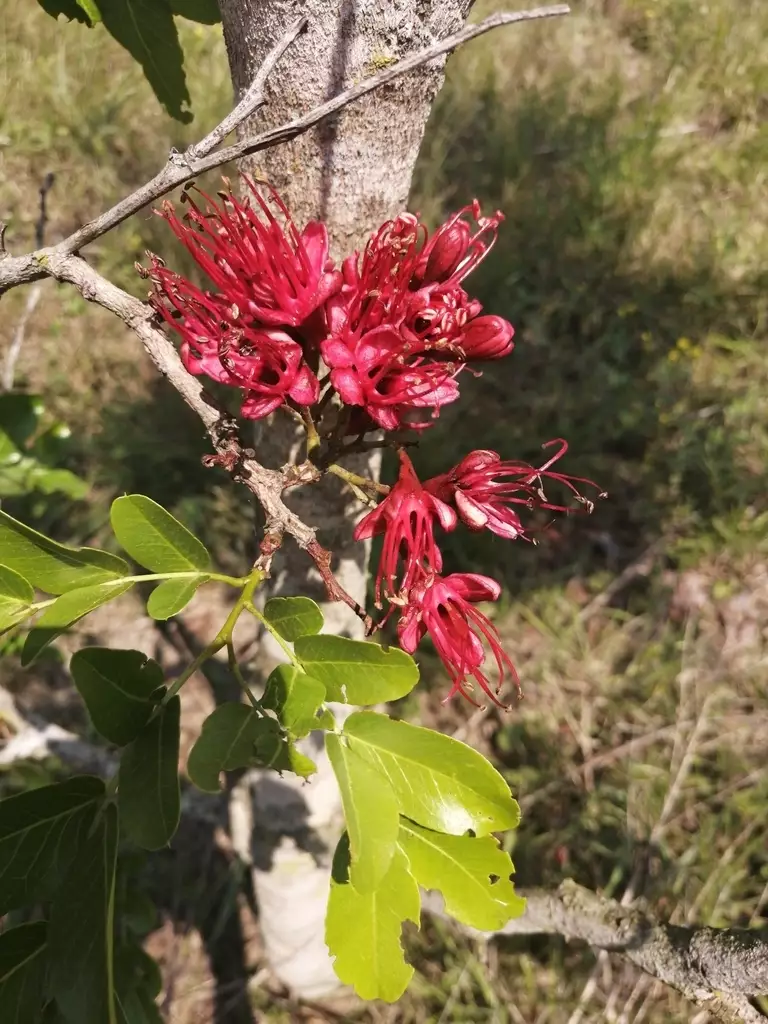
Schotia brachypetala, known as Weeping Boer-bean, Tree Fuchsia, African Greenheart, or African Walnut, is a captivating tree native to southern Africa. Distinguished by its wide-spreading, rounded crown and vibrant deep-red flowers, this semi-deciduous tree reaches 25 feet, with a canopy spread of 15-50 ft depending on conditions. The shiny green leaves, pinnately compound, offer lush coverage, making it an excellent shade or ornamental tree for gardens and parks in warm regions.

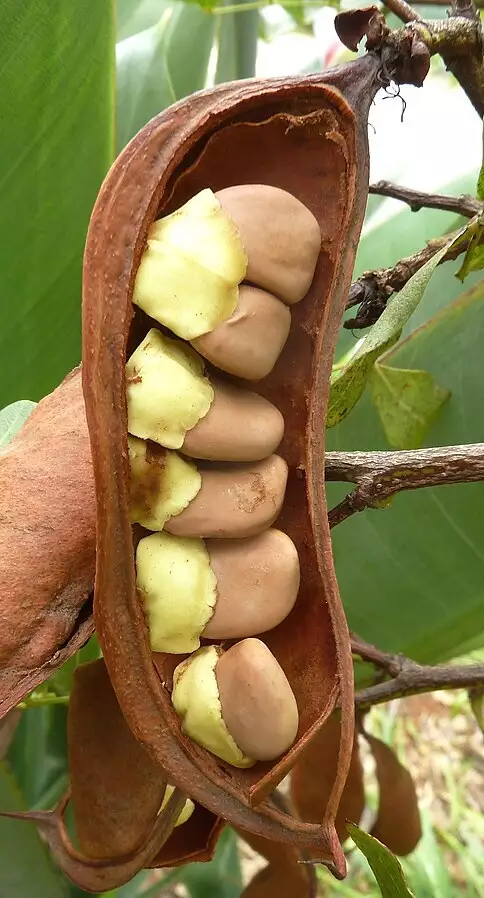
During spring to early summer, this stunning tree becomes a hive of activity, attracting numerous birds and insects with its nectar-rich blossoms. These flowers form on mature wood in dense inflorescences, leading to the production of flattened woody seed pods. Easy to grow, Schotia brachypetala thrives in full sun and well-draining soil. It is remarkably hardy, tolerating mild frost and dry conditions but responding best with ample water during summer for vigorous growth.

Introduced to California in 1900 by botanist Dr. Francesco Franceschi, Schotia brachypetala not only enhances landscapes with its beauty but also has historical uses in traditional medicine and culinary practices. Its seeds are edible when roasted, and its bark serves medicinal and dye purposes. This exquisite tree also offers durable, dark walnut-like timber ideal for furniture. Whether serving as a specimen tree or part of a backyard oasis, Schotia brachypetala stands out for its ornamental value and ecological benefits.

You might also like

Calycanthus floridus

Calycanthus floridus

Carolina Allspice, Carolina Sweetshrub, Common Sweetshrub, Eastern Sweetshrub

Cercis canadensis var. mexicana

Cercis canadensis var. mexicana

Mexican Redbud

Acer shirasawanum 'Ogurayama' dry seed

Acer shirasawanum 'Ogurayama' dry seed

Ogurayama Full Moon Maple

Chorisia speciosa

Chorisia speciosa

Silk Floss Tree

(315) 497-1058
269 NY-34 Locke NY 13092
seed@sheffields.com

HOME - logo

Find us on: