0
Close
1 / 7
3 / 7
4 / 7

AdobeStock

5 / 7

AdobeStock

6 / 7
7 / 7

Growing Info

Scarification
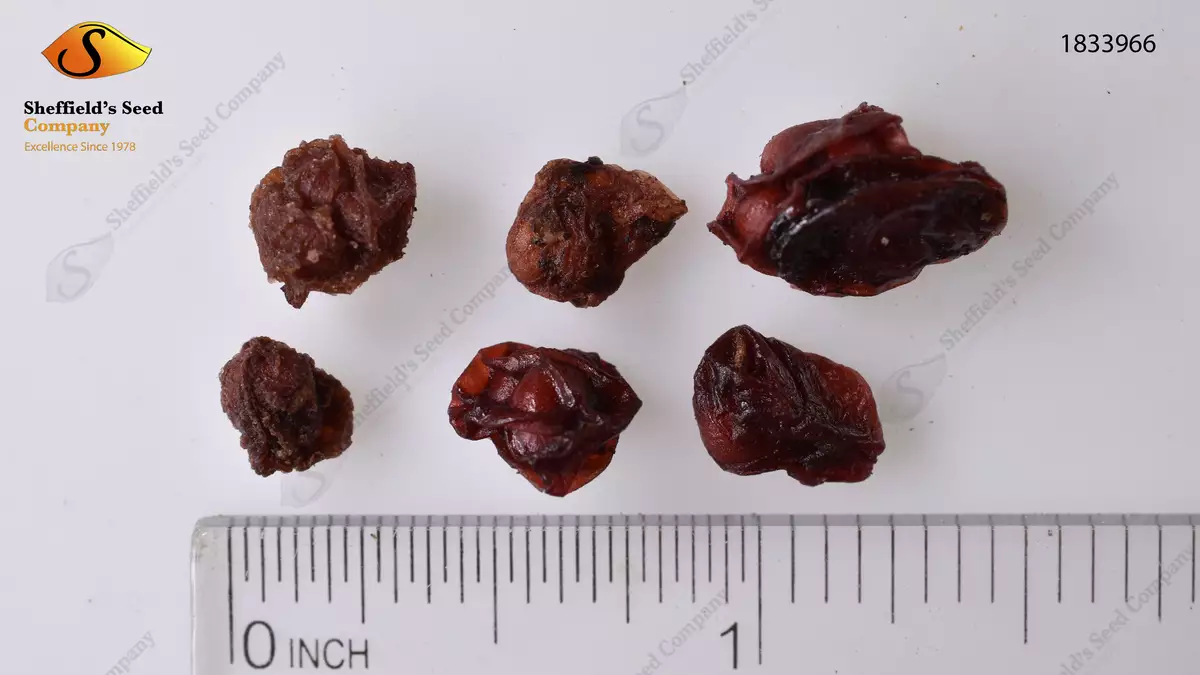
Scarification: Soak in water, let stand in water for 24 hours
Stratification
Stratification: warm stratify for 30 days, cold stratify for 60 days
Germination
Germination: requires light for germination| sow seed 1/4" deep, tamp the soil, mulch the seed bed

Other: germinates best with diurnally fluctuating temperatures between 70 and 50 degrees F.|some germination may be delayed until the following year|remove seed from fruit prior to treatments 

Native to: Amur, China North-Central, Inner Mongolia, Japan, Khabarovsk, Korea, Manchuria, Primorye, Sakhalin
Native
Introduced

Schisandra chinensis

Chinese Magnolia Vine, Chinese Magnolia-vine, Five Flavor Fruit

  • Schisandra chinensis

Please select the quantity desired, and we will advise availability and price as soon as possible.

Details

Min. hardiness zone:
4

Growing Info

Scarification
Scarification: Soak in water, let stand in water for 24 hours
Stratification
Stratification: warm stratify for 30 days, cold stratify for 60 days
Germination
Germination: requires light for germination| sow seed 1/4" deep, tamp the soil, mulch the seed bed

Other: germinates best with diurnally fluctuating temperatures between 70 and 50 degrees F.|some germination may be delayed until the following year|remove seed from fruit prior to treatments 

Native to: Amur, China North-Central, Inner Mongolia, Japan, Khabarovsk, Korea, Manchuria, Primorye, Sakhalin
Native
Introduced
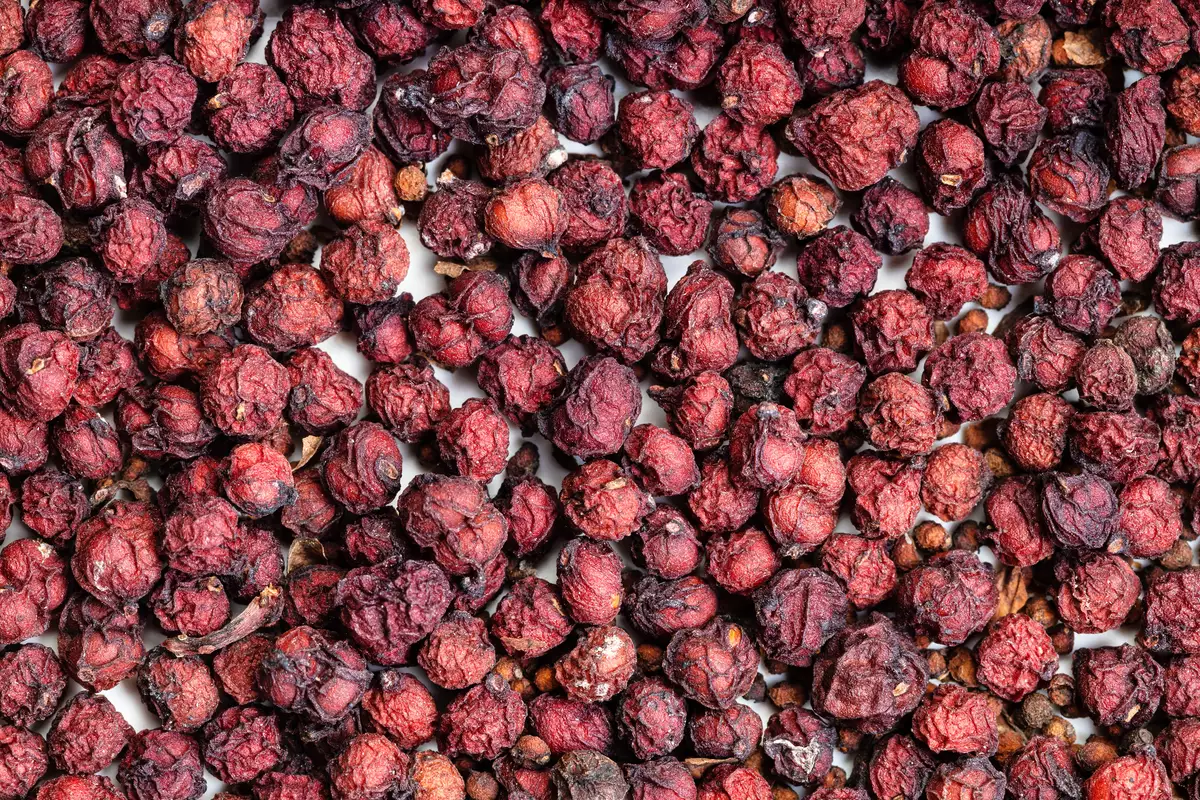
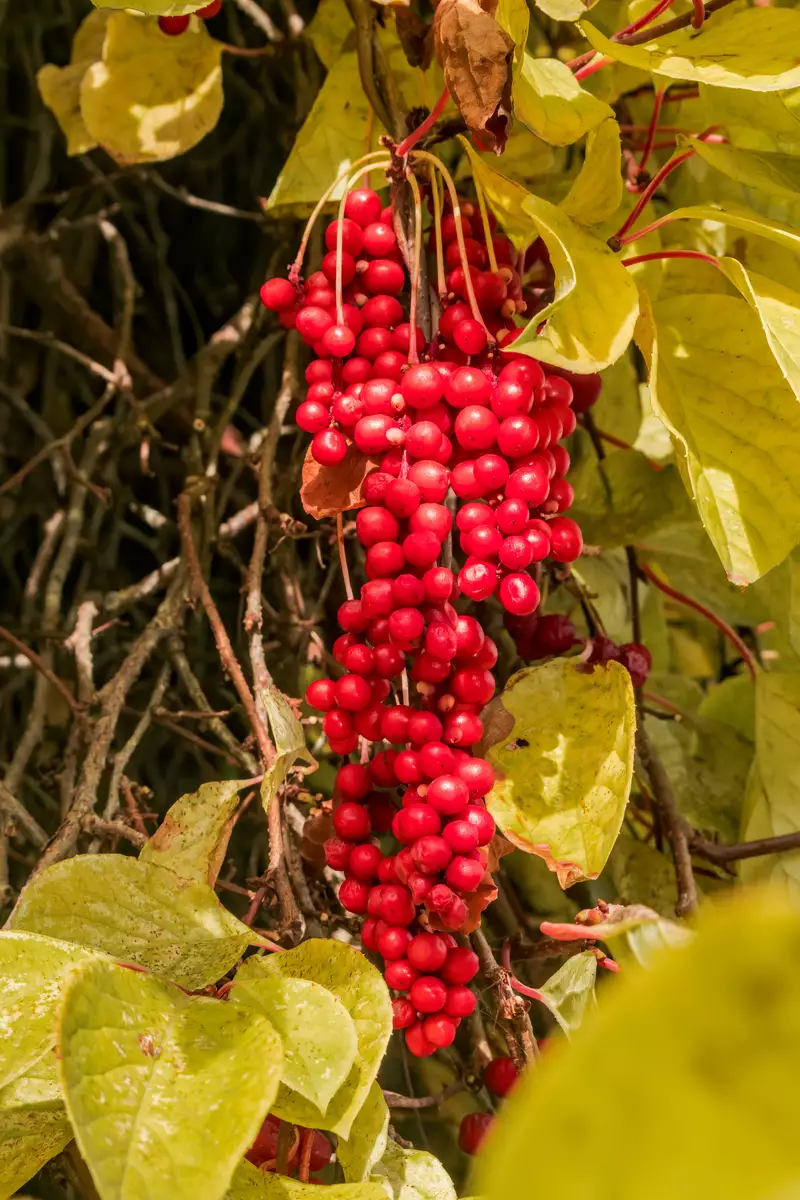
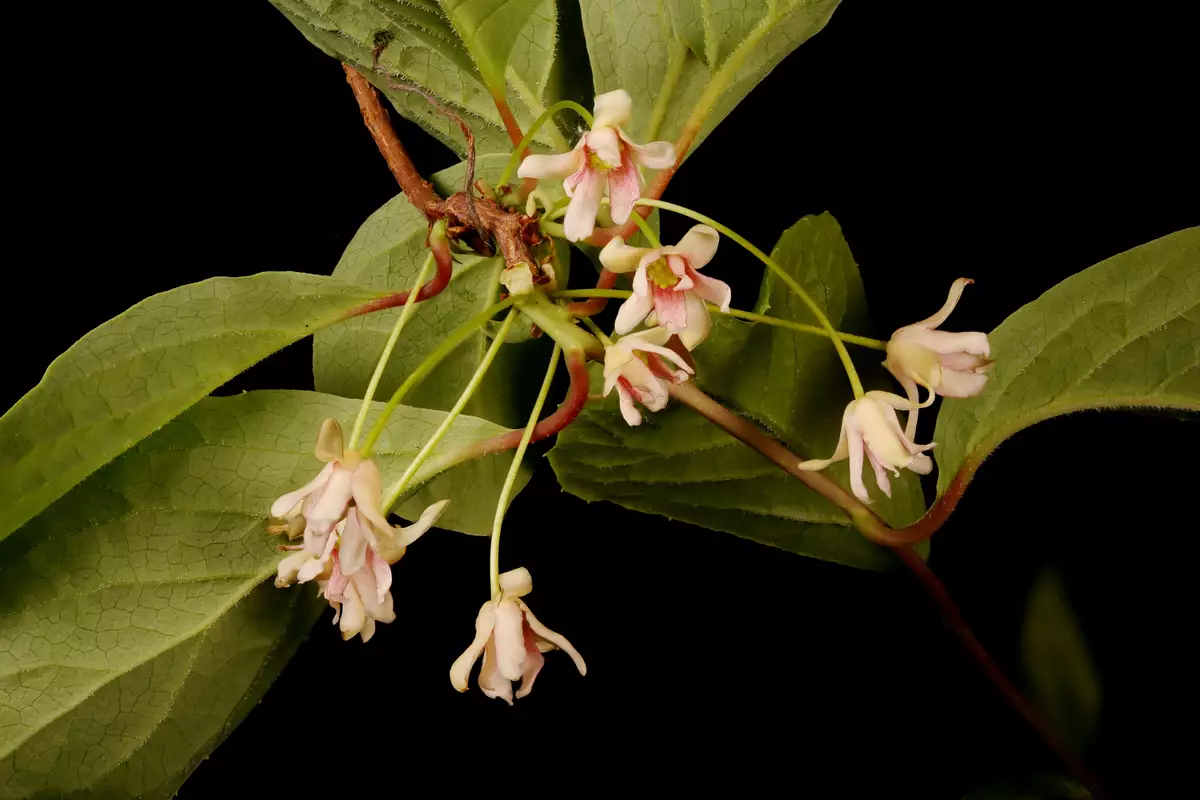
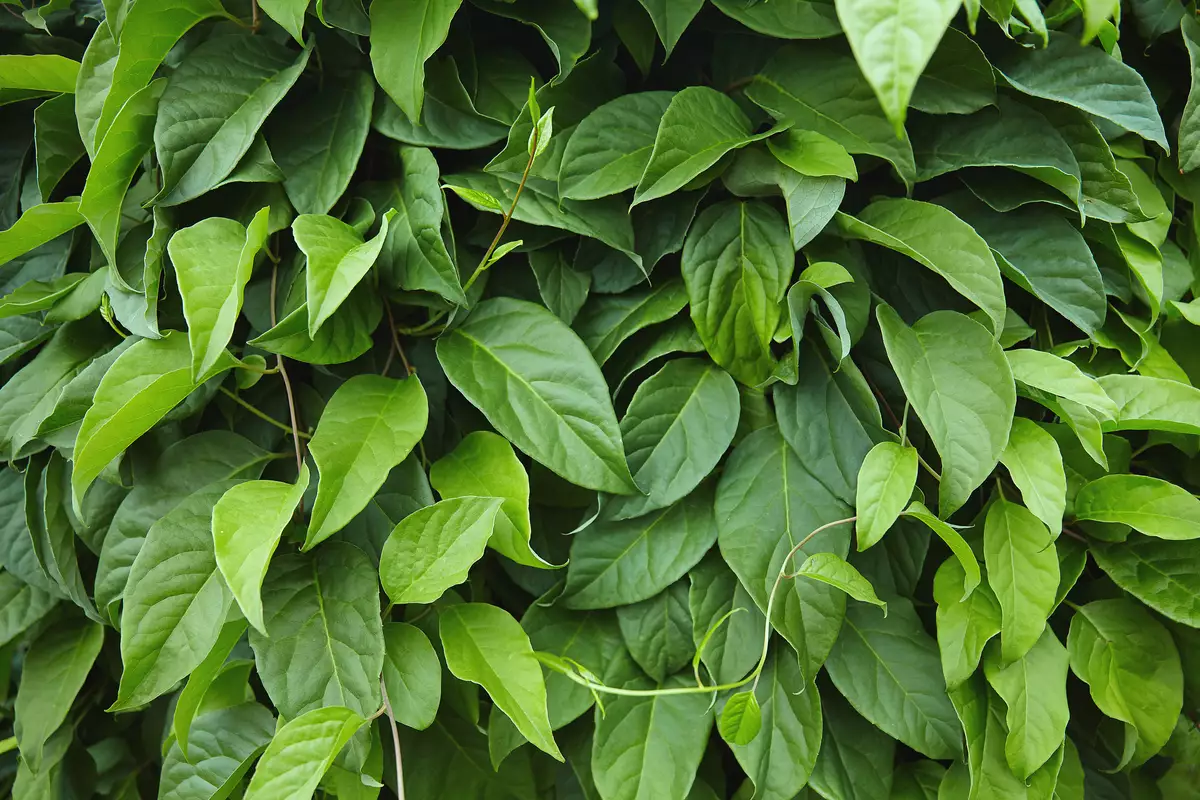
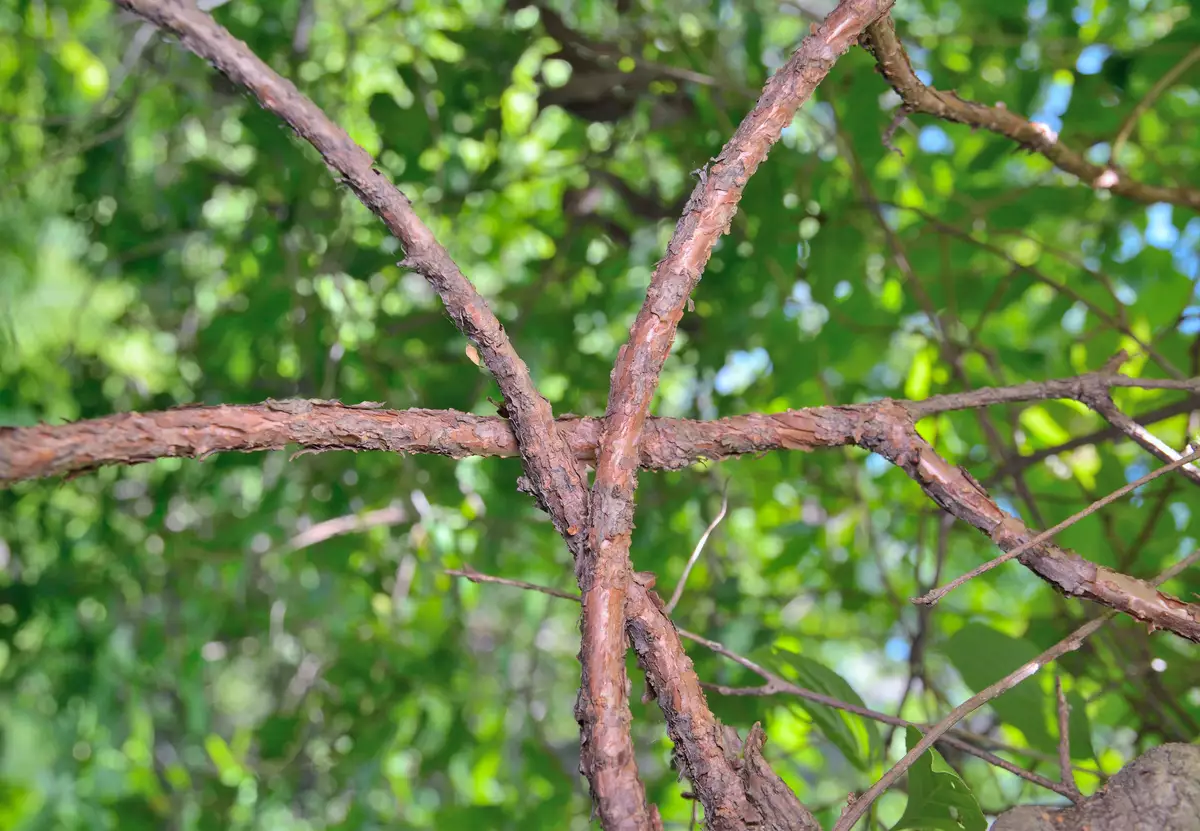
Plunge into a world of unique textures and flavors with Schisandra chinensis, also known as the Chinese Magnolia Vine or the Five Flavor Fruit. This deciduous woody vine, native to Northern China and the Russian Far East, thrives in USDA Zone 4 and requires some shade as well as moist, well-drained soil. Unlike many plants, Schisandra chinensis is dioecious, needing both male and female plants to produce its distinctive red clusters of fruit. Grown for its aromatic white or pink flowers, shiny 4" leaves, and vitalizing fruit, this plant is deeply rooted in Chinese herbalism. Known as Wu Wei Zi, this 'five flavor berry' is counted among the 50 fundamental herbs in Chinese medicine. Used as a substitute for ginseng, it is valued for its restorative properties and invigorating the spirit in stressful times. The fruit antigens, known for its aphrodisiac and tonic properties, have a unique effect on the central nervous system- stimulating it at low doses and depressing it in large quantities. Discover the delights of this multi-faceted plant today!

You might also like

Papaver somniferum

Papaver somniferum

Opium Poppy

Sequoia sempervirens

Sequoia sempervirens

California Redwood, Coast Redwood, Redwood

Sequoiadendron giganteum

Sequoiadendron giganteum

Bigtree, Giant Sequoia, Sierra Redwood, Sierran Redwood, Wellingtonia

Vaccinium corymbosum

Vaccinium corymbosum

Highbush Blueberry

(315) 497-1058
269 NY-34 Locke NY 13092
seed@sheffields.com

HOME - logo

Find us on: