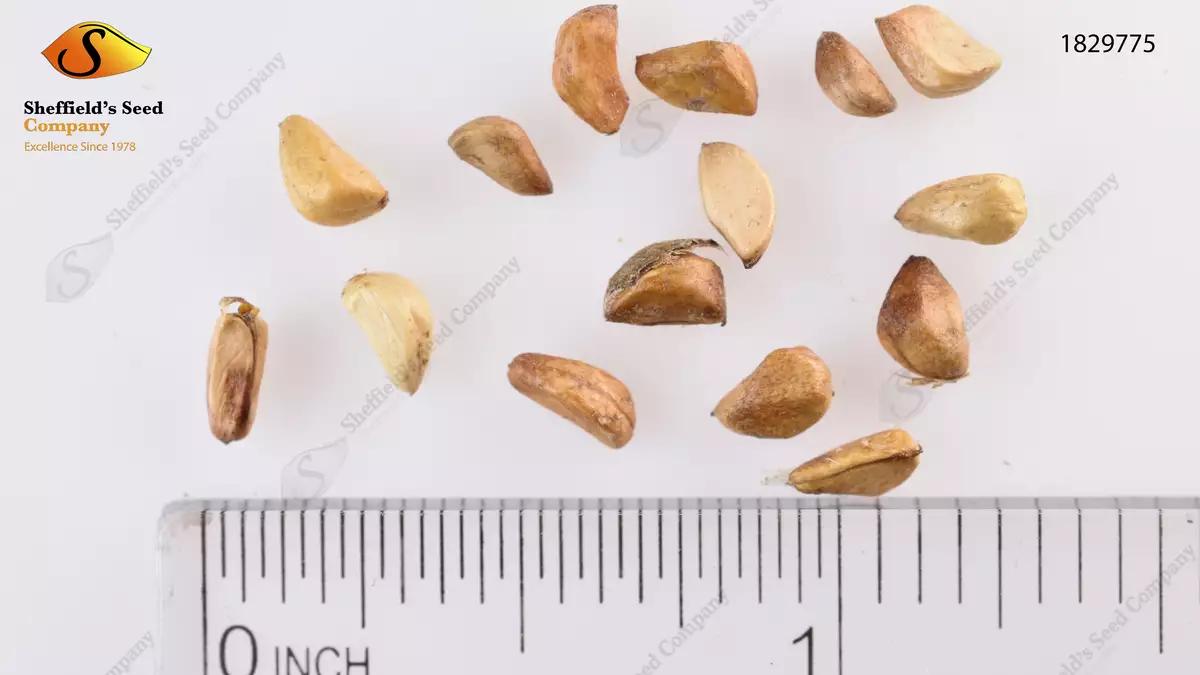
Scarification: Soak in water, let stand in water for 24 hours
Stratification: cold stratify for 90 -120 days
Germination: sow seed 3/8" deep, tamp the soil, mulch the seed bed
Other: can be fall sown without stratification.
Native to: China North-Central, Japan, Kamchatka, Korea, Manchuria, Primorye, Sakhalin
Introduced to: Alaska, Altay, Baltic States, Belarus, Belgium, British Columbia, Bulgaria, Central European Rus, Connecticut, Czechoslovakia, Delaware, Denmark, East European Russia, Falkland Is., Finland, France, Germany, Great Britain, Hungary, Illinois, Inner Mongolia, Ireland, Italy, Kentucky, Maine, Maryland, Massachusetts, Michigan, Minnesota, Missouri, Netherlands, New Brunswick, New Hampshire, New Jersey, New York, Newfoundland, North European Russi, Northwest European R, Norway, Nova Scotia, Ohio, Ontario, Pennsylvania, Poland, Prince Edward I., Québec, Rhode I., Romania, South European Russi, Sweden, Switzerland, Ukraine, Utah, Vermont, Virginia, Washington, West Virginia, Wisconsin, Yugoslavia
Why do we sell THIS seed??? (see FAQ) Before growing seeds, verify local and state regulations to ensure compliance with any specific restrictions or requirements.
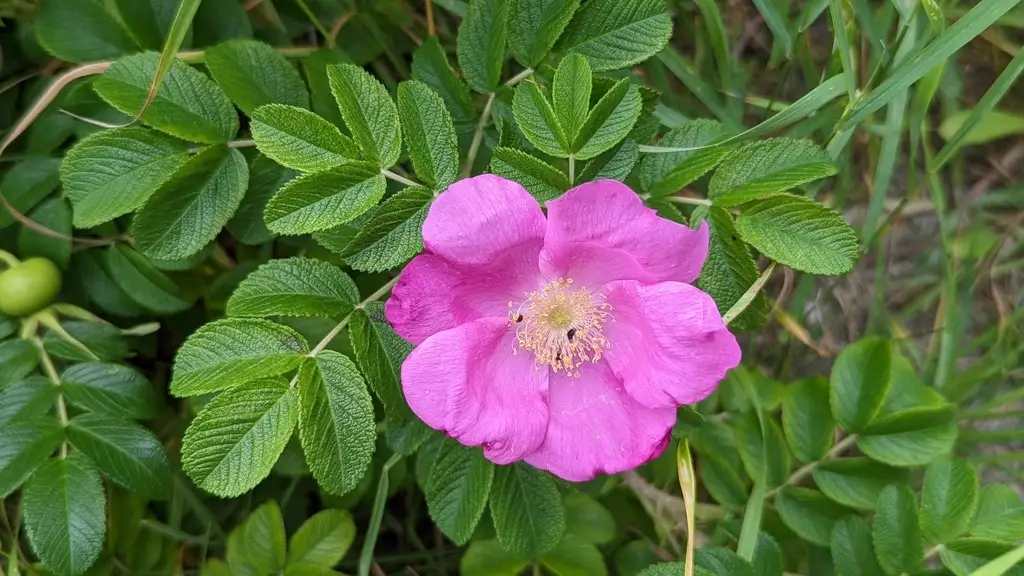
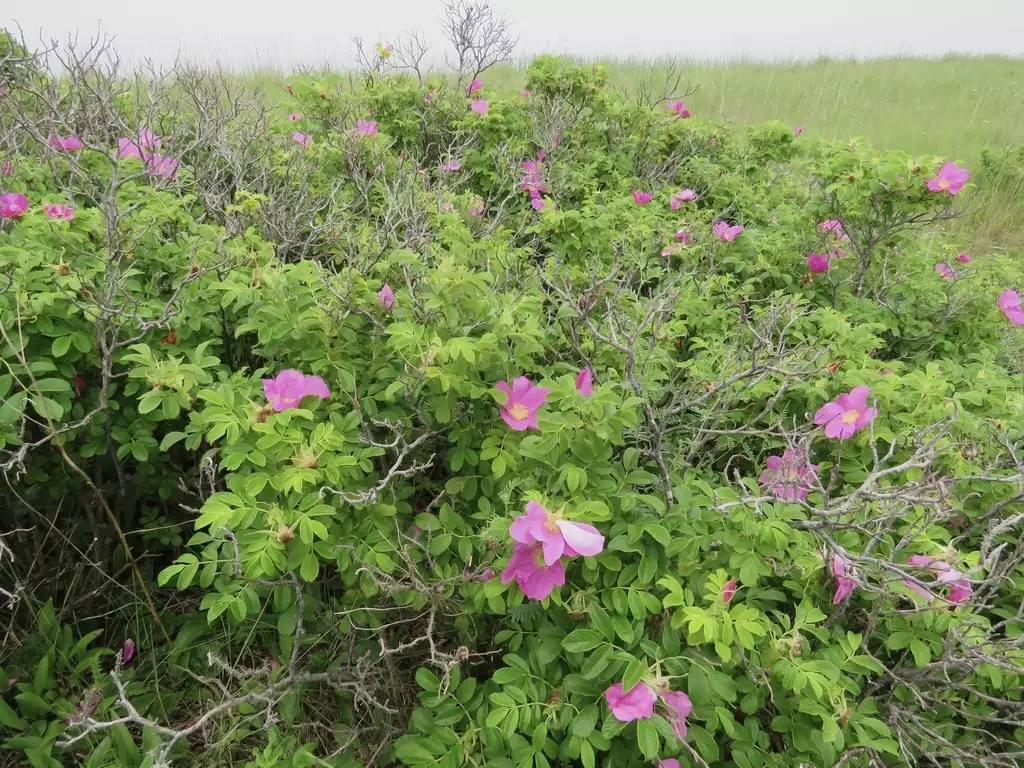
Rosa rugosa
Please select the quantity desired, and we will advise availability and price as soon as possible.
Scarification: Soak in water, let stand in water for 24 hours
Stratification: cold stratify for 90 -120 days
Germination: sow seed 3/8" deep, tamp the soil, mulch the seed bed
Other: can be fall sown without stratification.
Native to: China North-Central, Japan, Kamchatka, Korea, Manchuria, Primorye, Sakhalin
Introduced to: Alaska, Altay, Baltic States, Belarus, Belgium, British Columbia, Bulgaria, Central European Rus, Connecticut, Czechoslovakia, Delaware, Denmark, East European Russia, Falkland Is., Finland, France, Germany, Great Britain, Hungary, Illinois, Inner Mongolia, Ireland, Italy, Kentucky, Maine, Maryland, Massachusetts, Michigan, Minnesota, Missouri, Netherlands, New Brunswick, New Hampshire, New Jersey, New York, Newfoundland, North European Russi, Northwest European R, Norway, Nova Scotia, Ohio, Ontario, Pennsylvania, Poland, Prince Edward I., Québec, Rhode I., Romania, South European Russi, Sweden, Switzerland, Ukraine, Utah, Vermont, Virginia, Washington, West Virginia, Wisconsin, Yugoslavia
Native
Introduced
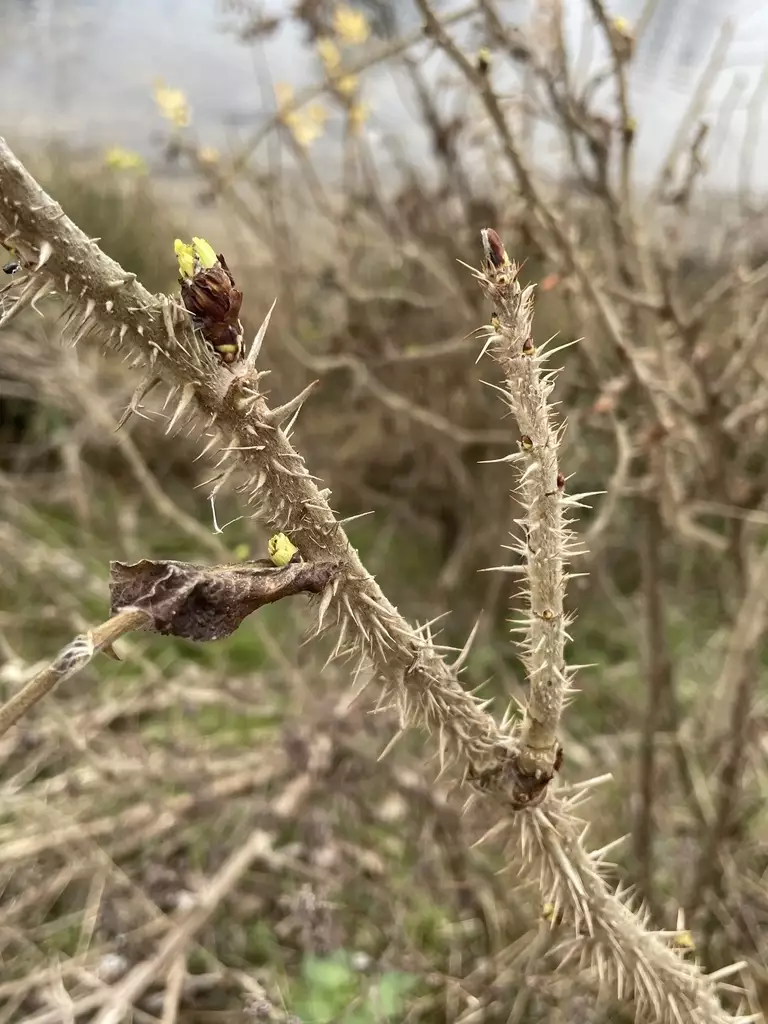
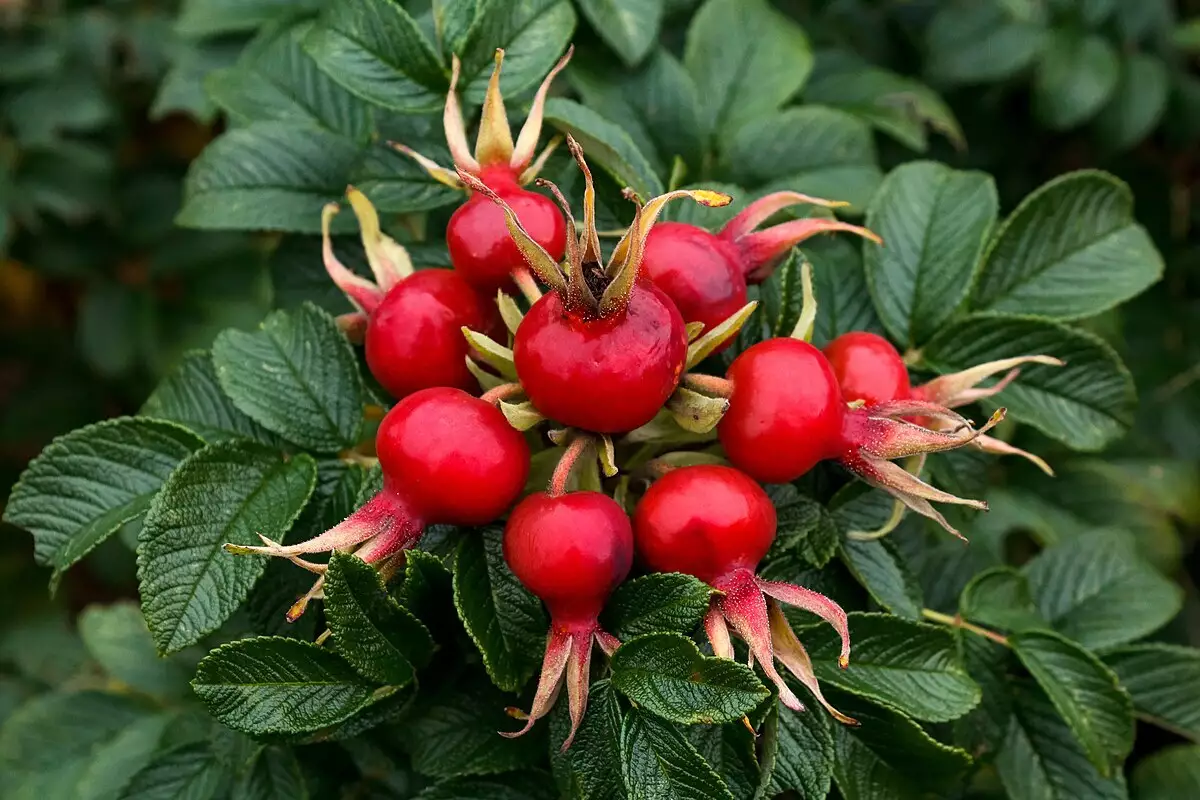
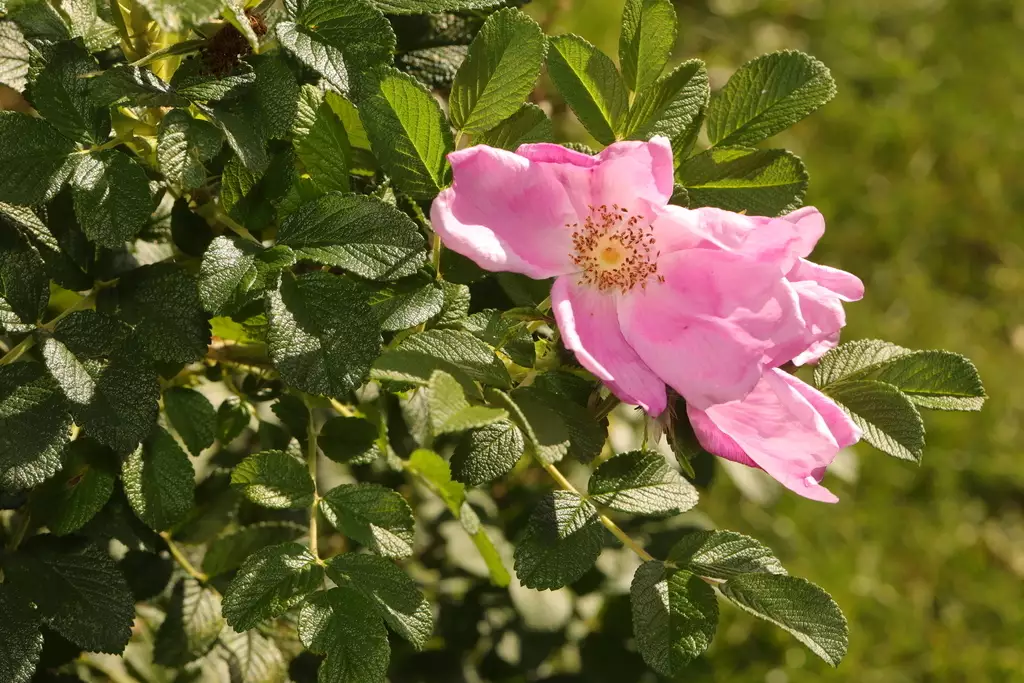
Discover the enchantment of Rosa rugosa, known by names like Rugosa Rose, Beach Tomato and Sea Tomato. A hardy deciduous shrub native to Eastern Asia, this versatile plant thrives in diverse environments, making it a favorite for both coastal and inland gardens. Standing 4-6 feet tall and wide, with dense, suckering growth, it creates an impenetrable hedge adorned with fragrant, rose pink to white blooms from May to July. Rugosa Rose's leathery, wrinkled foliage turns vibrant yellow to orange-red in fall, offering seasonal interest. The plant's tomato-shaped hips, ripening to a bright red by late summer, are not only showy but also edible, rich in Vitamin C, perfect for teas and preserves.
Rosa rugosa excels in full sun and adapts to poor soils, including sandy or clay conditions, and tolerates salt spray, making it ideal for stabilizing coastal areas. Resistant to common rose diseases and pests, it requires minimal maintenance—just ensure good air circulation and drainage. As it tends to spread, it's perfect for naturalizing larger spaces, but consider placement carefully to avoid invasiveness. Whether used as a lush screen, a wind-resistant bank cover, or a thrive-on-neglect garden stalwart, Rugosa Rose captivates with its robust beauty and utility, bridging the gap between ornament and function.