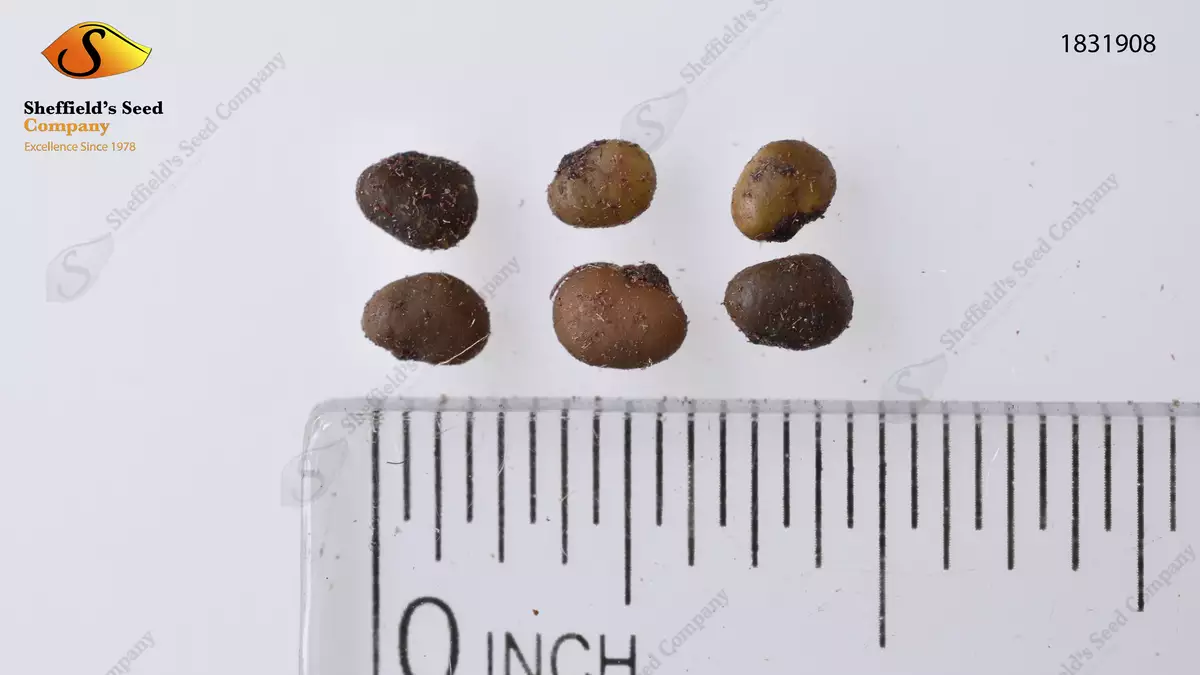
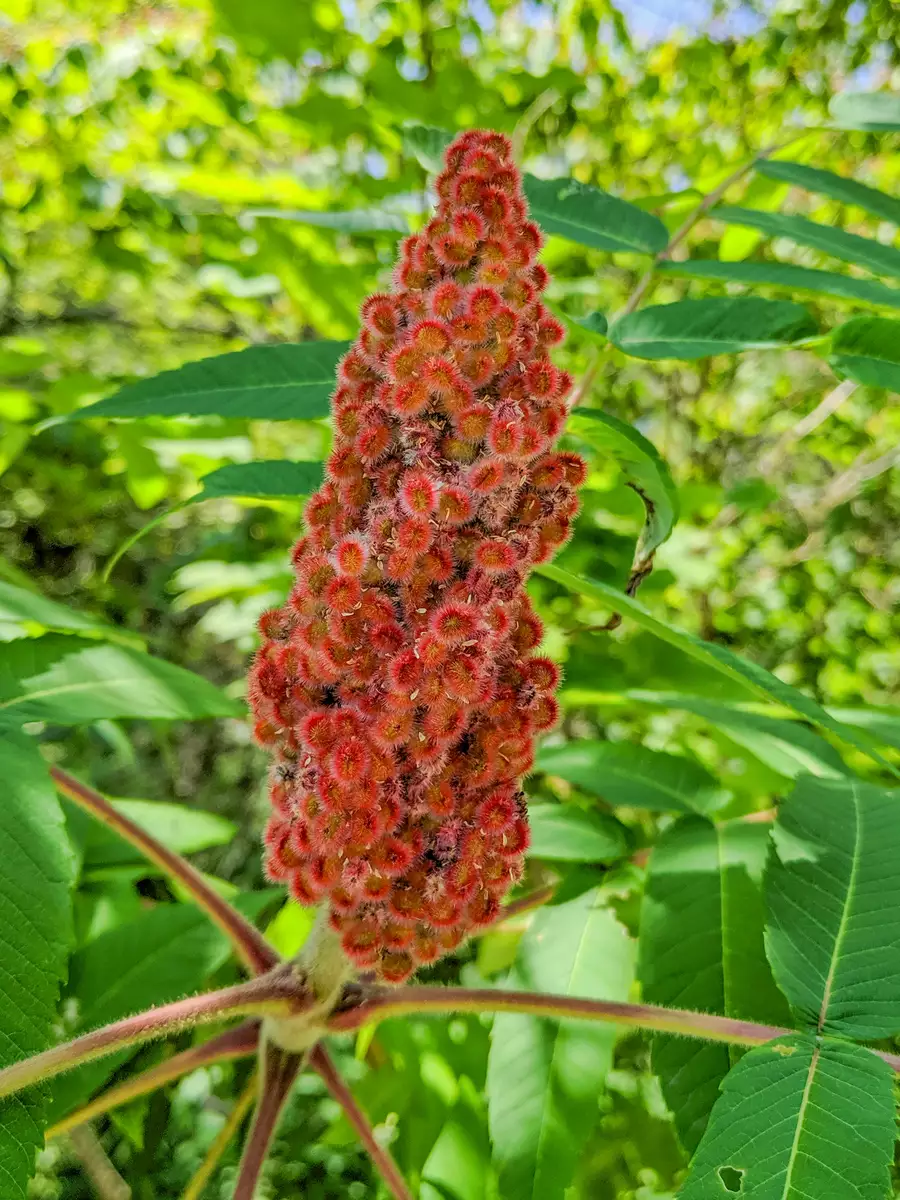
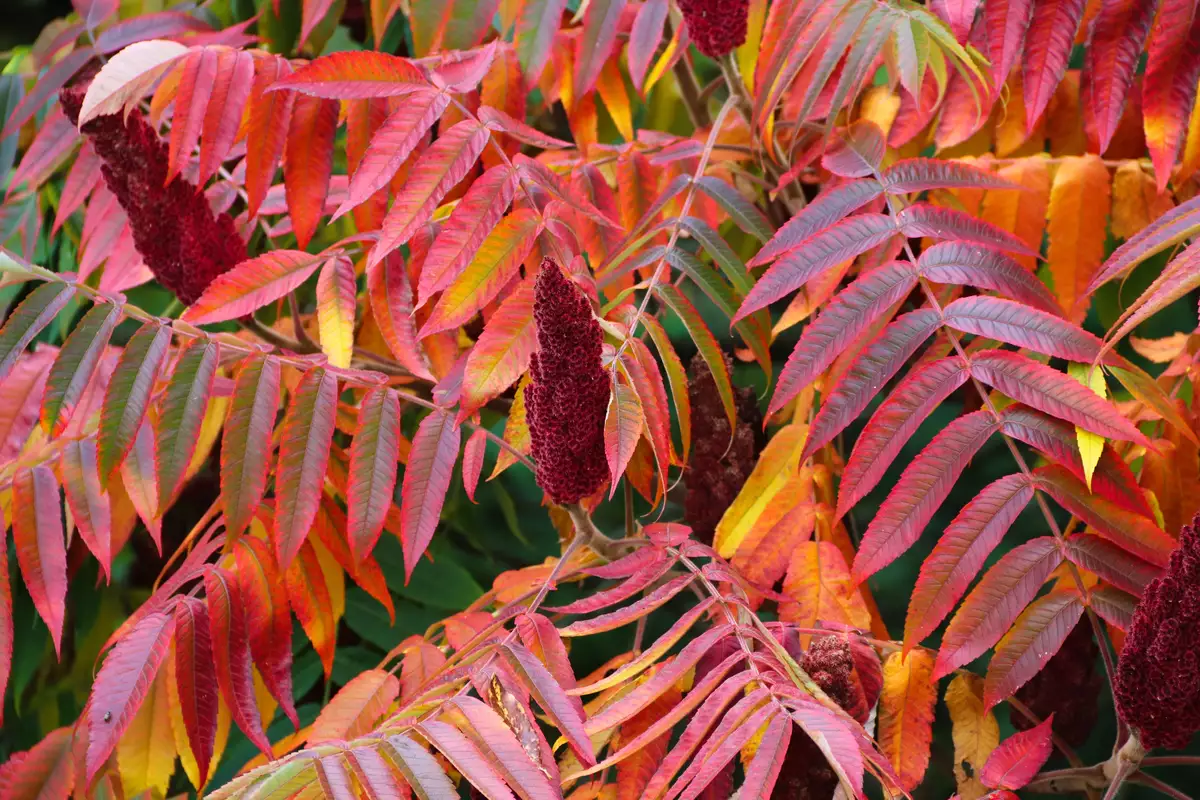
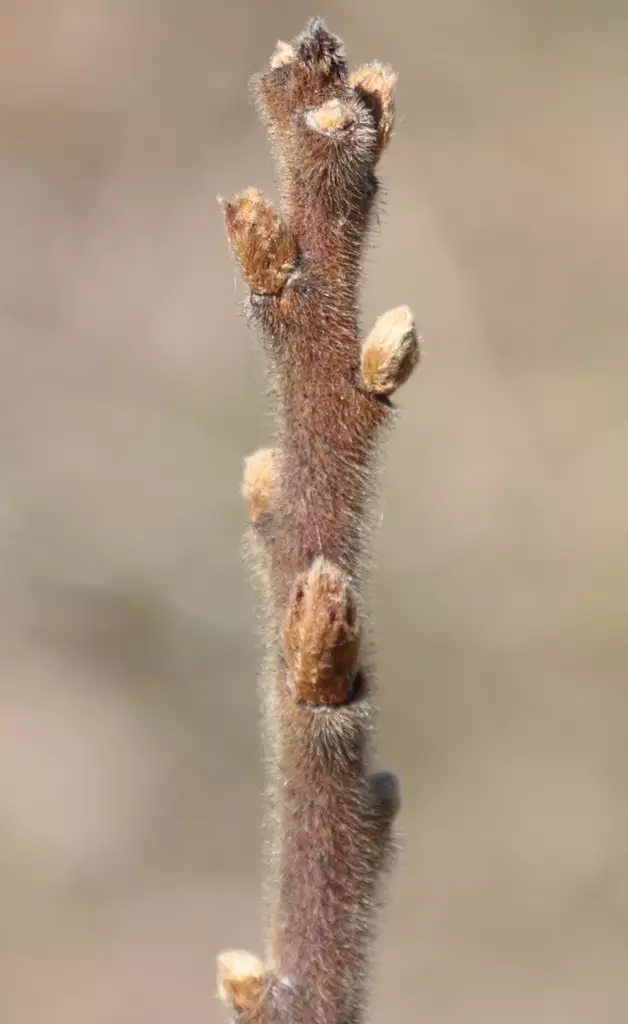
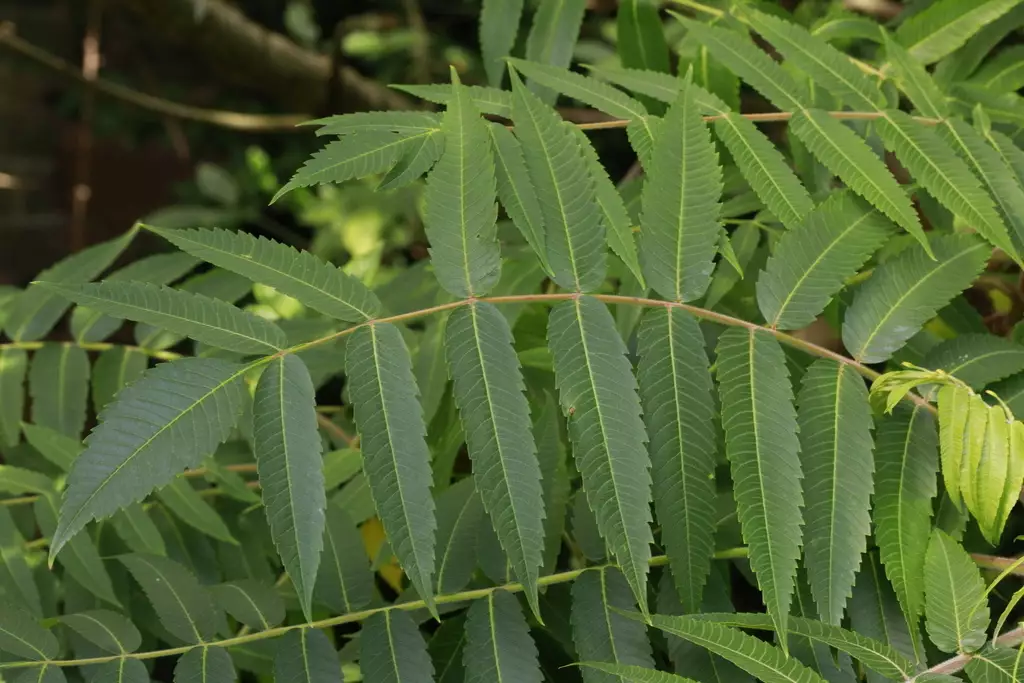
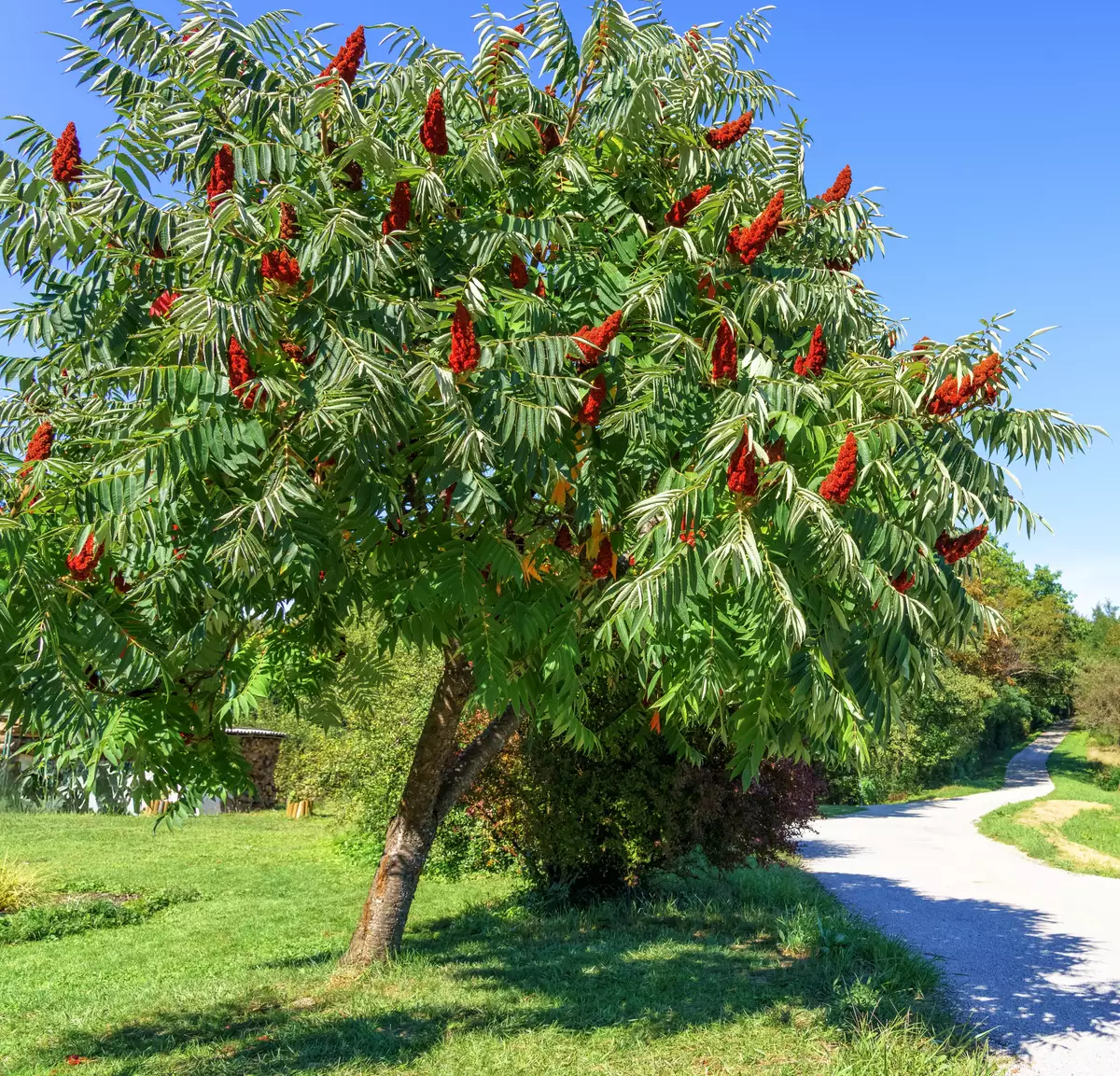
Discover the magnificent Staghorn Sumac (Rhus typhina), a native shrub to small tree known for its spectacular autumn display of scarlet, orange, and yellow leaves and fuzzy crimson fruit clusters that endure through winter. This resilient species, hailing from regions spanning southeastern Canada, the northeastern and midwestern U.S. to the Appalachian Mountains, thrives under varying conditions and even in dryish soils where others struggle. Aesthetically appealing with velvet-like branches, it makes an excellent addition to your landscape as an ornamental plant. It offers some interesting uses too! The seeds are used for a vaguely raspberry-flavored tea and the leaves with high tannin content (up to 48%) make as a brown dye or mordant. Dyes of various colors can be obtained from different parts of the plant. Explore the versatility of Staghorn Sumac, which also extends to beekeeping and as additives to smoking herbs. The plant exhibits a unique lifecycle – sprouting from seeds and rhizomes to forming clones. Come, add the vibrancy and robustness of Staghorn Sumac to your garden or plantation.