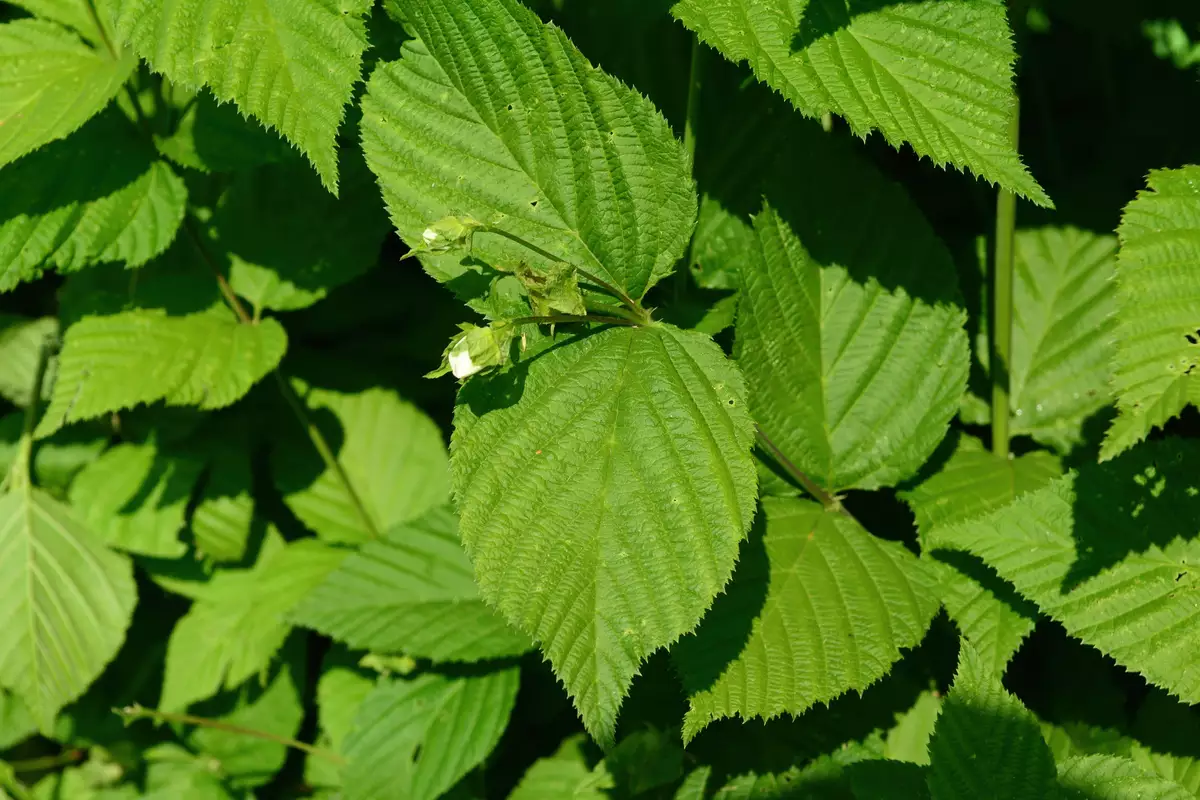
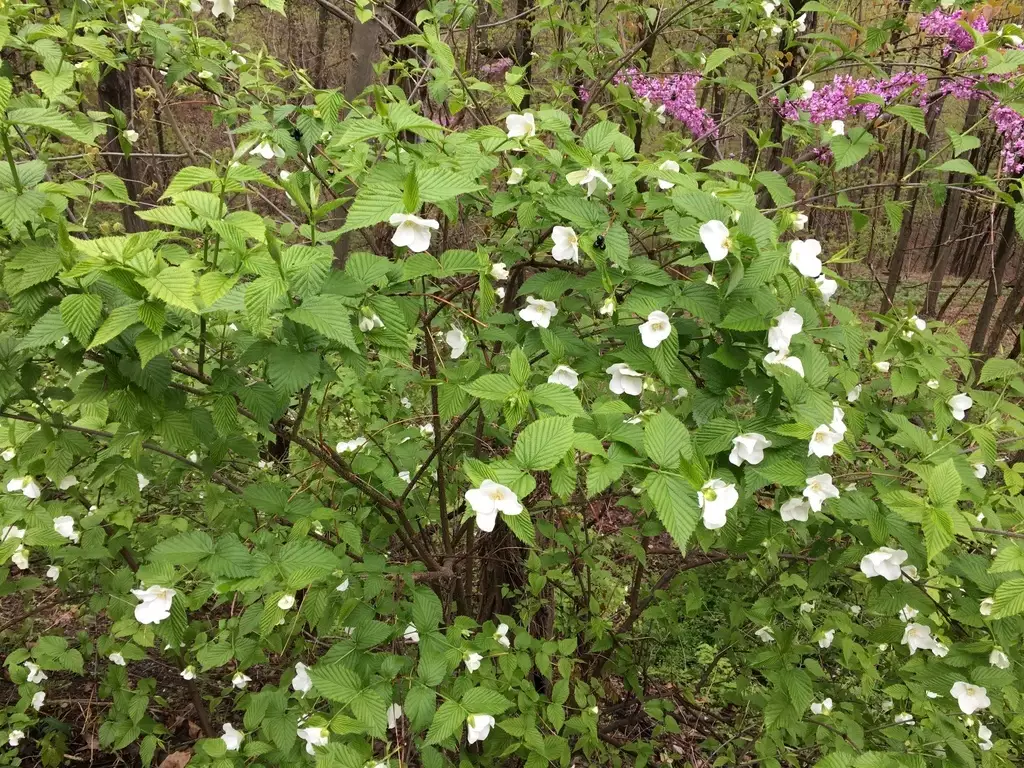
Rhodotypos scandens, commonly known as Jetbead, is a deciduous ornamental shrub belonging to the Rosaceae family. This robust plant, native to Japan and China, is characterized by its mounded and arching form, reaching heights of 3 to 6 feet with a spread of 4 to 9 feet. Known for its adaptability, Jetbead thrives in zones 4 to 8 and tolerates a wide range of soil conditions, including clay, making it ideal for urban landscapes and difficult shade areas.
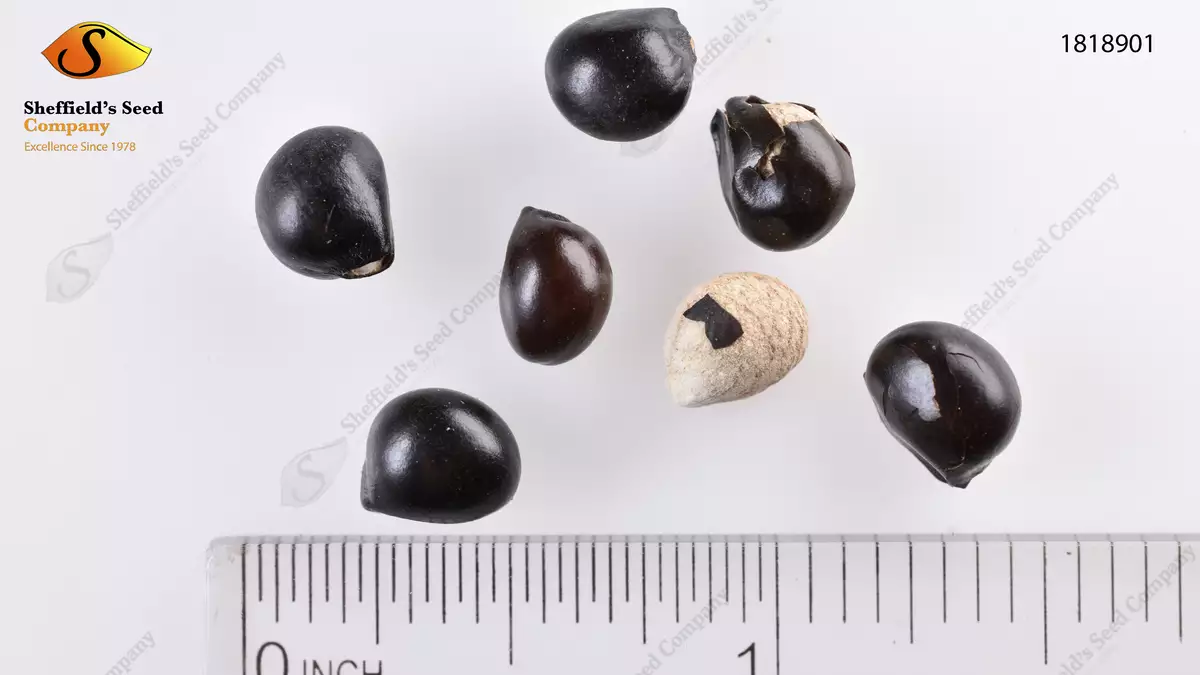
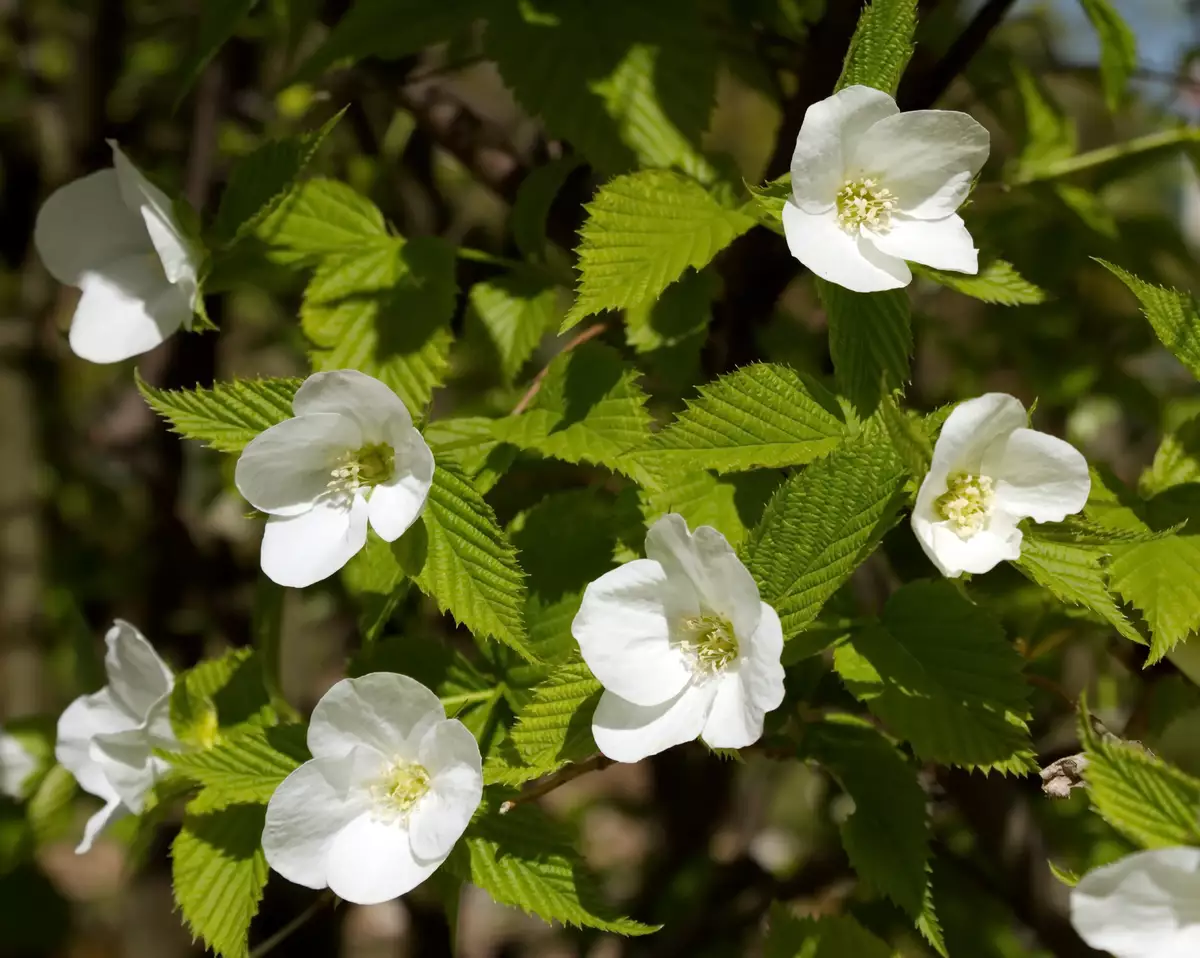
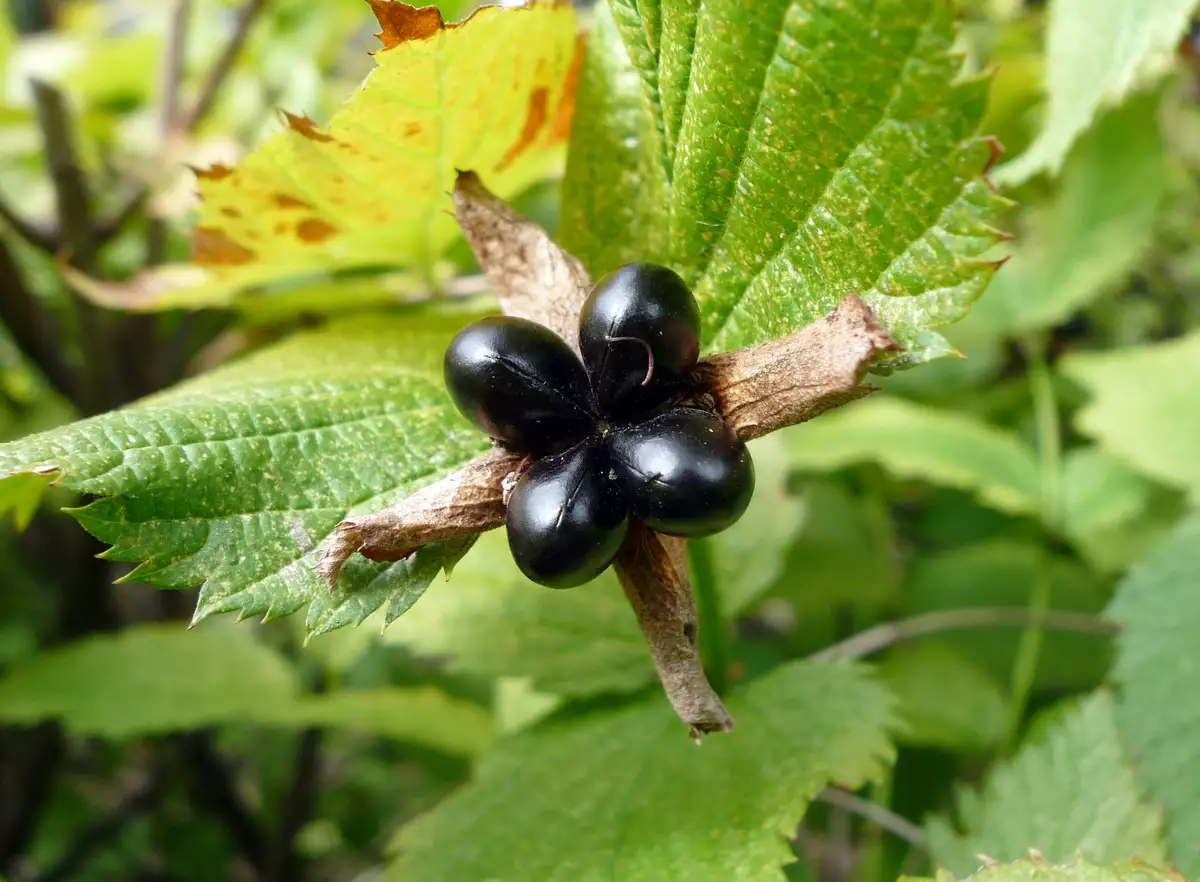
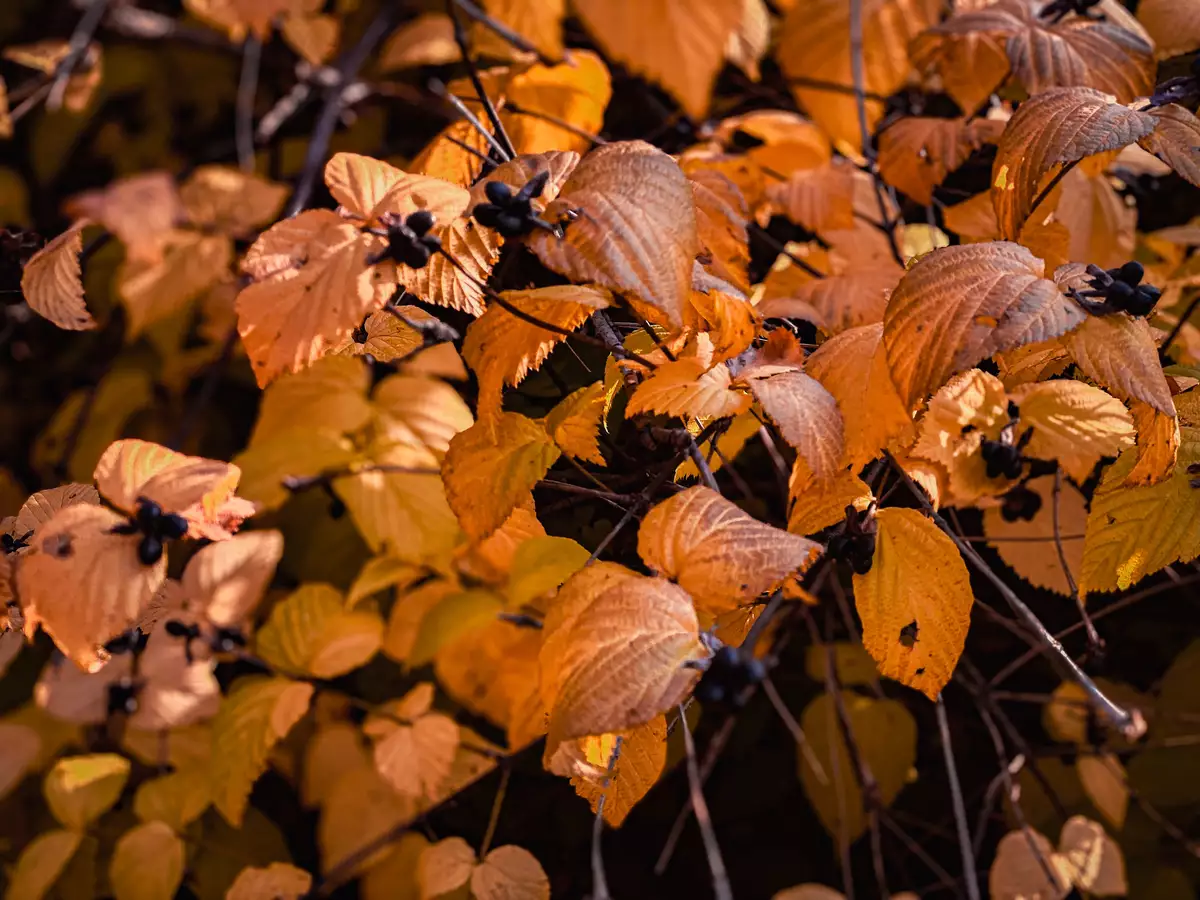
In late spring to early summer, Rhodotypos scandens adorns itself with striking 2-inch, four-petaled white flowers, followed by glossy black, bead-like fruits in groups of four that persist throughout winter, offering a unique visual interest. This shrub is highly tolerant of drought, pollution, and clay soil but requires well-drained conditions.
Despite its resilience and low maintenance, Jetbead is invasive in parts of the United States, forming dense thickets that displace native flora. Additionally, its fruits are highly toxic, posing a severe risk if ingested. This makes it unsuitable for planting in residential landscapes, and native alternatives are recommended for environmentally conscious gardening.