0
Close
1 / 6
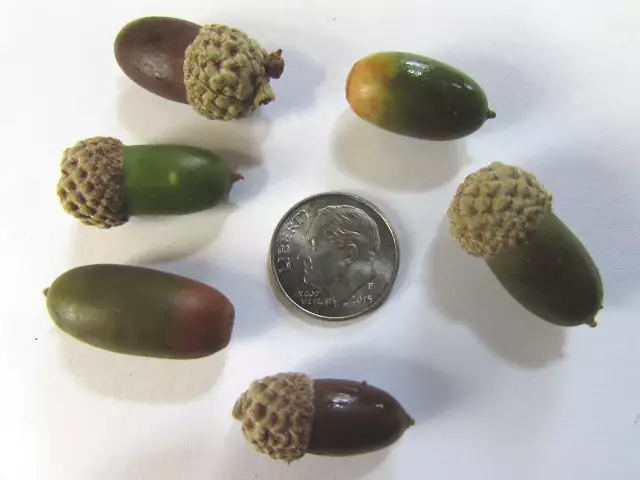
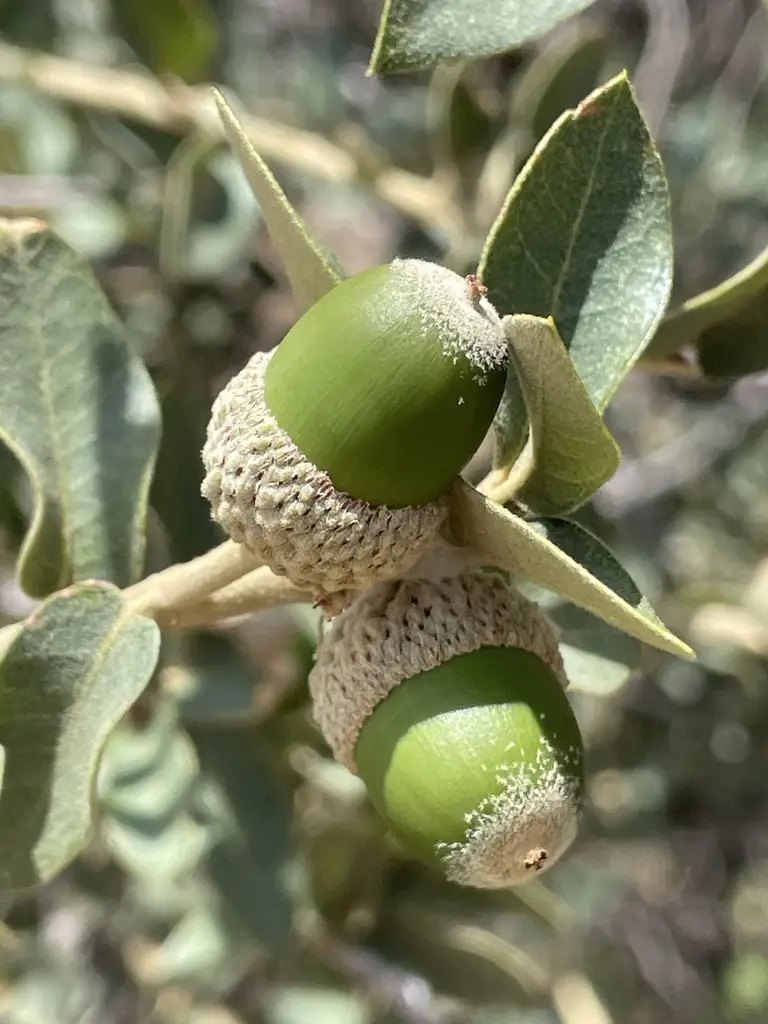
Quercus grisea (Grey Oak seed) Sheffield's Seed Co., Inc.
2 / 6

Growing Info

Scarification
Scarification: Soak in water, let stand in water for 24 hours
Stratification
Stratification: cold stratify for 60 days , or until radicle emergence
Germination
Germination: sow seed 3/4" deep, tamp the soil, mulch the seed bed

Other: fall sowing in mulched beds is preferred to artificial stratification 

Native to: Arizona, Mexico, New Mexico, Texas
Native
Introduced

Quercus grisea

Gray Oak

Recalcitrant seeds require refrigeration and are sensitive during shipping. As transit time and carrier handling are beyond our control, seed condition upon arrival may vary.
  • Quercus grisea

Please select the quantity desired, and we will advise availability and price as soon as possible.

Details

Min. hardiness zone:
7

No Export to These Countries

New Zealand

Growing Info

Scarification
Scarification: Soak in water, let stand in water for 24 hours
Stratification
Stratification: cold stratify for 60 days , or until radicle emergence
Germination
Germination: sow seed 3/4" deep, tamp the soil, mulch the seed bed

Other: fall sowing in mulched beds is preferred to artificial stratification 

Native to: Arizona, Mexico, New Mexico, Texas
Native
Introduced
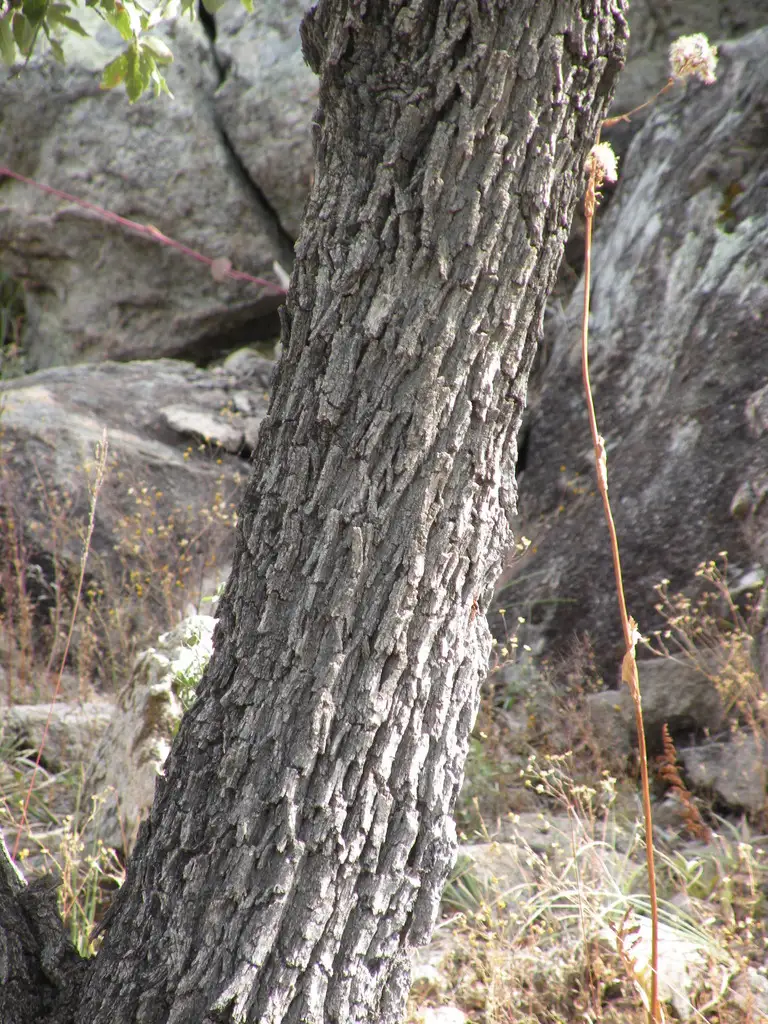
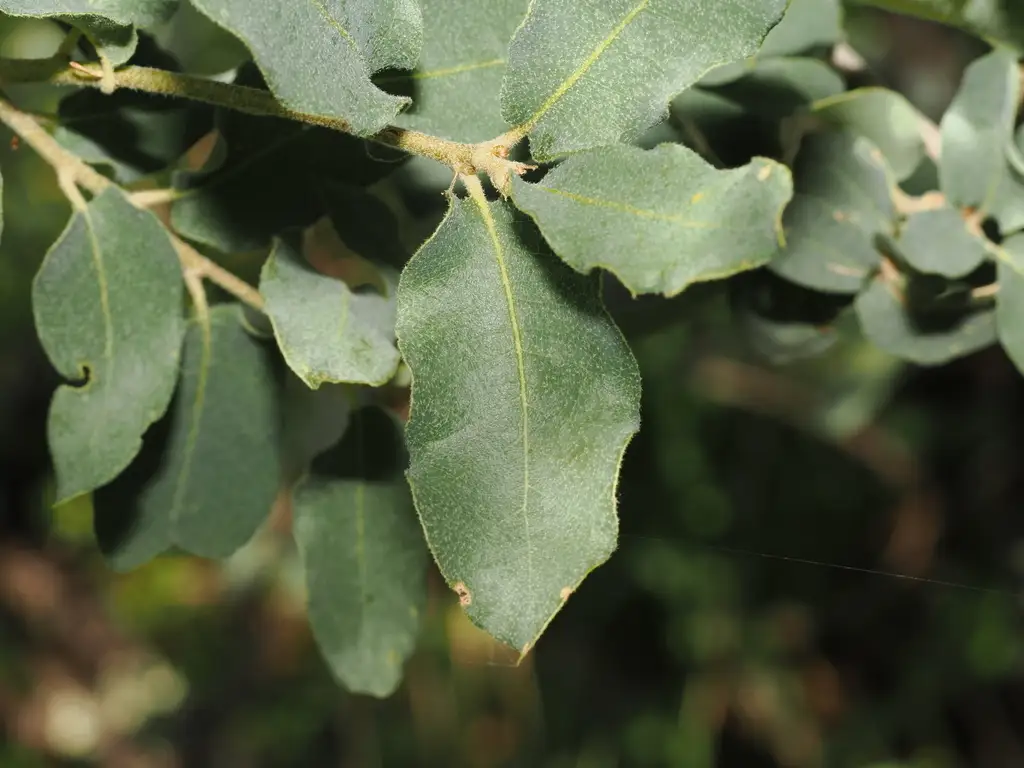
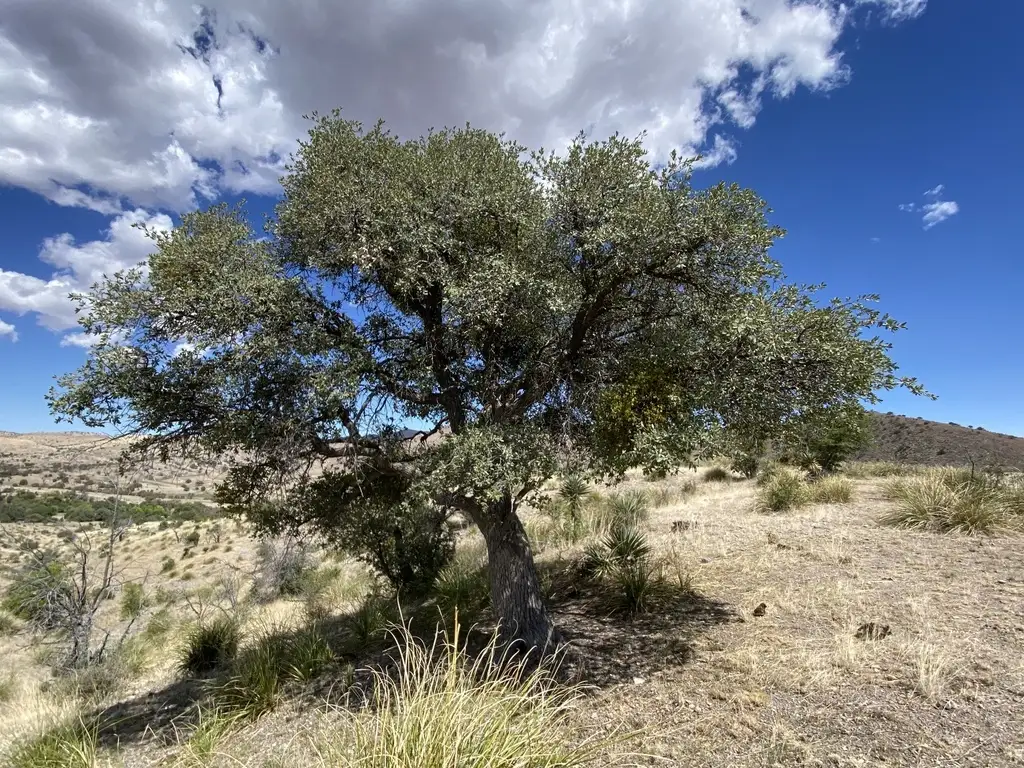
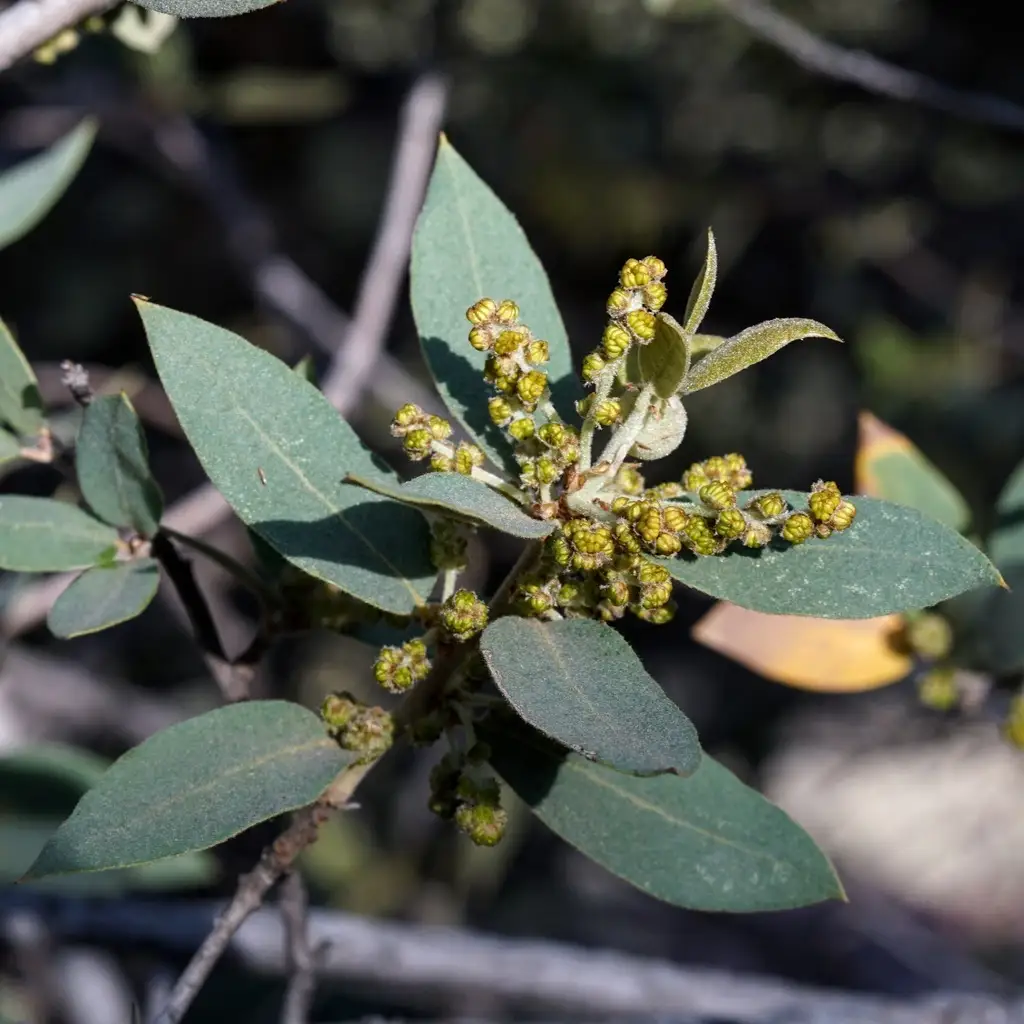
Quercus grisea, commonly known as Gray Oak, is a versatile and hardy addition to any landscape, thriving in a variety of environments, from rocky slopes to serene canyons. This evergreen species ranges from low clump-forming shrubs to small or medium-sized trees, typically reaching heights of 15 to 30 feet with an impressively rugged silhouette characterized by twisted branches and a gnarly trunk. The oval leaves, with their unique dull, blue-green to gray hue, offer a vibrant transformation to crimson in the fall, creating seasonal visual interest.

Ideal for ornamental use, Gray Oak serves as a medium-sized shade tree that requires low maintenance. It is highly drought-tolerant and cold-hardy, flourishing best in climates with hot summers. Its simple leaves arranged alternately possess a pinnate venation and are thick, adding to the tree’s robust appeal. Blooming discreetly from March through May, the tree produces tiny, clustered catkin flowers that develop into acorns, providing nourishment to wildlife such as deer, turkeys, and ground squirrels.

Native to the USA, especially in Trans-Pecos Texas to Arizona and south to Puebla in Mexico, the species is well-adapted to dry, limestone-based, sandy soils in sunlit or partially shaded areas. Notably, Gray Oaks are less susceptible to oak wilt, belonging to the resilient white oak group. Perfectly suited for enhancing desert, riparian, or woodland settings, they bring a touch of gritty elegance to any garden or natural landscape.

You might also like

Papaver somniferum

Papaver somniferum

Opium Poppy

Robinia pseudoacacia

Robinia pseudoacacia

Black Locust, False Acacia, Yellow Locust

Sequoia sempervirens

Sequoia sempervirens

California Redwood, Coast Redwood, Redwood

Sequoiadendron giganteum

Sequoiadendron giganteum

Bigtree, Giant Sequoia, Sierra Redwood, Sierran Redwood, Wellingtonia

(315) 497-1058
269 NY-34 Locke NY 13092
seed@sheffields.com

HOME - logo

Find us on: