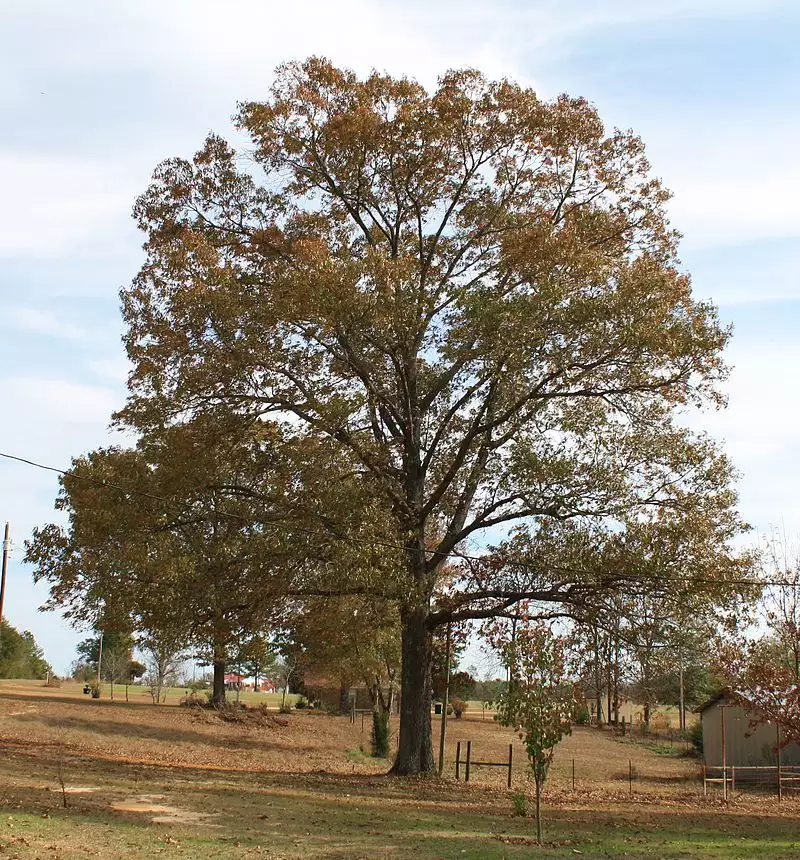
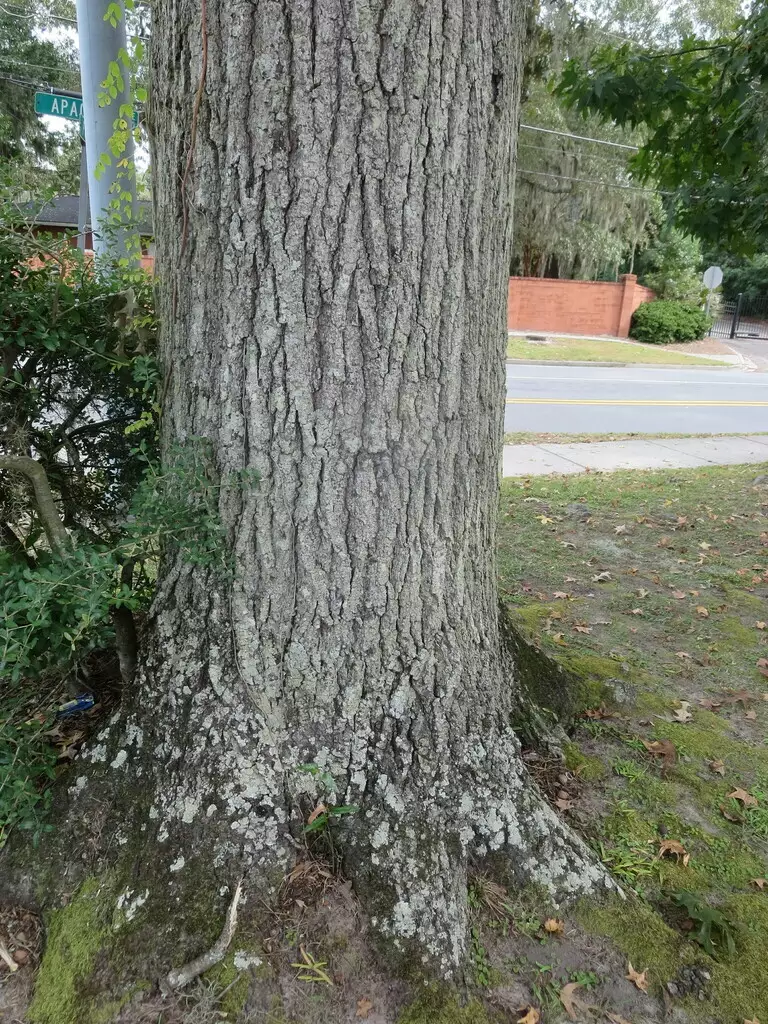
Quercus falcata, commonly known as Southern Red Oak or Spanish Red Oak, is a majestic deciduous tree native to the southeastern United States. Ideal for USDA zones 6 to 9, this robust oak thrives in full sun and well-drained, acidic soils, showcasing resilience in sandy and drought-prone areas. With its towering height of 60-80 feet and an expansive 40-50 foot spread, Southern Red Oak makes an impressive shade and street tree, adding value to both residential and urban landscapes. Notably drought-tolerant, it withstands urban conditions with ease, making it perfect for parks and large gardens.
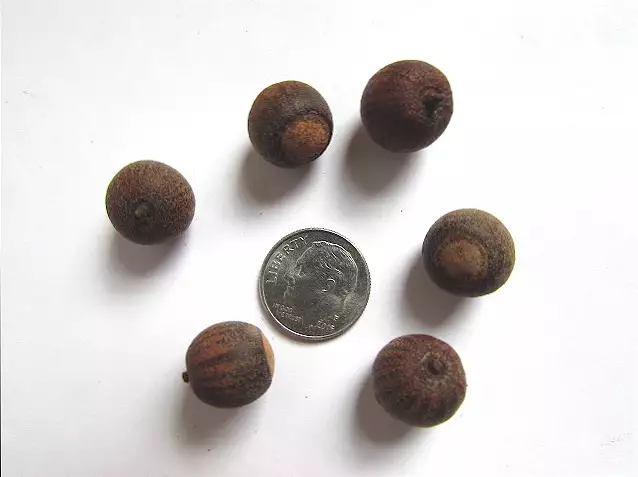
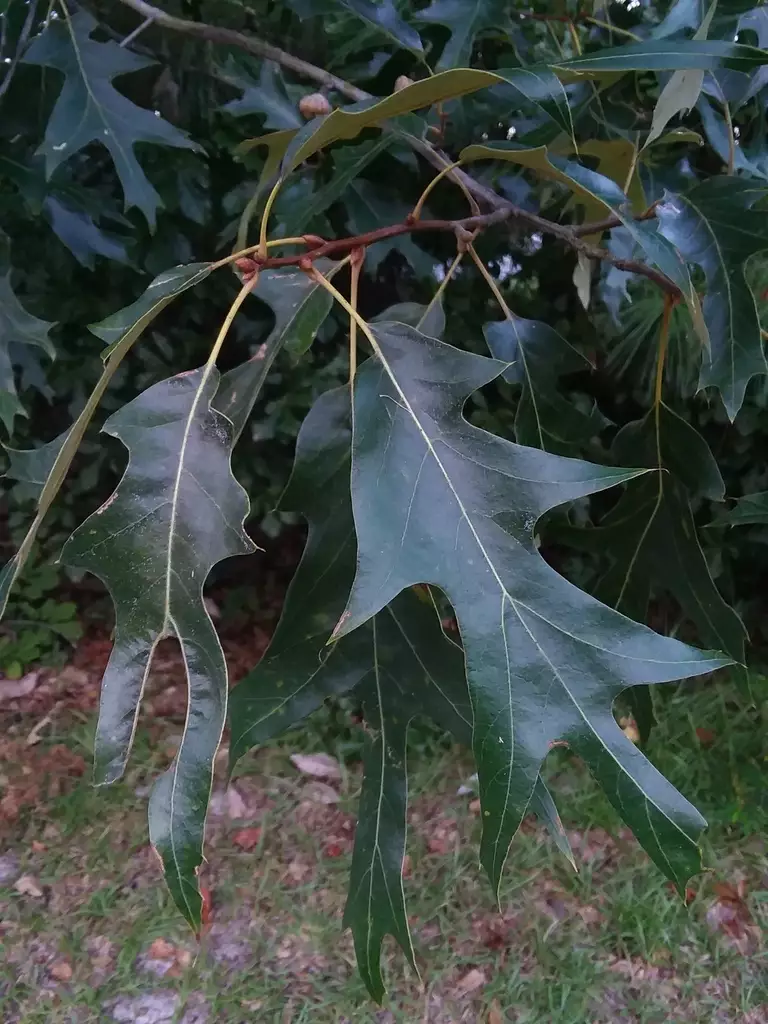
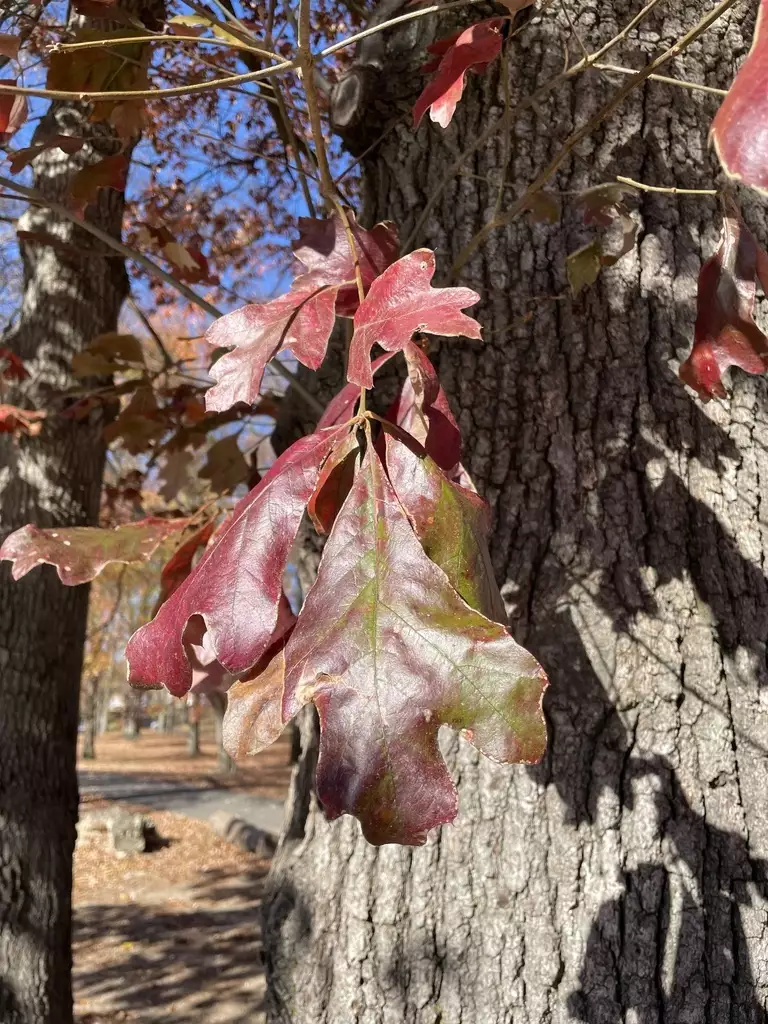
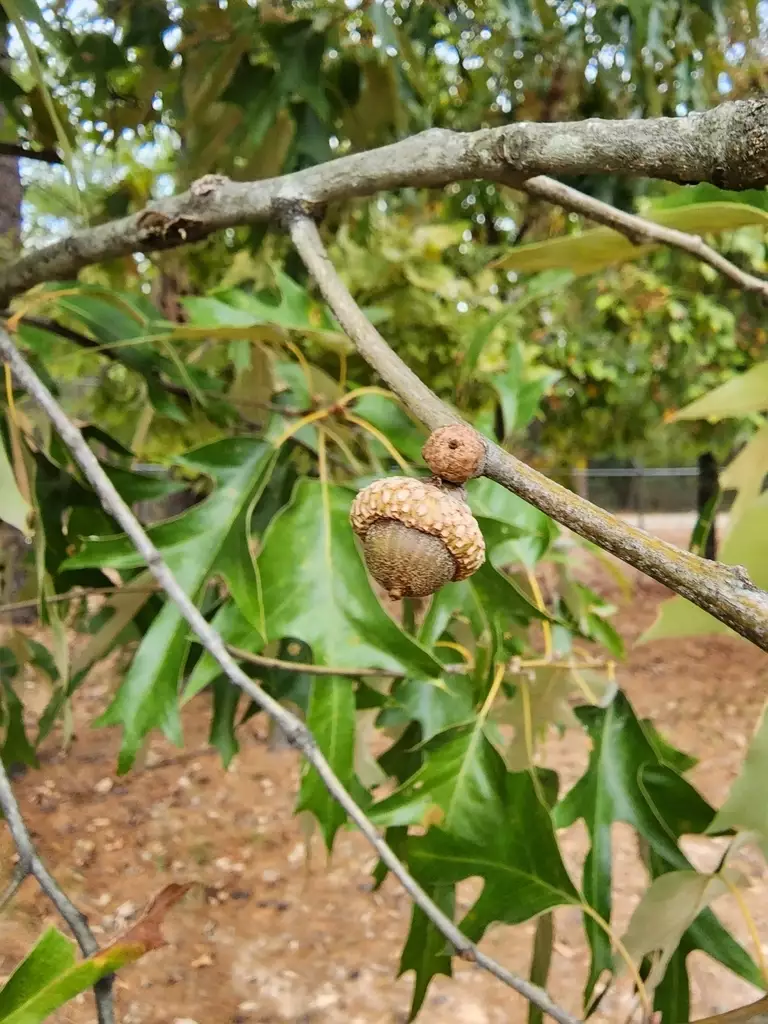
Southern Red Oak features a straight trunk and an open, rounded crown, with leaves that vary from obovate to broad oval, each carrying 3-9 bristle-tipped lobes. The foliage exhibits a dark green hue above and is paler underneath, lending an attractive contrast when rustled by the wind. Though its fall color is modestly reddish-brown, its ornamental appeal remains through its acorns, which mature in autumn, serving as a nutritious food source for birds and mammals alike.
Beyond its aesthetic appeal, Southern Red Oak supports wildlife as a host plant for numerous butterflies, moths, and other beneficial insects. With minimal maintenance required, and its vibrant ecosystem contributions, this resilient oak is perfect for enhancing biodiversity. Whether utilized for landscape beauty, timber, or ecological support, Southern Red Oak stands tall as a testament to enduring natural elegance and strength.