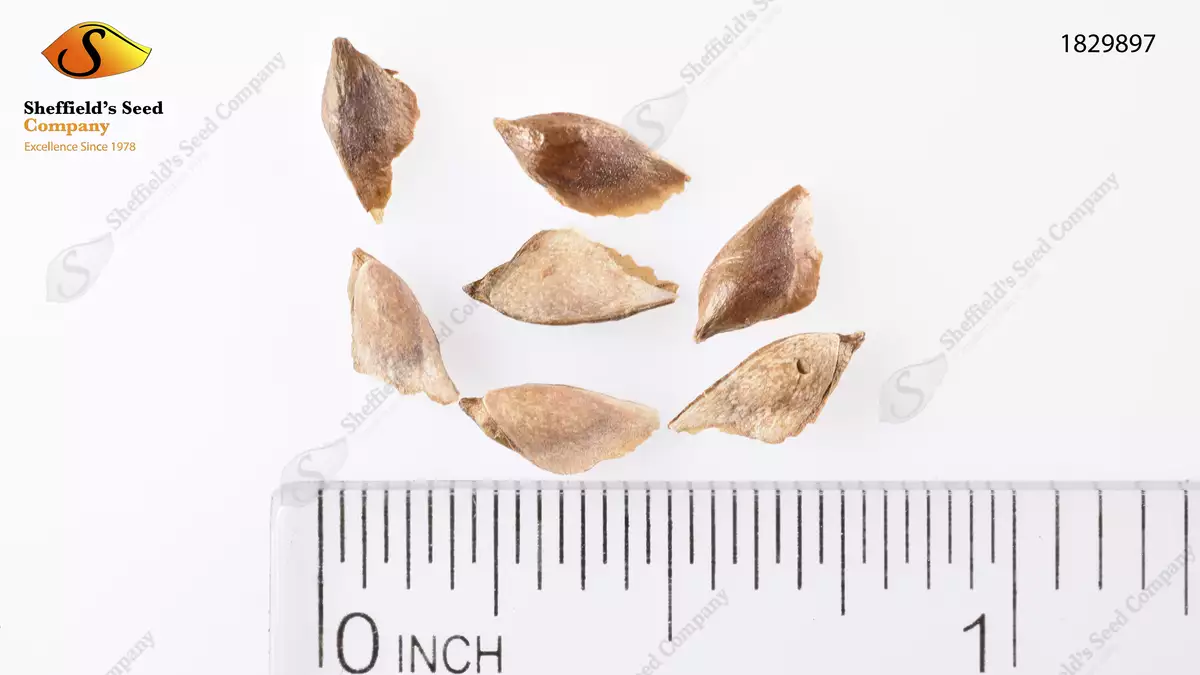
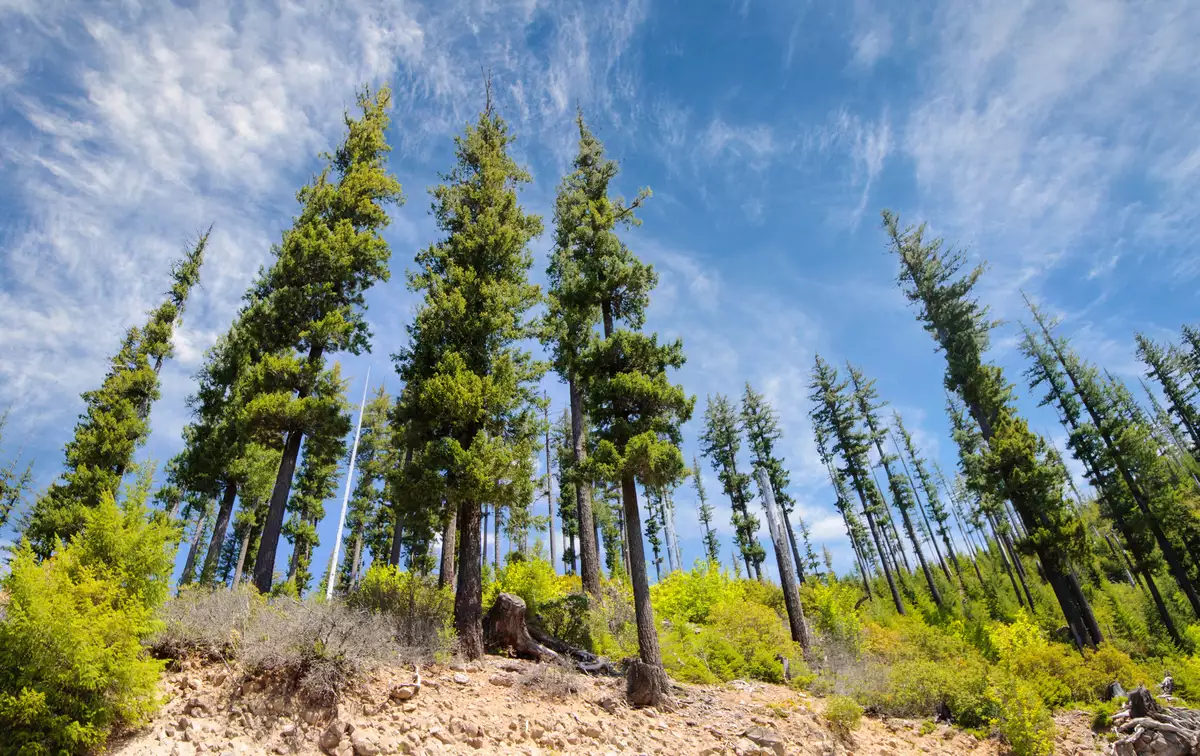
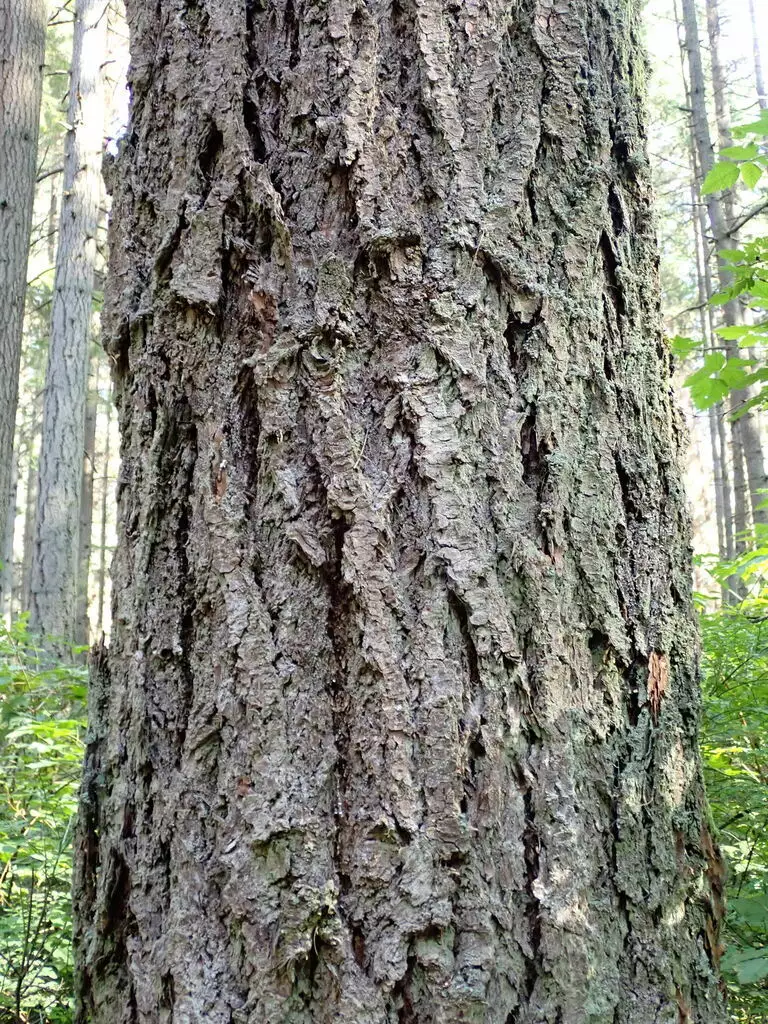
Pseudotsuga menziesii, Douglas Fir, is an exquisite needled evergreen that embodies both resilience and beauty. Native to elevations up to 9,500 feet from southwestern British Columbia to western central California, this majestic conifer thrives in USDA Zones 5 to 6. Attainable heights range from a cultivated 40 to 80 feet, while wild variants can impressively skyrocket to over 300 feet. Exhibiting a narrow, pyramidal silhouette when young, Douglas Fir matures into a more cylindrical form with its lower branches yielding to age, leaving the crown uniquely adorned.
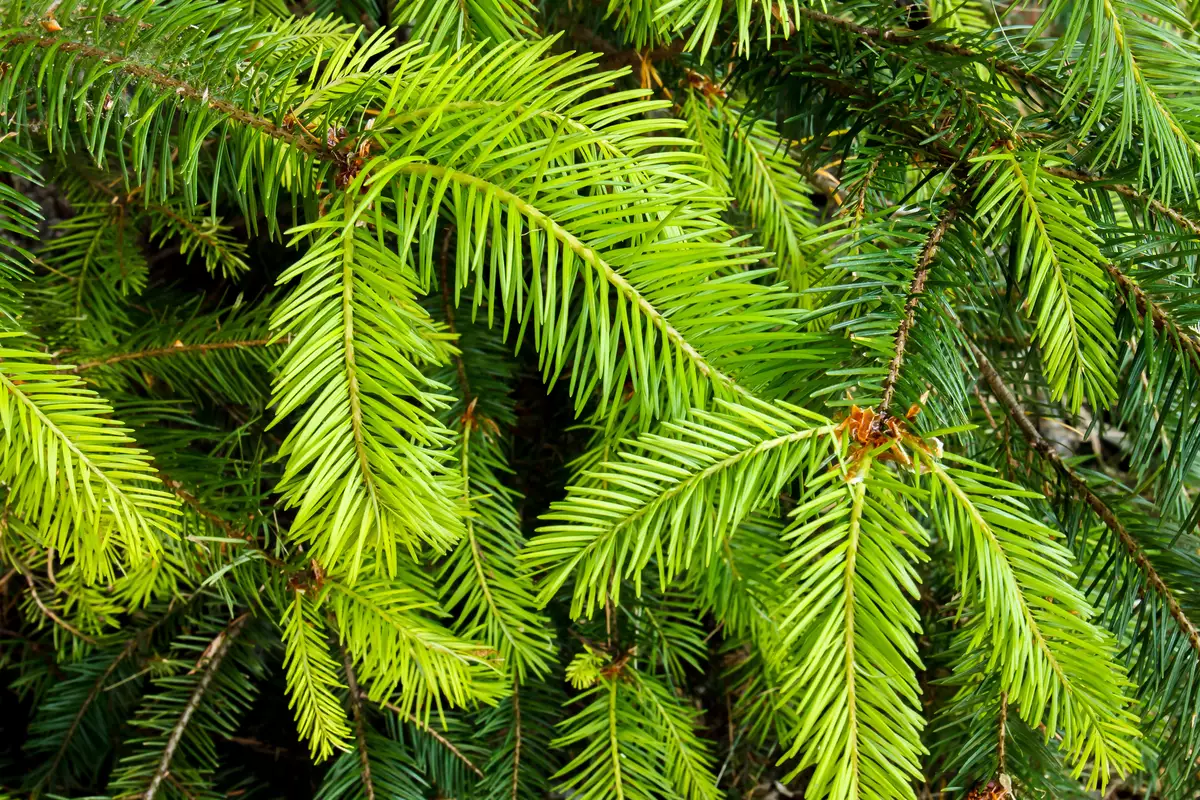
Its hallmark features include the pendulous, 3-inch cones with distinctive trident-shaped bracts, an aromatic allure from the flat, spirally-arranged needles that boast a striking blue-green tint with white undersides. Ideal in northern or northwestern climates, it prospers in full sun and moist, well-drained soils, proving an invaluable asset for timber and natural forest settings. Douglas Fir bears the historical weight of being named in honor of Scottish botanist David Douglas, and remains a monumental figure in forestry, while being the favored choice for Christmas trees in cool, mountainous regions of North America.