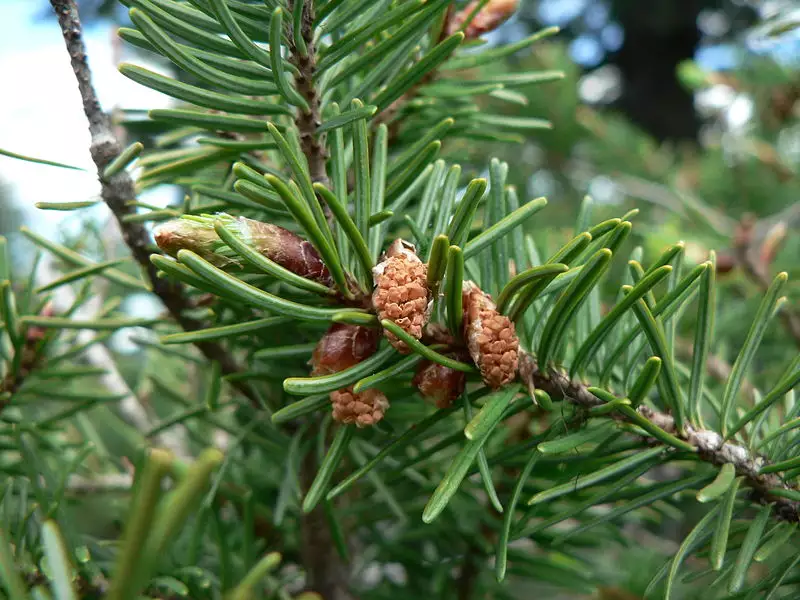
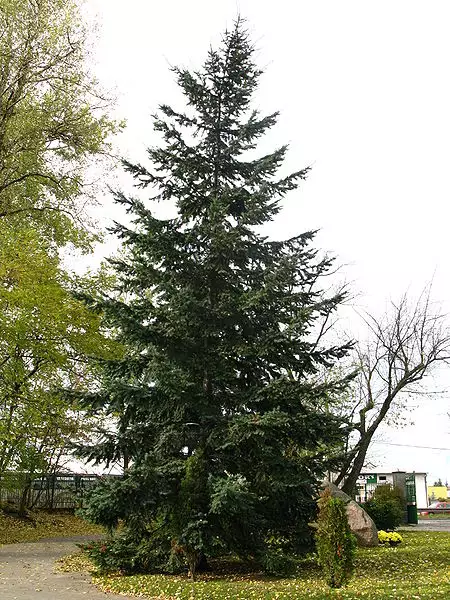
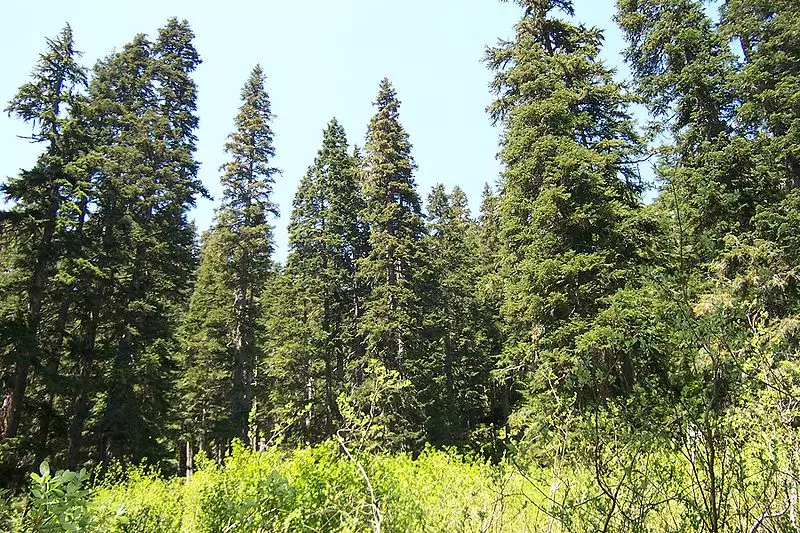
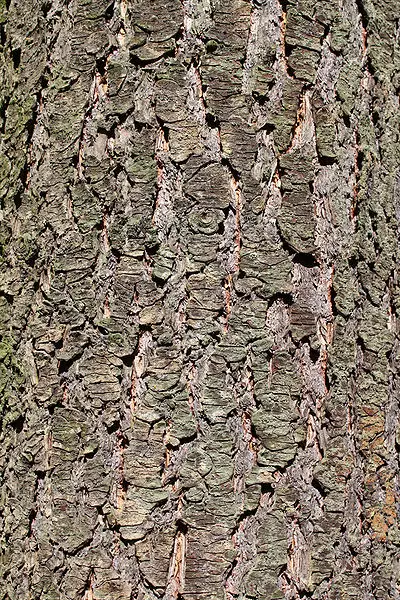
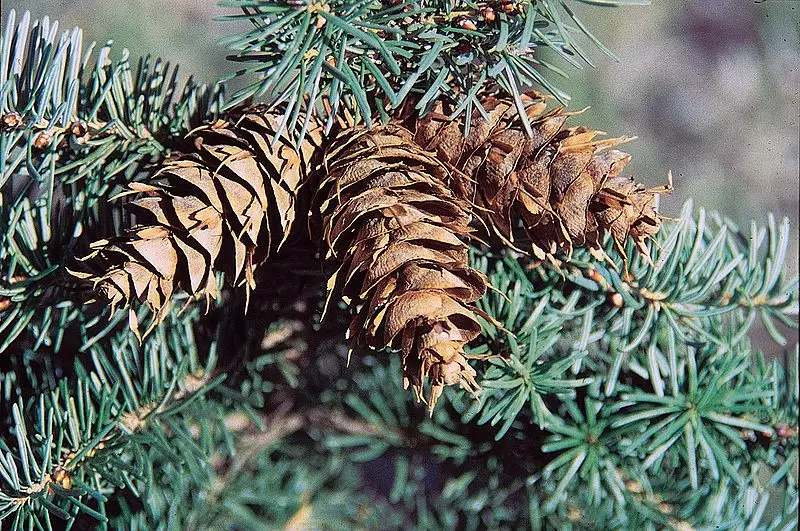
Discover the majestic beauty and versatility of the Pseudotsuga menziesii, commonly known as the Deep Mountain Douglas Fir. This evergreen conifer, native to western North America, thrives in diverse conditions and is treasured for its fast growth, versatility, and valuable timber. The species, named in honor of Scottish physician Archibald Menzies, stands out with its towering height, unique forked cone bracts, and aromatic, spirally-arranged needles. It's frequently planted as a striking specimen tree, in mass screenings, or used as a popular Christmas tree.
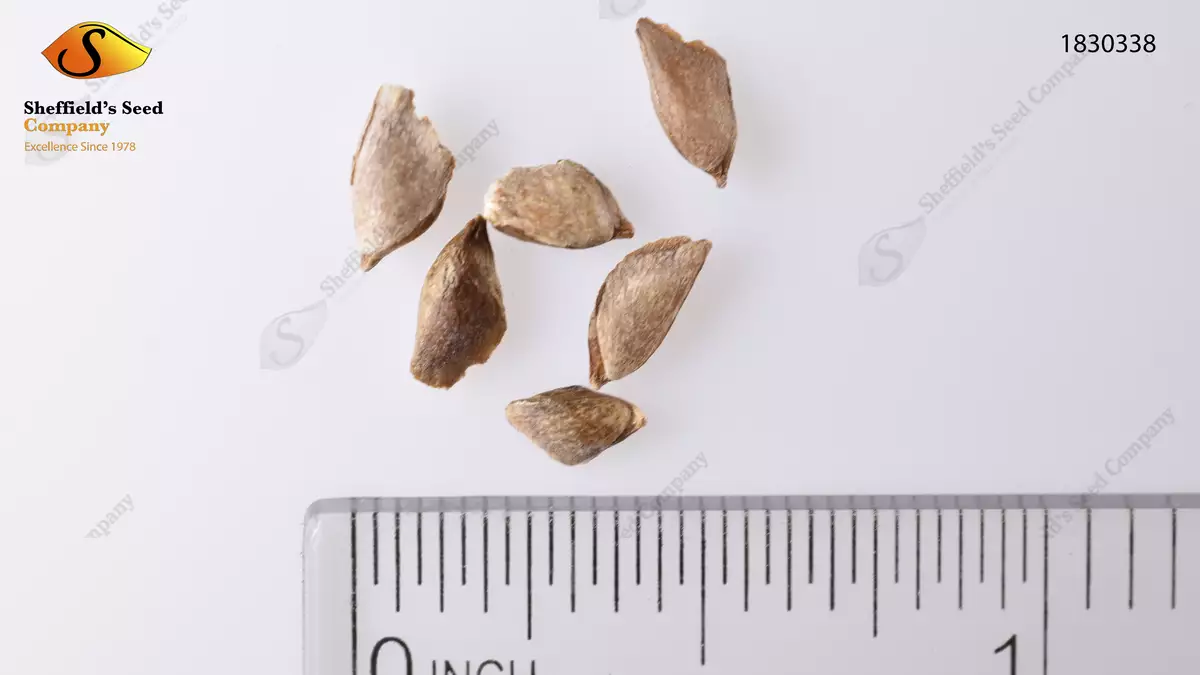
The Douglas Fir family includes the hardy Rocky Mountain variety (Pseudotsuga menziesii var. glauca), renowned for its adaptability to higher elevations, slower growth, and shorter cones. This variety features blue-green needles and exceptional winter hardiness, making it suitable for regions outside the Pacific Northwest and perfect for midwestern climates with its USDA Zone 4 hardiness. Notably, Douglas Fir seeds play a crucial role in the ecosystem as a food source for small mammals.
A nod to the legacy of botanists David Douglas and Archibald Menzies, the Douglas Fir isn't a true fir, thus often written as Douglas-fir. It flourishes in medium to wet, well-drained soils under full sun, thriving best with ample air and soil moisture. While it is an iconic timber tree and forest giant, it may not suit urban landscapes, particularly in hot, humid regions like St. Louis. Unveil the allure of this extraordinary tree and its role as a natural masterpiece and ecological cornerstone.