0
Close
1 / 6
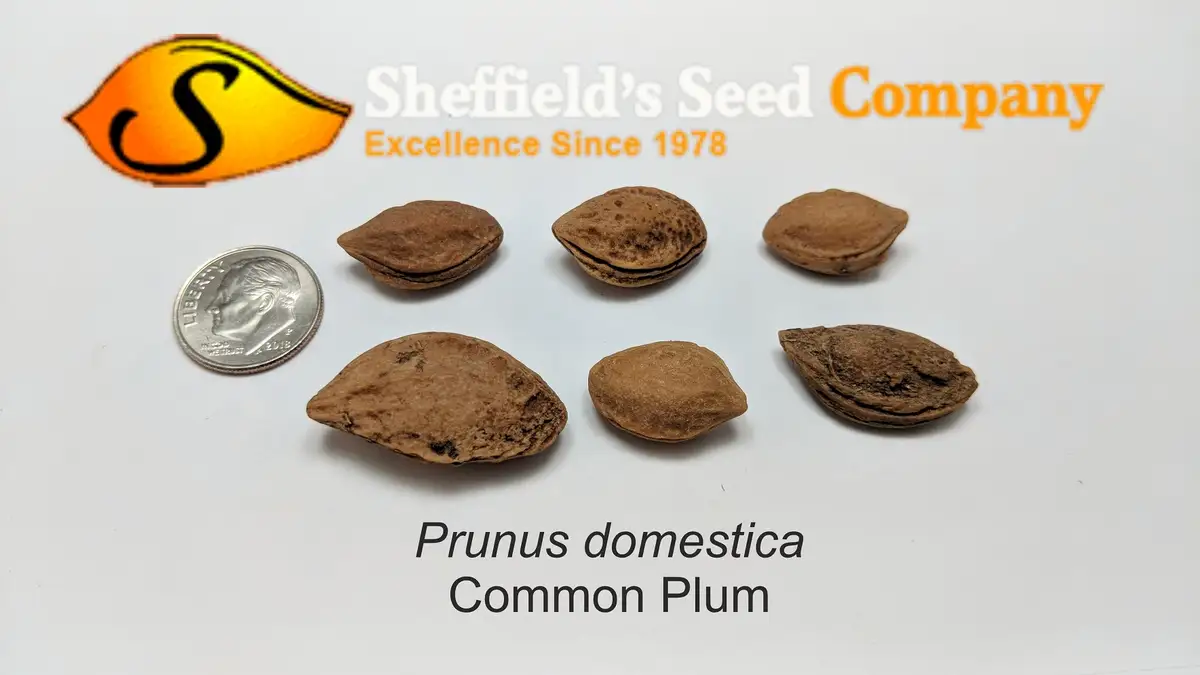
2013 crop New York
2 / 6

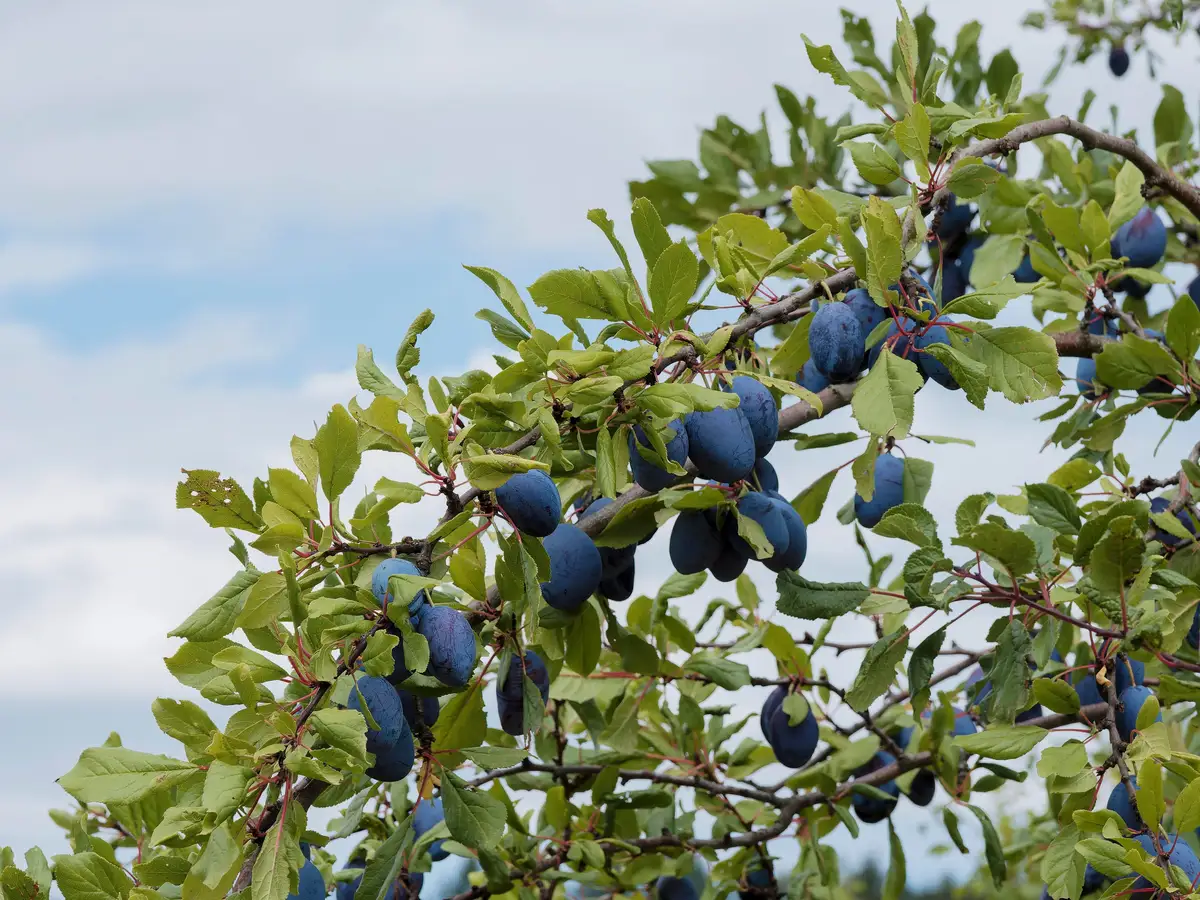
AdobeStock

3 / 6

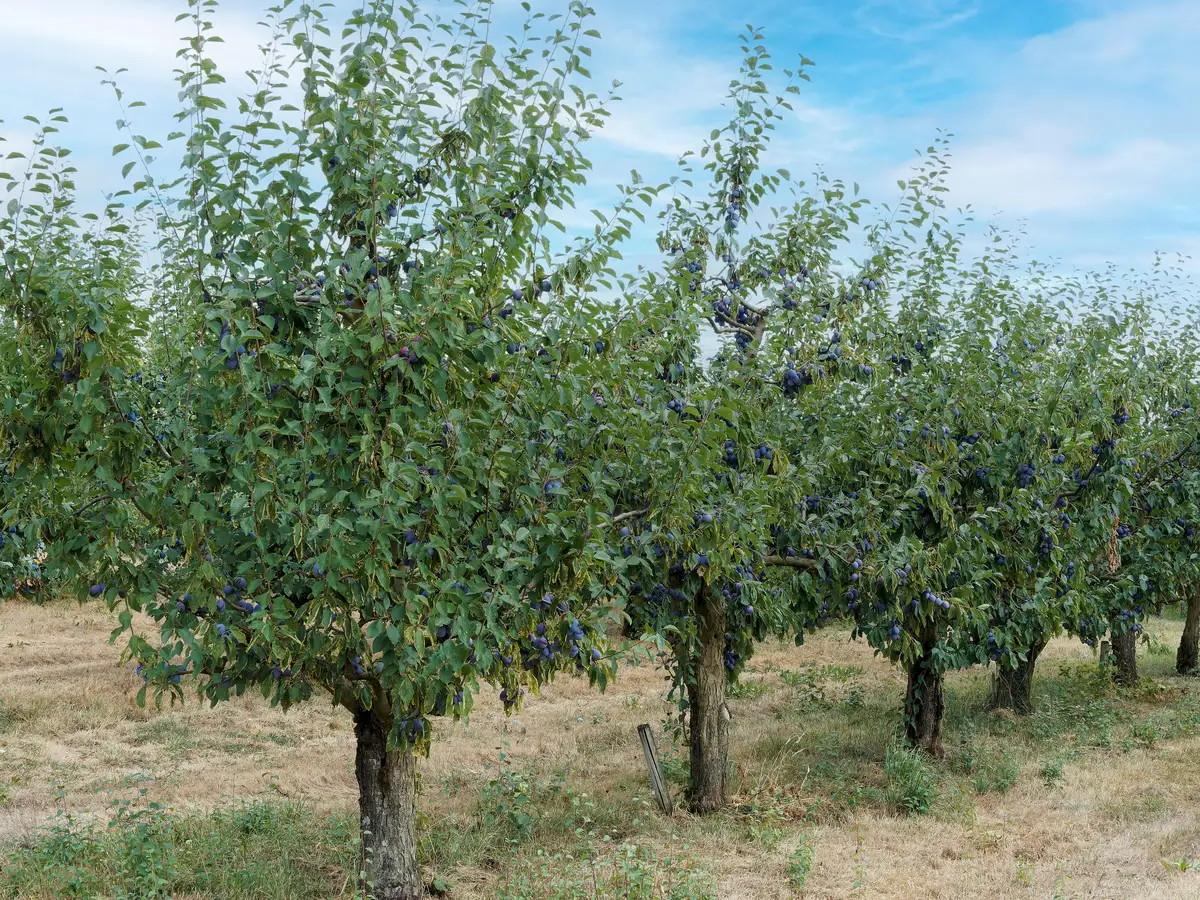
AdobeStock

4 / 6

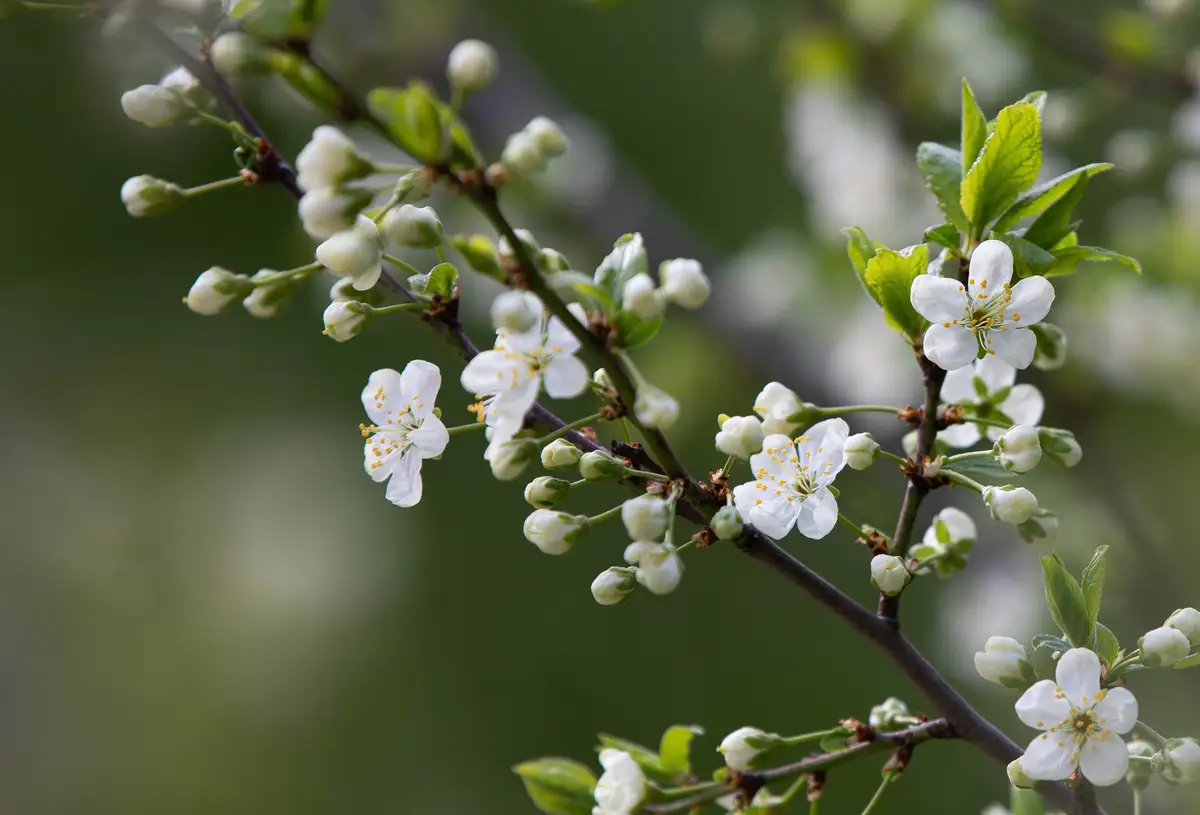
AdobeStock

5 / 6

AdobeStock

6 / 6

AdobeStock

Growing Info

Scarification
Scarification: Soak in water, let stand in water for 24 hours
Stratification
Stratification: cold stratify for 120 days
Germination
Germination: sow seed 3/4" deep, tamp the soil, mulch the seed bed

Native to: Europe, western Asia
Native
Introduced

Prunus domestica

European Plum, Plum

In Stock: 1.05 lb (Total:1.05lb)
  • Prunus domestica

    All items have bulk rates priced in
select i.*, as2.state_abbr from inventory_item_manage i left outer join sheffields_2017.address_states as2 on (as2.state_name = i.CollectionLocale or as2.state_abbr = i.CollectionLocale) where i.inventory_id = '1132' group by i.id

Buying options

1.05 lb
WA

Details

Germination:
91%
Germination test:
Cut (Full Seed)
Purity:
99%
Seeds per lb:
326
Quantity:
1.05 lb
Collected in:
Washington
Crop year:
2026
Min. hardiness zone:
5
Item ID:
1838179

No Export to These Countries

Australia, Canada, South Africa

Growing Info

Scarification
Scarification: Soak in water, let stand in water for 24 hours
Stratification
Stratification: cold stratify for 120 days
Germination
Germination: sow seed 3/4" deep, tamp the soil, mulch the seed bed

Native to: Europe, western Asia
Native
Introduced
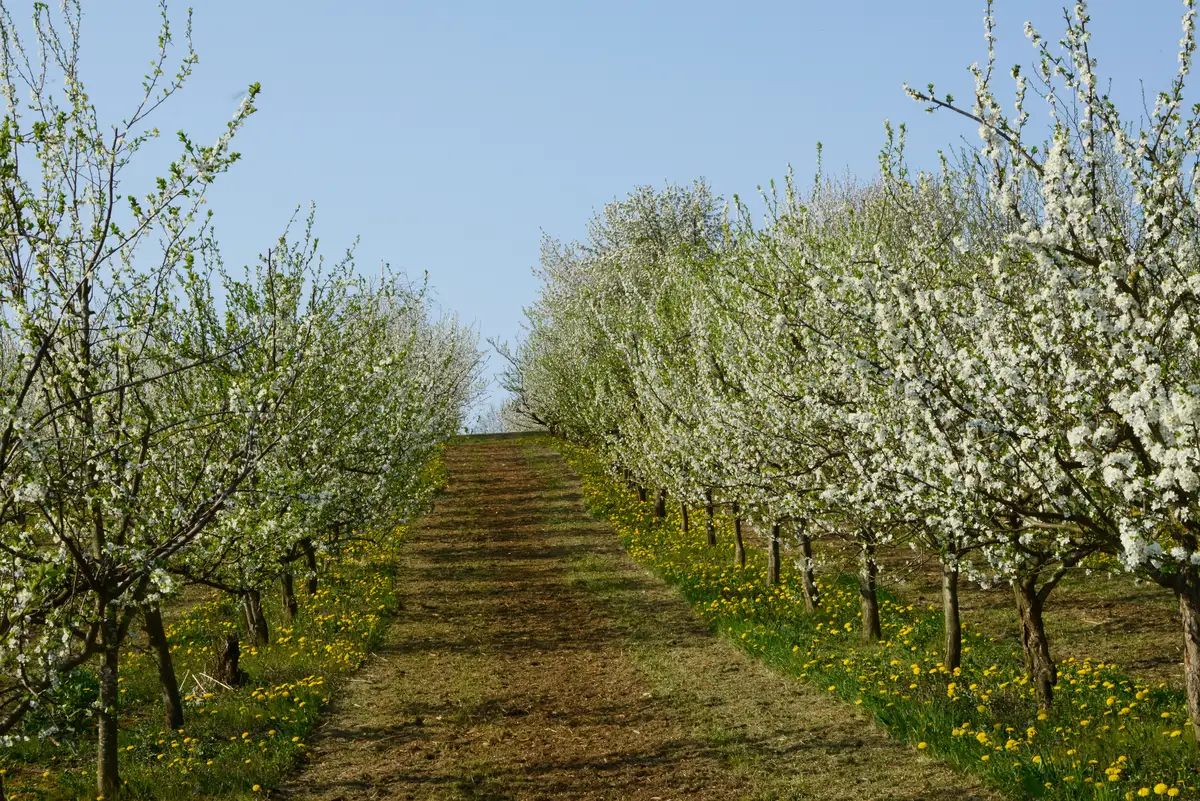
European Plum (Prunus domestica) is a versatile, deciduous fruit tree celebrated for its ornamental beauty and delicious, sweet fruits. Originating from Western Asia and Europe, this adaptable tree is now predominantly cultivated in the West Coast and Great Lakes regions, thriving in USDA Hardiness Zones 5-9. Typically growing as a large shrub or a small tree reaching heights of 15 to 20 feet, European Plum showcases a spectacular display of white to pink blossoms in April, captivating in both spring and harvest seasons.

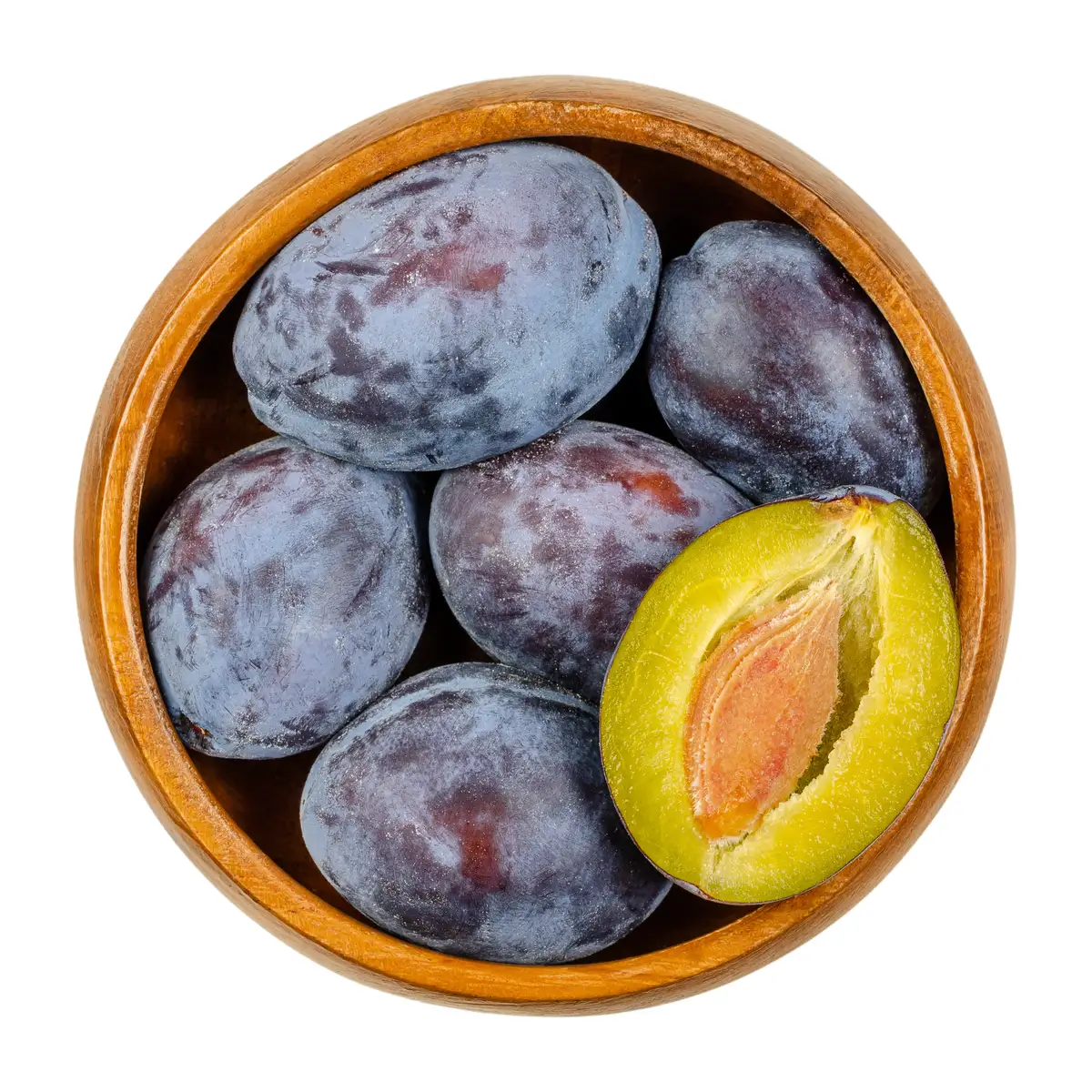
Favored for its intensely flavored, firm, freestone fruits, European Plum excels in fresh eating, preserving, and drying into prunes thanks to its high sugar content. This quality makes it ideal for making traditional European jams and desserts. Unlike many fruit trees, most European plum varieties are self-fertile, ensuring reliable fruit production even in cooler northern climates, where they bloom later than Japanese varieties and thus evade frost damage.

For optimal growth, these trees prefer fertile, moist, well-drained soils and can comfortably adapt to heavier, clay soils and partial shade. Beyond their productive yield, European Plums offer rich ecological benefits as they attract birds and mammals to their fruits. Their showy blossoms and dependable yields make them an excellent choice for backyard orchards and ornamental landscaping, providing not just beauty and shade but an abundance of delightful fruits ready to enhance culinary endeavors year-round.

You might also like

Malus pumila var. Antonovka

Malus pumila var. Antonovka

Antonovka Apple

Malus pumila

Malus pumila

Common Apple, Paradise Apple

Prunus persica var. Lovell

Prunus persica var. Lovell

Lovell Peach, Peach

Pyrus communis 'Kirschensaller'

Pyrus communis 'Kirschensaller'

Kirschensaller Pear

(315) 497-1058
269 NY-34 Locke NY 13092
seed@sheffields.com

HOME - logo

Find us on: