0
Close
3 / 6
4 / 6
5 / 6

AdobeStock

6 / 6

AdobeStock

Growing Info

Scarification
Scarification: Soak in water, let stand in water for 24 hours
Stratification
Stratification: warm stratify for 120 days, cold stratify for 120 days
Germination
Germination: sow seed 3/4" deep, tamp the soil, mulch the seed bed

Native to: Eastern Europe, Western and Central Asia
Introduced to: North America
Native
Introduced

Prunus cerasifera

Cherry Plum, Myrobalan Plum

In Stock: 3.248 lb (Total:3.248lb)
  • Prunus cerasifera

    All items have bulk rates priced in
select i.*, as2.state_abbr from inventory_item_manage i left outer join sheffields_2017.address_states as2 on (as2.state_name = i.CollectionLocale or as2.state_abbr = i.CollectionLocale) where i.inventory_id = '1129' group by i.id

Buying options

3.25 lb
OR

Details

Germination:
98%
Germination test:
Cut (Full Seed)
Purity:
99%
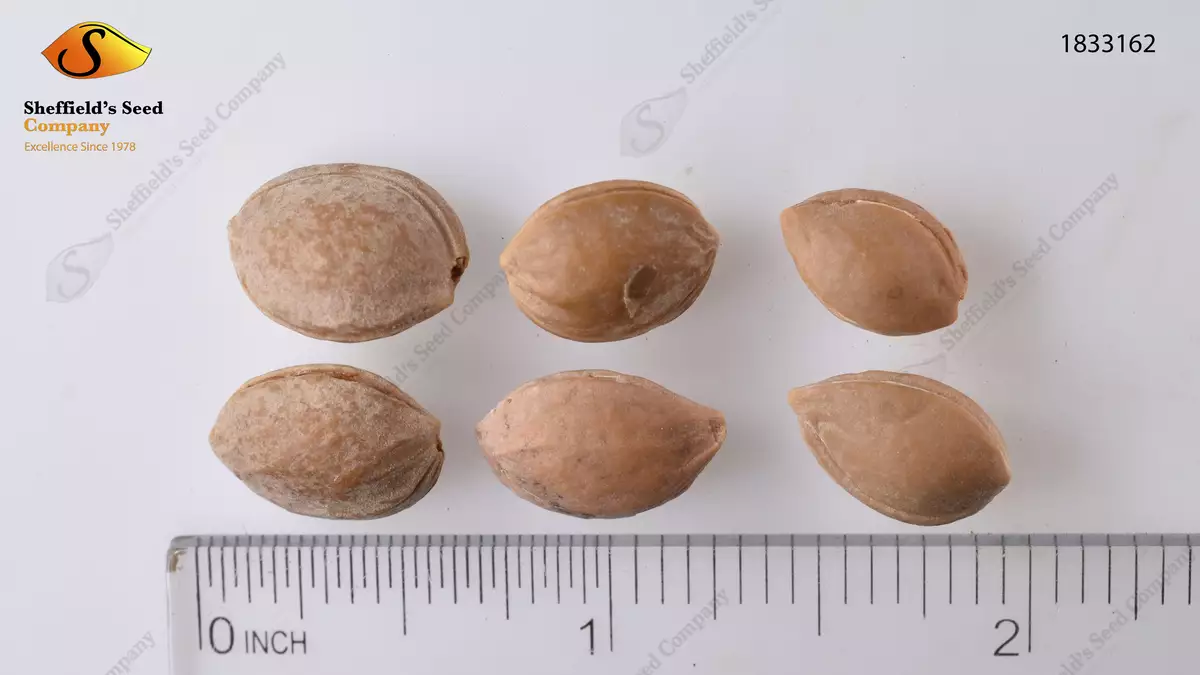
Seeds per lb:
970
Quantity:
3.25 lb
Collected in:
Oregon
Crop year:
2024
Min. hardiness zone:
5
Item ID:
1834876

No Export to These Countries

Australia, Canada, South Africa

Growing Info

Scarification
Scarification: Soak in water, let stand in water for 24 hours
Stratification
Stratification: warm stratify for 120 days, cold stratify for 120 days
Germination
Germination: sow seed 3/4" deep, tamp the soil, mulch the seed bed

Native to: Eastern Europe, Western and Central Asia
Introduced to: North America
Native
Introduced
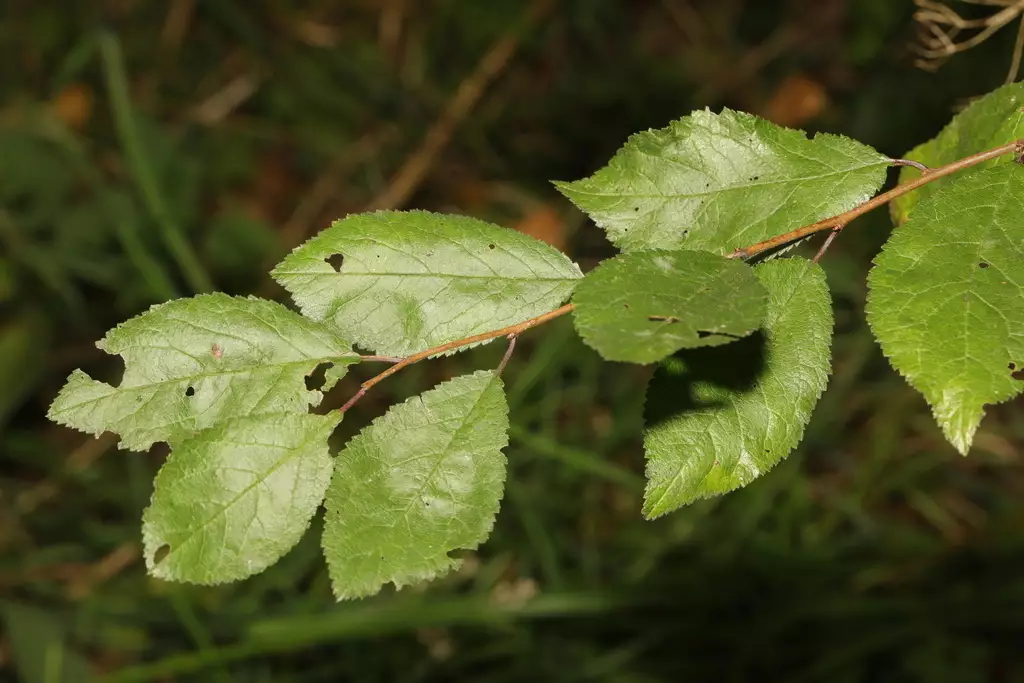
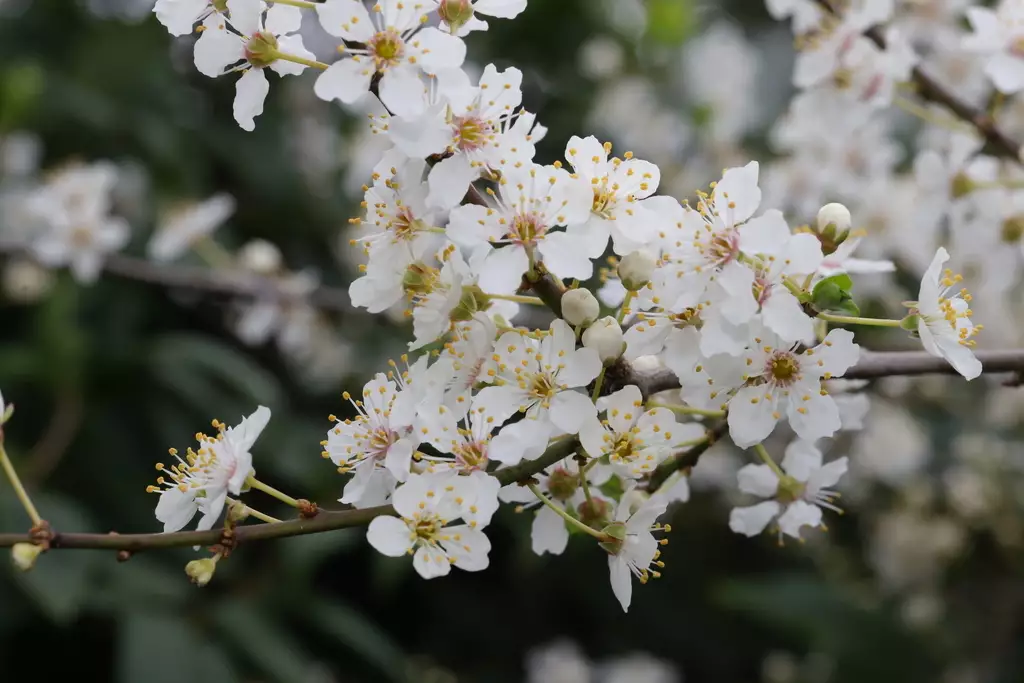
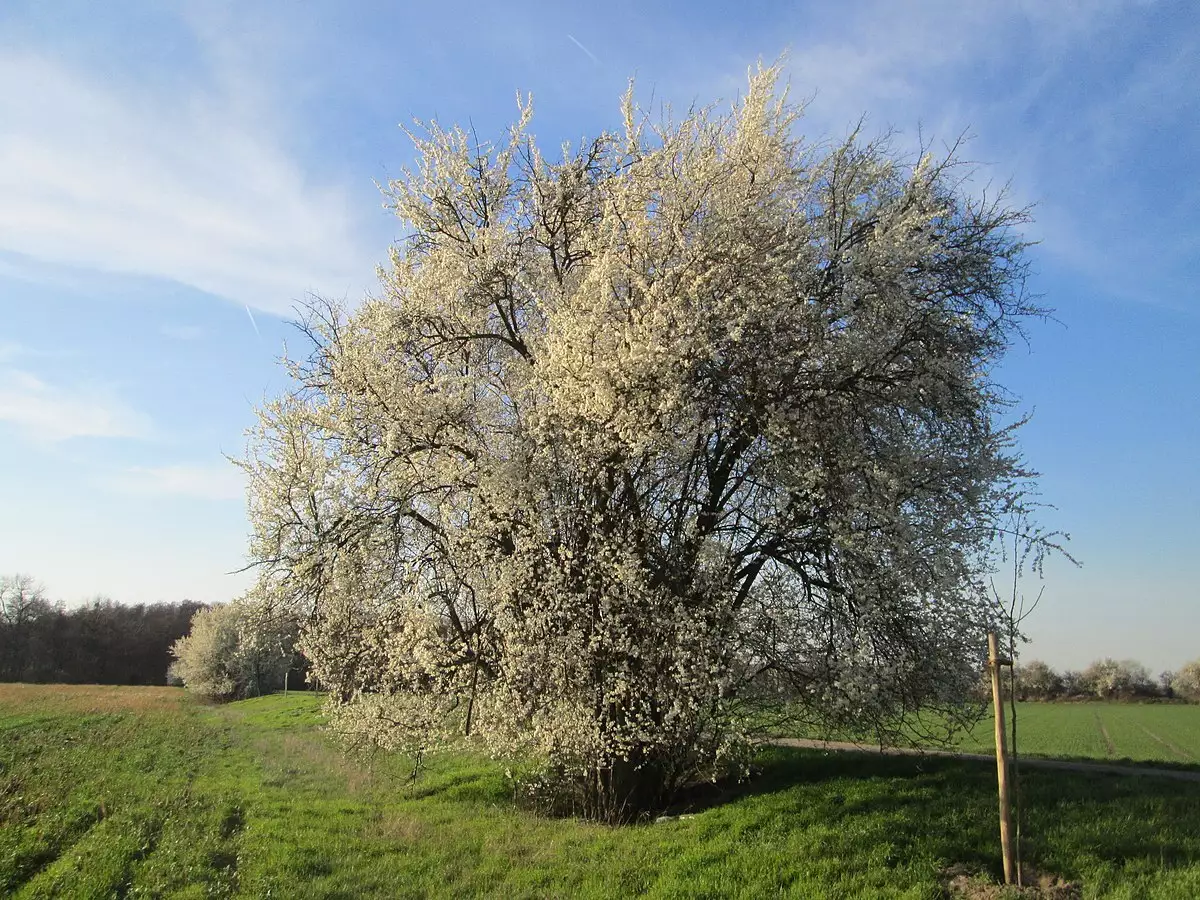
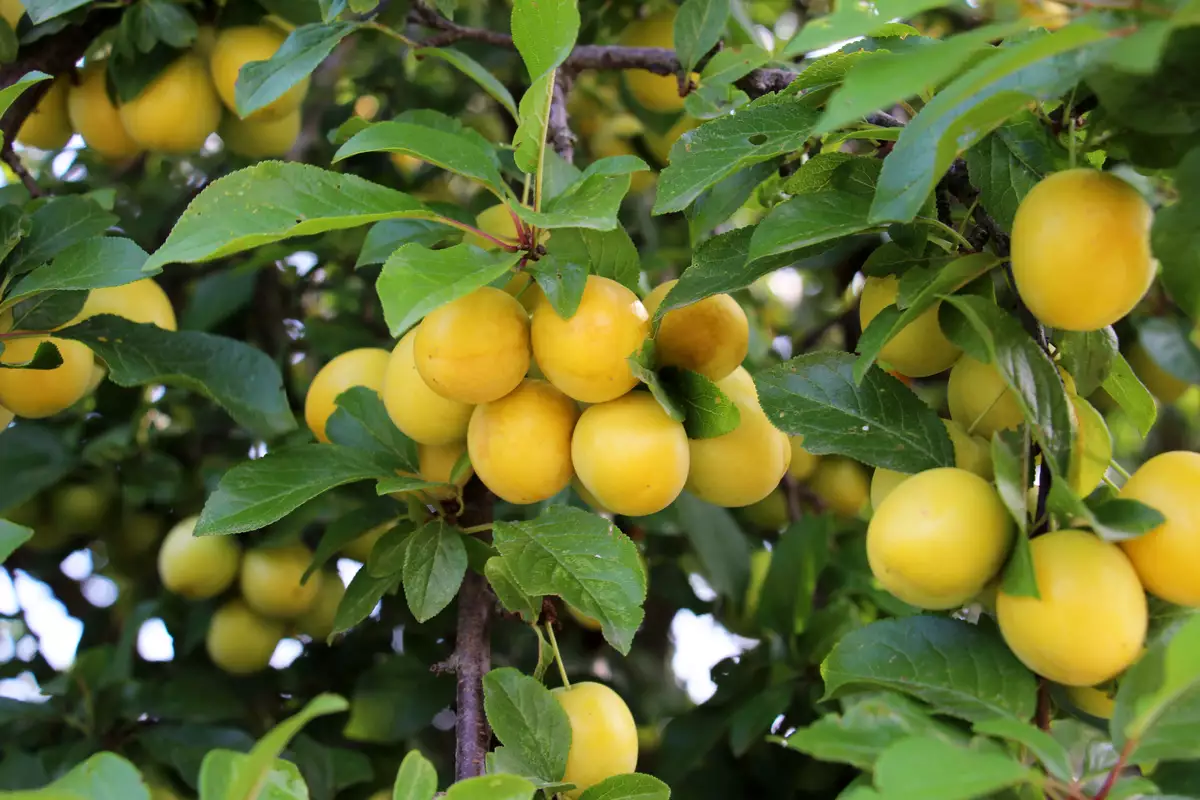
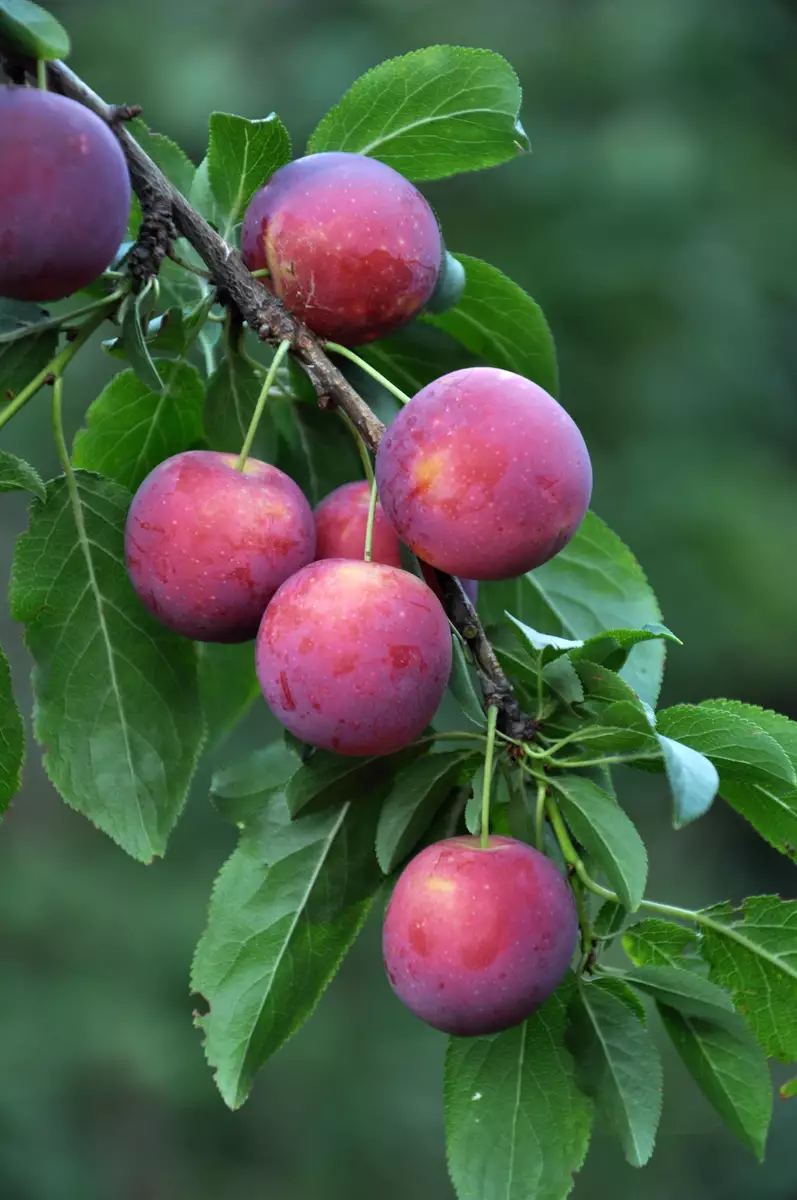
Discover the allure of Prunus cerasifera, commonly known as Cherry Plum or Myrobalan Plum, a captivating addition to any garden or landscape. Native to regions spanning Southeast Europe, Central Asia, and the Himalayas, this medium-sized, ornamental deciduous tree is renowned for its dramatic visual presence and charming seasonal appeal. In spring, it bursts to life with small, fragrant white flowers then come summer they showcase their ripe, yellow or red edible fruits.

Perfect as a specimen tree, Prunus cerasifera thrives in well-drained, loamy soils and flourishes under full sun, though it tolerates partial shade. While primarily cultivated for its ornamental value, its cherry-like fruits, available in shades of red and yellow, are also a delightful attraction for birds. Gardeners appreciate the tree's adaptability to various soil conditions.

Cherry Plum brings both beauty and biodiversity by attracting birds and adding structure to naturalized settings. Although the tree is susceptible to certain pests and diseases, its aesthetics and seasonal benefits make it a worthy addition to any gardener’s collection.

From its scholarly genus name, Prunus, meaning plum or cherry, to its specific Latin epithet, cerasifera, highlighting its fruit-bearing capabilities, Cherry Plum is a blend of natural grace and cultivated splendor. Whether as a centerpiece or part of a mixed border, it enhances the visual and ecological tapestry of gardens where it is cherished for both its floral and fruiting displays.

You might also like

Prunus americana

Prunus americana

American Plum, Common Wild Plum, Wild Plum

Prunus armeniaca var. mandshurica

Prunus armeniaca var. mandshurica

Apricot, Mandshurian Apricot

Pyrus communis

Pyrus communis

Common Pear, Domestic Pear

Prunus persica var. Lovell

Prunus persica var. Lovell

Lovell Peach, Peach

(315) 497-1058
269 NY-34 Locke NY 13092
seed@sheffields.com

HOME - logo

Find us on: