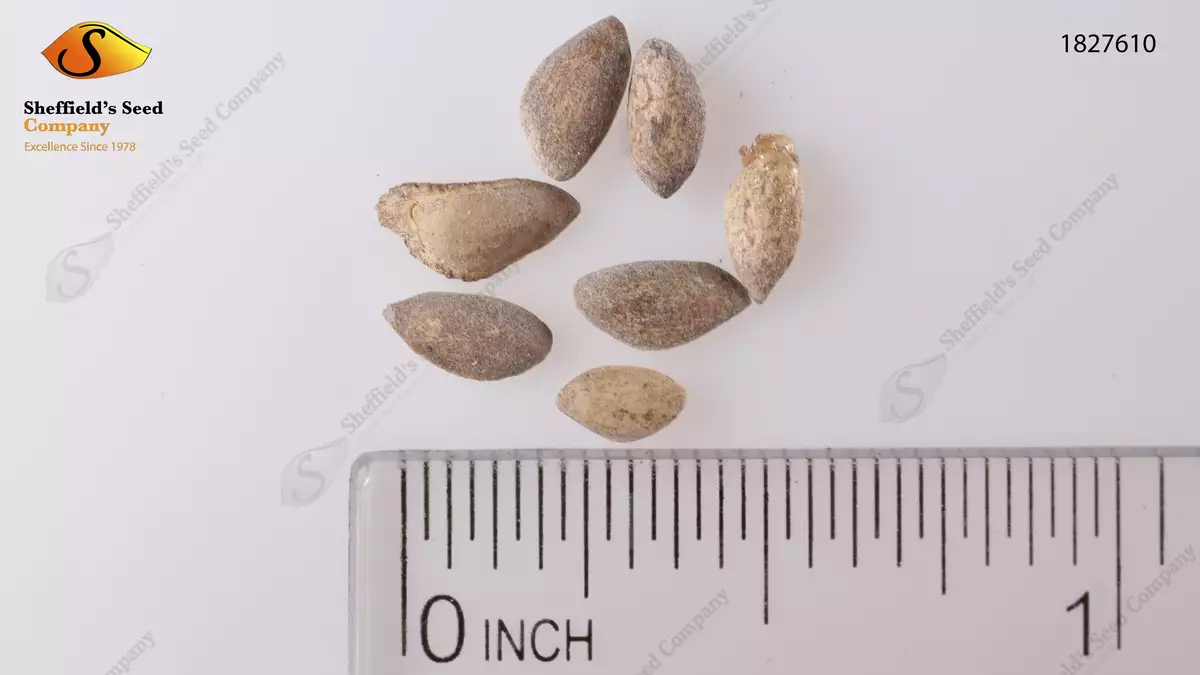
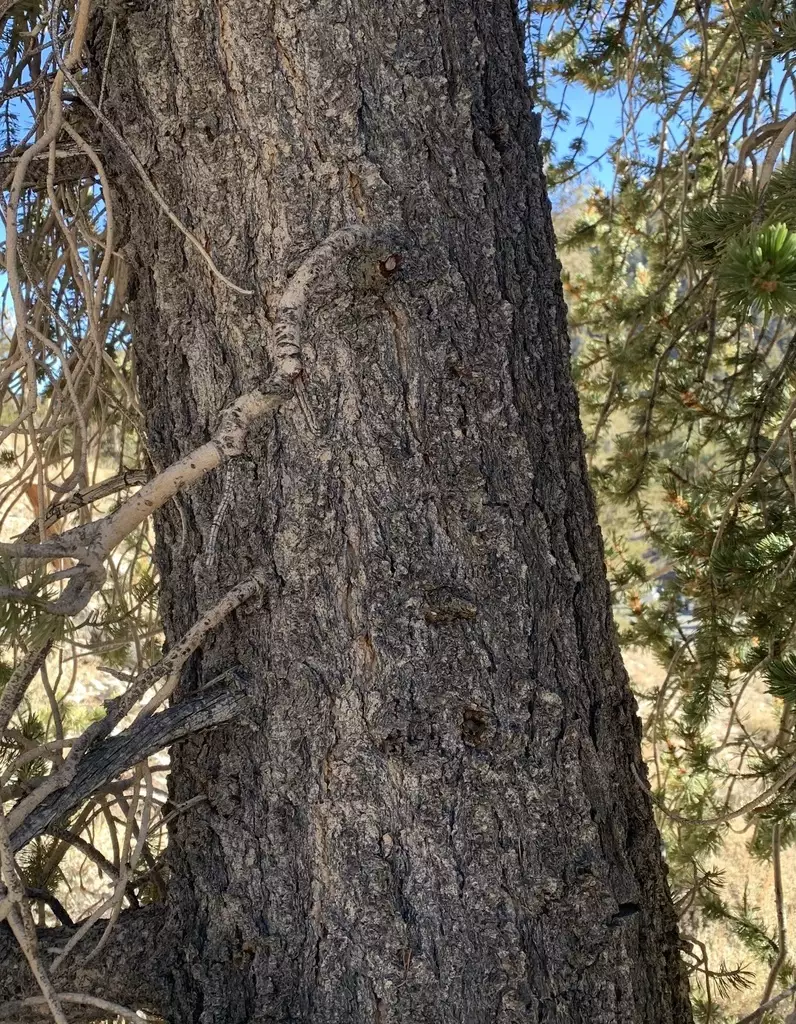
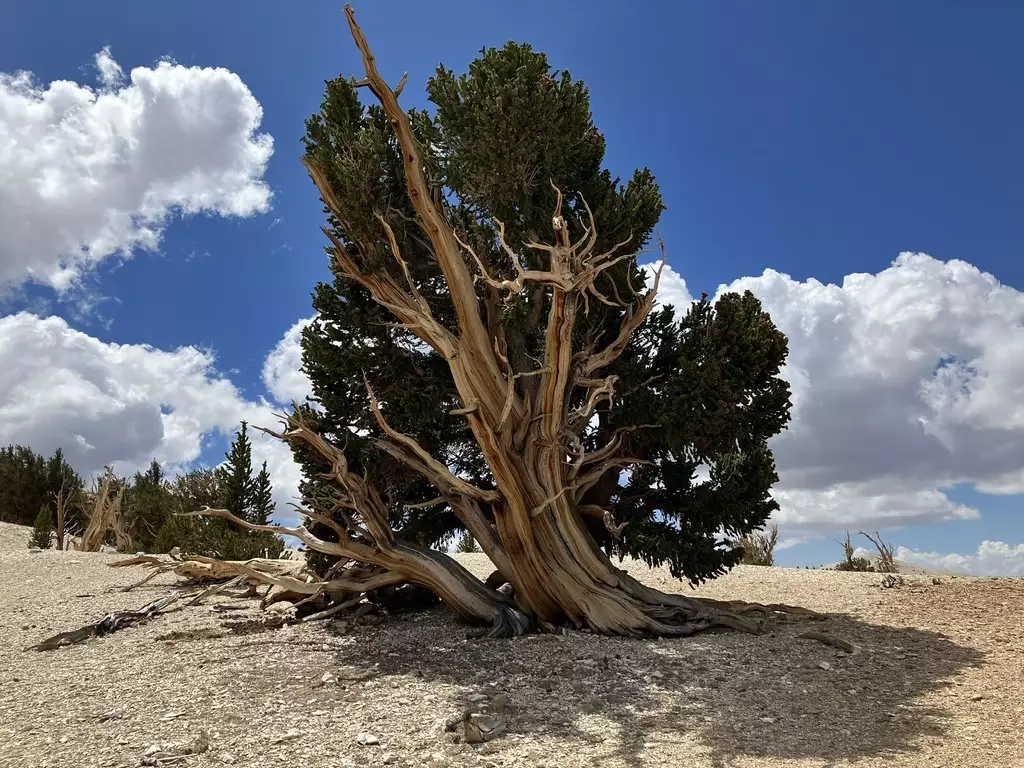
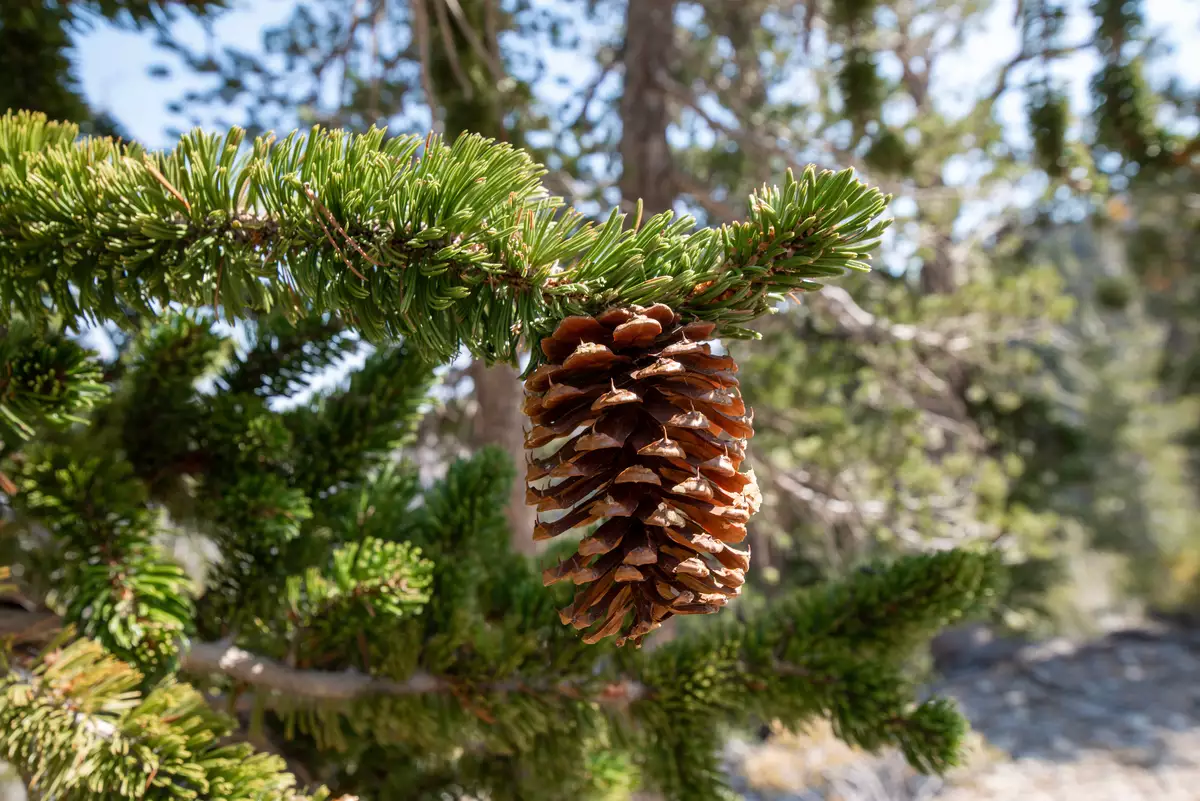
Discover the ancient world through the remarkable Great Basin Bristlecone Pine (Pinus longaeva). Found in the isolated groves of California, Nevada, and Utah, these ancient sentinels stand as nature's timeless treasures, representing the oldest non-clonal species on Earth. Resilient to the harsh conditions of high altitudes, they thrive in extraordinary environments with twisting, gnarled trunks sculpted by extreme cold, fierce winds, and nutrient-poor limestone soils. Over millennia, they’ve witnessed the rise and fall of civilizations, growing through ice ages and surviving volcanic eruptions.
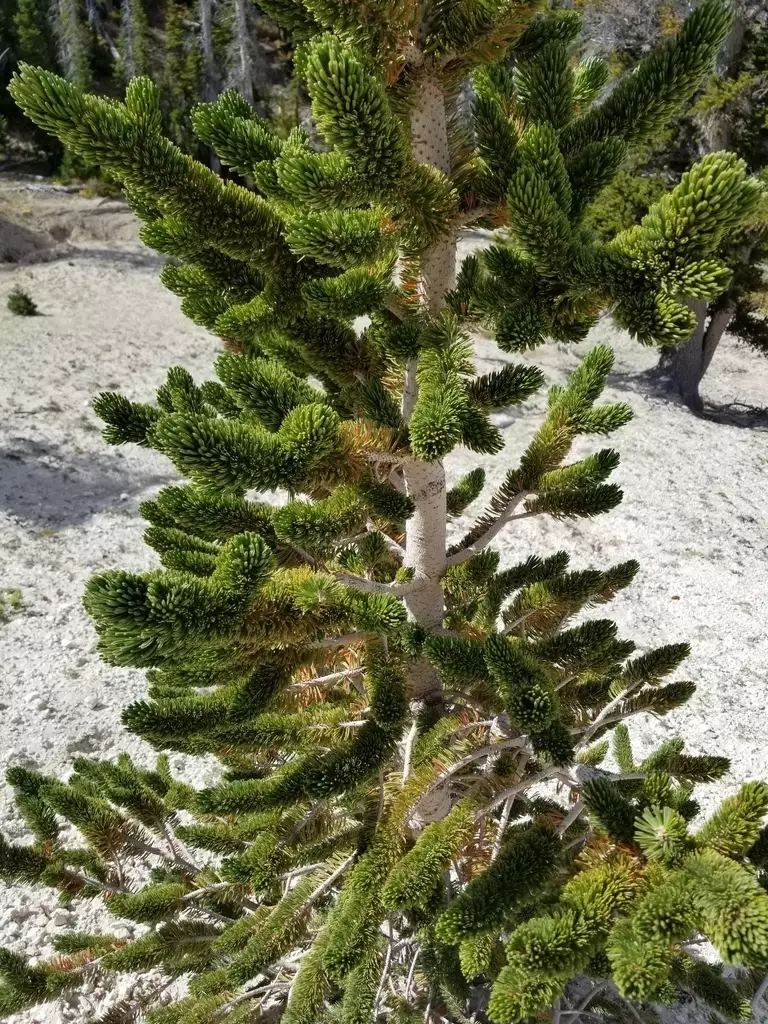
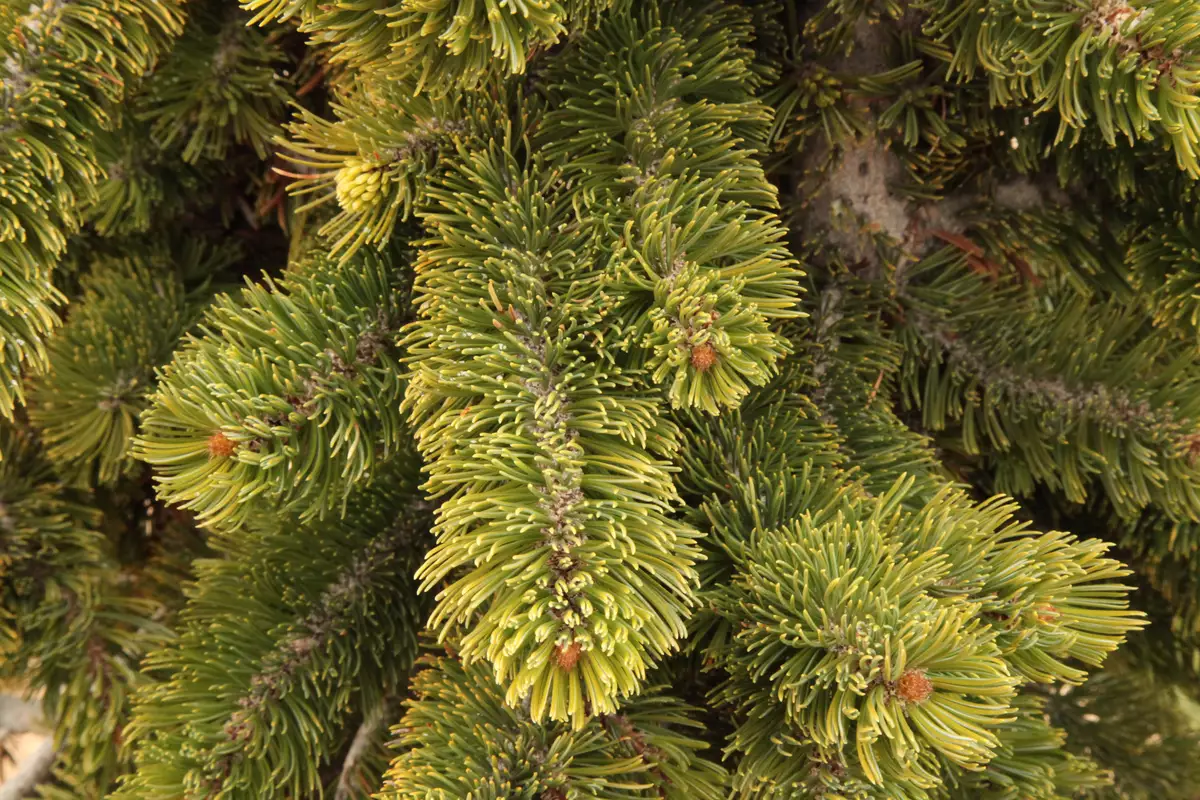
Their secret to enduring for thousands of years lies in incredibly slow growth, resulting in dense wood that resists insects, fungi, and decay. With roots sunk into rocky soil, they flourish in conditions other plants cannot, often making them immune to forest fires that ravage more typical forests. Renowned for their distinctive bottle-brush-like foliage and dark purple cones tipped with claw-like bristles, these pines are more than just trees; they are climatic archives, preserving ancient weather data in their rings.
These ancients dwell in Great Basin National Park, where visitors can explore groves like Wheeler Peak and pay homage to illustrious long-lifers such as the Methuselah, a 4,857-year-old marvel. While clonal colonies like the Quaking Aspen may claim greater antiquity, the Bristlecone stands solitary and unparalleled. Bristlecone Pine remains a protected species, its growth a testament to endurance and adaptation throughout Earth’s shifting eons.