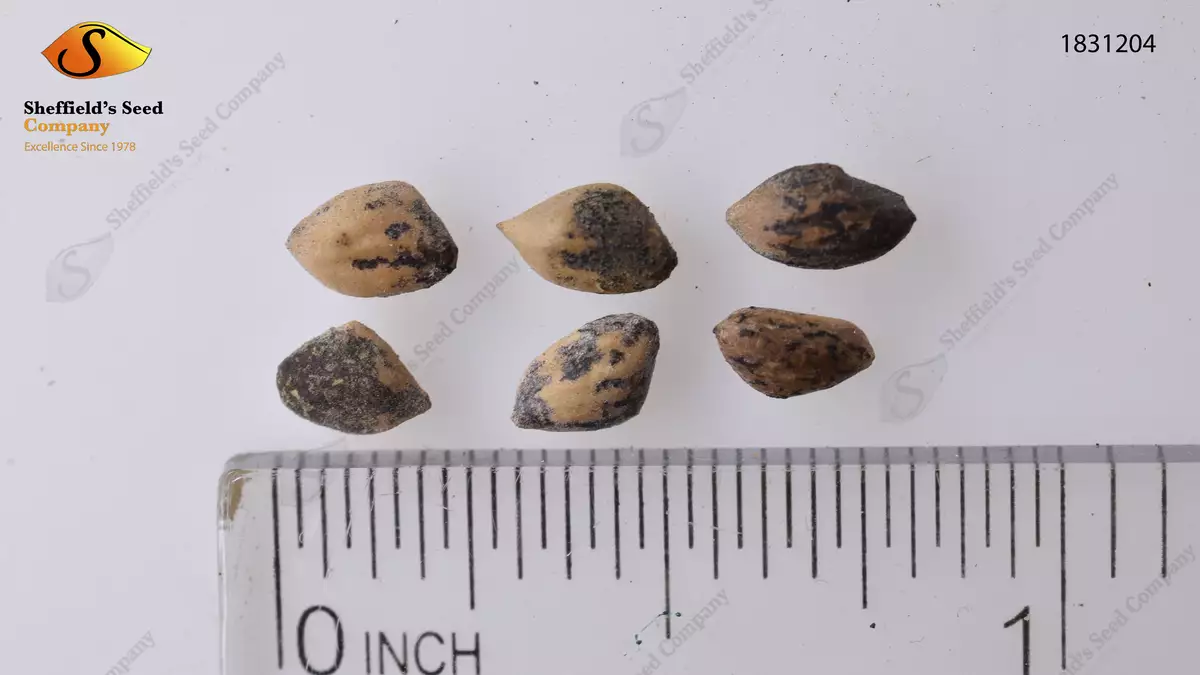
Scarification: Soak in water, let stand in water for 24 hours
Stratification: none required
Germination: sow seed 1/4" deep, tamp the soil, mulch the seed bed
Native to: Bahamas, Belize, Bolivia, Brazil North, Colombia, Costa Rica, El Salvador, French Guiana, Guatemala, Guyana, Honduras, Mexico Central, Mexico Gulf, Mexico Northeast, Mexico Northwest, Mexico Southeast, Mexico Southwest, Nicaragua, Panamá, Turks-Caicos Is., Venezuela
Introduced to: Bismarck Archipelago, Central African Repu, Chagos Archipelago, China Southeast, Cuba, Dominican Republic, Ghana, Guinea, Haiti, Hawaii, Jamaica, Leeward Is., Malaya, Myanmar, New Guinea, Philippines, Puerto Rico, Sierra Leone, Trinidad-Tobago, Venezuelan Antilles, Windward Is.
Native
Introduced
Pinus caribaea var. hondurensisPinus caribaea
var. hondurensis
Caribbean Pine, Honduran Pine
Pinus caribaea var. hondurensis
Please select the quantity desired, and we will advise availability and price as soon as possible.
Scarification: Soak in water, let stand in water for 24 hours
Stratification: none required
Germination: sow seed 1/4" deep, tamp the soil, mulch the seed bed
Native to: Bahamas, Belize, Bolivia, Brazil North, Colombia, Costa Rica, El Salvador, French Guiana, Guatemala, Guyana, Honduras, Mexico Central, Mexico Gulf, Mexico Northeast, Mexico Northwest, Mexico Southeast, Mexico Southwest, Nicaragua, Panamá, Turks-Caicos Is., Venezuela
Introduced to: Bismarck Archipelago, Central African Repu, Chagos Archipelago, China Southeast, Cuba, Dominican Republic, Ghana, Guinea, Haiti, Hawaii, Jamaica, Leeward Is., Malaya, Myanmar, New Guinea, Philippines, Puerto Rico, Sierra Leone, Trinidad-Tobago, Venezuelan Antilles, Windward Is.
Native
Introduced
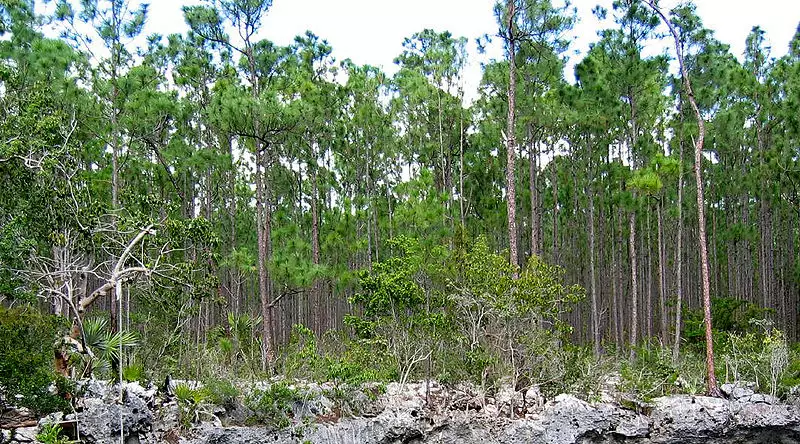
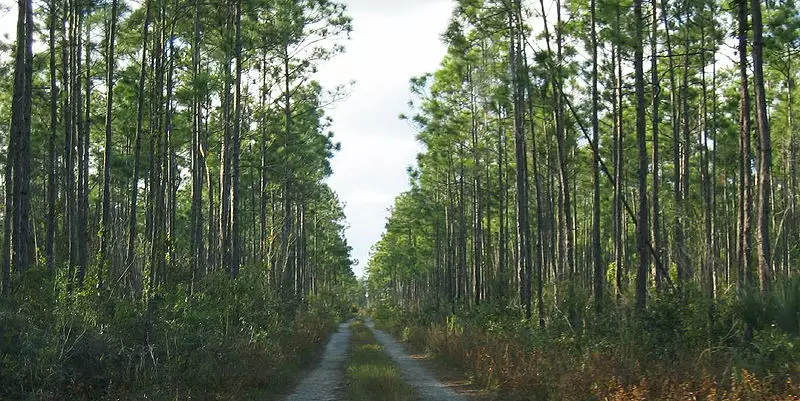
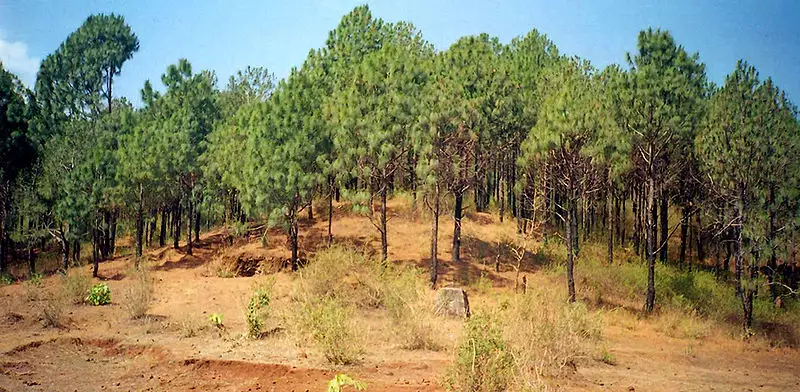
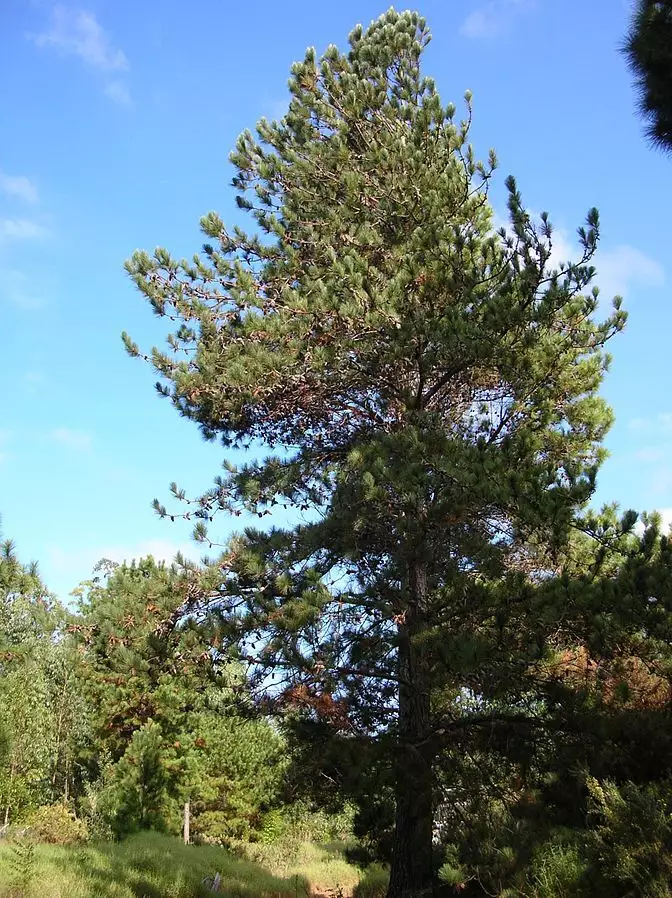
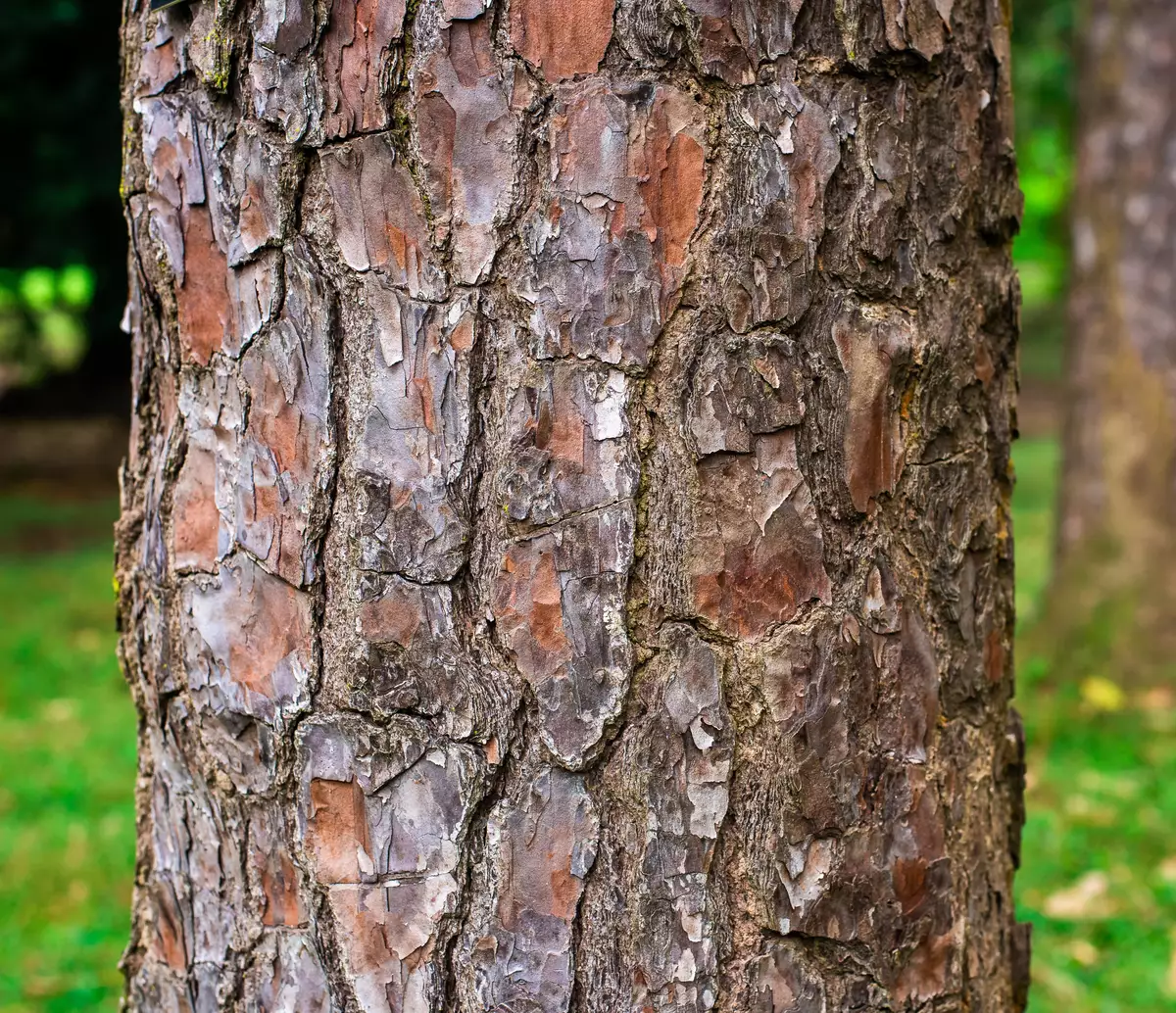
Discover Pinus caribaea var. hondurensis, commonly known as Caribbean Pine or Honduran Pine—a remarkable medium to large-sized conifer distinguished by its slender trunk and sparse crown of long, thin, needle-like leaves. A testament to nature's resilience, this pine thrives in the savannas along the Caribbean coast from Mexico to Nicaragua, adapting to both dry and wet tropical climates. With its rapid and aggressive regeneration post-wildfires, this tree plays a pivotal ecological role in replacing broadleaf forests and thriving in fire-climax environments.
Uniquely adapted to tropical rain patterns, its multinodal shoots and persistent fascicle sheaths allow for optimized growth during wet seasons. At maturity, these pines develop light to dark green needles up to 10 inches in length, showcasing a stunning natural beauty. Seeds, nestled in ovoid-conical cones, mature within two years, ready to disperse and sustain the species. Found primarily on well-drained, acidic soils at elevations of 300-2,300 ft, Honduras Pine supports diverse understory vegetation while forming pure stands, crucial for maintaining ecological balance in its native range. Embrace the majesty of Honduran Pine—a vital, yet threatened testament to evolutionary ingenuity.