0
Close
1 / 6
2 / 6

AdobeStock

3 / 6

AdobeStock

4 / 6

AdobeStock

5 / 6

AdobeStock

6 / 6

AdobeStock

Growing Info

Scarification
Scarification: Soak in water, let stand in water for 24 hours
Stratification
Stratification: none required. a short 14 day cold moist stratification may improve germination
Germination
Germination: sow seed 1/16" deep , tamp the soil, keep moist

Native to: American Samoa, EU, Temperate regions of Europe and Asia
Native
Introduced

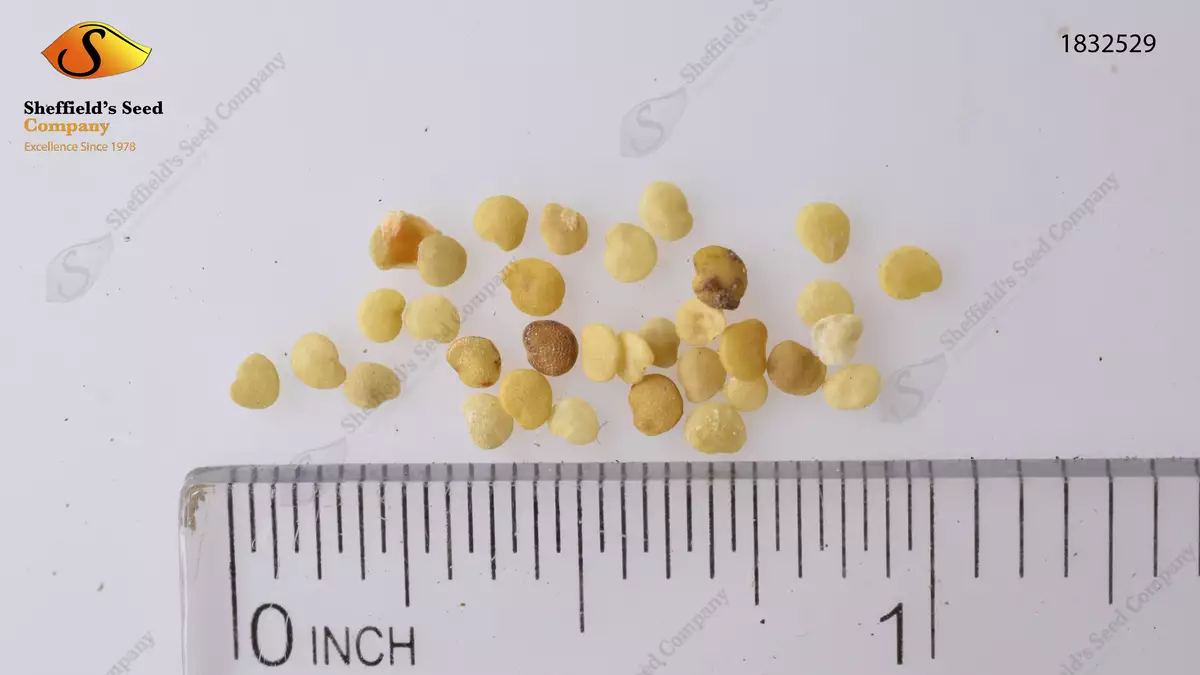
Physalis alkekengi

Chinese Lantern, Strawberry Groundcherry, Winter Cherry

In Stock: 0.324 lb (Total:0.324lb)
  • Physalis alkekengi

    All items have bulk rates priced in
select i.*, as2.state_abbr from inventory_item_manage i left outer join sheffields_2017.address_states as2 on (as2.state_name = i.CollectionLocale or as2.state_abbr = i.CollectionLocale) where i.inventory_id = '944' group by i.id

Buying options

0.32 lb

Details

Germination:
91%
Germination test:
Cut (Full Seed)
Purity:
99%
Seeds per lb:
243,738
Quantity:
0.32 lb
Collected in:
China
Crop year:
2022
Min. hardiness zone:
3
Item ID:
1832529

Growing Info

Scarification
Scarification: Soak in water, let stand in water for 24 hours
Stratification
Stratification: none required. a short 14 day cold moist stratification may improve germination
Germination
Germination: sow seed 1/16" deep , tamp the soil, keep moist

Native to: American Samoa, EU, Temperate regions of Europe and Asia
Native
Introduced
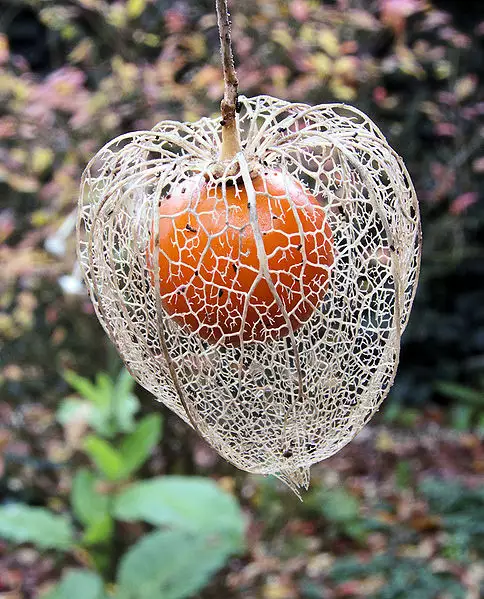
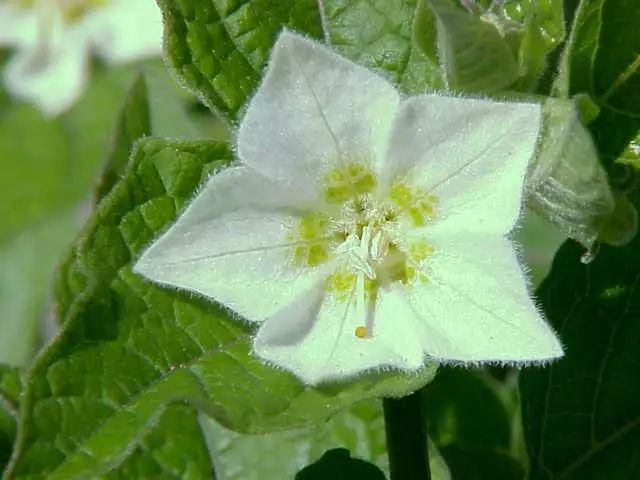
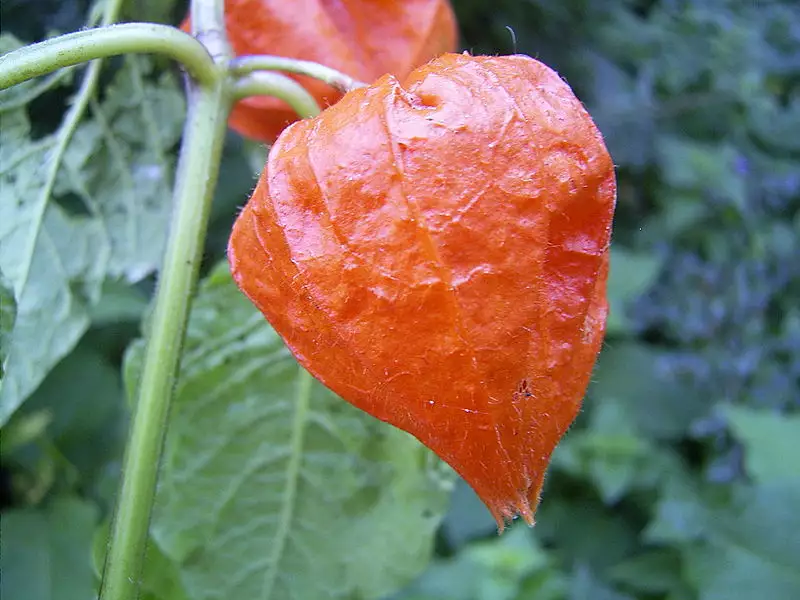
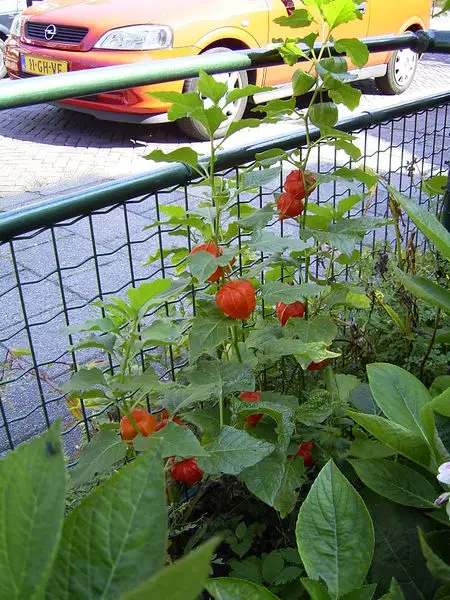
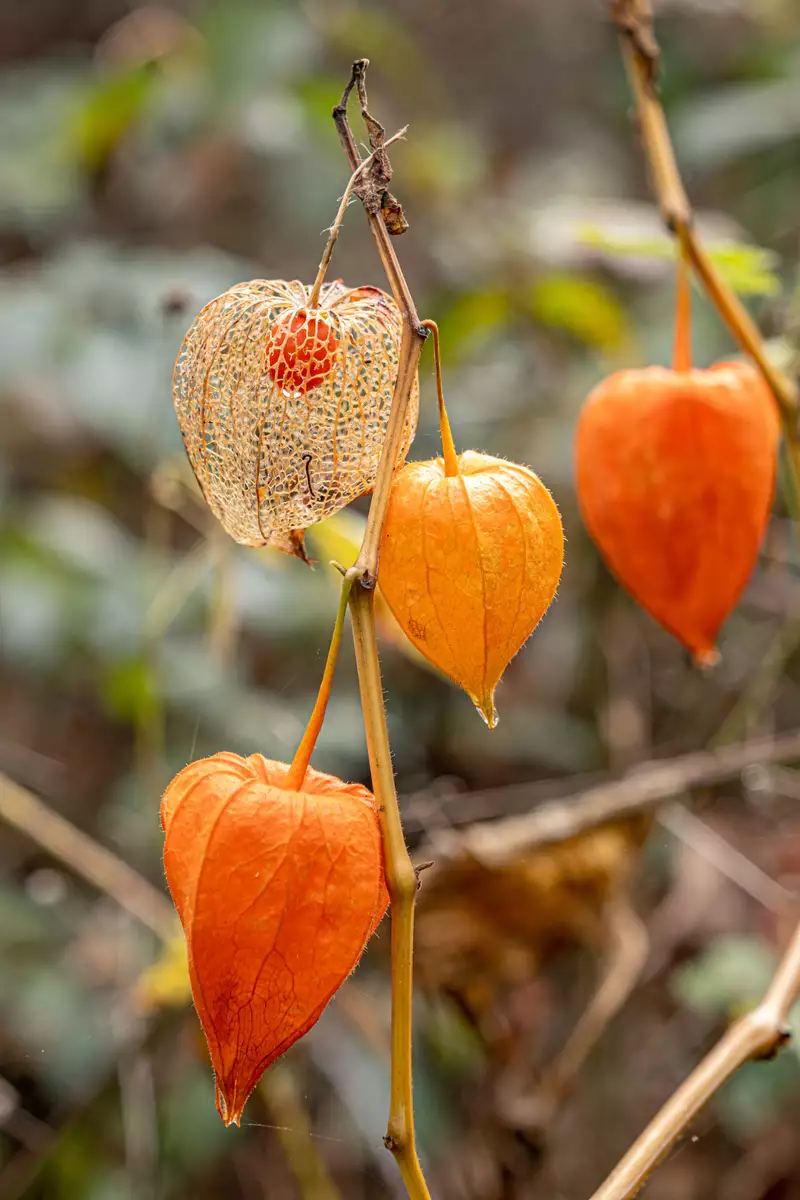
Chinese Lantern (Physalis alkekengi), also known as Strawberry Groundcherry and Winter Cherry, is a captivating herbaceous perennial recognized for its vivid, orange-red paper-like husks that enclose the fruit, resembling glowing lanterns. Native to Europe and northern Asia, and thriving in USDA Zones 3 to 9, this plant offers a striking ornamental appeal thanks to its delicate, creamy white flowers in summer and iconic lantern-like calyces in fall. Reaching heights of 1 to 2 feet with a similar spread, Chinese Lantern is easy to grow in well-drained, moist soil under full sun. Its spreading nature via rhizomes makes it ideal for naturalization, but be cautious as it can become invasive. For garden use, consider growing it in containers or using barriers to control its spread. The plant's pods begin green, turning a rich orange, and are perfect for long-lasting dried floral arrangements. While aesthetically pleasing, all parts are mildly toxic and should be handled with care, distinguishing it from its edible relatives like the Cape gooseberry.

You might also like

Hippophae rhamnoides

Hippophae rhamnoides

Sea Buckthorn, Seaberry

Papaver somniferum

Papaver somniferum

Opium Poppy

Rubus idaeus

Rubus idaeus

European Raspberry, Framboise, Red Raspberry

Lycium chinense

Lycium chinense

Barbary Matrimony Vine, Bocksdorn, Chinese Boxthorn, Chinese Desert-thorn, Chinese Matrimony Vine, Chinese Wolfberry, Duke of Argyll's Tea Tree, Goji Berry, Mede Berry, Red Medlar, Wolfberry

(315) 497-1058
269 NY-34 Locke NY 13092
seed@sheffields.com

HOME - logo

Find us on: