0
Close
1 / 6
2 / 6

AdobeStock

3 / 6

AdobeStock

4 / 6

AdobeStock

5 / 6
6 / 6

Growing Info

Scarification
Scarification: none required
Stratification
Stratification: cold stratify for 30 days
Germination
Germination: surface sow and keep moist, tamp the soil, mulch the seed bed

Native to: Alberta, British Columbia, Idaho, Montana, Oregon, Washington
Native
Introduced

Philadelphus lewisii

Lewis' Mock Orange

In Stock: 0.502 lb (Total:0.502lb)
  • Philadelphus lewisii

    All items have bulk rates priced in
select i.*, as2.state_abbr from inventory_item_manage i left outer join sheffields_2017.address_states as2 on (as2.state_name = i.CollectionLocale or as2.state_abbr = i.CollectionLocale) where i.inventory_id = '5078' group by i.id

Buying options

0.5 lb
MT

Details

Germination:
30%
Germination test:
estimate
Purity:
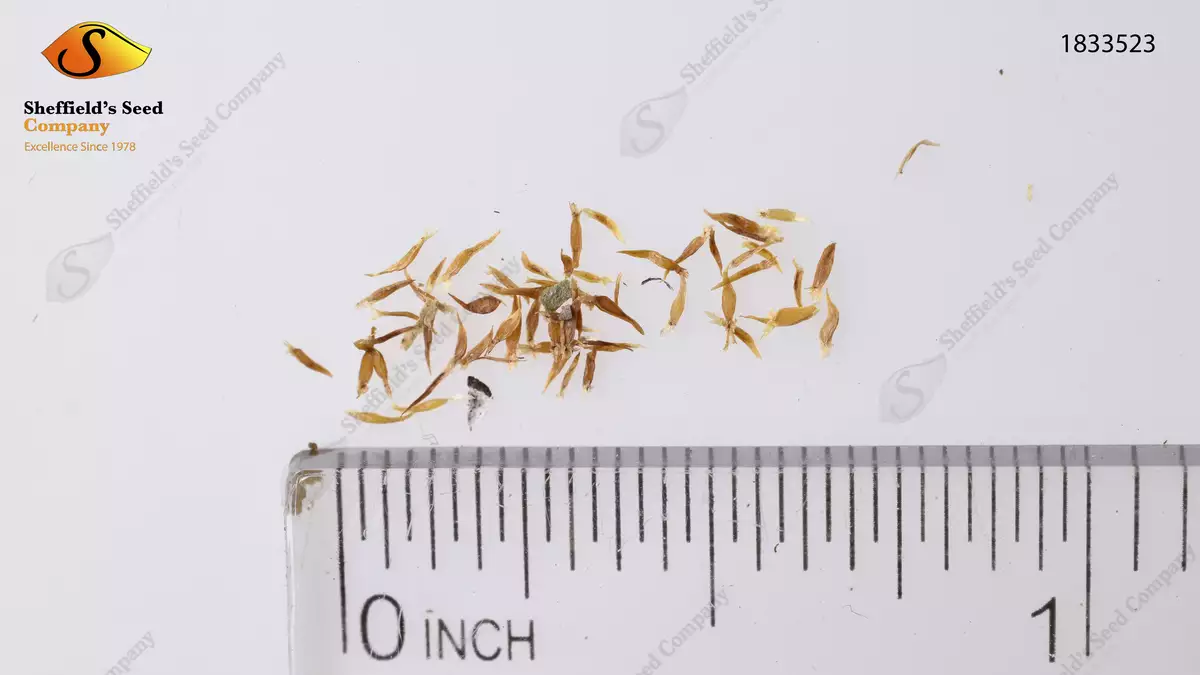
99%
Seeds per lb:
1,980,000
Quantity:
0.5 lb
Collected in:
Montana
Crop year:
2024
Min. hardiness zone:
4
Item ID:
1835248

Growing Info

Scarification
Scarification: none required
Stratification
Stratification: cold stratify for 30 days
Germination
Germination: surface sow and keep moist, tamp the soil, mulch the seed bed

Native to: Alberta, British Columbia, Idaho, Montana, Oregon, Washington
Native
Introduced
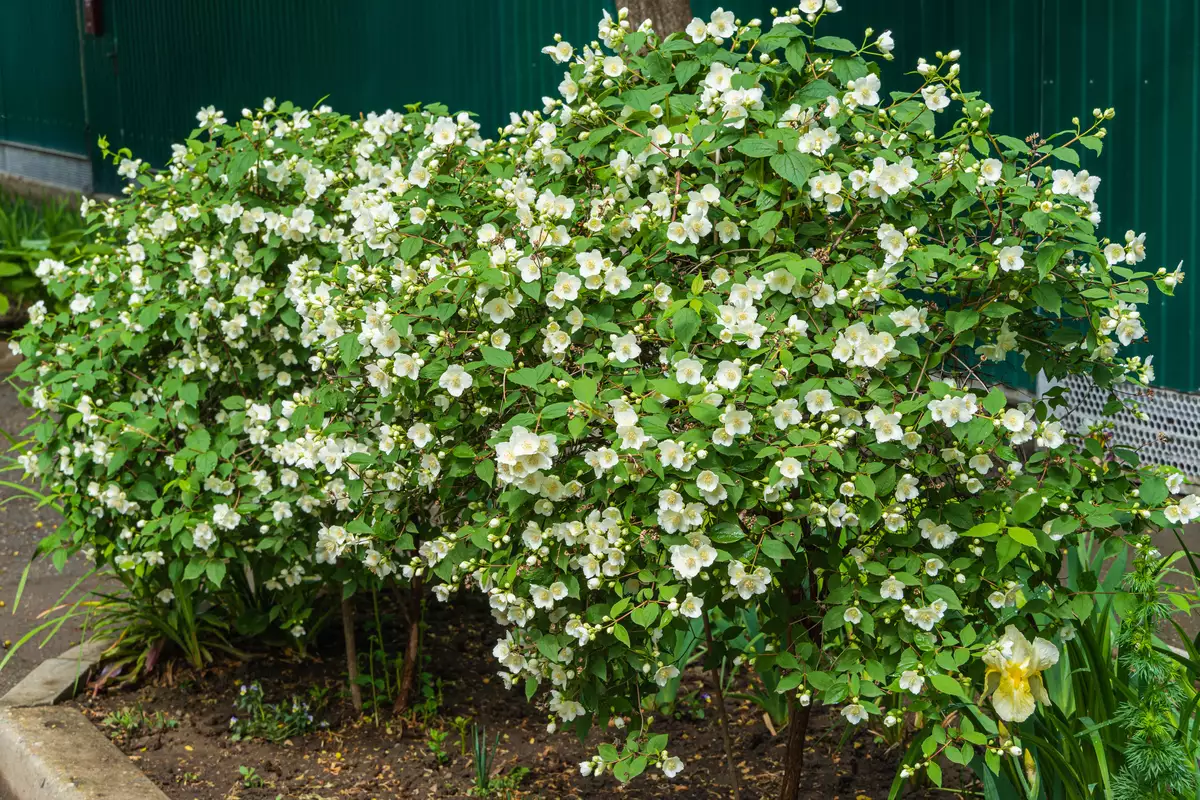
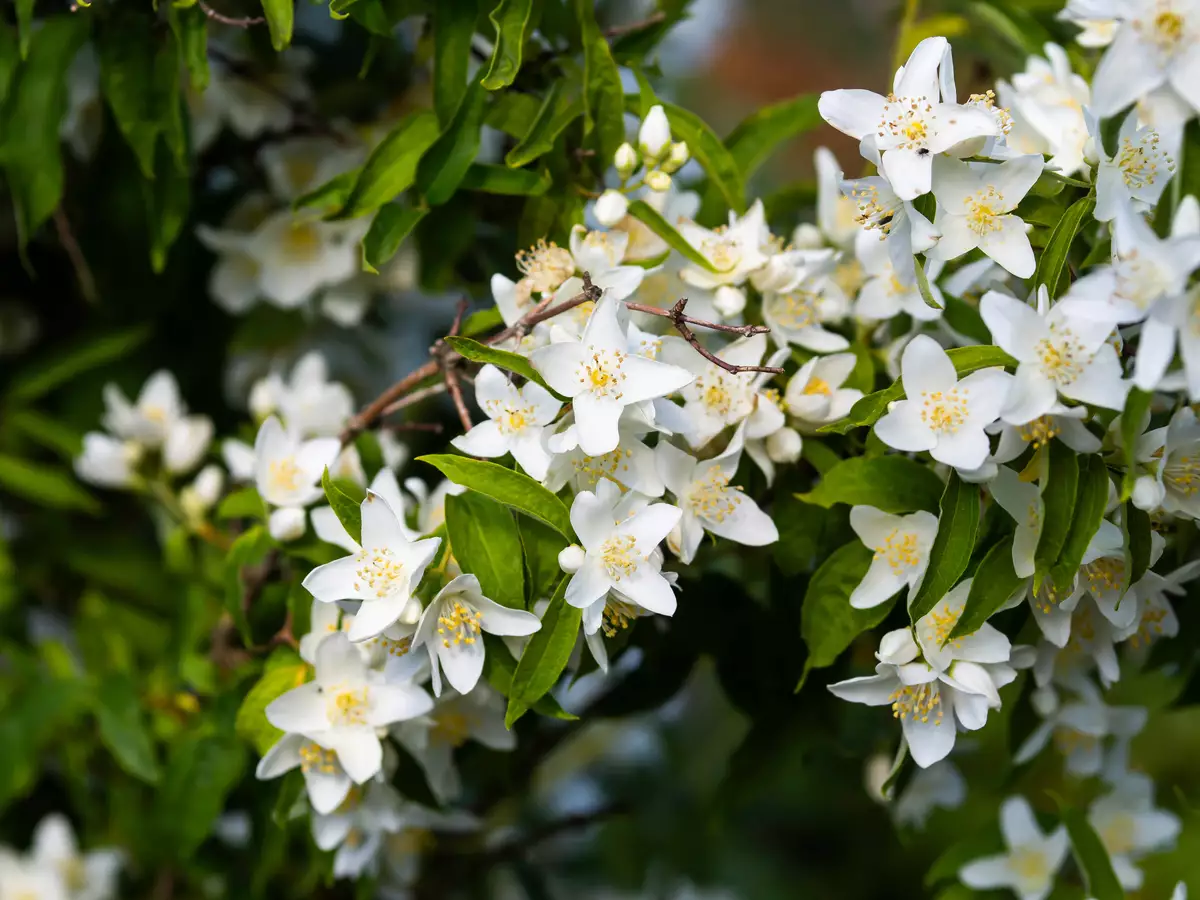
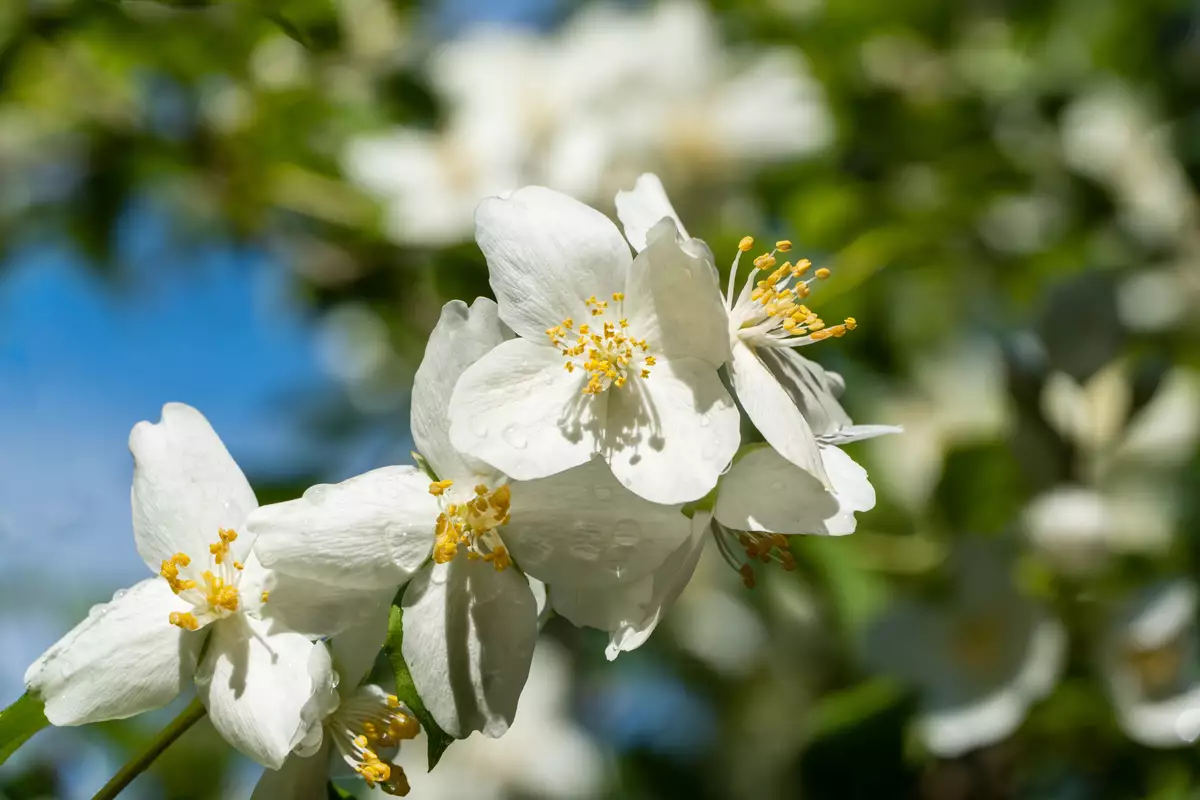
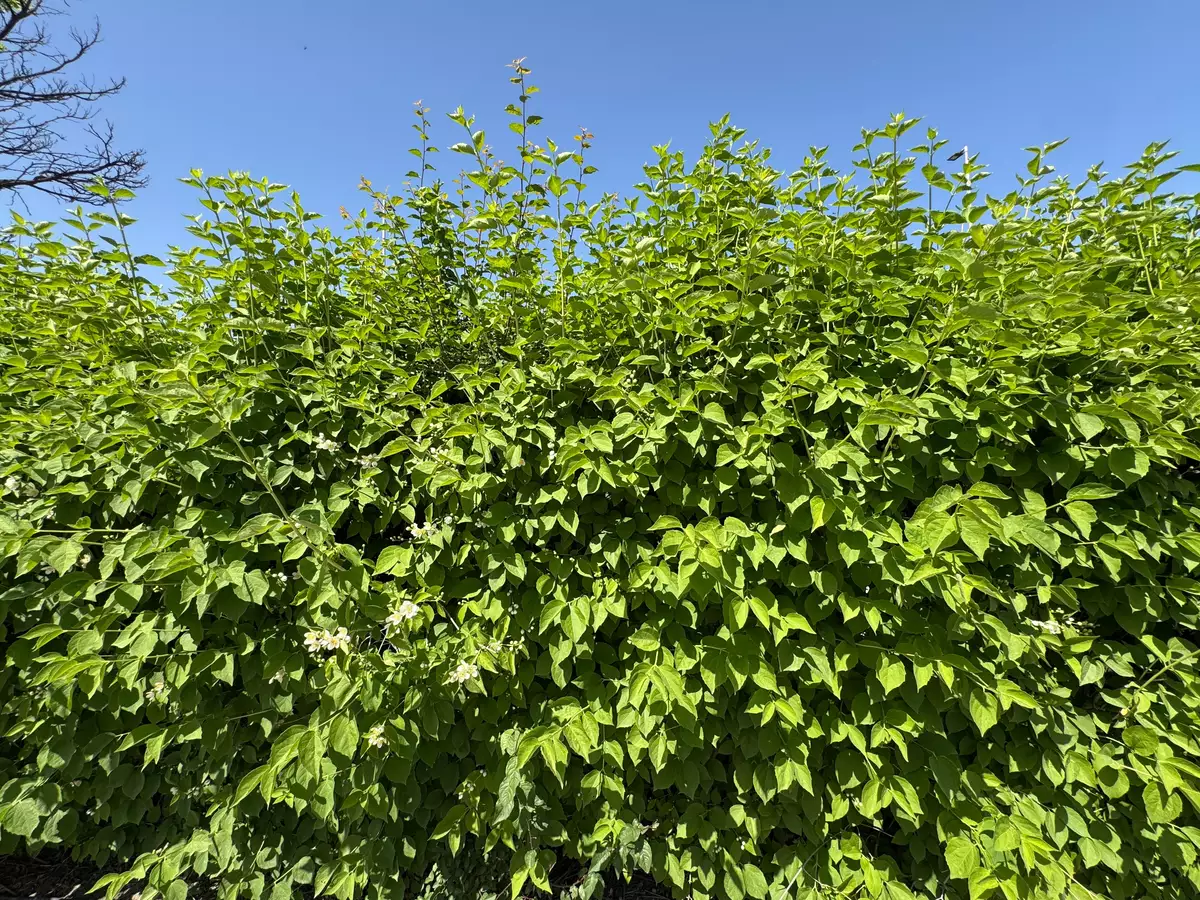
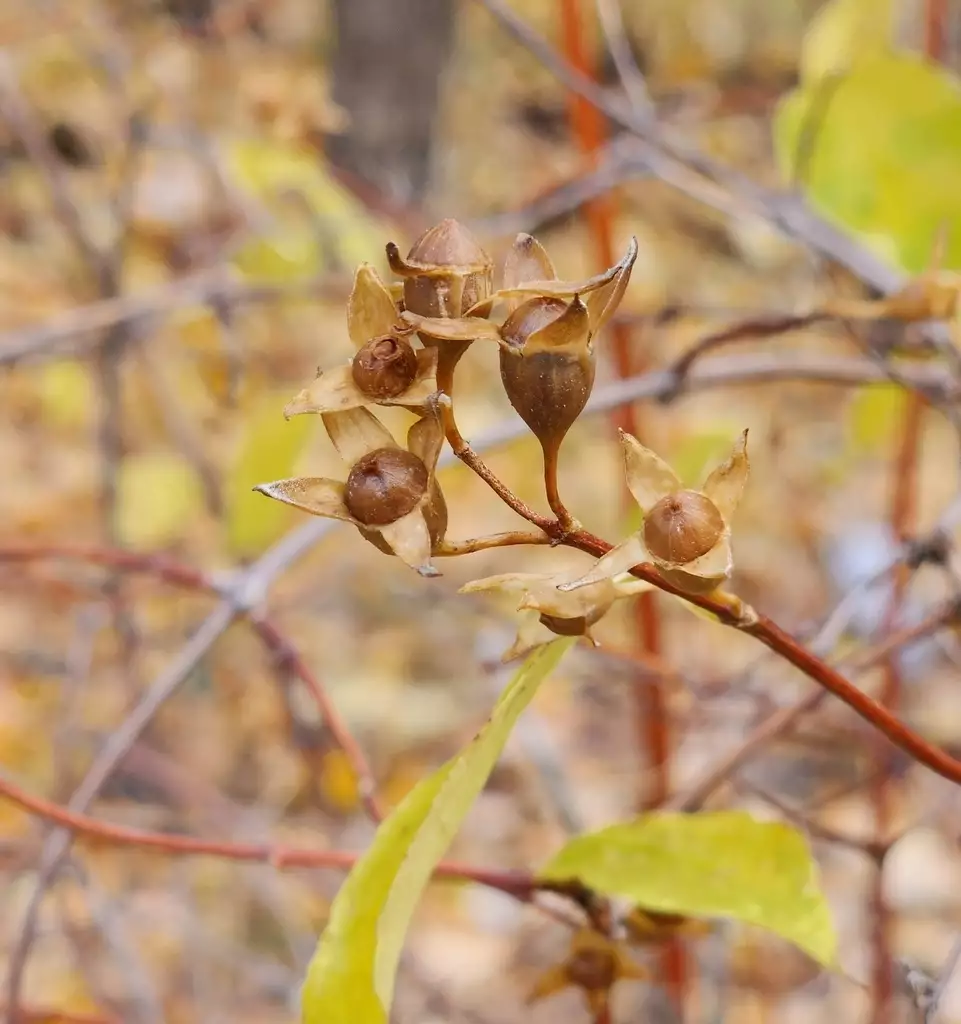
Discover the allure of Philadelphus lewisii, commonly known as Lewis' Mock Orange or Mock Orange, an exquisite yet underutilized native shrub perfect for late spring and early summer gardens. Designated as Idaho's state flower, its name reflects the enchanting orange fragrance that captivates both bees and humans. From late May to early July, its tall, arching branches burst with abundant snow-white flowers, featuring four petals and pale yellow centers. Even after the petals drop, sepals remain, resembling a second bloom, adding prolonged visual interest.

Mock Orange thrives across diverse habitats, from moist woodlands to dry rocky slopes, demonstrating impressive drought tolerance and resilience in USDA Zone 4. Reaching heights of 6-14 feet, this deciduous shrub offers stunning golden fall foliage and sustained seasonal support for pollinators and wildlife.

Plant it as a fragrant backdrop or hedgerow, taking advantage of its robust growth and ease of care. Featuring white blossoms that attract bees, butterflies, and beneficial insects, it also provides nectar to nocturnal moths and supports birds and small mammals with seeds. To maintain its charming form, practice annual post-bloom pruning, removing select older stems to stimulate vigorous new growth for next year’s blooms.

You might also like

Amelanchier alnifolia

Amelanchier alnifolia

Saskatoon Berry, Saskatoon Serviceberry

Mahonia aquifolium

Mahonia aquifolium

Tall Oregon-grape

Philadelphus coronarius

Philadelphus coronarius

Garden Mockorange, Sweet Mock Orange

Sambucus caerulea

Sambucus caerulea

Blue Elderberry

(315) 497-1058
269 NY-34 Locke NY 13092
seed@sheffields.com

HOME - logo

Find us on: