0
Close
1 / 6
2 / 6

AdobeStock

3 / 6

AdobeStock

4 / 6

AdobeStock

5 / 6

AdobeStock

Growing Info

Scarification
Scarification: Soak in water, let stand in water for 24 hours
Stratification
Stratification: cold stratify for 60 days
Germination
Germination: sow seed 3/8" deep, tamp the soil, mulch the seed bed

Other: can be fall sown without stratification.| an alternate treatment is to bury the seed in snow for 50 days 

Native to: Connecticut, Illinois, Indiana, Maine, Manitoba, Massachusetts, Michigan, Minnesota, Montana, New Hampshire, New Jersey, New York, Ohio, Ontario, Pennsylvania, Rhode Island, Vermont
Native
Introduced

Parthenocissus inserta

False Virginia Creeper, Thicket Creeper

  • Parthenocissus inserta

Please select the quantity desired, and we will advise availability and price as soon as possible.

Details

Min. hardiness zone:
3

Growing Info

Scarification
Scarification: Soak in water, let stand in water for 24 hours
Stratification
Stratification: cold stratify for 60 days
Germination
Germination: sow seed 3/8" deep, tamp the soil, mulch the seed bed

Other: can be fall sown without stratification.| an alternate treatment is to bury the seed in snow for 50 days 

Native to: Connecticut, Illinois, Indiana, Maine, Manitoba, Massachusetts, Michigan, Minnesota, Montana, New Hampshire, New Jersey, New York, Ohio, Ontario, Pennsylvania, Rhode Island, Vermont
Native
Introduced
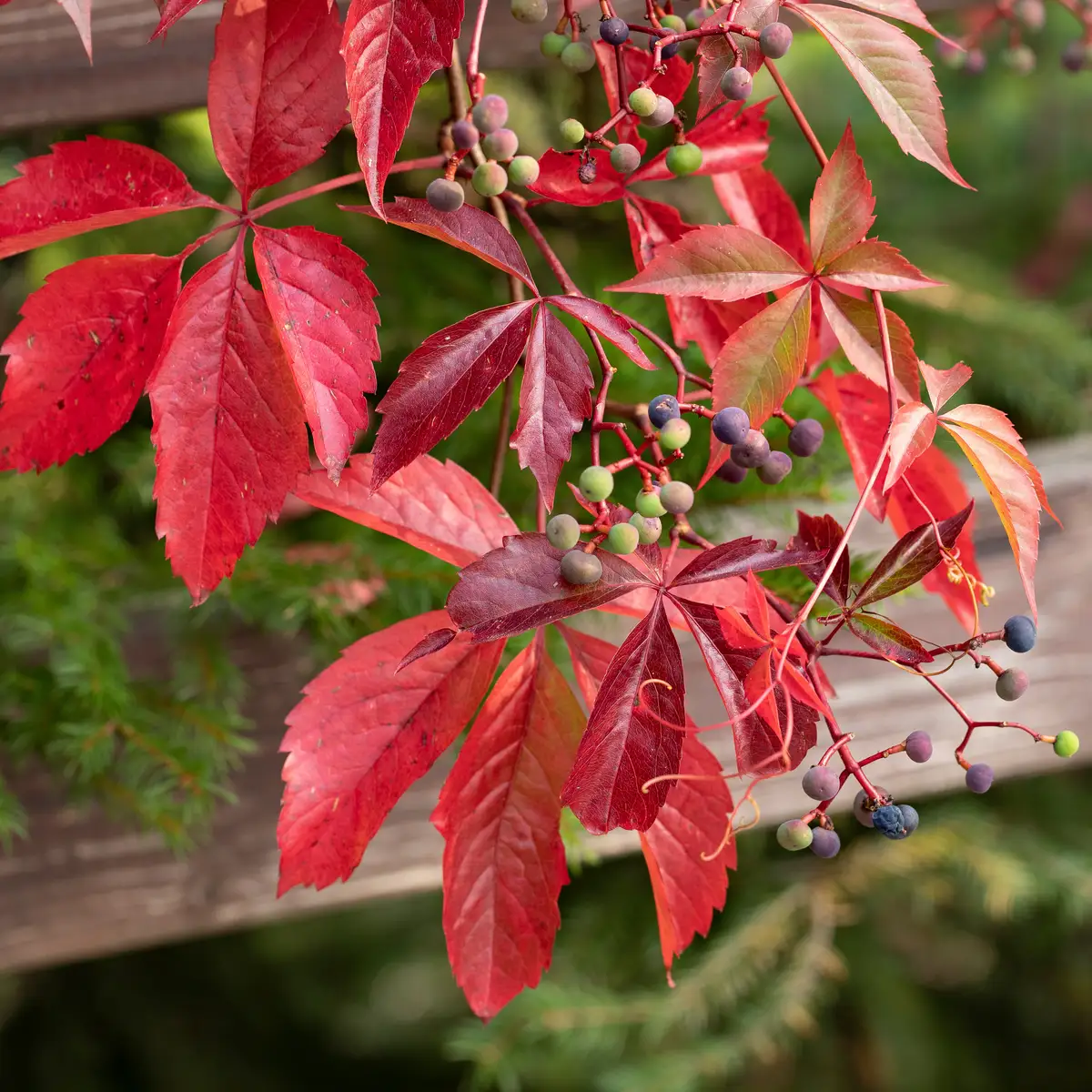
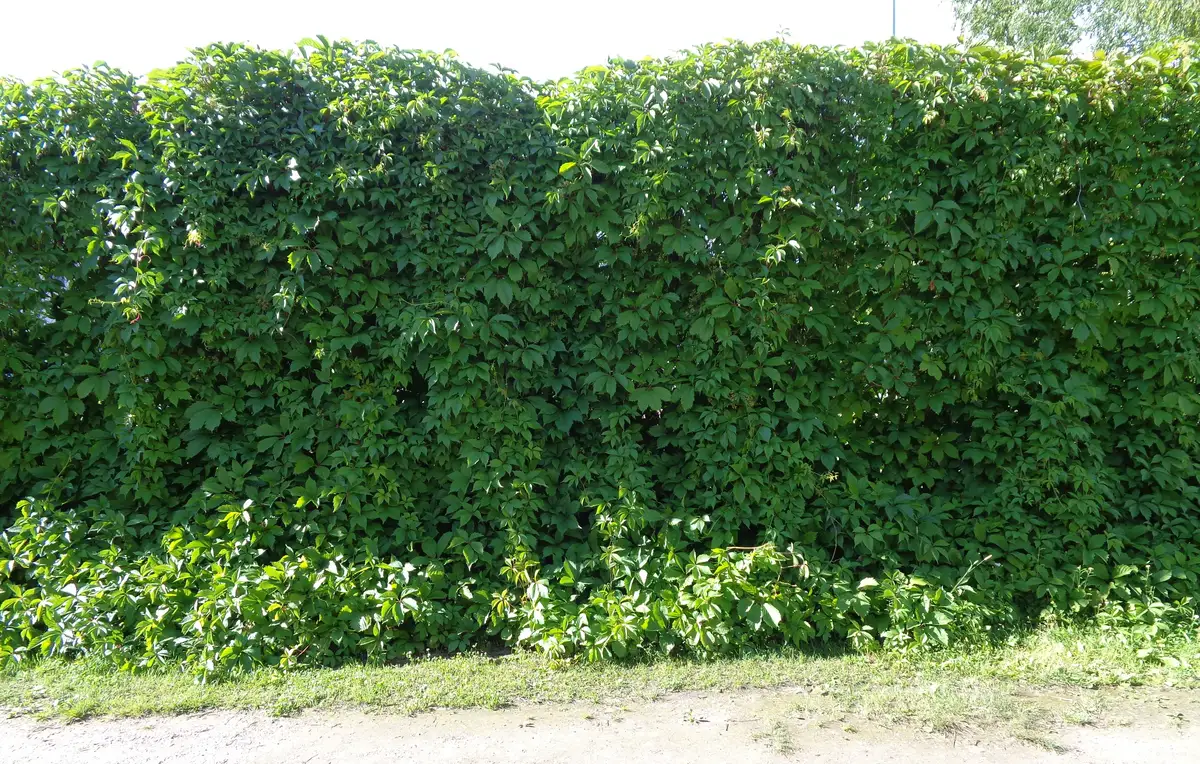
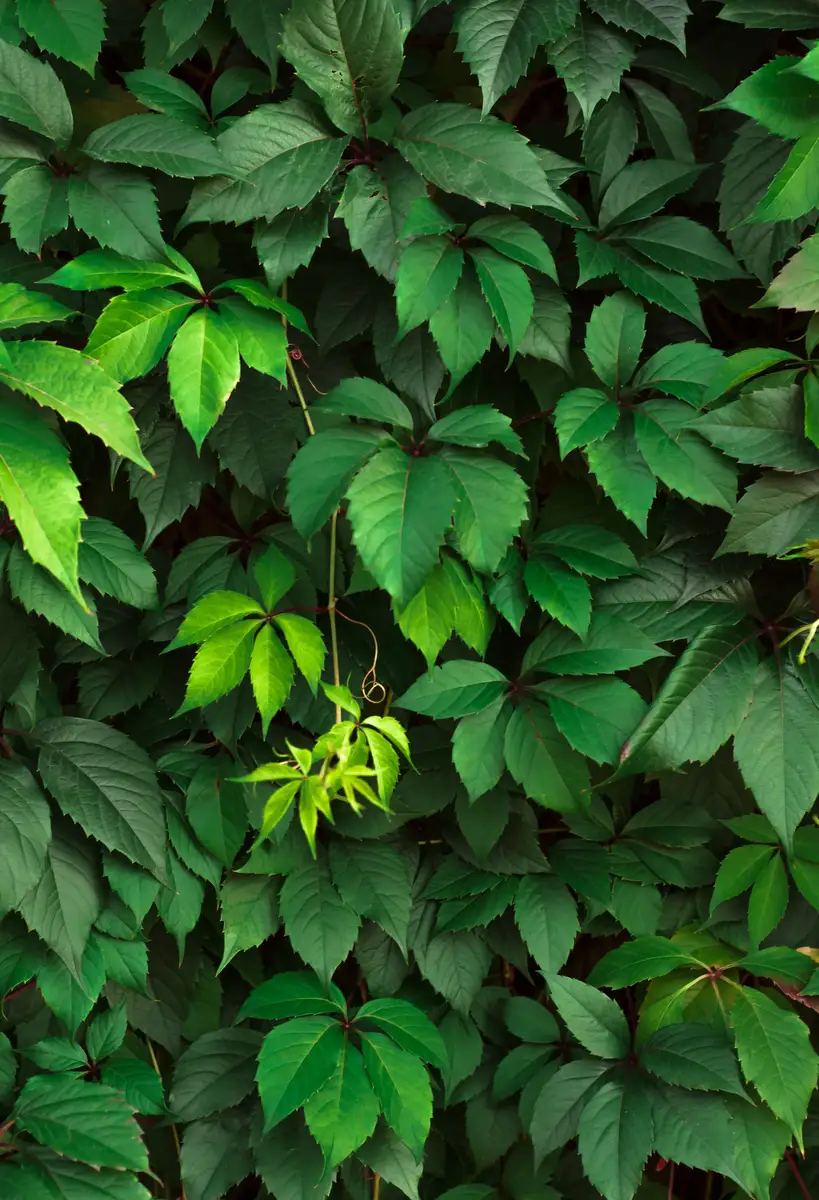
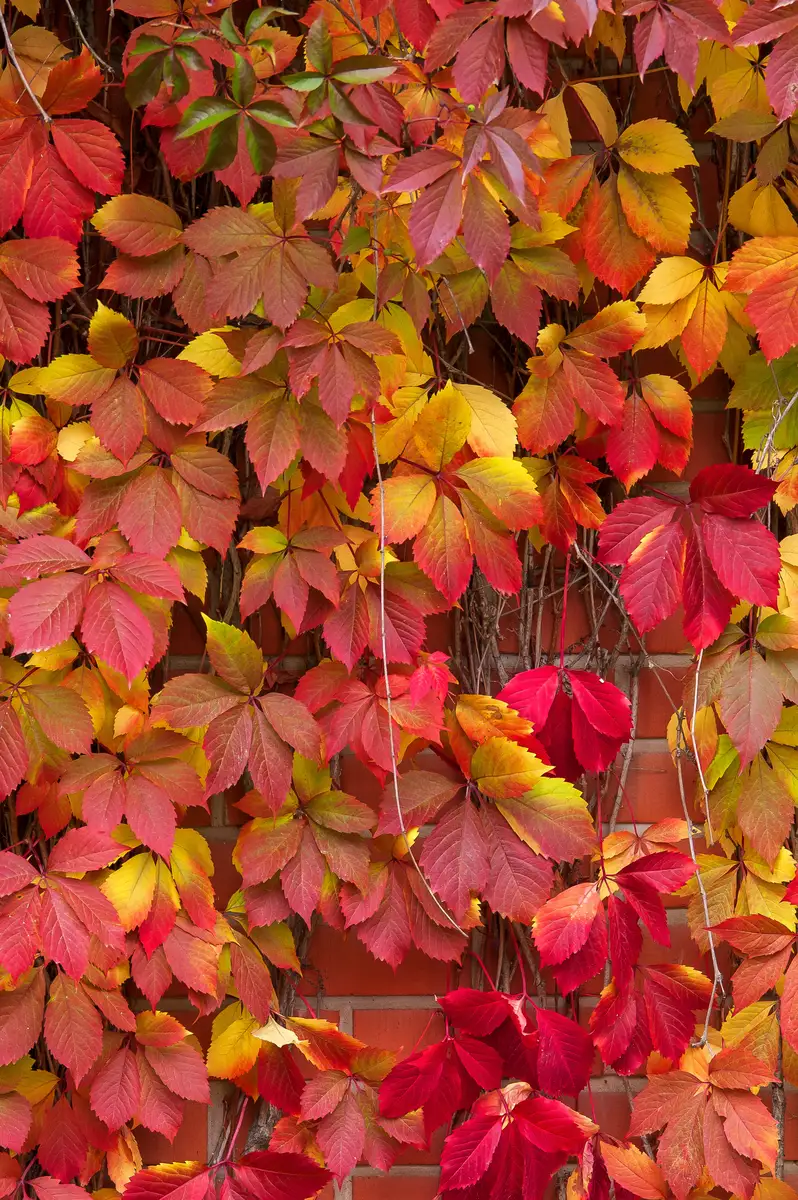
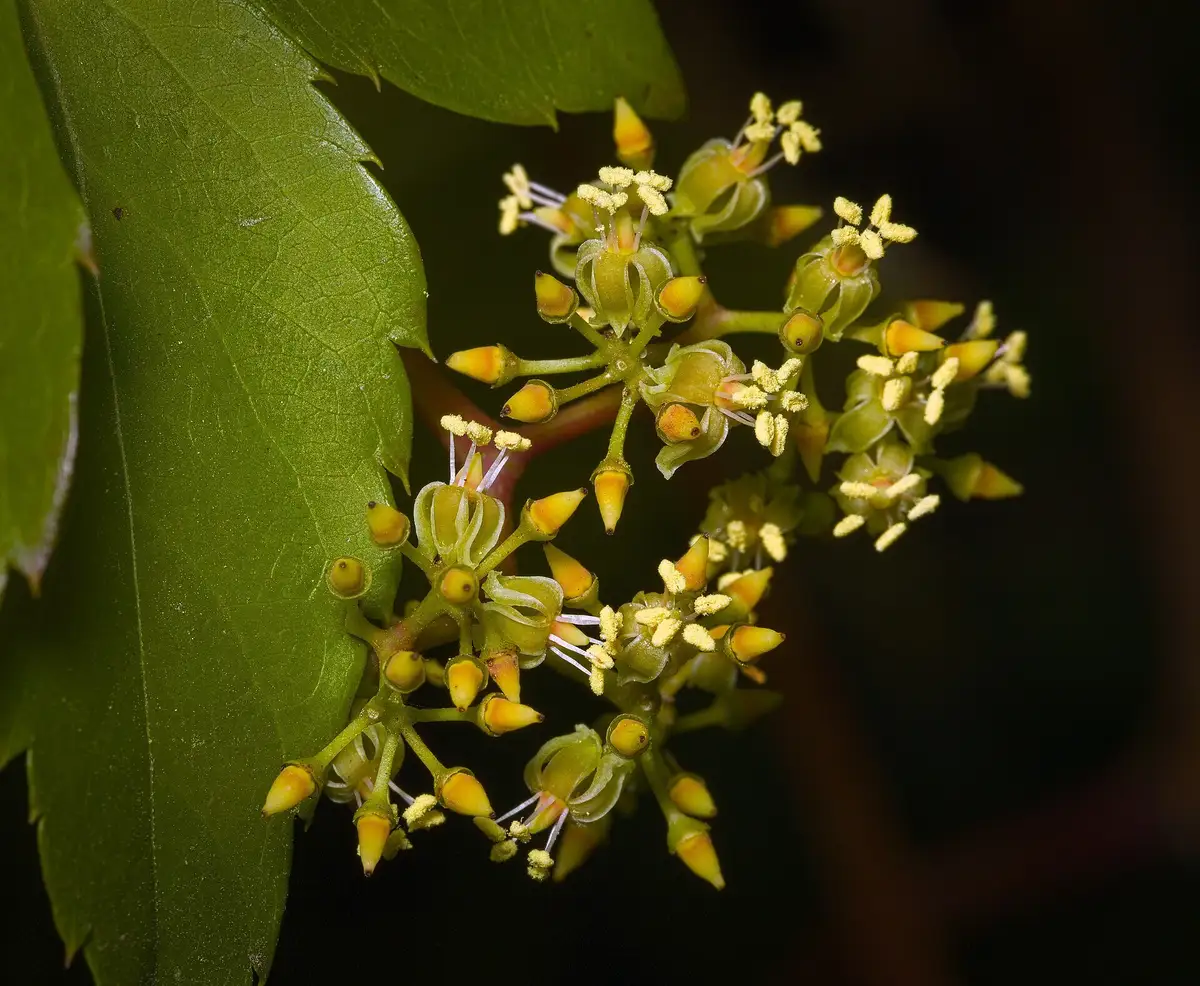
Explore the beauty and versatility of Parthenocissus inserta, commonly known as False Virginia Creeper or Thicket Creeper. This perennial woody plant embodies natural elegance with its lush foliage and climbing prowess. Native to southeastern Canada and the United States, from Maine to Montana, Thicket Creeper thrives in diverse habitats, from forests to anthropogenic environments. Its robust liana growth form covers vast stretches, boasting striking compound leaves with five glossy leaflets. Unlike its cousin, Virginia Creeper, Parthenocissus inserta features tendrils that expertly entwine around structures without adhesive discs, distinguishing its climbing nature. Adorn your landscape with its lush, green backdrops while also enjoying its ecological benefits; the flowers attract an array of pollinators, and the blue-black berries serve as a feast for birds. However, due caution is advised as its leaves and berries contain raphide crystals that may cause dermatitis upon contact. With this majestic plant in your garden, embrace the splendor of a living tapestry that's both captivating and ecologically significant.

You might also like

Papaver somniferum

Papaver somniferum

Opium Poppy

Robinia pseudoacacia

Robinia pseudoacacia

Black Locust, False Acacia, Yellow Locust

Sequoia sempervirens

Sequoia sempervirens

California Redwood, Coast Redwood, Redwood

Sequoiadendron giganteum

Sequoiadendron giganteum

Bigtree, Giant Sequoia, Sierra Redwood, Sierran Redwood, Wellingtonia

(315) 497-1058
269 NY-34 Locke NY 13092
seed@sheffields.com

HOME - logo

Find us on: