0
Close
1 / 6
2 / 6

AdobeStock

3 / 6

AdobeStock

4 / 6
5 / 6
6 / 6

Growing Info

Scarification
Scarification: Soak in water, let stand in water for 24 hours
Stratification
Stratification: cold stratify for 60 days
Germination
Germination: sow seed 1/16" deep, tamp the soil, lightly mulch the seed bed.

Other: can be fall sown without stratification. 

Native to: USA (Central and Eastern US)
Native
Introduced

Parthenium integrifolium

Wild Quinine

In Stock: 0.886 lb (Total:0.886lb)
  • Parthenium integrifolium

    All items have bulk rates priced in
select i.*, as2.state_abbr from inventory_item_manage i left outer join sheffields_2017.address_states as2 on (as2.state_name = i.CollectionLocale or as2.state_abbr = i.CollectionLocale) where i.inventory_id = '698591' group by i.id

Buying options

0.89 lb
MO

Details

Germination:
74%
Germination test:
Actual
Purity:
83%
Seeds per lb:
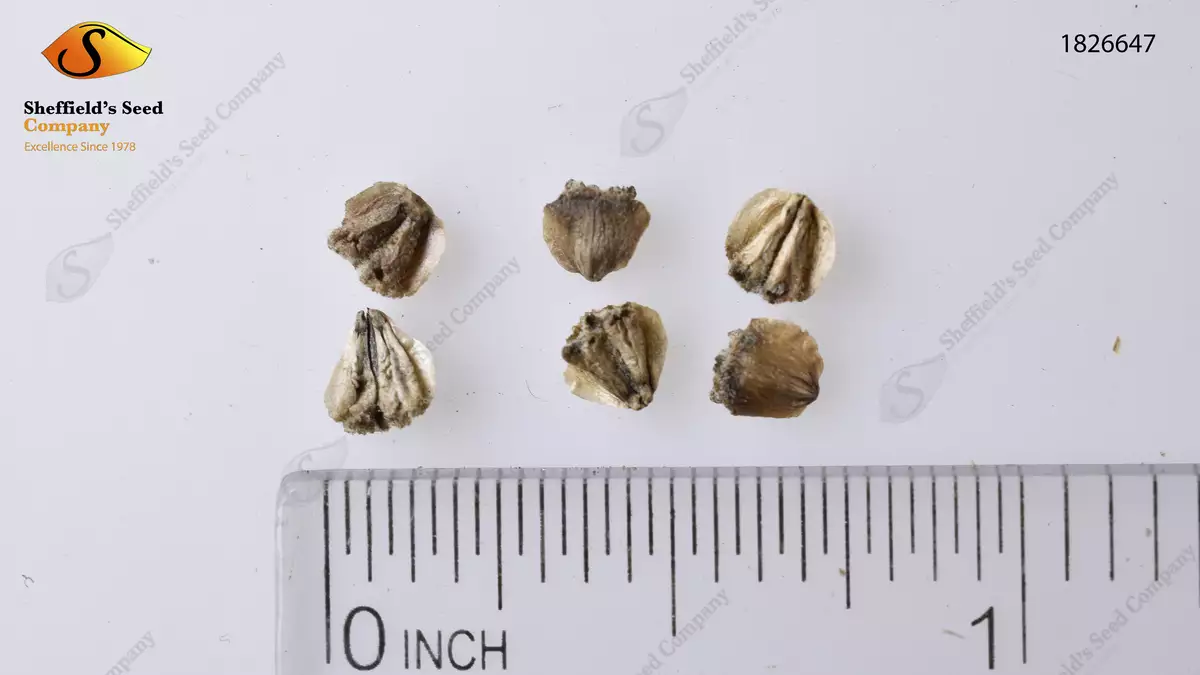
123,547
Quantity:
0.89 lb
Collected in:
Missouri
Camden Cty
Crop year:
2018
Min. hardiness zone:
4
Item ID:
1826647

Growing Info

Scarification
Scarification: Soak in water, let stand in water for 24 hours
Stratification
Stratification: cold stratify for 60 days
Germination
Germination: sow seed 1/16" deep, tamp the soil, lightly mulch the seed bed.

Other: can be fall sown without stratification. 

Native to: USA (Central and Eastern US)
Native
Introduced
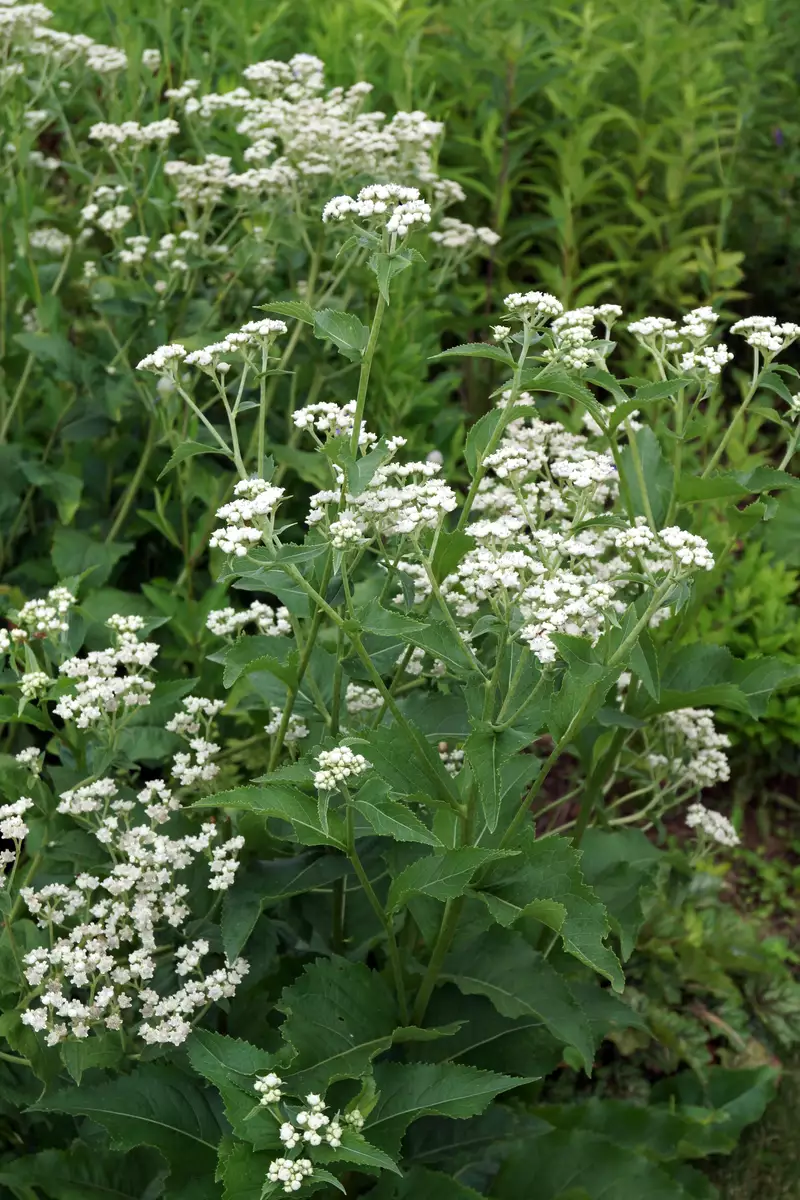
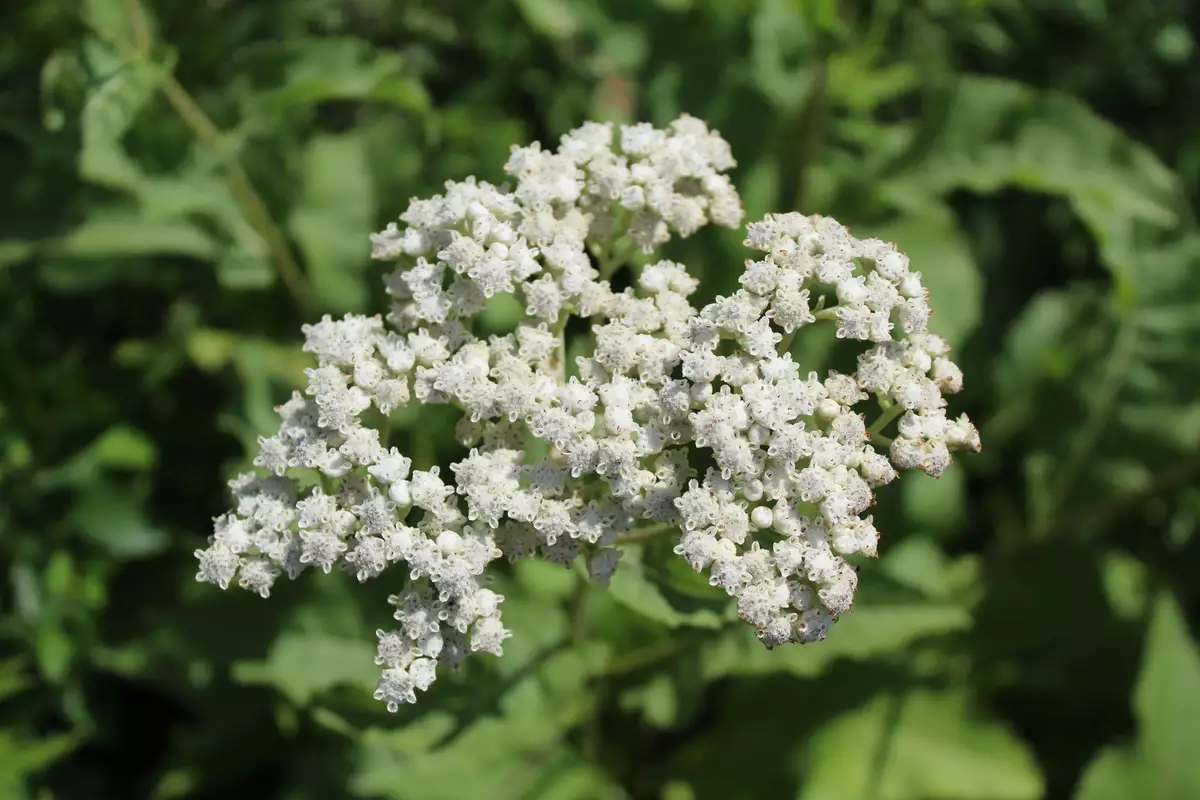
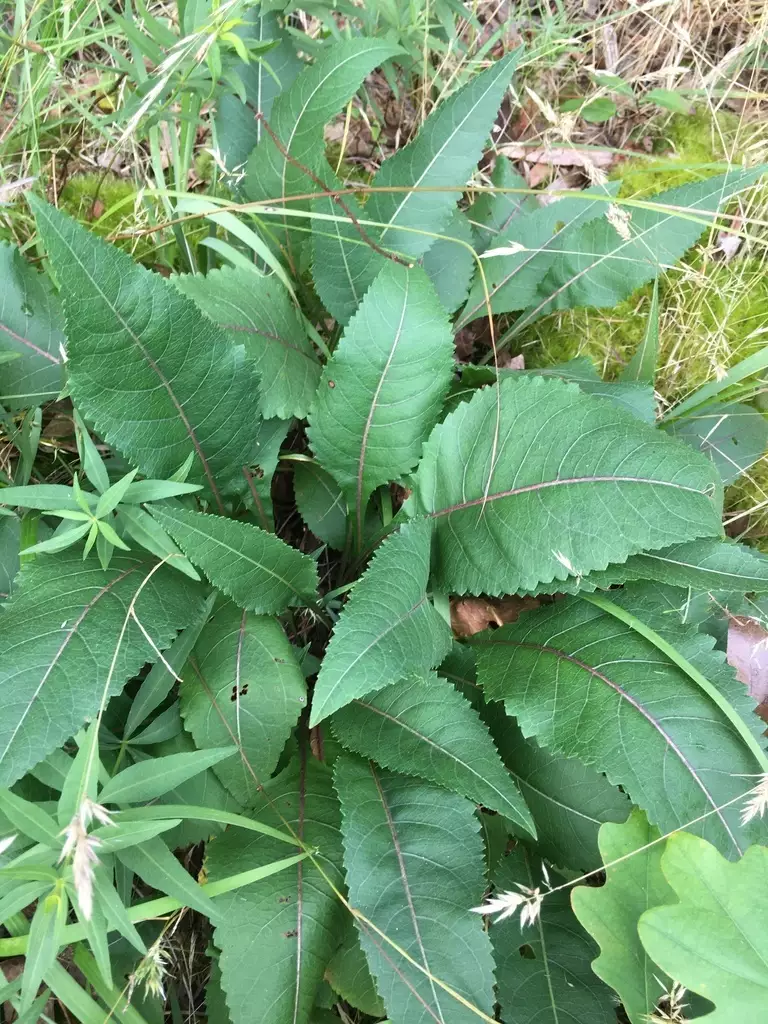
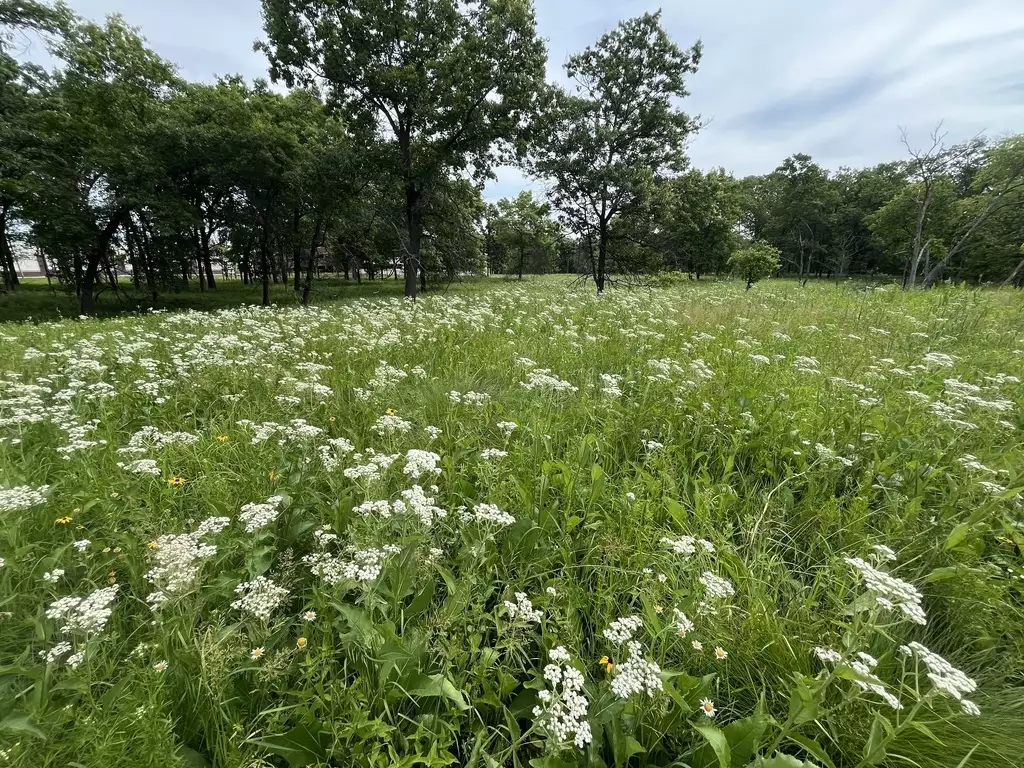
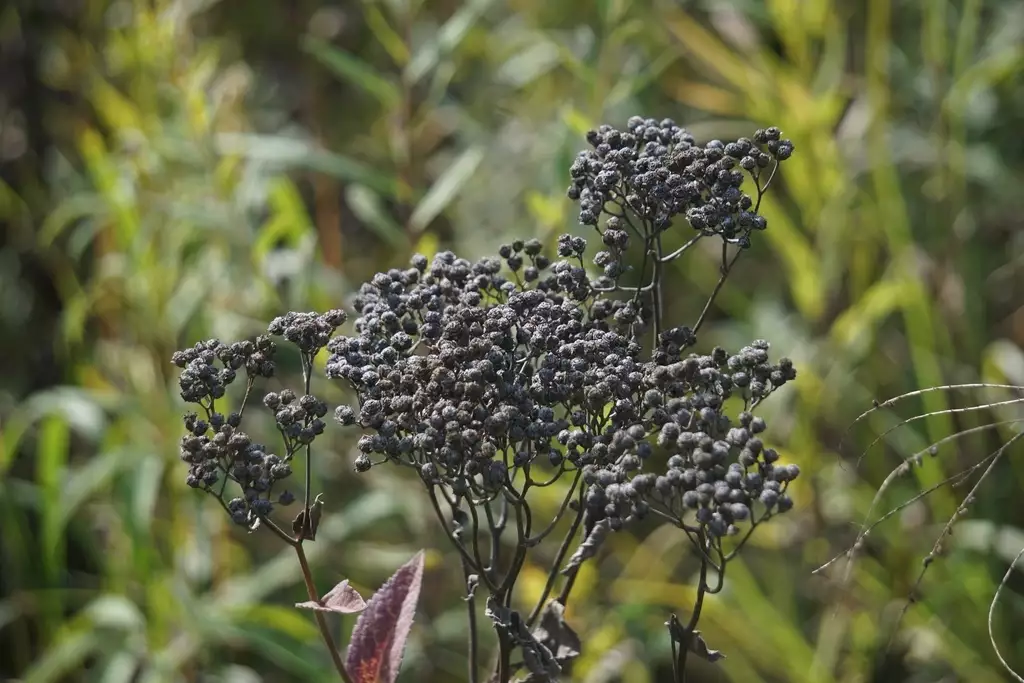
Discover the captivating allure of Parthenium integrifolium, commonly known as Wild Quinine, a rare and exquisite perennial perfect for enhancing your garden's natural beauty. Maturing to a height of 4 feet, its striking white, dense, cauliflower-like blooms are a sight to behold from June through September. Thriving in full sun and medium soil conditions, this native marvel is both deer-resistant and highly attractive to pollinators such as Halictine bees, wasps, and beetles. Originating from dry prairies and open woods, Wild Quinine also serves a historical purpose—its leaves have traditionally been brewed into a tea for their fever-reducing properties, earning it the name American Feverfew.

Ideal for USDA Zones 4-8, this plant flourishes in diverse soil types including clay, loam, and sand. Wild Quinine's upright form, impressive foliage, and robustness against pests and diseases make it a standout choice for both large and small spaces. Though its vigorous nature means it might dominate smaller landscapes, it pairs beautifully with Prairie Blazingstar, Bergamot, or Purple Coneflower for an enchanting late summer display. Ensure optimal growth by spacing plants 1-2 feet apart and consider sowing its seeds in the fall. Wild Quinine is not only rare but also an ecologically beneficial addition, supporting pollinator populations and maintaining its allure for seasons to come.

You might also like

Ceanothus americanus

Ceanothus americanus

New Jersey Tea

Echinacea purpurea

Echinacea purpurea

Eastern Purple Coneflower, Purple Coneflower

Hyssopus officinalis

Hyssopus officinalis

Herb Hyssop, Hyssop

Glycyrrhiza lepidota
Out of Stock

Glycyrrhiza lepidota

American Licorice, Wild Licorice

(315) 497-1058
269 NY-34 Locke NY 13092
seed@sheffields.com

HOME - logo

Find us on: