0
Close
1 / 6
2 / 6

AdobeStock

3 / 6

AdobeStock

4 / 6

AdobeStock

5 / 6

AdobeStock

Growing Info

Scarification
Scarification: Soak in water, let stand in water for 24 hours
Stratification
Stratification: warm stratify for 90 days, cold stratify for 150 days
Germination
Germination: sow seed 1/4" deep, tamp the soil, mulch the seed bed

Other: germination may be delayed until the following year 

Native to: Southern Europe, western Asia
Native
Introduced

Ostrya carpinifolia

European Hop Hornbeam

In Stock: 3.613 lb (Total:4.447lb)
  • Ostrya carpinifolia

    All items have bulk rates priced in
select i.*, as2.state_abbr from inventory_item_manage i left outer join sheffields_2017.address_states as2 on (as2.state_name = i.CollectionLocale or as2.state_abbr = i.CollectionLocale) where i.inventory_id = '916' group by i.id

Buying options

0.83 lb
3.61 lb

Details

Germination:
37%
Germination test:
Cut (Full Seed)
Purity:
93%
Seeds per lb:
50,870
Quantity:
3.61 lb
Collected in:
Netherlands
Crop year:
2022
Min. hardiness zone:
5
Item ID:
1831754

No Export to These Countries

Australia

Growing Info

Scarification
Scarification: Soak in water, let stand in water for 24 hours
Stratification
Stratification: warm stratify for 90 days, cold stratify for 150 days
Germination
Germination: sow seed 1/4" deep, tamp the soil, mulch the seed bed

Other: germination may be delayed until the following year 

Native to: Southern Europe, western Asia
Native
Introduced
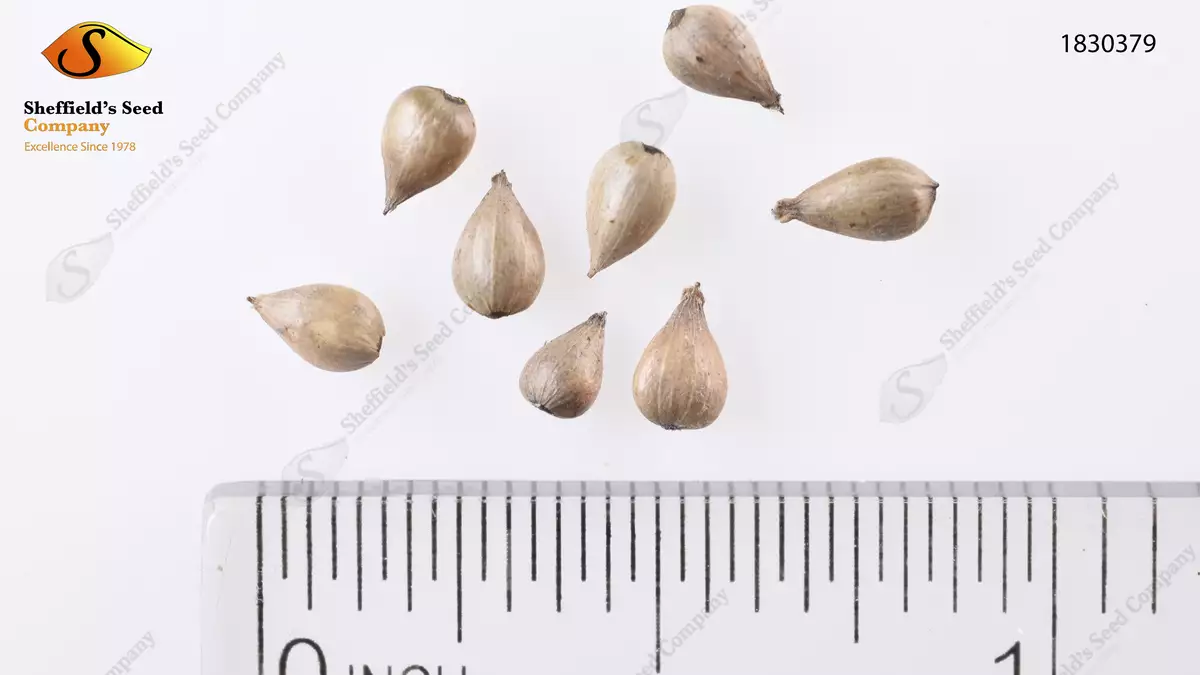
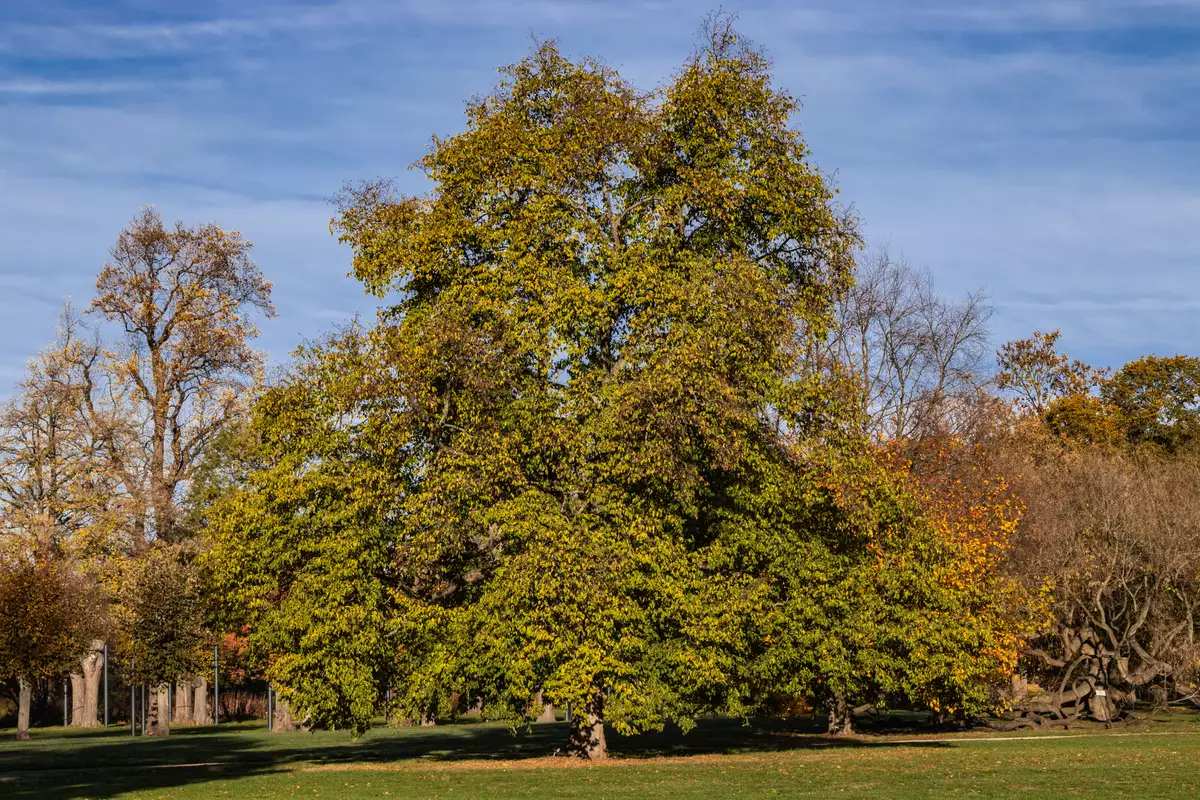
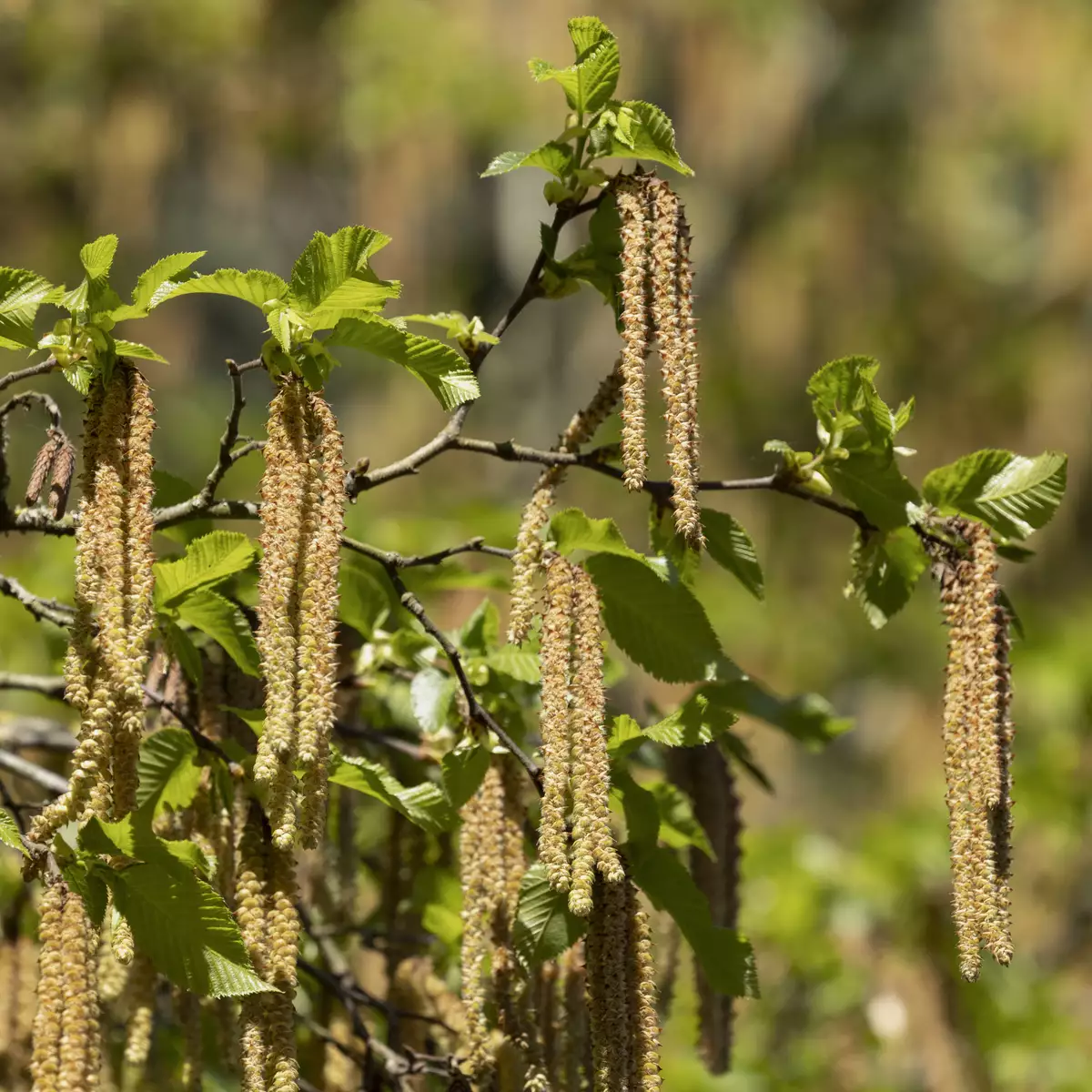
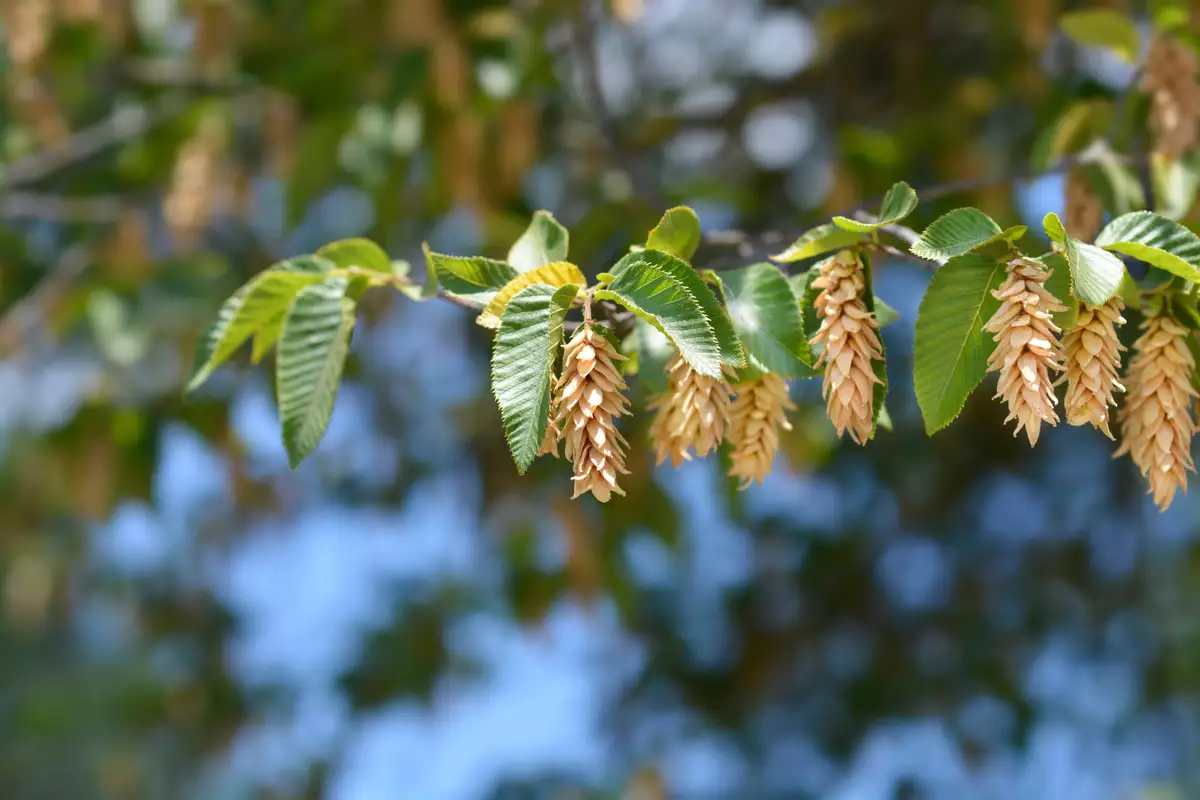
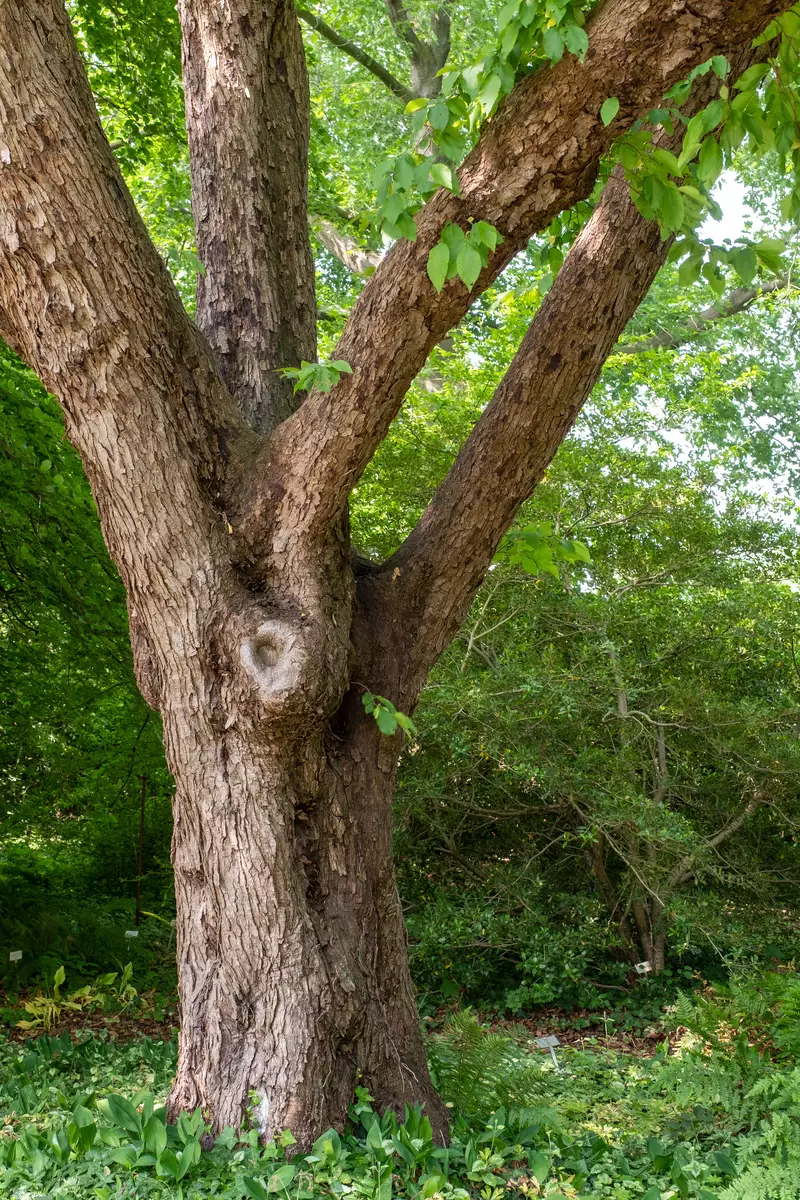
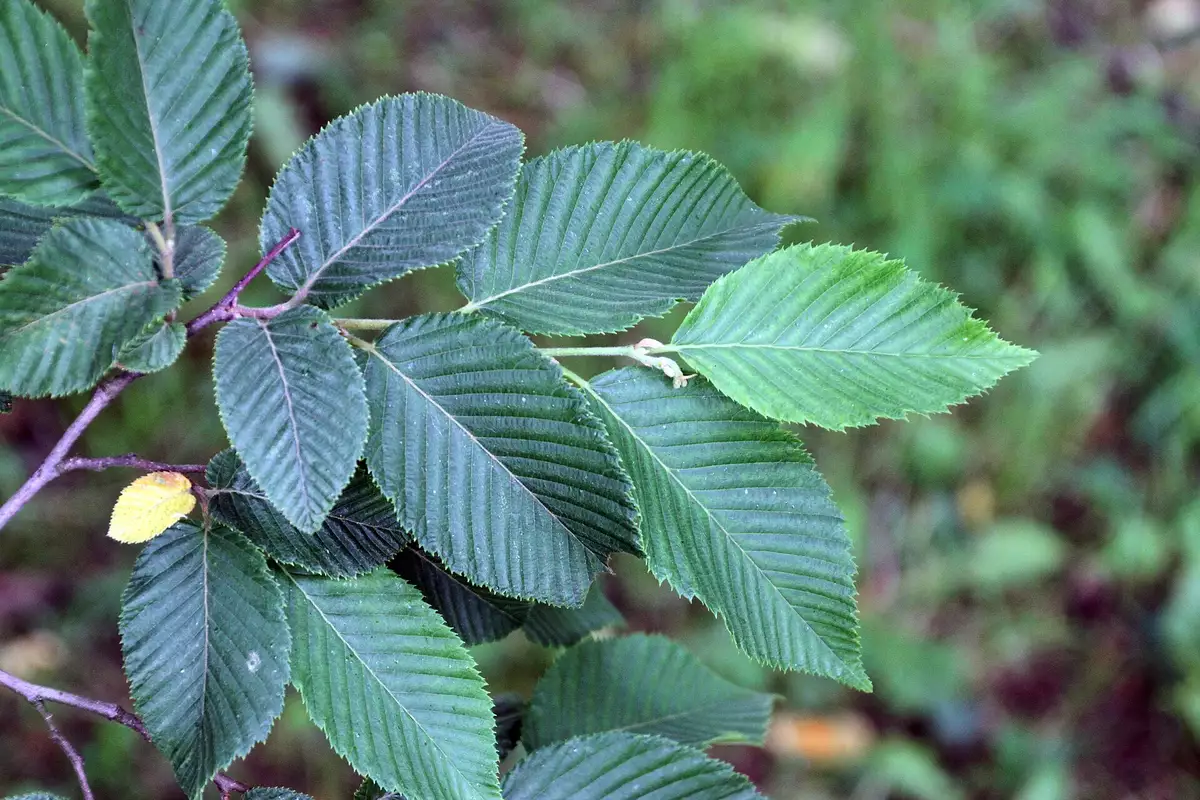
Ostrya carpinifolia, commonly known as European Hop Hornbeam, is a captivating deciduous tree well-suited for enhancing landscapes with its unique features and low-maintenance requirements. Belonging to the Betulaceae family, this tree thrives across zones 5 to 9, reaching heights of 40 to 50 feet and spreading 30 to 40 feet wide. It exhibits an upright pyramidal shape that gracefully broadens with age, forming a picturesque rounded crown, ideal for use as a shade or street tree. Hop Hornbeam’s native range spans Western Asia, Southern Europe, and the Caucasus, flourishing in full sun to part shade settings. It prefers moist, acidic, and organically rich soils, while demonstrating resilience against rabbits and deer. Despite its tolerance to shallow, rocky soils and its role in diverse forest ecosystems, it does not fare well in drought or polluted urban settings. Its small nutlets enclosed in hop-like bracts add seasonal interest. With scaly gray bark and striking yellow fall foliage, it stands out as a specimen tree for lawns, patios, and open woodlands, inviting natural beauty into cultivated spaces.

You might also like

Alnus nepalensis

Alnus nepalensis

Nepal Alder, Utis

Cercis canadensis Northern Zone 5
Out of Stock

Cercis canadensis Northern Zone 5

Eastern Redbud, Northern Zone 5 Eastern Redbud, Redbud

Platanus orientalis

Platanus orientalis

Oriental Planetree

Euptelea pleiosperma

Euptelea pleiosperma

Chinese Euptelea, Ling Chun Mu

(315) 497-1058
269 NY-34 Locke NY 13092
seed@sheffields.com

HOME - logo

Find us on: