Germination: sow seed 1/16" deep, tamp the soil, lightly mulch the seed bed.
Native to: Alabama, Alberta, Arkansas, Connecticut, Delaware, District of Columbia, Florida, Georgia, Illinois, Indiana, Iowa, Kansas, Kentucky, Louisiana, Maine, Manitoba, Maryland, Massachusetts, Michigan, Minnesota, Mississippi, Missouri, Nebraska, New Hampshire, New York, Newfoundland, North Carolina, North Dakota, Ohio, Oklahoma, Ontario, Pennsylvania, Québec, Rhode Island, Saskatchewan, South Carolina, South Dakota, Tennessee, Texas, Vermont, Virginia, West Virginia, Wisconsin
Introduced to: DEU, Europe, FRA, GBR
Native
Introduced
Oenothera biennisOenothera biennis
Common Evening Primrose, Evening Primrose
In Stock: 6.277 lb (Total:6.277lb)
Oenothera biennis
select i.*, as2.state_abbr
from inventory_item_manage i
left outer join sheffields_2017.address_states as2 on (as2.state_name = i.CollectionLocale or as2.state_abbr = i.CollectionLocale)
where i.inventory_id = '4306'
group by i.id
Germination: sow seed 1/16" deep, tamp the soil, lightly mulch the seed bed.
Native to: Alabama, Alberta, Arkansas, Connecticut, Delaware, District of Columbia, Florida, Georgia, Illinois, Indiana, Iowa, Kansas, Kentucky, Louisiana, Maine, Manitoba, Maryland, Massachusetts, Michigan, Minnesota, Mississippi, Missouri, Nebraska, New Hampshire, New York, Newfoundland, North Carolina, North Dakota, Ohio, Oklahoma, Ontario, Pennsylvania, Québec, Rhode Island, Saskatchewan, South Carolina, South Dakota, Tennessee, Texas, Vermont, Virginia, West Virginia, Wisconsin
Introduced to: DEU, Europe, FRA, GBR
Native
Introduced
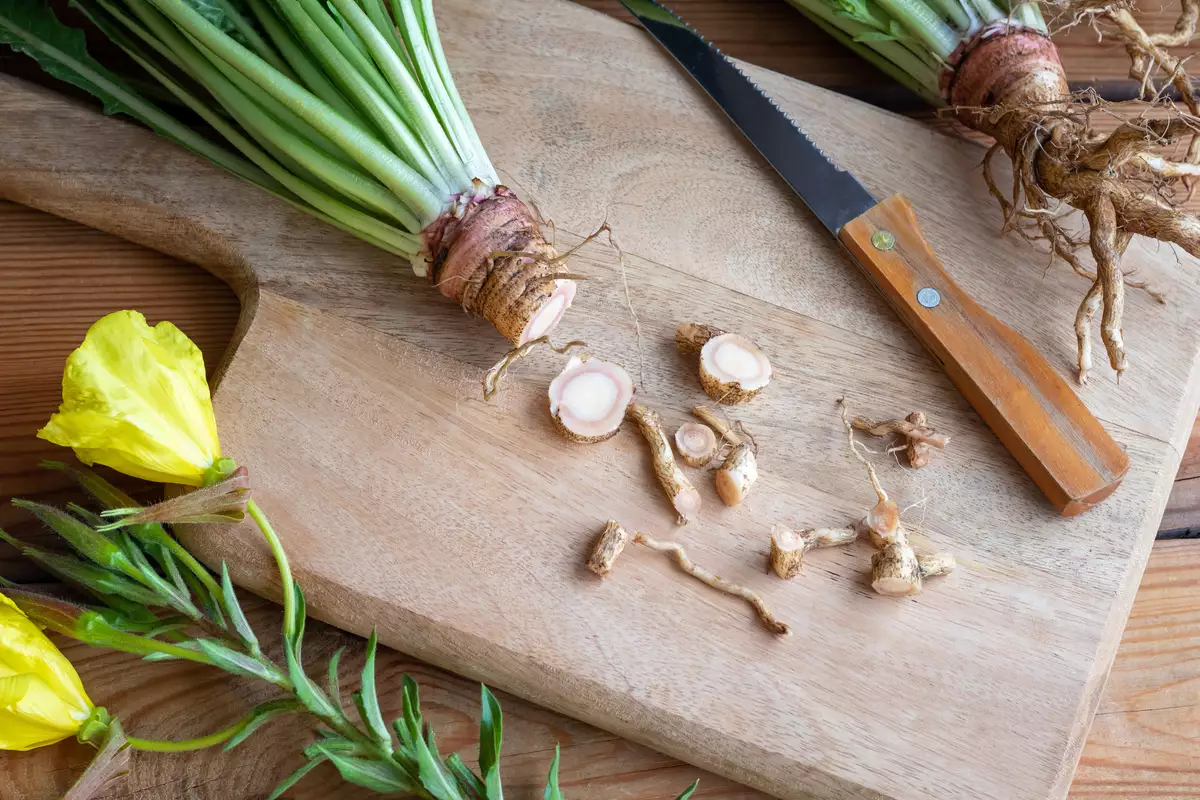
Discover Oenothera Biennis or commonly known as Evening Primrose, a versatile plant native to regions spanning from Newfoundland to Alberta, southeast to Florida, and southwest to Texas. Evening primrose is revered for its captivating evening bloom and its fleshy, nutritious root that tastes remarkably like salsify or parsnips. Known for its diverse range of usage, it has applications in the culinary world as well as in traditional medicine, with almost all parts of the plant being edible and medicinally applicable including roots, leaves, blossoms, flower buds and seeds.
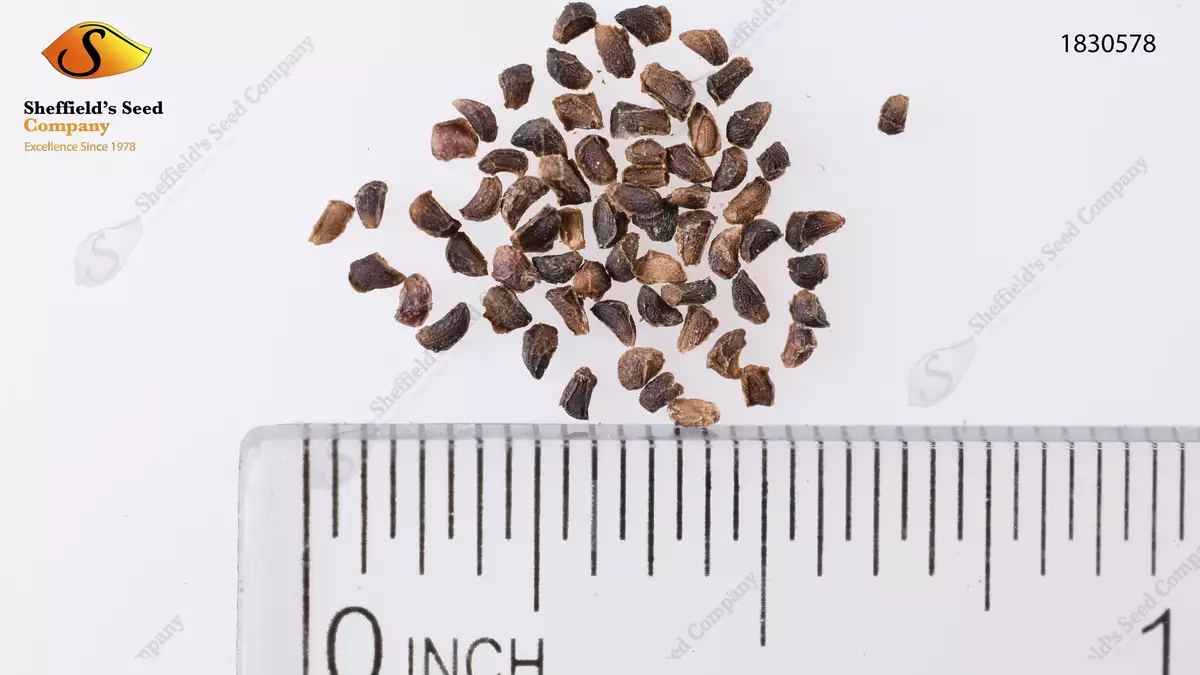
Aside from its culinary use, the evening primrose plant is beneficial for birds as its seeds serve as a significant food source. Medicinally, oil produced from the plant is sold as a dietary supplement rich in gamma-linolenic acid (GLA), a polyunsaturated fatty acid. Traditional medicinal uses by Native American tribes include making tea from evening primrose leaves for dietary aid, and externally applied root for strength and healing.
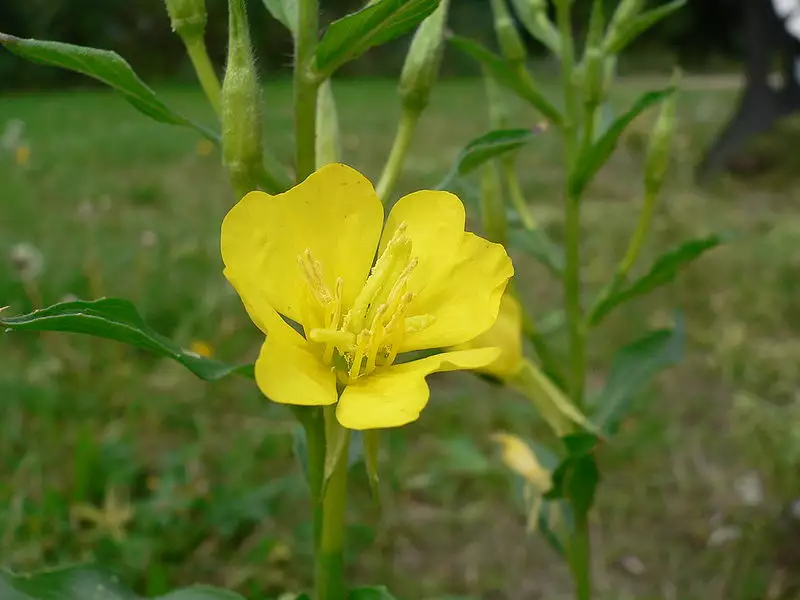
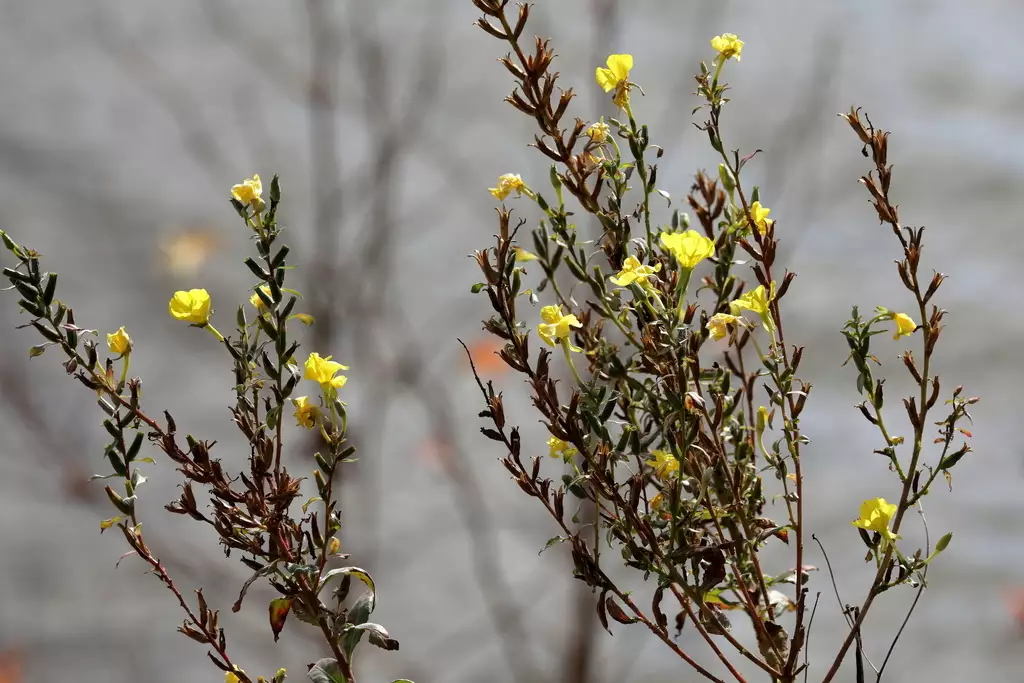
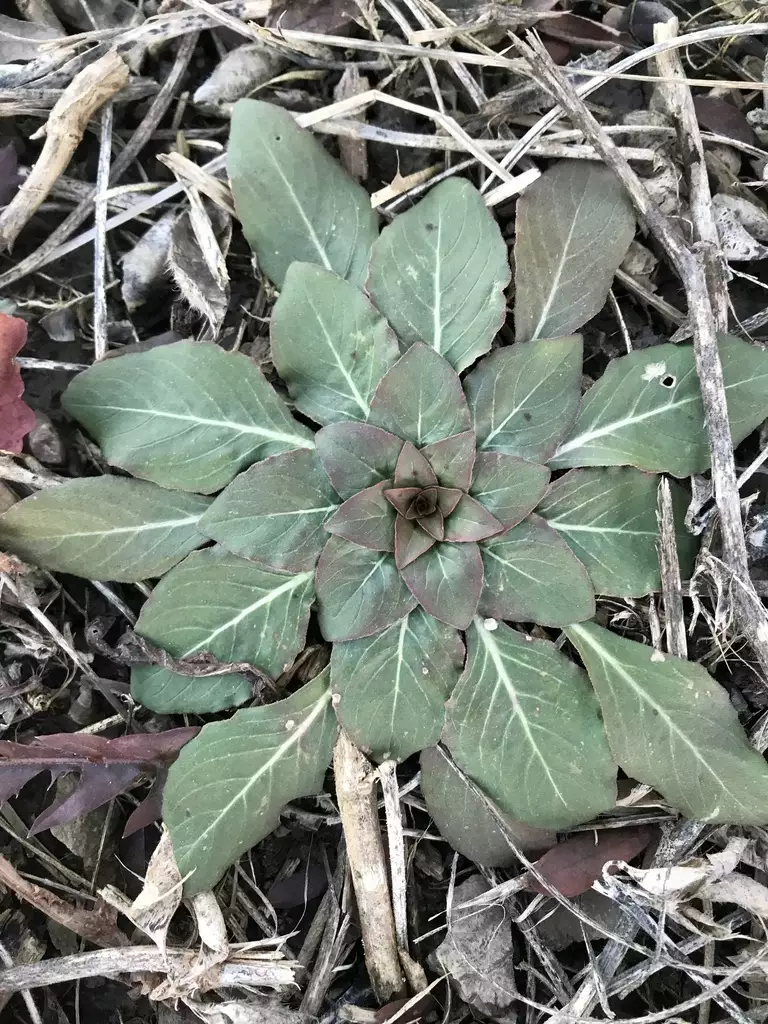
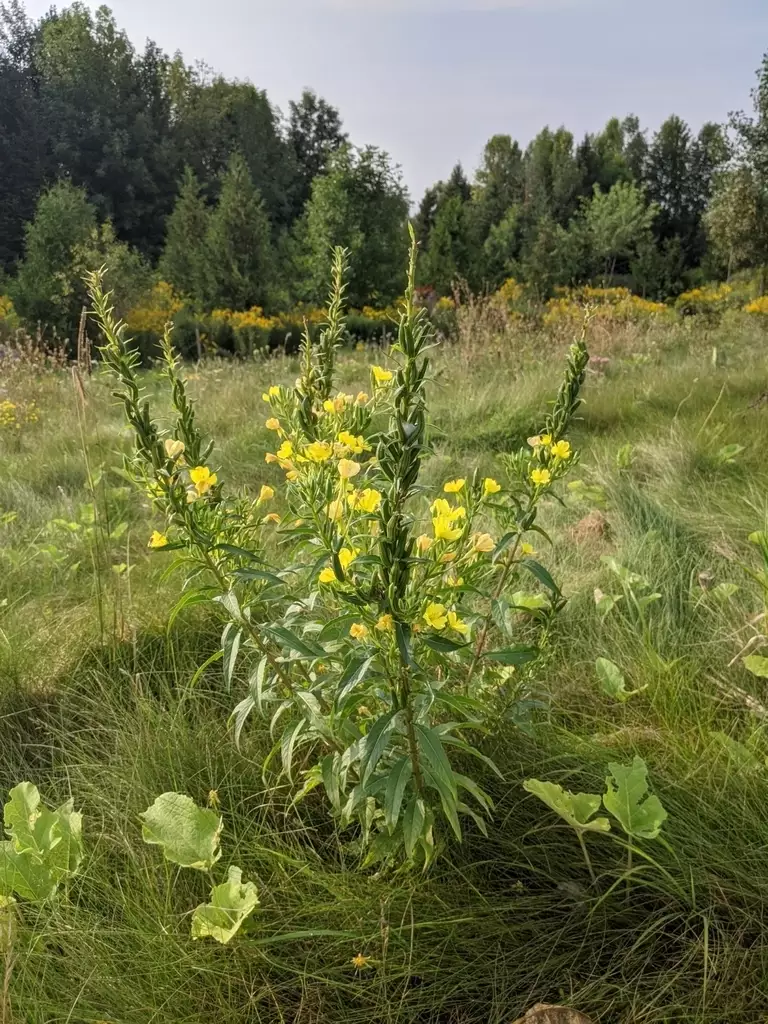
This spectacular biennial plant grows 1-4 ft tall and its life-cycle culminates in a stunning evening bloom, an engaging spectacle that gives the plant its name. The blooms, open in the evening and close as noon approaches, have an alluring yellow color and are pollinated by moths, butterflies, and bees. Experience the magic and versatility of the Oenothera Biennis or Evening Primrose.