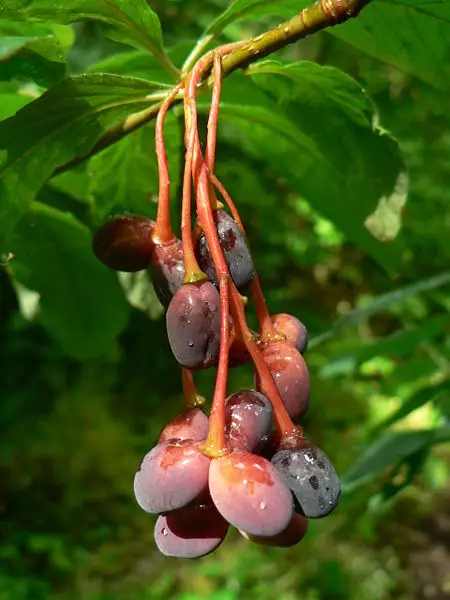
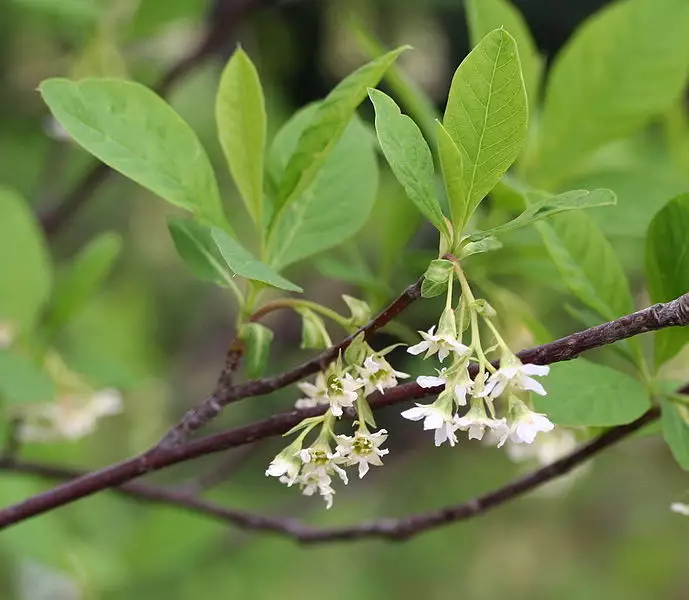
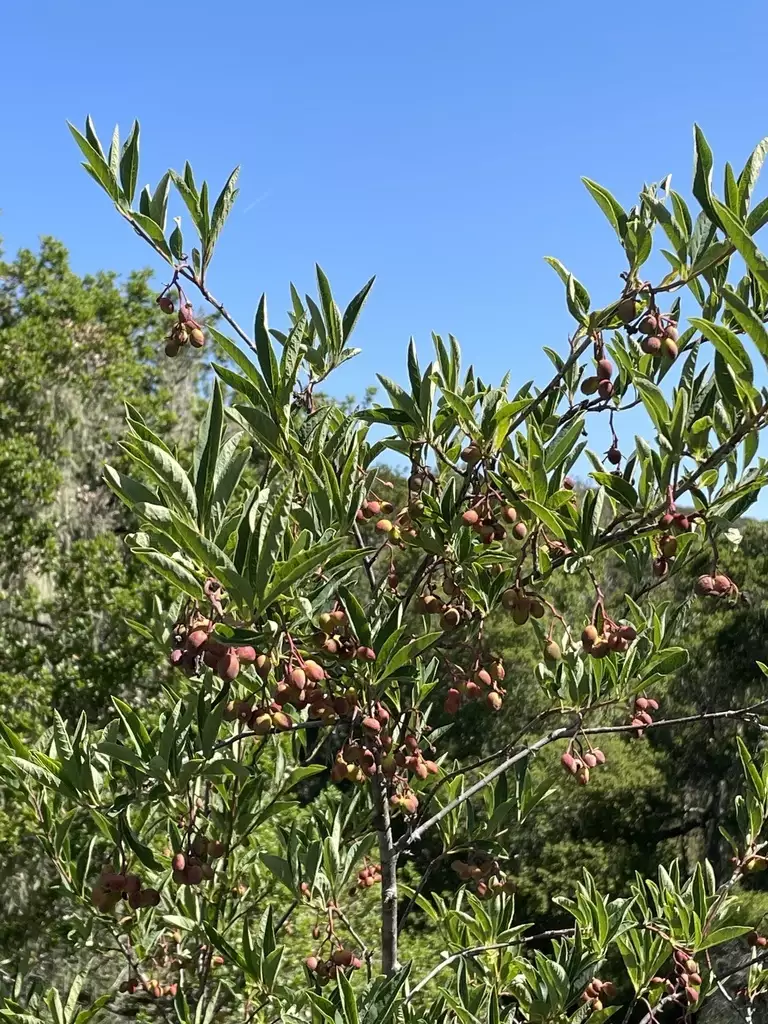
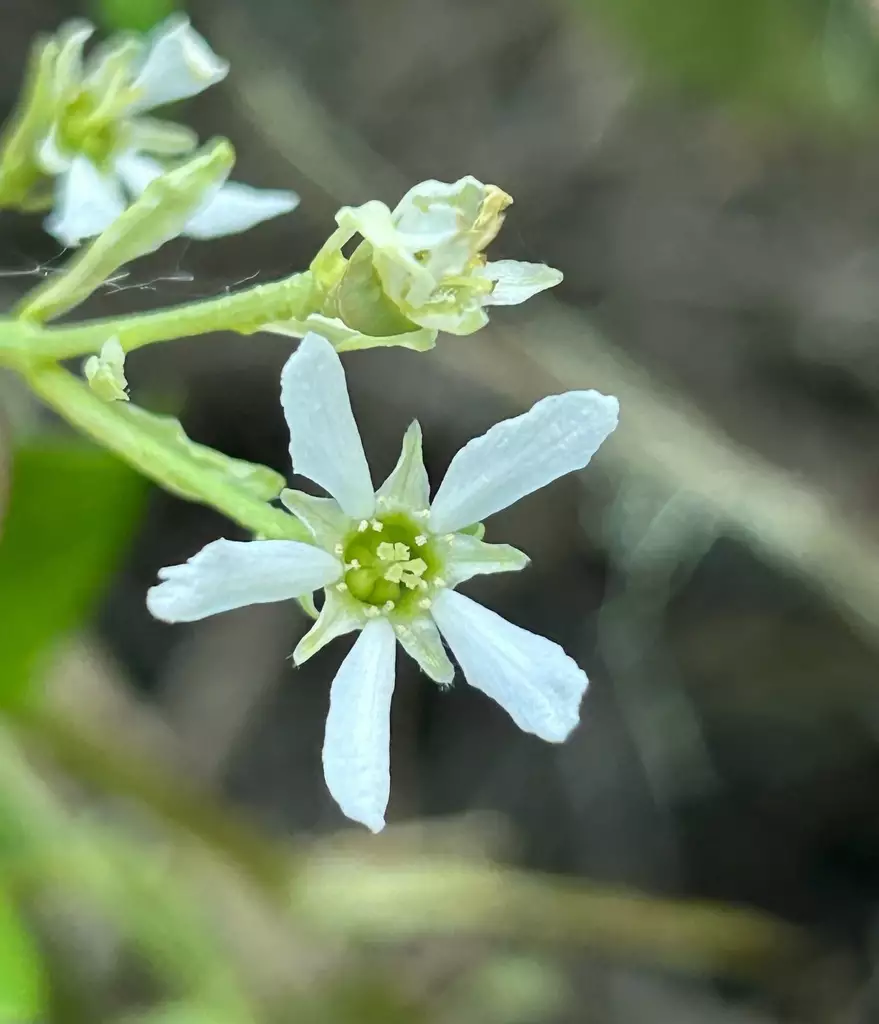
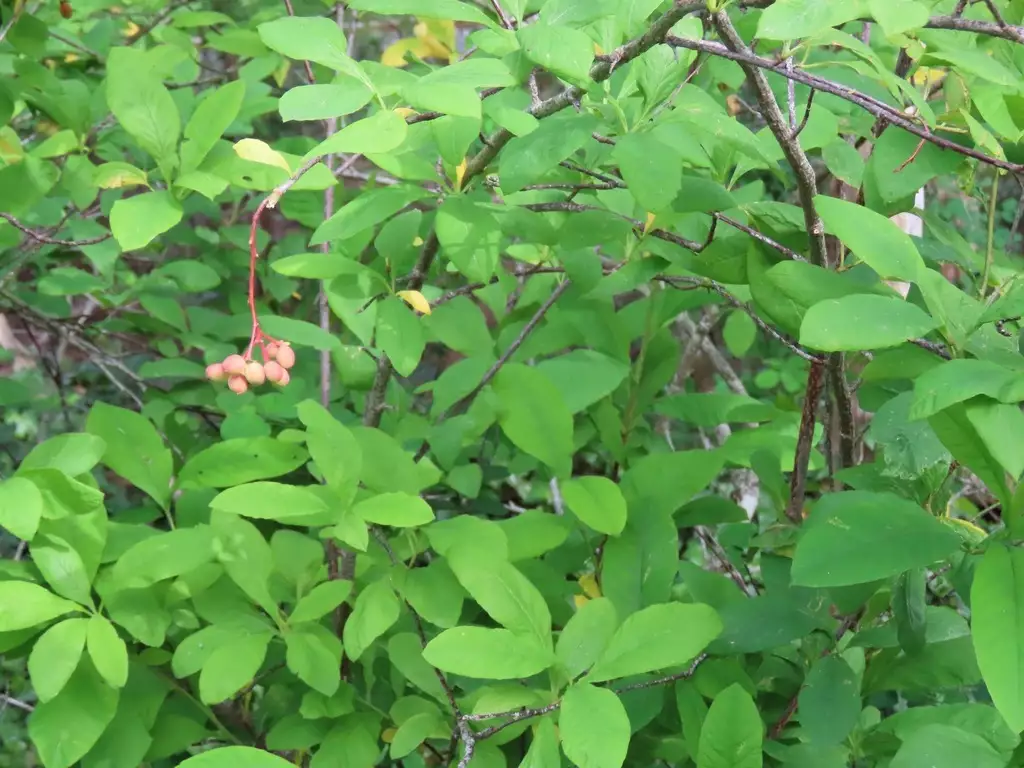
Discover the beauty and resilience of Oemleria cerasiformis, commonly known as Indian Plum or Oso Berry, a deciduous shrub native to the lush landscapes of Western North America. This captivating shrub, belonging to the Rosaceae family, thrives in USDA Zones 6 to 10, reaching heights of up to 20 feet and spanning 15 feet. Revered for its early blooms, Indian Plum graces gardens with fragrant, greenish-white flowers from February to April—the first native shrub to blossom in the spring in Washington. These almond-scented flowers, arranged in drooping clusters, give way to olive-sized, ovoid fruits that evolve from green to purple-black by early summer, attracting birds and wildlife such as bears, deer, and raccoons. Though the fruits are edible to humans, they should be consumed in small quantities.
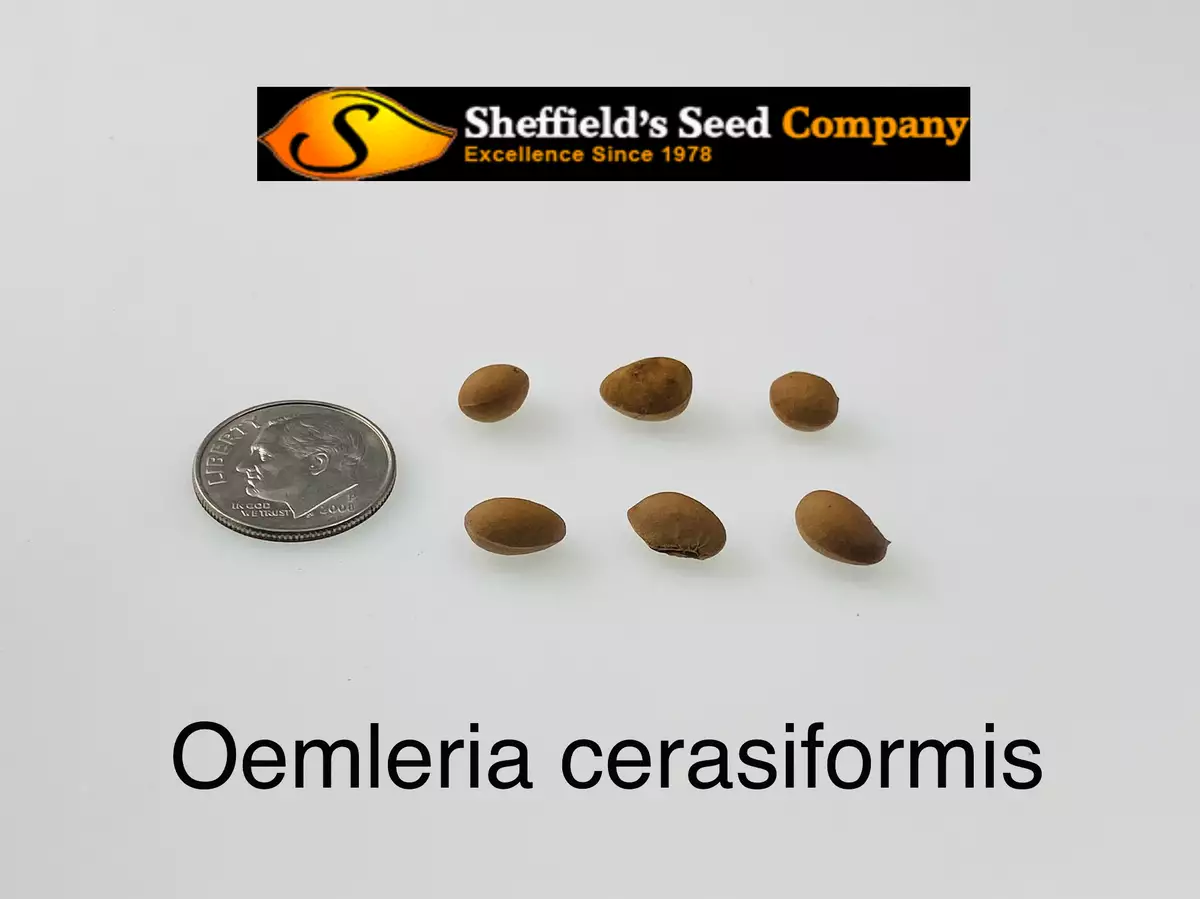
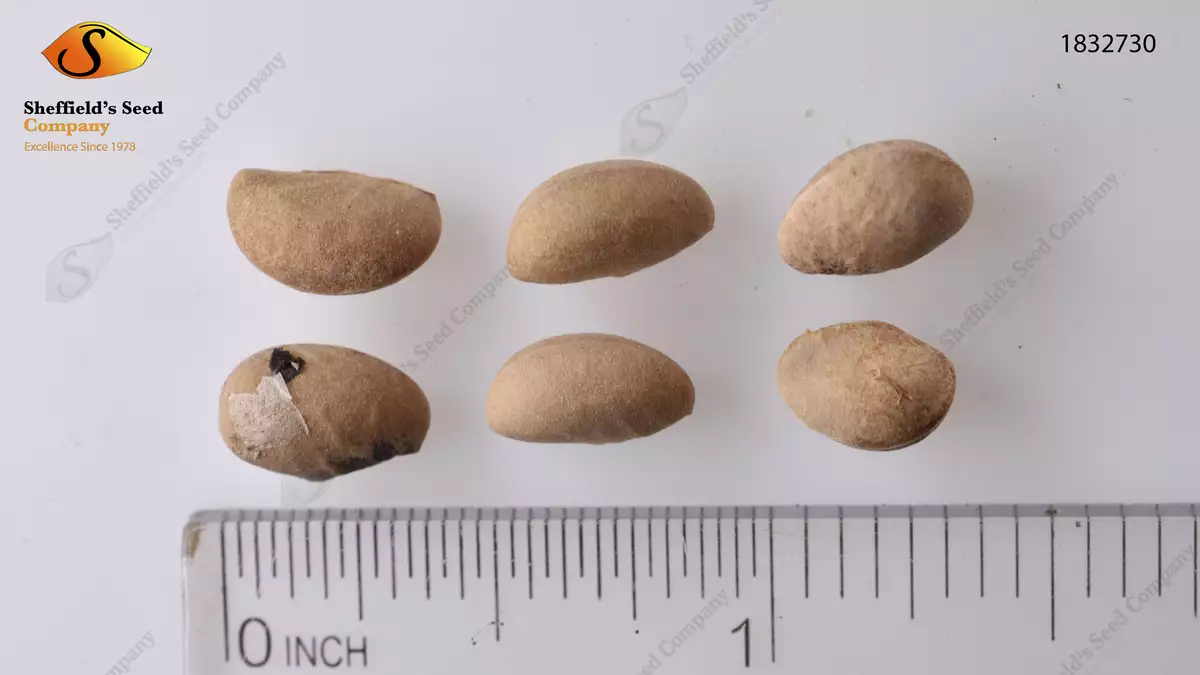
Adaptable and low-maintenance, Indian Plum flourishes in a range of environments, from moist forests to dry hillsides, making it ideal for hedges or naturalized plantings. Its leaves, releasing a cucumber-like scent when crushed, turn a vibrant yellow in the fall, adding seasonal interest. With its spreading roots, it can be easily propagated via root suckers and seeds. Whether adorning a garden or revitalizing a landscape, Oemleria stands out as an essential plant for any enthusiast cherishing native flora and sustainable landscaping.