0
Close
1 / 6
2 / 6

AdobeStock

3 / 6

AdobeStock

4 / 6

Growing Info

Scarification
Scarification: none required
Stratification
Stratification: none required
Germination
Germination: Broadcast, drill or hydroseed on prepared seed bed.

Native to: Eurasia
Introduced to: AUS, Australia, North America, USA
Native
Introduced

Melilotus officinalis

Yellow Sweetclover

In Stock: 2.629 lb (Total:2.629lb)
  • Melilotus officinalis

    All items have bulk rates priced in
select i.*, as2.state_abbr from inventory_item_manage i left outer join sheffields_2017.address_states as2 on (as2.state_name = i.CollectionLocale or as2.state_abbr = i.CollectionLocale) where i.inventory_id = '698432' group by i.id

Buying options

2.63 lb

Details

Germination:
88%
Germination test:
Cut (Full Seed)
Purity:
99%
Seeds per lb:
204,299
Quantity:
2.63 lb
Collected in:
China
Crop year:
2021
Min. hardiness zone:
3
Item ID:
1829112

Growing Info

Scarification
Scarification: none required
Stratification
Stratification: none required
Germination
Germination: Broadcast, drill or hydroseed on prepared seed bed.

Native to: Eurasia
Introduced to: AUS, Australia, North America, USA
Native
Introduced
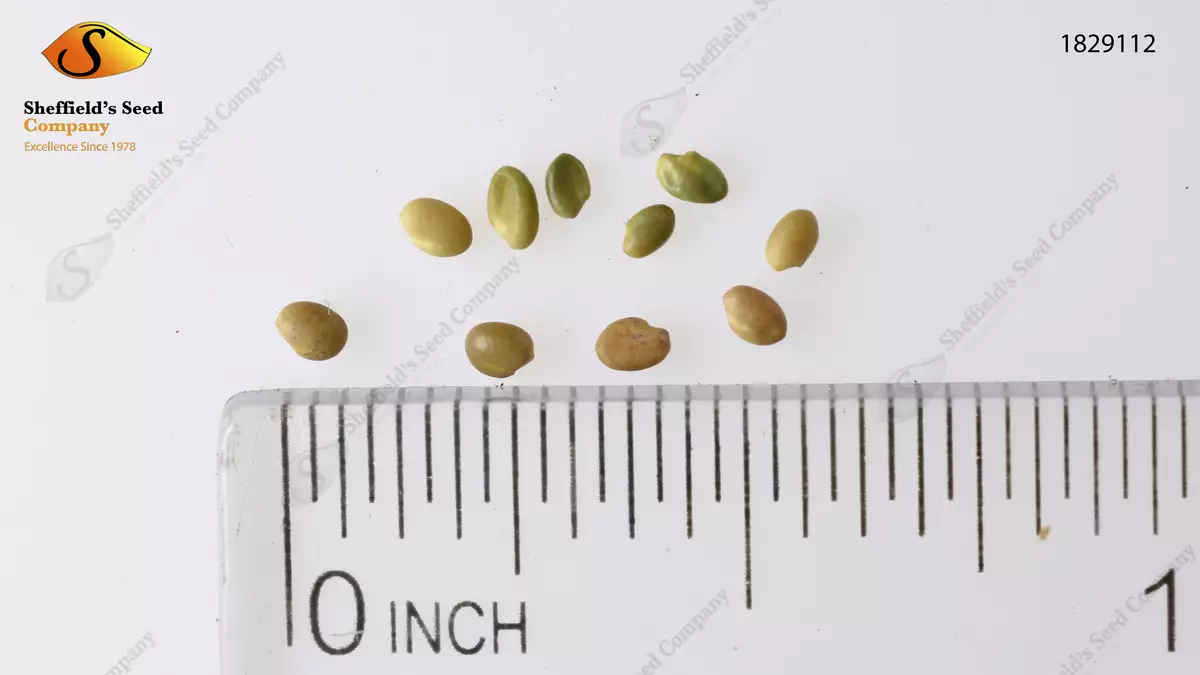
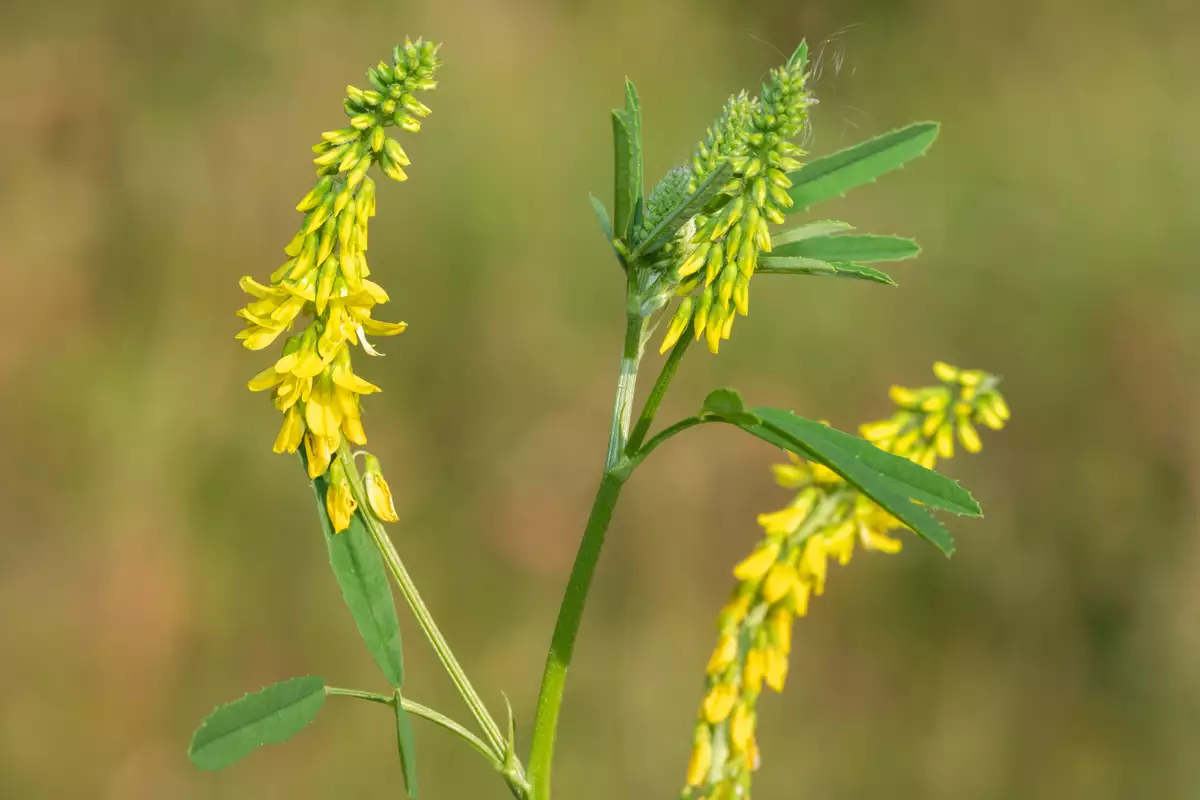
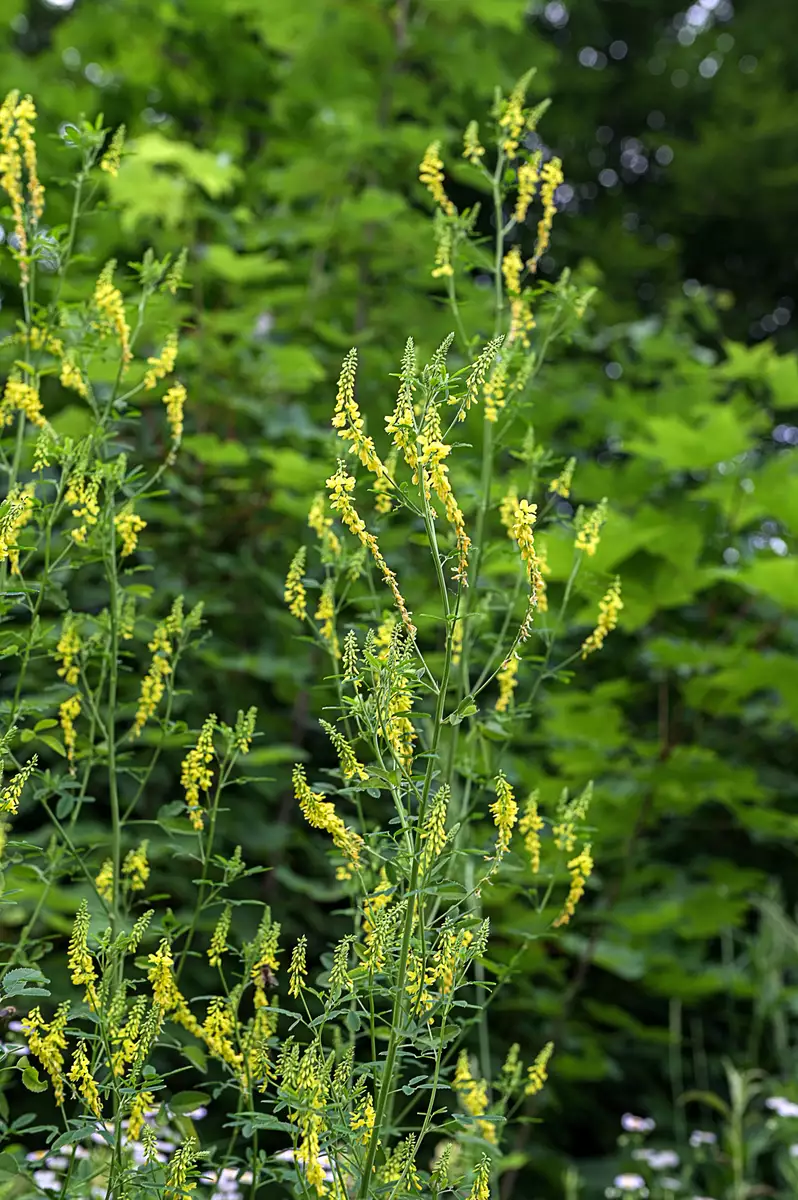
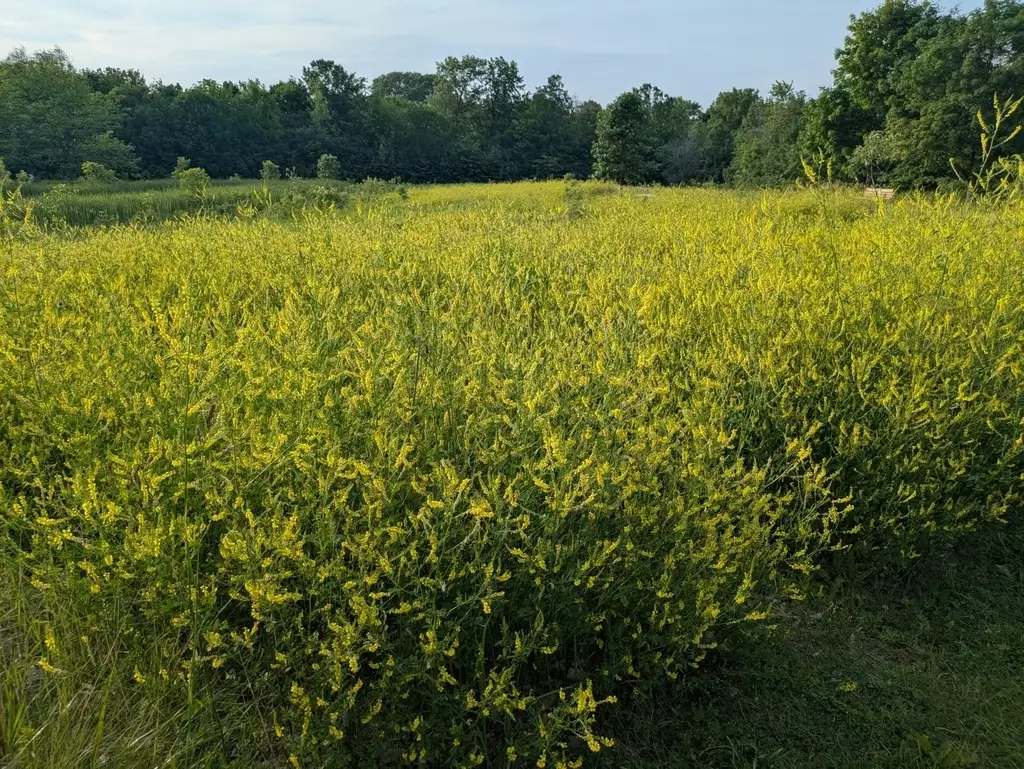
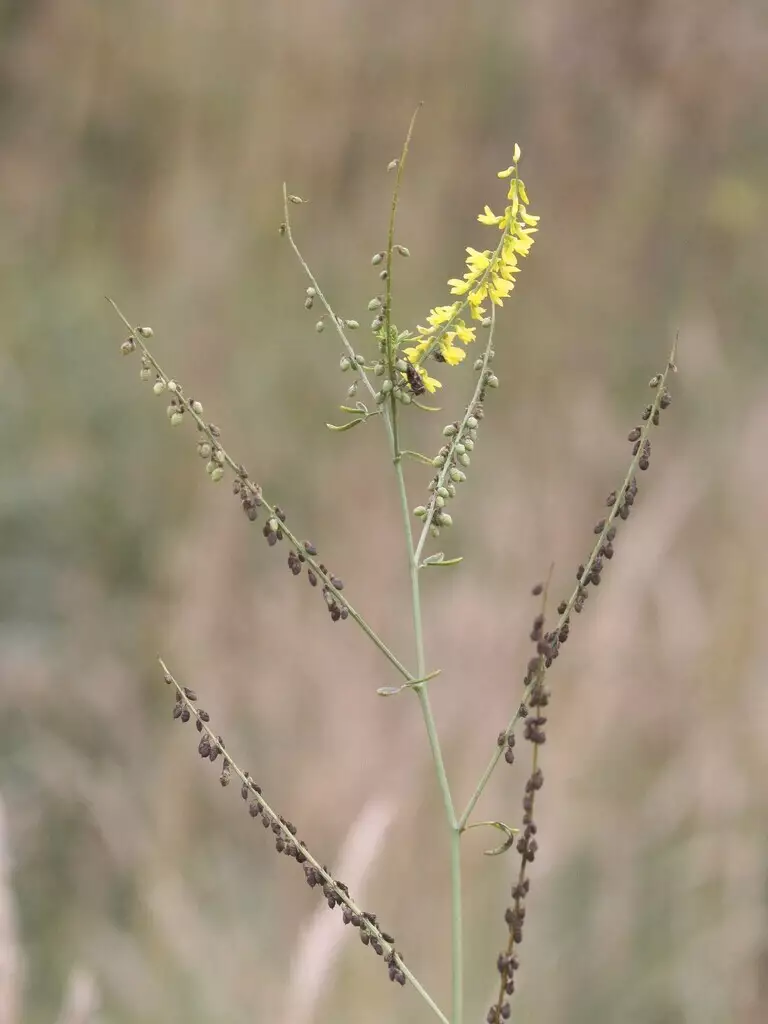
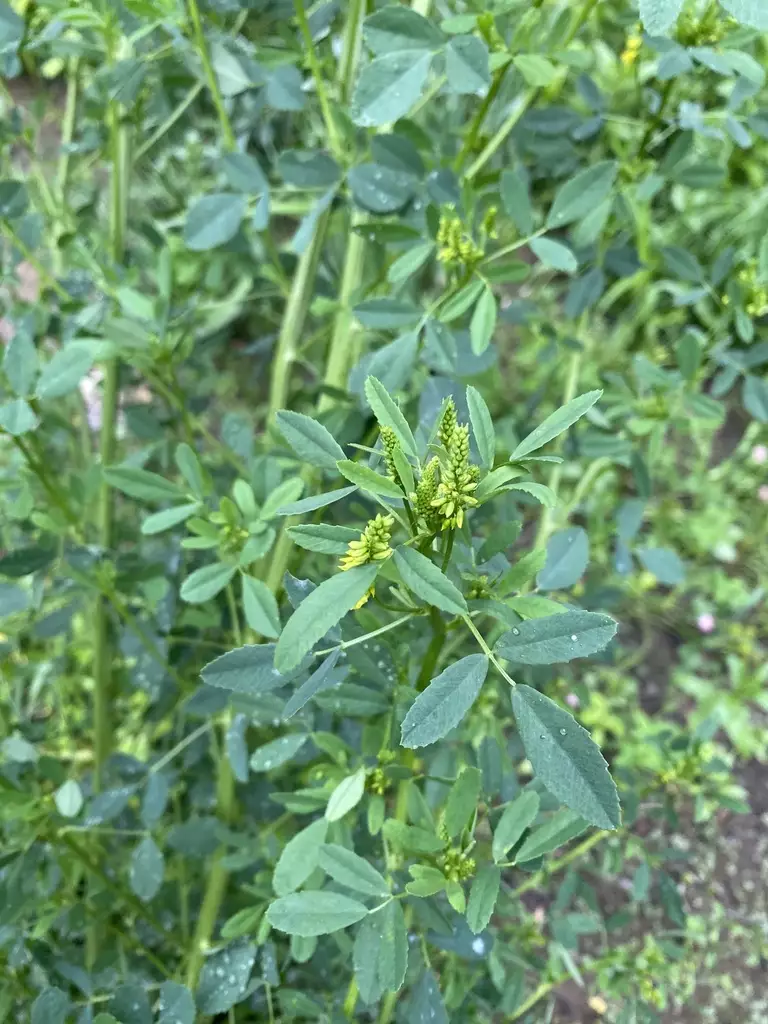
Melilotus officinalis, commonly known as Yellow Sweetclover or Yellow Blossom Sweet Clover, is a versatile biennial legume native to Eurasia, with significant uses in North America, Africa, and Australia. Renowned for its rapid growth and adaptability, it's an excellent choice for pastures and soil improvement. This hardy plant thrives in drylands and disturbed sites like roadsides and old fields, adapting well to various climates due to its drought tolerance and robust growth. It reaches up to 6 feet, boasting a deep taproot and fragrant, yellow, pea-like flowers that bloom from April to September. Yellow Sweetclover is prevalent in pasture mixes, enhancing soil nitrogen levels and offering forage for livestock when adequately cured. Moreover, it's a vital nectar source for honey bees, contributing up to 200 pounds of honey per hive annually. Its reclamation potential and role in phytoremediation make it a favorable choice for improving soil health and combating erosion. However, care is essential as it contains coumarin, which can be toxic to cattle if improperly handled. Choose Melilotus officinalis for resilient and sustainable land management solutions.

You might also like

Cichorium intybus

Cichorium intybus

Chicory

Lotus corniculatus

Lotus corniculatus

Bird's-foot Trefoil, Birdfoot Deervetch, Birdsfoot Trefoil

Trifolium hybridum

Trifolium hybridum

Alsike Clover

Trifolium incarnatum

Trifolium incarnatum

Crimson Clover, Italian Clover

(315) 497-1058
269 NY-34 Locke NY 13092
seed@sheffields.com

HOME - logo

Find us on: