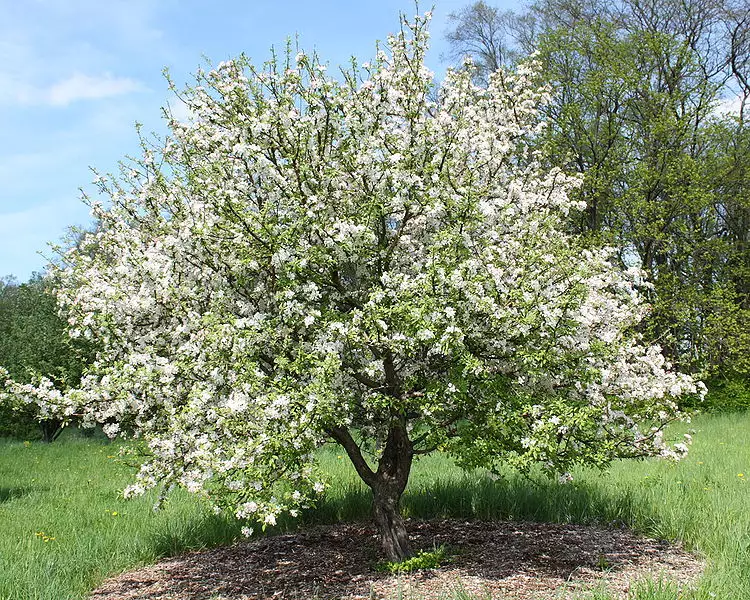
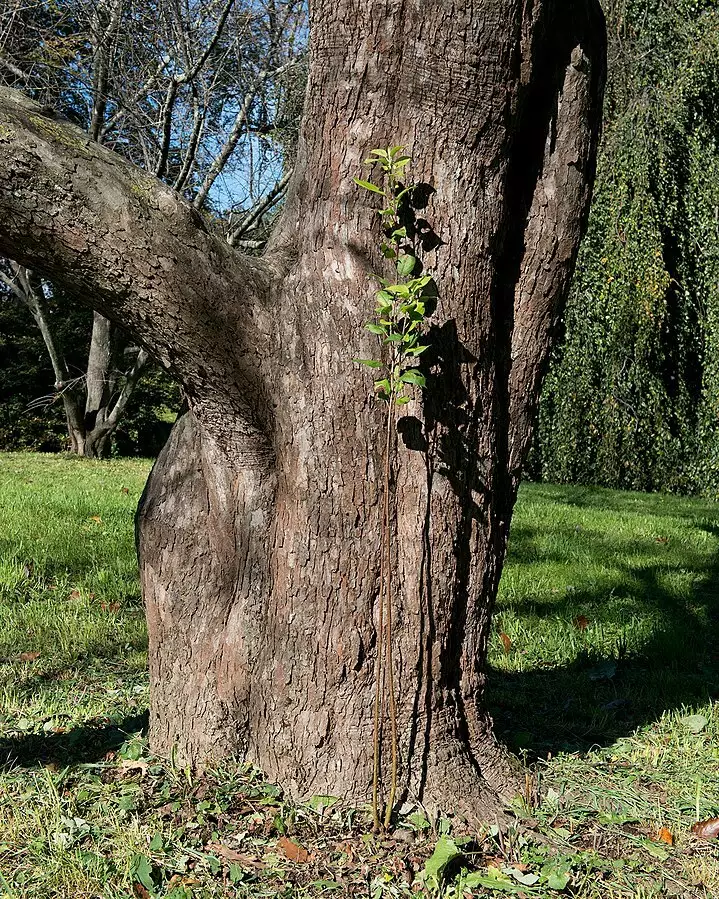
Discover the enchanting Malus prunifolia, widely known as Plum-leaved Crab Apple or Pear-leaf Crab Apple, an alluring blend of beauty and utility. A graceful member of the Rose family (Rosaceae), this versatile species can manifest as either a large shrub or a small tree, typically reaching heights of 15-30 feet. Its dark gray trunk, adorned with irregular furrows, supports a broad crown, while smoother, light gray to gray-brown branches exhibit scattered lenticels. With leaves that are gracefully ovate or elliptic, displaying finely serrated edges, the foliage provides a captivating contrast of medium and light green shades.
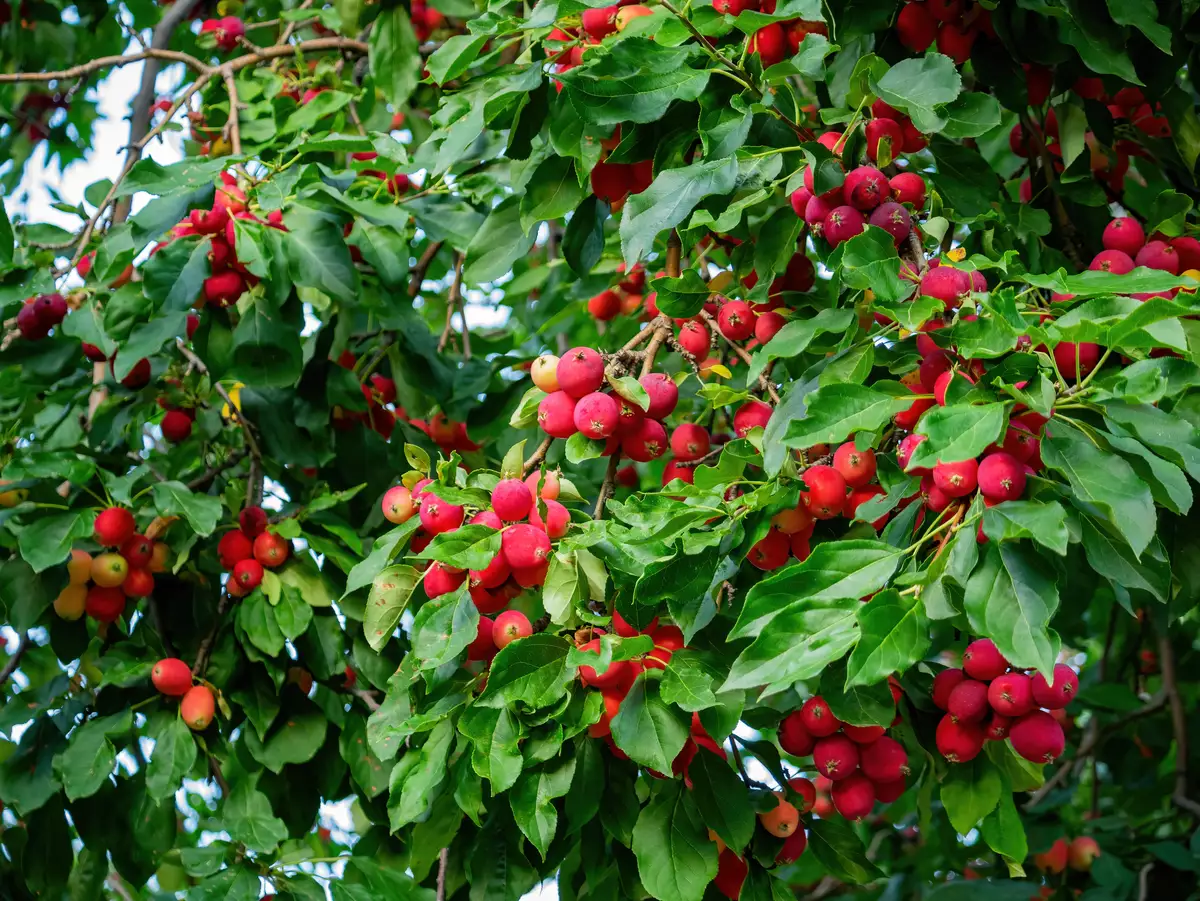
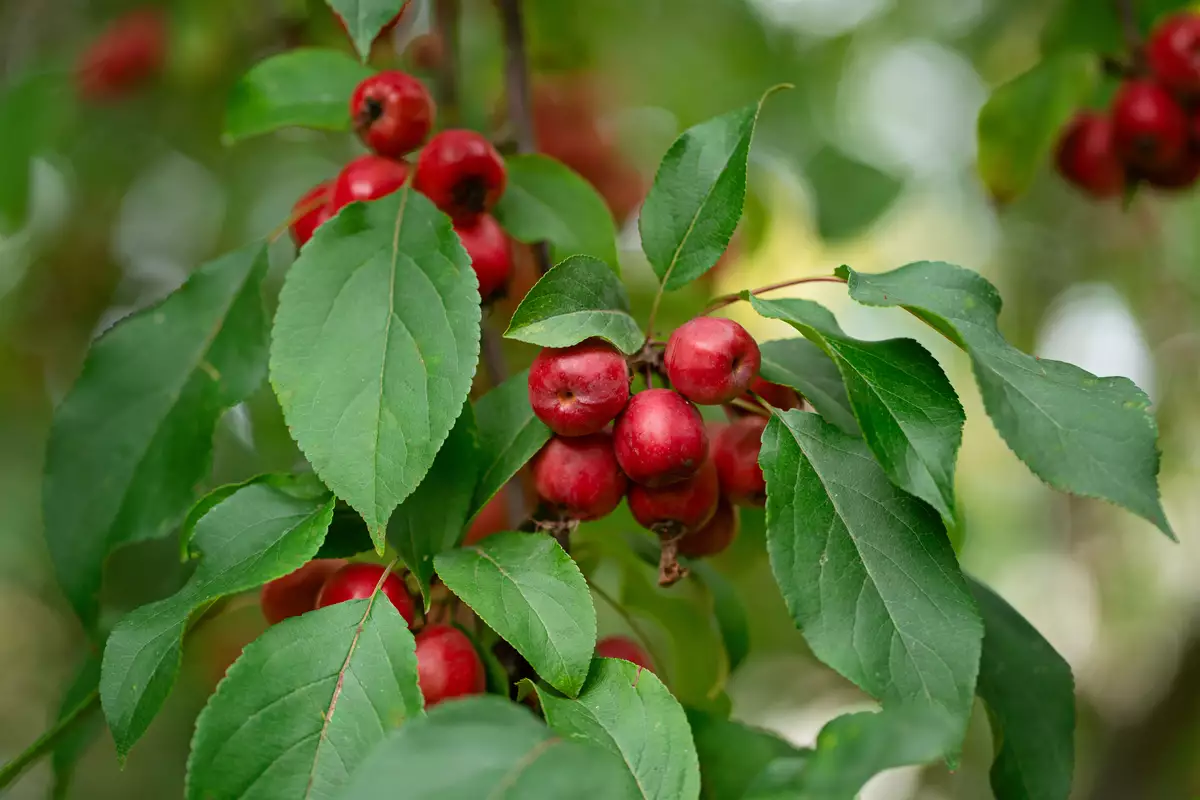
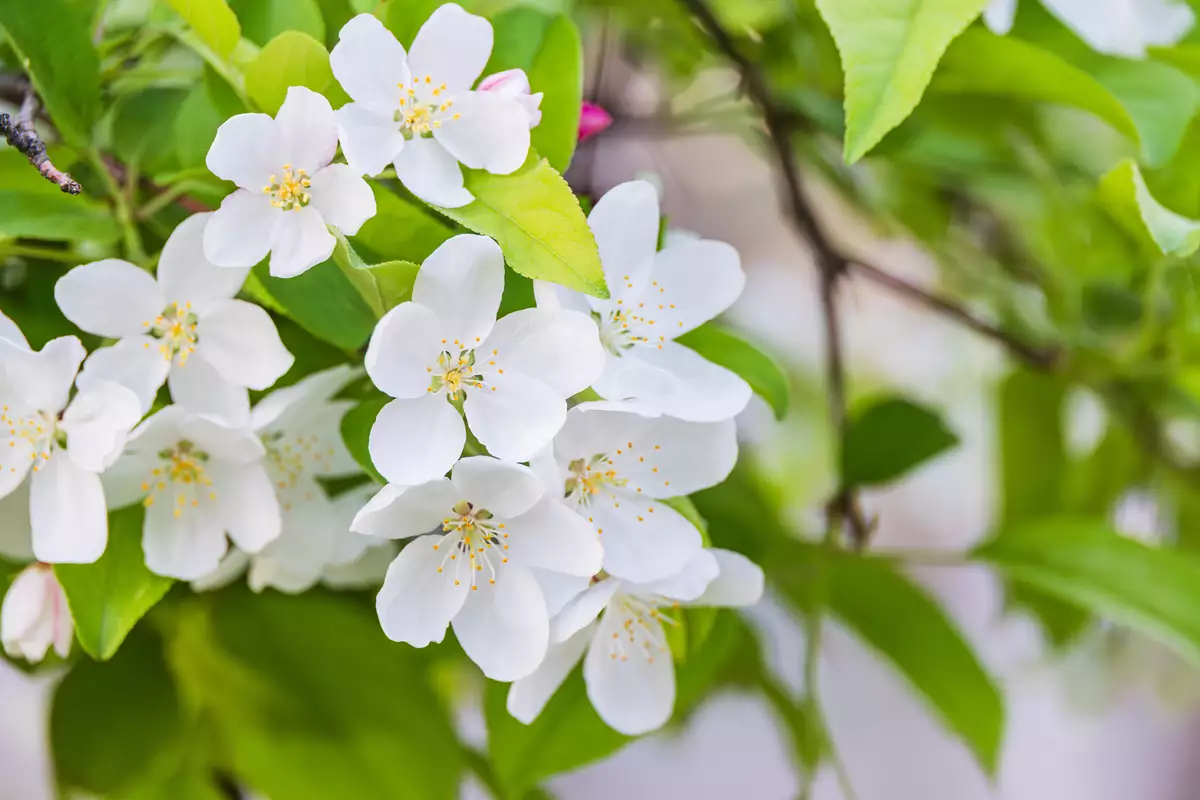
Come spring, Malus prunifolia bursts into bloom, dazzling onlookers with corymbs of exquisite flowers. Initially pink in bud, they reveal their true splendor in white, captivating pollinators with their gentle aroma. As summer progresses to autumn, the tree's transformation continues with the emergence of glossy pomes, predominantly red or occasionally yellow, offering a charming display against the lush greenery.
Native to the diverse landscapes of East Asia, particularly northern China, Plum-leaved Crab Apple has made its mark in select regions within the United States. A symbol of adaptability, it thrives in varied soil types and moisture conditions, though susceptible to some disease organisms. Beyond its ornamental allure, it serves as an ecologically valuable tree, providing habitat and nourishment to a plethora of wildlife, including bees, birds, and small mammals, thus playing a pivotal role in the local ecosystem. Whether for its stunning springtime spectacle or its rich wildlife associations, Malus prunifolia is truly a gem in the world of flora.








_(38214213792).jpg)