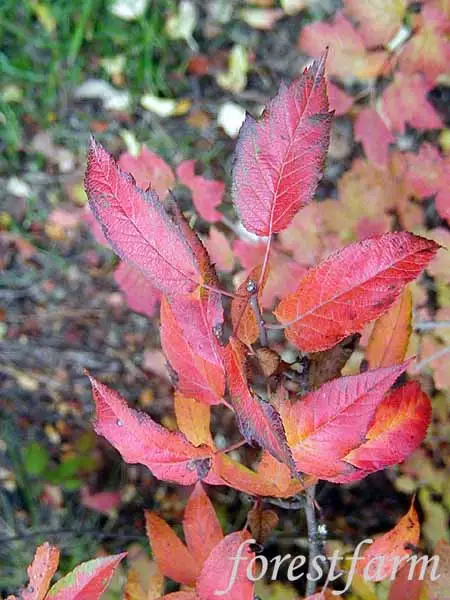
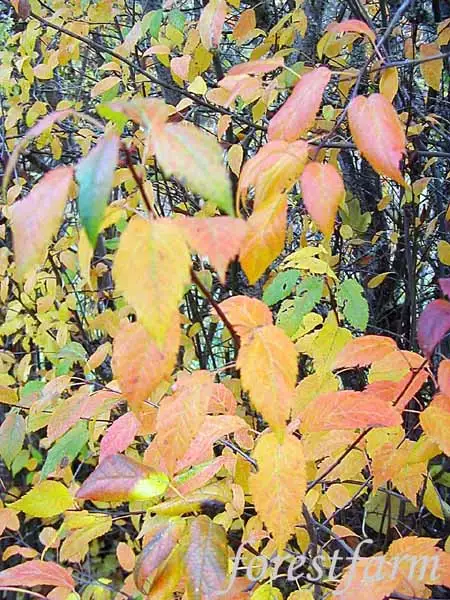
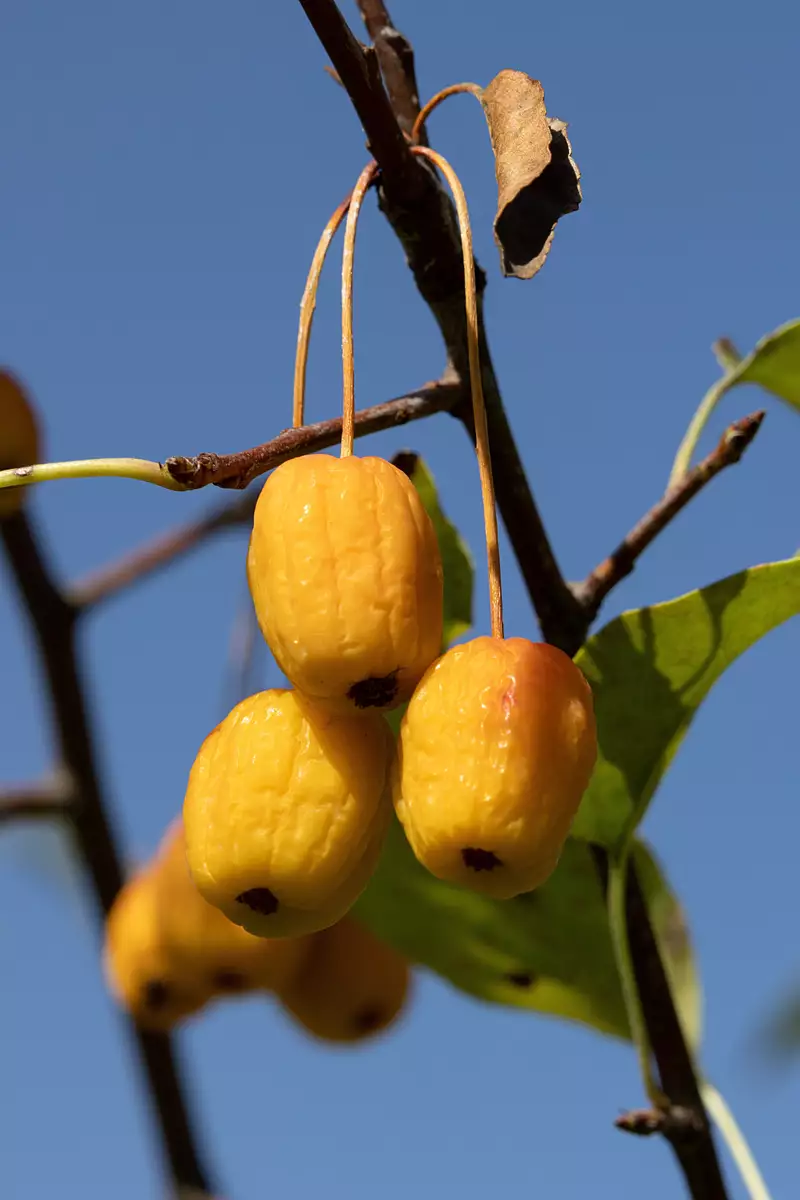
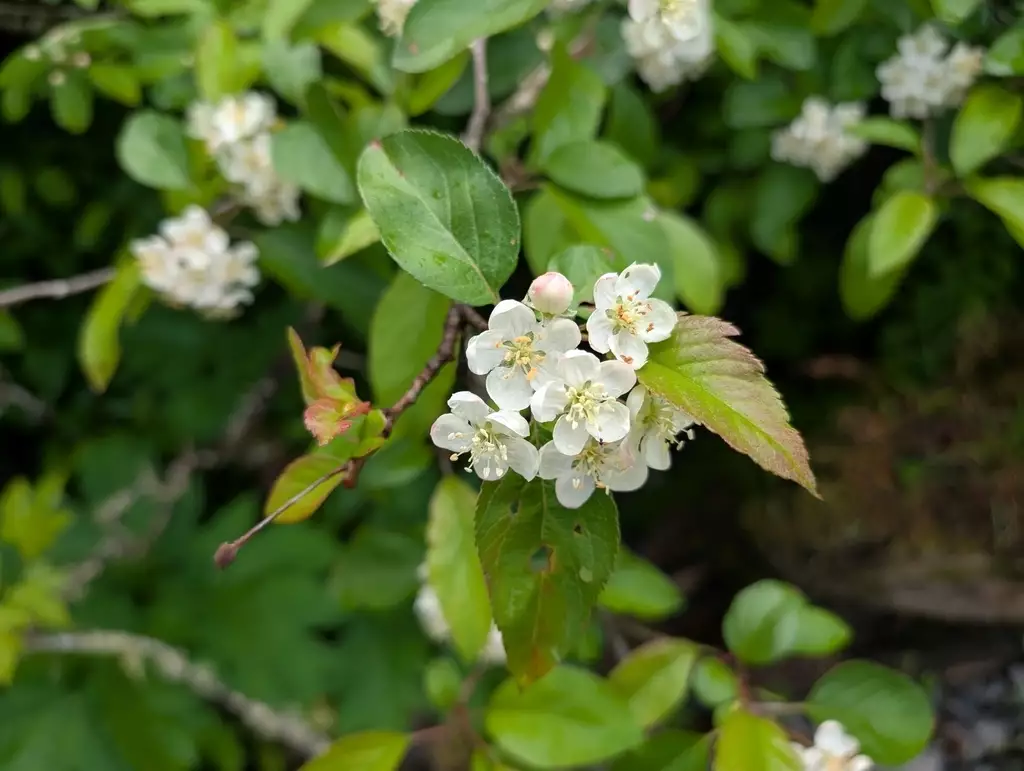
Discover the unique beauty and ecological benefits of Malus fusca, commonly known as Oregon Crab Apple. This native tree, also referred to as Western or Pacific Crabapple, is distinguished by its oblong fruits and ability to thrive in a variety of conditions. Ideally suited for gardens aiming to attract birds, its clusters of fragrant white to pink flowers bloom from April to May, succeeded by small, sour fruits that ripen to shades of yellow and purplish-red. These fruits remain on the tree through winter, providing essential nourishment for birds like purple finches and waxwings.
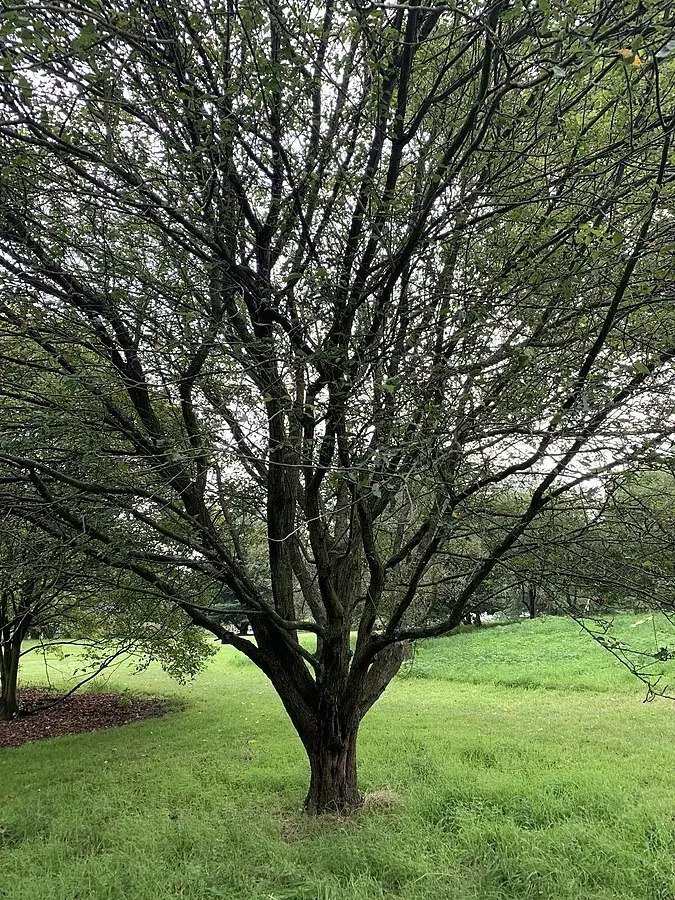
Adapted to western North America's wet climates, Malus fusca is perfect for bioswale or disconnected downspout planting, showing remarkable tolerance to heavy clay and waterlogged soils. Yet, once established, it handles drier summer conditions with ease. This versatile deciduous shrub or small tree, reaching 9 to 39 feet, is not picky about soil and prefers full sun to partial shade. Beyond its garden appeal, it serves as a significant food source for mammals like deer and bears and supports the Spring Azure Butterfly. Valued in ethnobotany, various tree parts have been utilized for their medicinal properties and traditional tools by Native tribes. Embrace the Oregon Crab Apple to enhance biodiversity and be part of a sustainable garden ecosystem.








_C.K.Schneid._cultivated_at_Royal_Botanic_Gardens,_Kew.jpg)