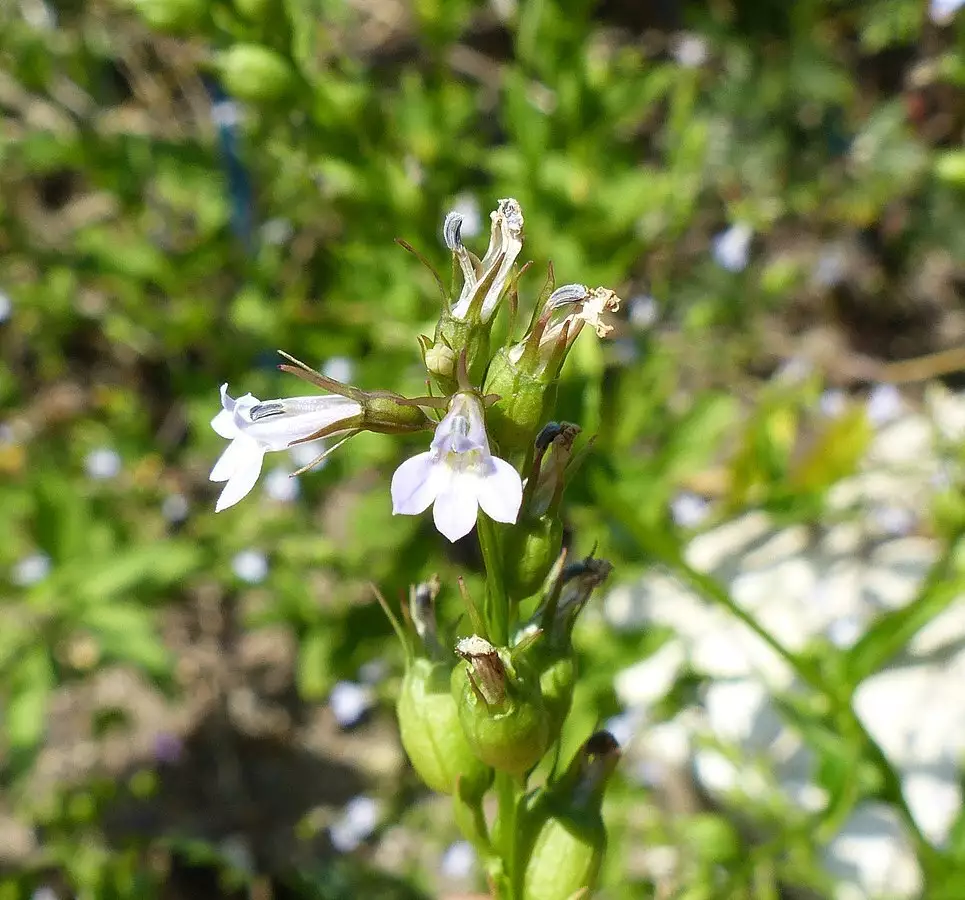
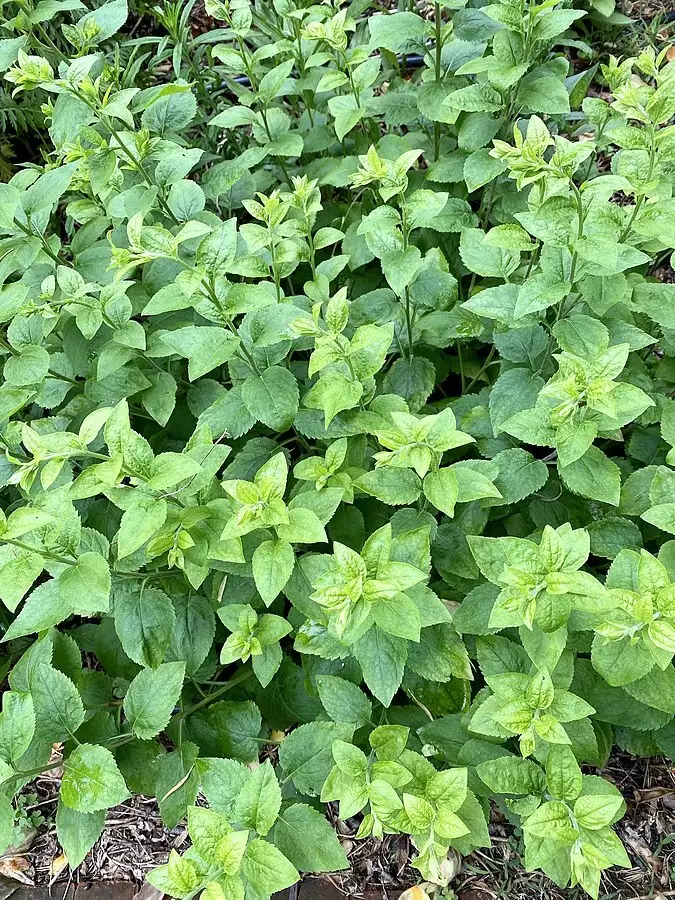
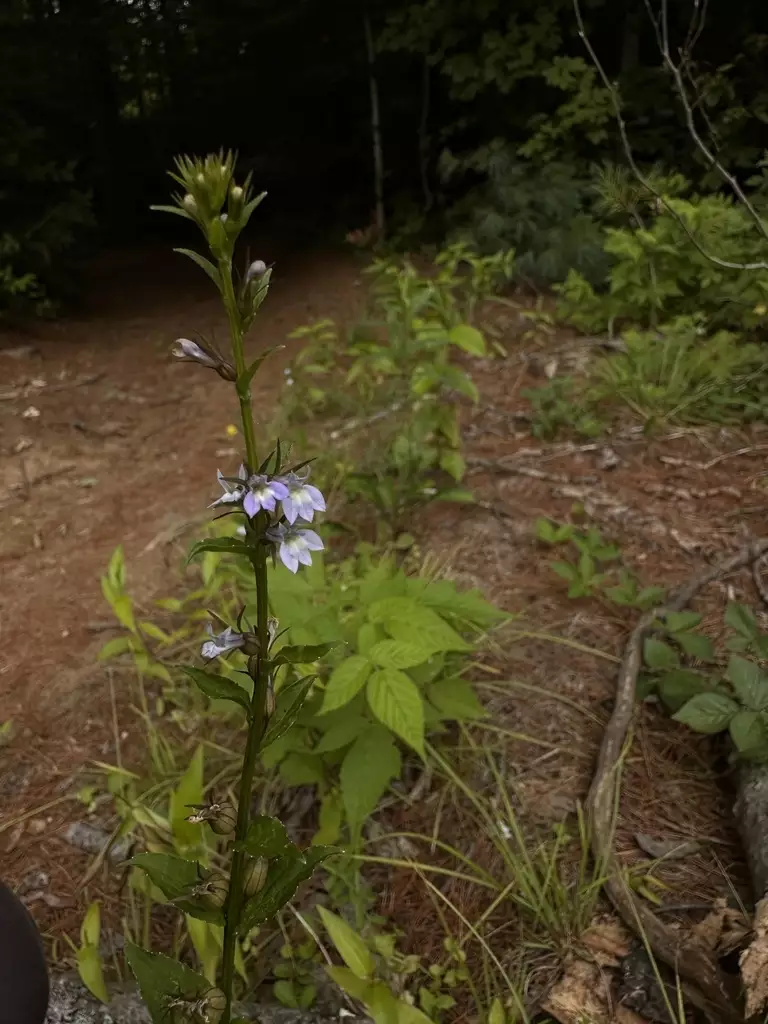
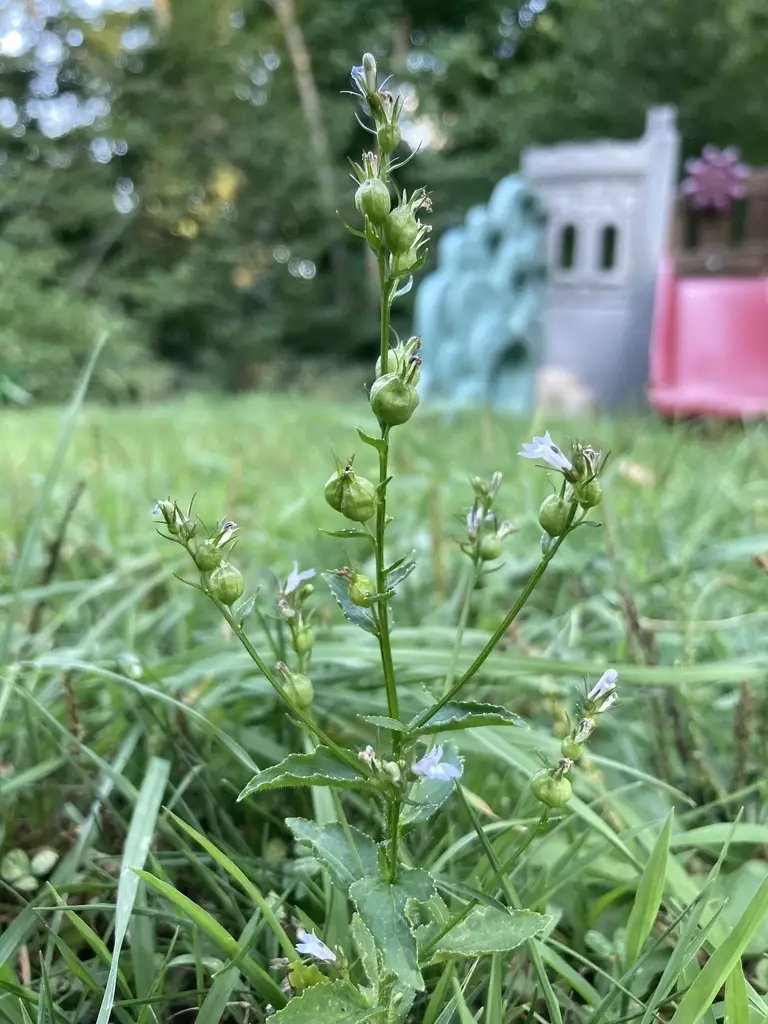
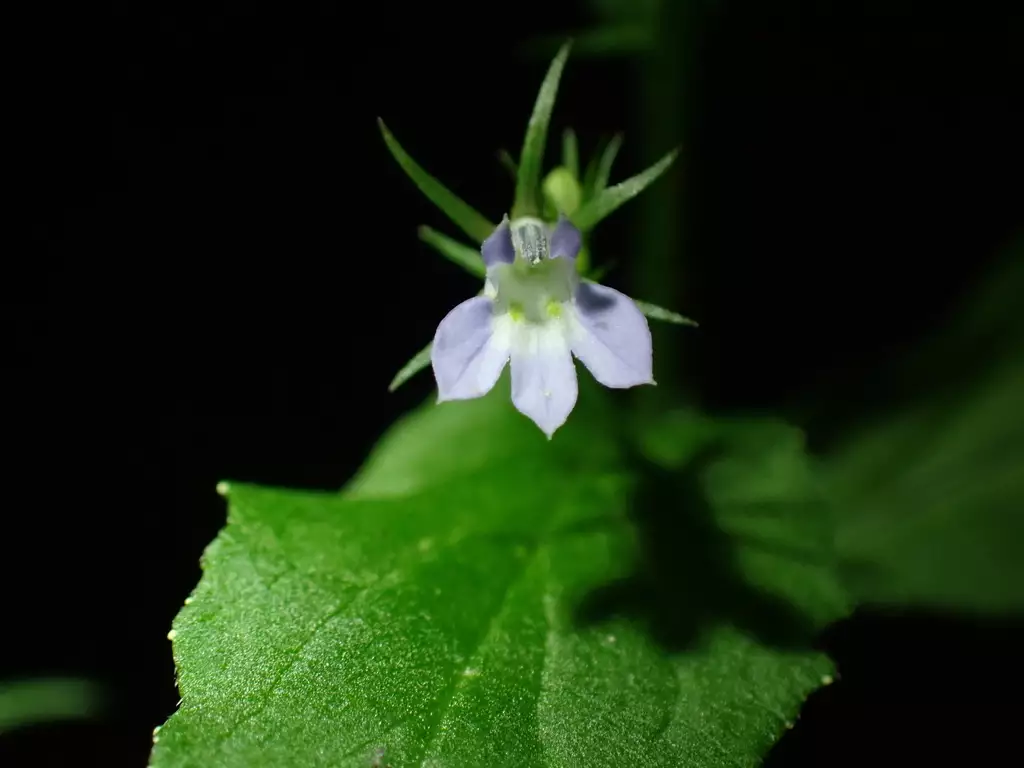
Introducing Lobelia inflata, commonly known as Indian tobacco or puke weed. This herbaceous plant is native to the eastern North American region, extending from southeastern Canada to Alabama and west to Kansas in the United States. It is an annual or biennial plant, growing up to 24 inches tall, characterized by stems covered in tiny hairs.
Historically, Native American tribes have used Lobelia inflata for medicinal purposes, including as an entheogenic, and to aid respiratory and muscle disorders. Traditionally, the plant was burned as a natural insecticide against gnats by the Cherokee tribe and was also used as a ceremonial medicine.
Lobelia inflata continues to be used for medicinal purposes today, which testifies to its critical role in traditional medicine. However, its use is currently regulated due to adverse effects which can include serious side effects, such as nausea, rapid heartbeat, and even coma or death. Medicinal use should always be under the supervision of a qualified practitioner.
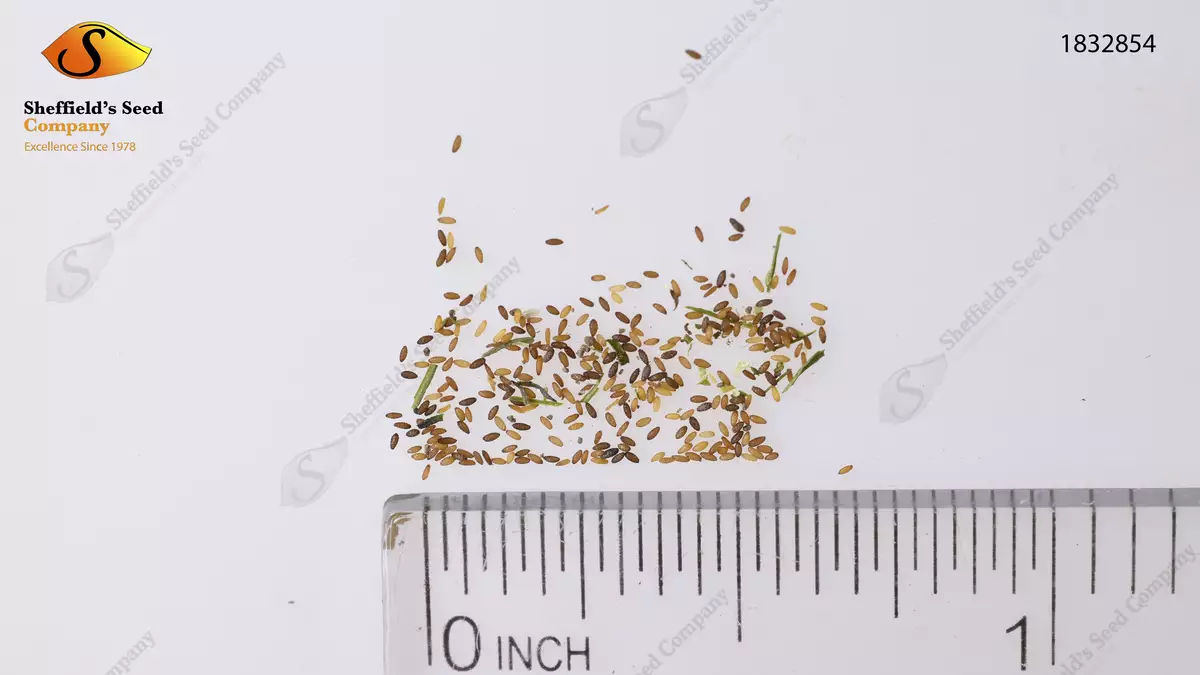
Known for its easy propagation, this beneficial plant germinates within two weeks when its seeds are sown in spring or autumn. Delight in the experience of growing your own Indian tobacco or puke weed.








.jpg)
.jpg)