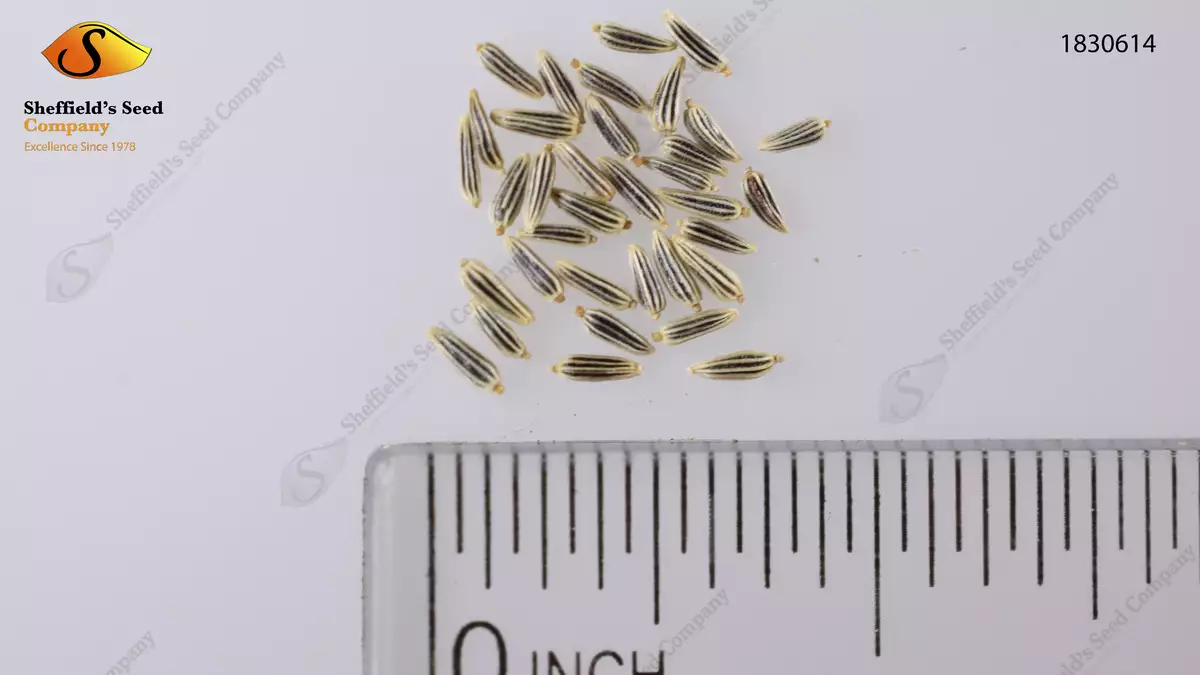
Germination: sow seed 1/16" deep, tamp the soil, lightly mulch the seed bed.
Native to: Altay, Amur, Austria, Baltic States, Belarus, Belgium, Bulgaria, Buryatiya, Central European Rus, Chita, Czechoslovakia, Denmark, East European Russia, Finland, France, Germany, Great Britain, Greece, Hungary, Iran, Ireland, Irkutsk, Italy, Kamchatka, Kazakhstan, Kirgizstan, Krasnoyarsk, Krym, Kuril Is., Netherlands, North Caucasus, Northwest European R, Norway, Poland, Portugal, Primorye, Romania, Sakhalin, Sardegna, Sicilia, South European Russi, Spain, Sweden, Switzerland, Tadzhikistan, Transcaucasus, Turkey, Turkey-in-Europe, Tuva, Ukraine, Uzbekistan, West Siberia, Yakutskiya, Yugoslavia
Introduced to: Alaska, Alberta, Antipodean Is., Arizona, Arkansas, Azores, Bolivia, British Columbia, California, Cameroon, Cape Provinces, Chatham Is., Colombia, Colorado, Connecticut, Costa Rica, Cuba, Dominican Republic, El Salvador, Eritrea, Ethiopia, Falkland Is., Florida, Føroyar, Haiti, Hawaii, Honduras, Iceland, Idaho, Illinois, India, Indiana, Iowa, Kansas, Korea, KwaZulu-Natal, Labrador, Madeira, Maryland, Massachusetts, Mauritius, Mexico Central, Mexico Southeast, Michigan, Minnesota, Missouri, Montana, Nepal, Nevada, New Mexico, New South Wales, New York, New Zealand North, New Zealand South, Newfoundland, North Dakota, North European Russi, Northern Provinces, Ohio, Oklahoma, Ontario, Oregon, Pakistan, Pennsylvania, Peru, Québec, Saskatchewan, South Australia, South Carolina, South Dakota, Sri Lanka, Tasmania, Tennessee, Tristan da Cunha, Uruguay, Utah, Venezuela, Victoria, Virginia, Washington, West Himalaya, West Virginia, Wisconsin, Wyoming
Native
Introduced
Leucanthemum vulgareLeucanthemum vulgare
Daisy, Dog Daisy, Marguerite, Moon Daisy, Ox-eye Daisy
In Stock: 1.712 lb (Total:1.712lb)
Leucanthemum vulgare
select i.*, as2.state_abbr
from inventory_item_manage i
left outer join sheffields_2017.address_states as2 on (as2.state_name = i.CollectionLocale or as2.state_abbr = i.CollectionLocale)
where i.inventory_id = '446'
group by i.id
Germination: sow seed 1/16" deep, tamp the soil, lightly mulch the seed bed.
Native to: Altay, Amur, Austria, Baltic States, Belarus, Belgium, Bulgaria, Buryatiya, Central European Rus, Chita, Czechoslovakia, Denmark, East European Russia, Finland, France, Germany, Great Britain, Greece, Hungary, Iran, Ireland, Irkutsk, Italy, Kamchatka, Kazakhstan, Kirgizstan, Krasnoyarsk, Krym, Kuril Is., Netherlands, North Caucasus, Northwest European R, Norway, Poland, Portugal, Primorye, Romania, Sakhalin, Sardegna, Sicilia, South European Russi, Spain, Sweden, Switzerland, Tadzhikistan, Transcaucasus, Turkey, Turkey-in-Europe, Tuva, Ukraine, Uzbekistan, West Siberia, Yakutskiya, Yugoslavia
Introduced to: Alaska, Alberta, Antipodean Is., Arizona, Arkansas, Azores, Bolivia, British Columbia, California, Cameroon, Cape Provinces, Chatham Is., Colombia, Colorado, Connecticut, Costa Rica, Cuba, Dominican Republic, El Salvador, Eritrea, Ethiopia, Falkland Is., Florida, Føroyar, Haiti, Hawaii, Honduras, Iceland, Idaho, Illinois, India, Indiana, Iowa, Kansas, Korea, KwaZulu-Natal, Labrador, Madeira, Maryland, Massachusetts, Mauritius, Mexico Central, Mexico Southeast, Michigan, Minnesota, Missouri, Montana, Nepal, Nevada, New Mexico, New South Wales, New York, New Zealand North, New Zealand South, Newfoundland, North Dakota, North European Russi, Northern Provinces, Ohio, Oklahoma, Ontario, Oregon, Pakistan, Pennsylvania, Peru, Québec, Saskatchewan, South Australia, South Carolina, South Dakota, Sri Lanka, Tasmania, Tennessee, Tristan da Cunha, Uruguay, Utah, Venezuela, Victoria, Virginia, Washington, West Himalaya, West Virginia, Wisconsin, Wyoming
Native
Introduced
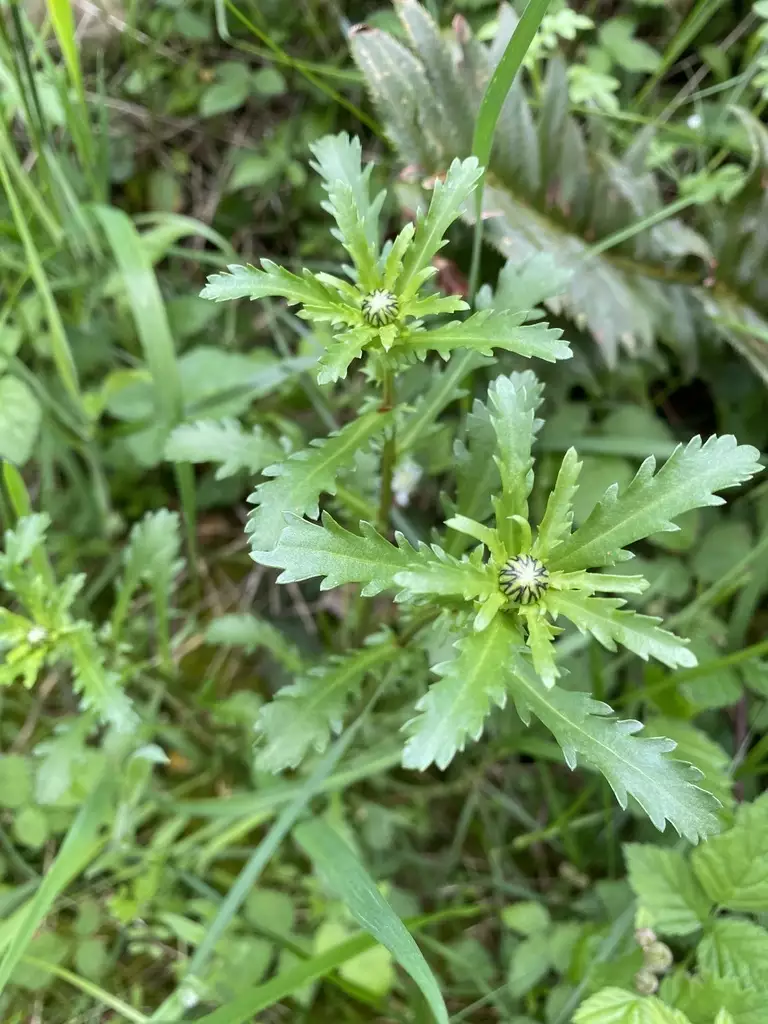
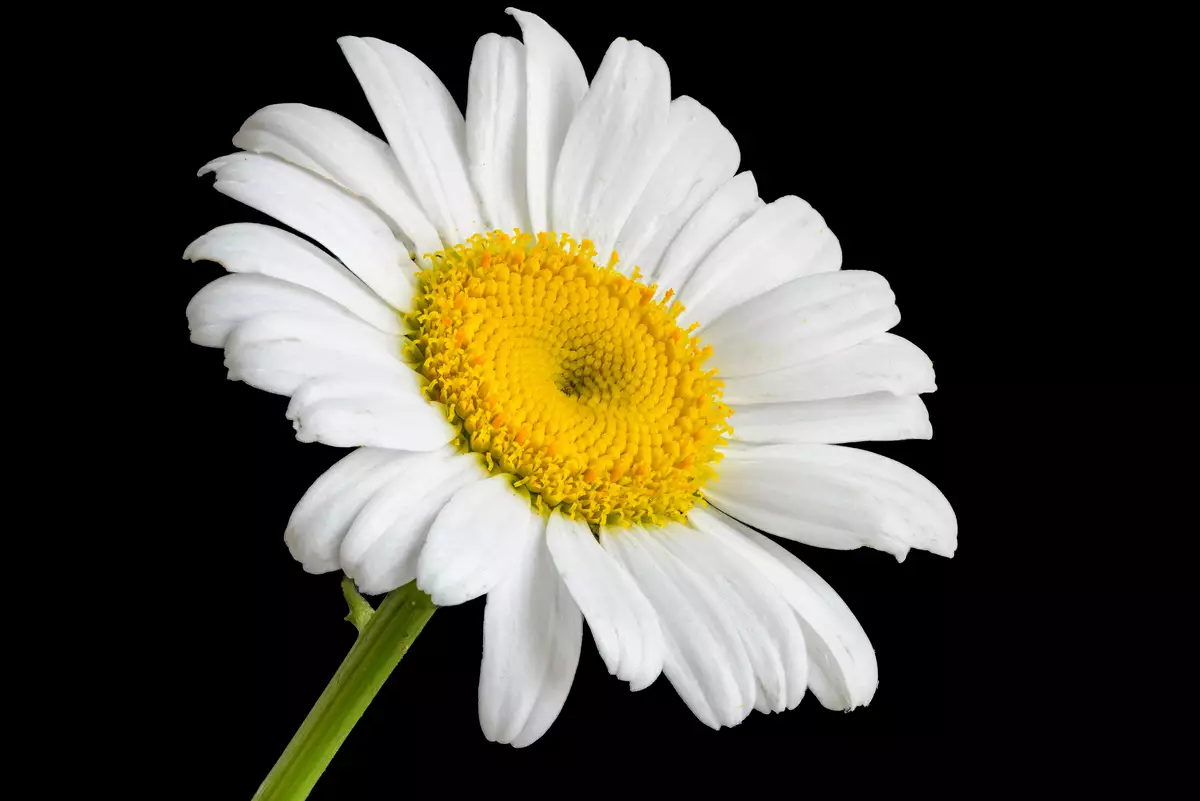
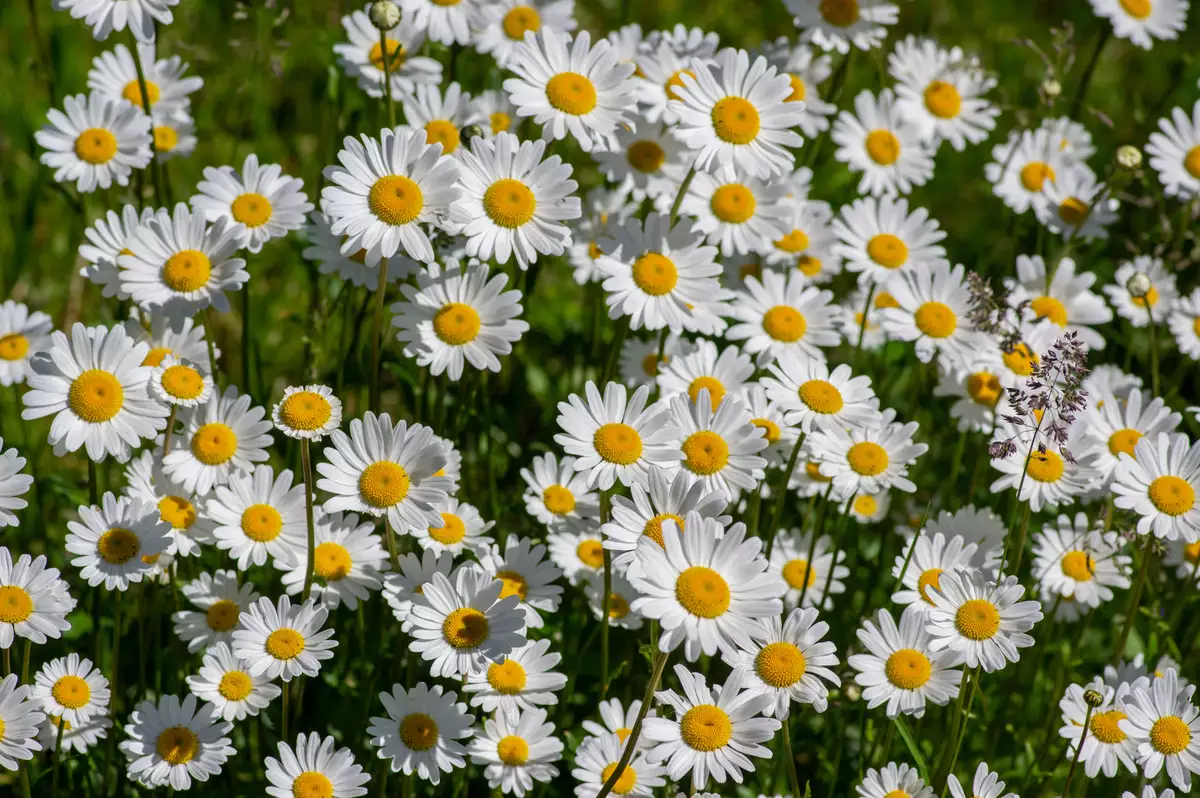
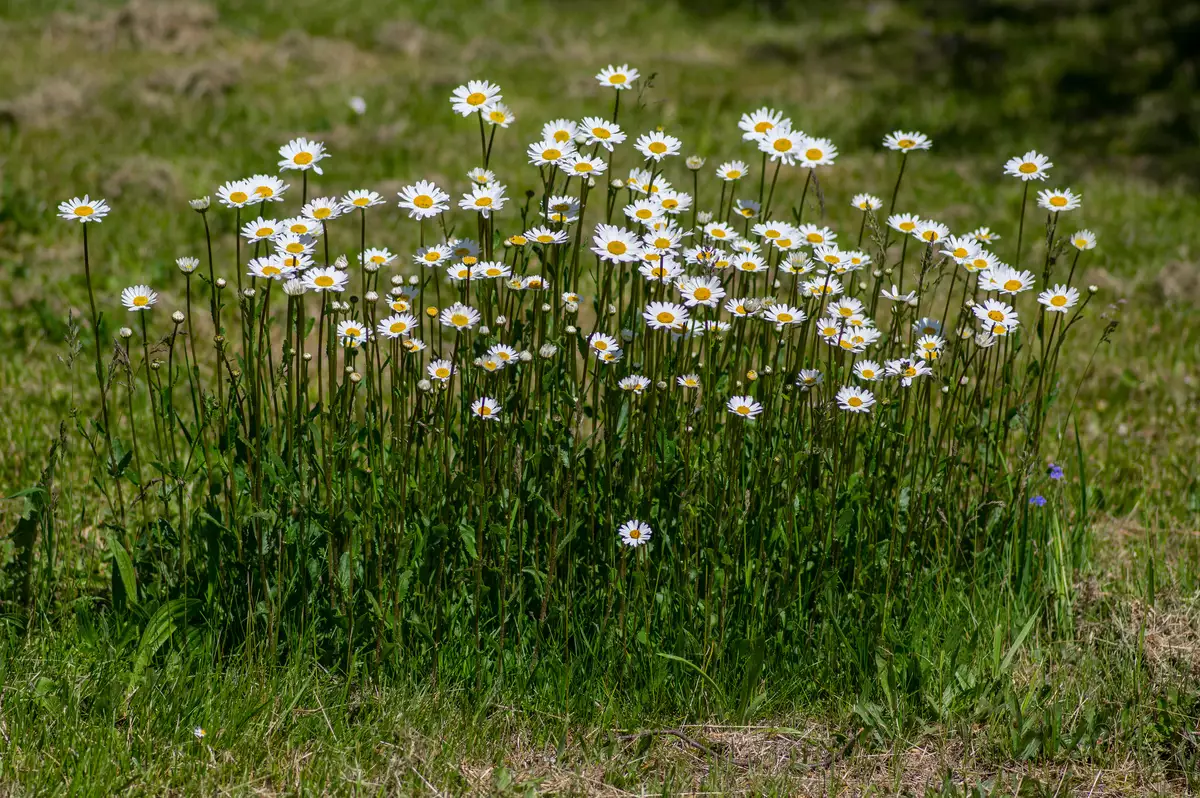
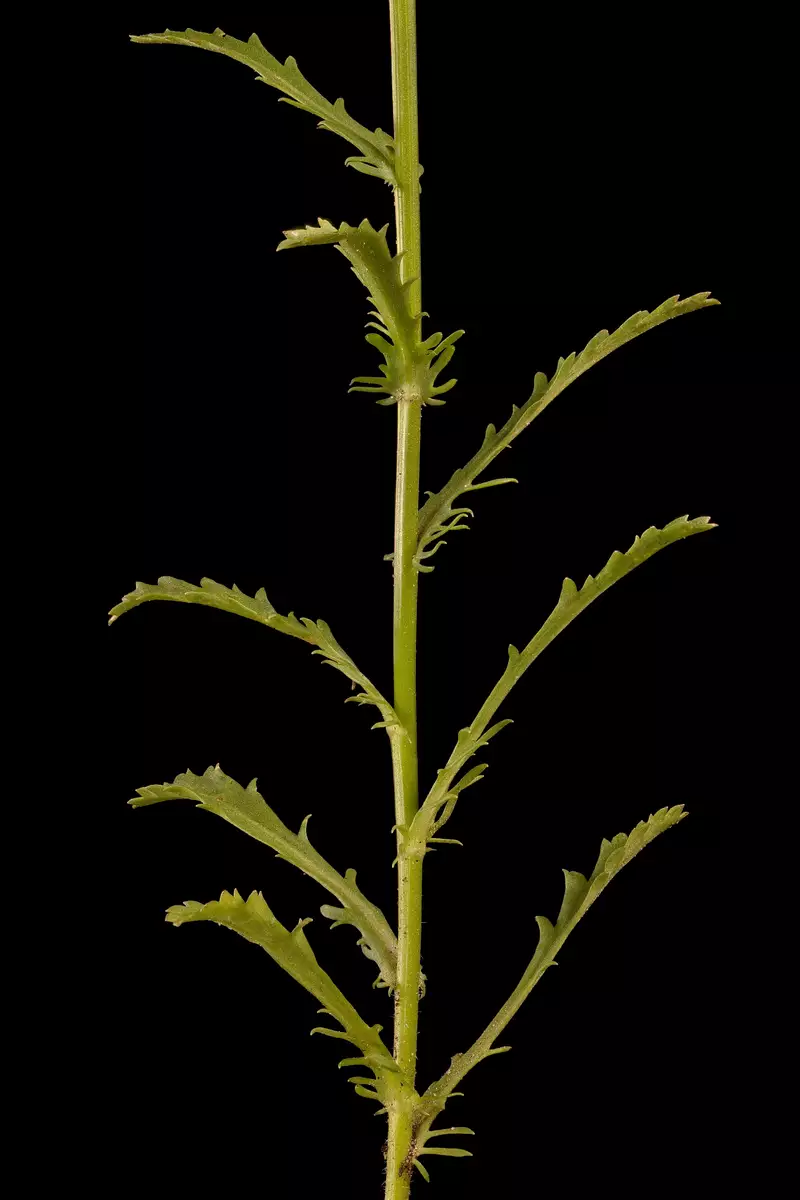
Discover the captivating beauty of Leucanthemum vulgare, commonly known as Ox-eye Daisy, Dog Daisy, or Marguerite. This enchanting perennial, introduced from Europe both as an ornamental and through inadvertent seed contamination, can elevate your garden with its classic charm. Standing 10 inches to 2 feet tall, Ox-eye Daisy showcases spoon-shaped basal leaves and toothed, narrow upper leaves, with stunning blooms from June to August. Each flower, 1 to 3 inches in diameter, has 15 to 30 pristine white ray petals, creating a solitary yet striking display. Known for its resilience, this plant thrives in well-drained soil, preferring full sun but gracefully tolerating afternoon shade in warmer climates. Its adaptability allows it to flourish across diverse habitats such as mountain meadows, grasslands, or garden beds. Add an Ox-eye Daisy to your perennial borders, cottage gardens, or wildflower settings to create a lively landscape. To maintain its vigor, divide your plants every 2-3 years and deadhead spent blooms for continuous flowering. While its beauty is irresistible, bear in mind its potential to invade, making careful management necessary. Explore the elegance of Ox-eye Daisy and transform your outdoor space into a picturesque oasis.