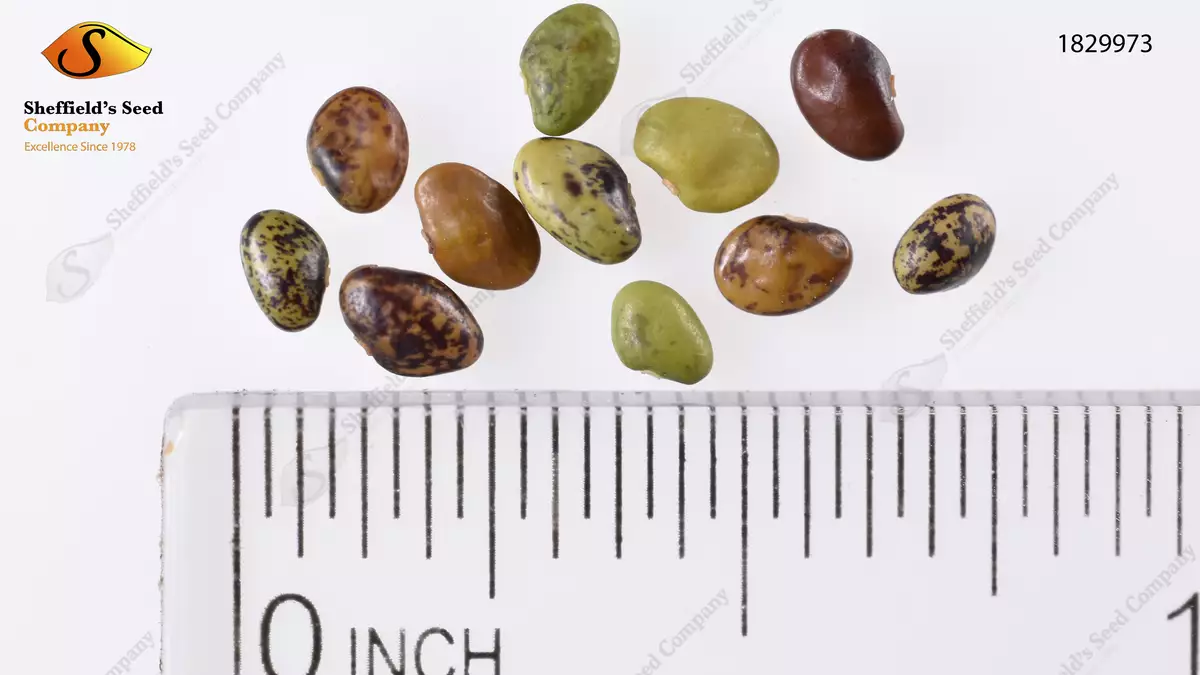
Scarification: mechanical scarification preferred, Soak in hot tap water or 8 to 15 min. acid treatment.
Stratification: none required
Germination: sow seed 1/4" deep, tamp the soil, mulch the seed bed
Other: if boiling water treatment does not allow seed to imbibe, sulfuric acid treatment is required, innoculant could be used
Native to: Amur, China North-Central, China Southeast, Chita, Inner Mongolia, Japan, Khabarovsk, Korea, Kuril Is., Manchuria, Mongolia, Primorye, Sakhalin
Introduced to: Alabama, Arizona, Arkansas, Baltic States, Belarus, Central European Rus, East European Russia, Georgia, Illinois, Kentucky, Kirgizstan, Louisiana, Maryland, Missouri, New York, North Carolina, South Carolina, Tennessee, Ukraine, Uzbekistan, Vermont, Virginia
Native
Introduced
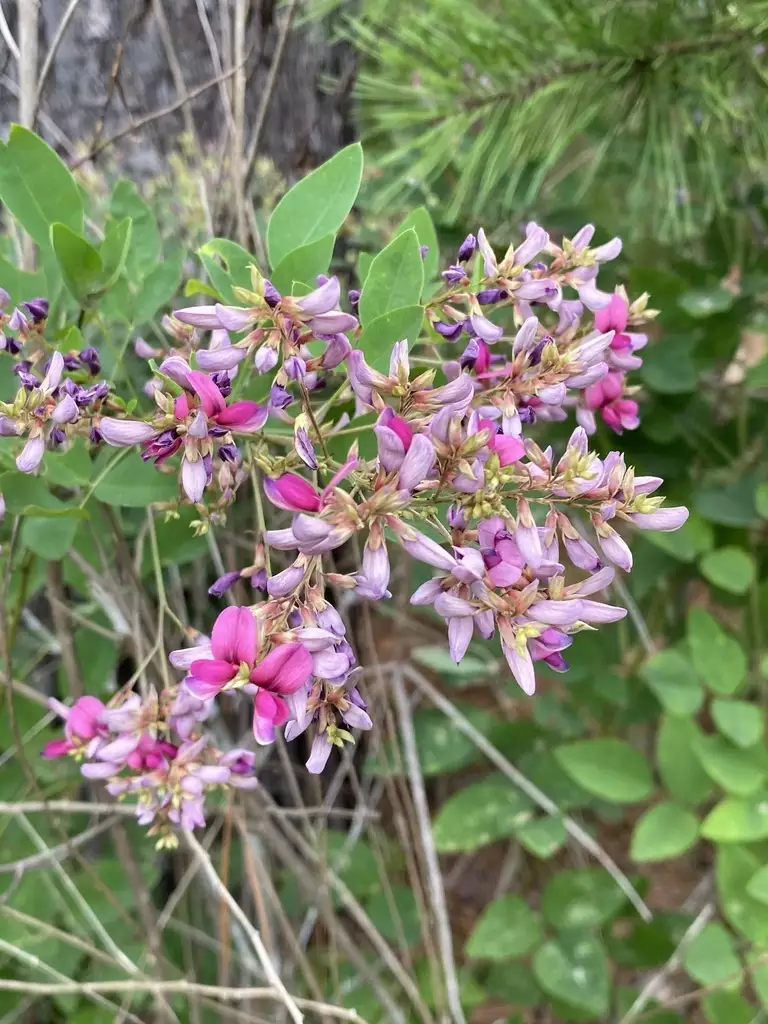
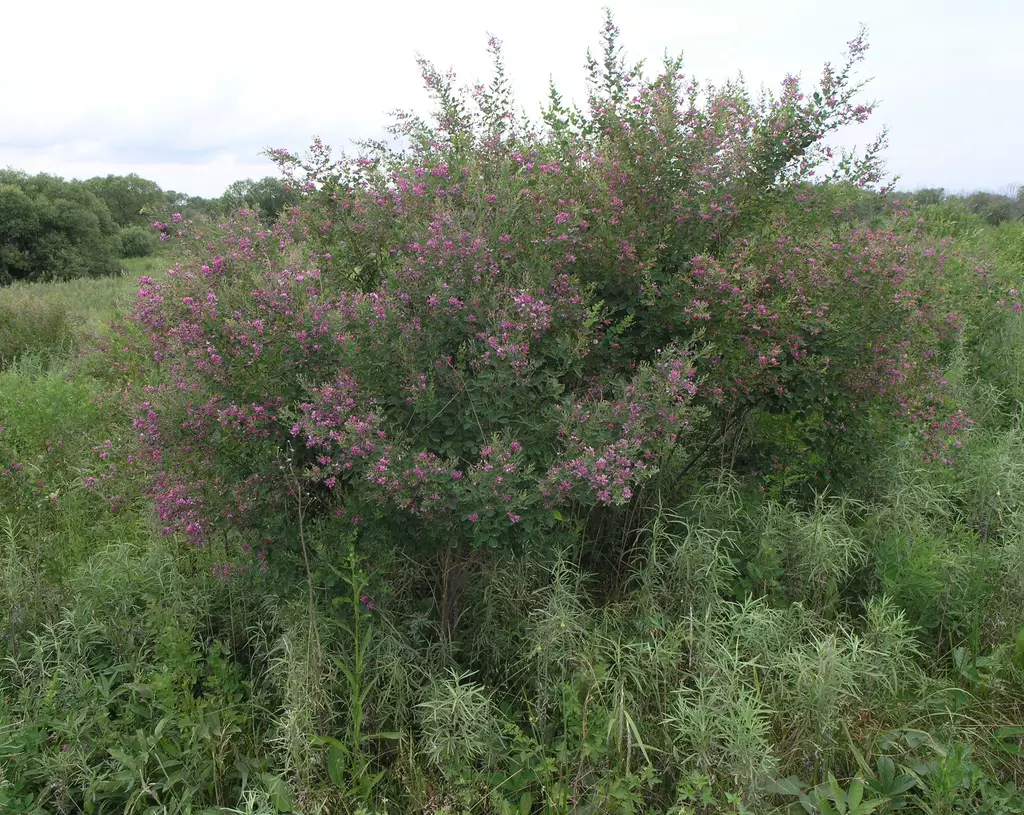
Lespedeza bicolorLespedeza bicolor
Bicolor Lespedeza, Bush Clover, Shrub Lespedeza, Shrubby Bushclover
Lespedeza bicolor
Please select the quantity desired, and we will advise availability and price as soon as possible.
Scarification: mechanical scarification preferred, Soak in hot tap water or 8 to 15 min. acid treatment.
Stratification: none required
Germination: sow seed 1/4" deep, tamp the soil, mulch the seed bed
Other: if boiling water treatment does not allow seed to imbibe, sulfuric acid treatment is required, innoculant could be used
Native to: Amur, China North-Central, China Southeast, Chita, Inner Mongolia, Japan, Khabarovsk, Korea, Kuril Is., Manchuria, Mongolia, Primorye, Sakhalin
Introduced to: Alabama, Arizona, Arkansas, Baltic States, Belarus, Central European Rus, East European Russia, Georgia, Illinois, Kentucky, Kirgizstan, Louisiana, Maryland, Missouri, New York, North Carolina, South Carolina, Tennessee, Ukraine, Uzbekistan, Vermont, Virginia
Native
Introduced
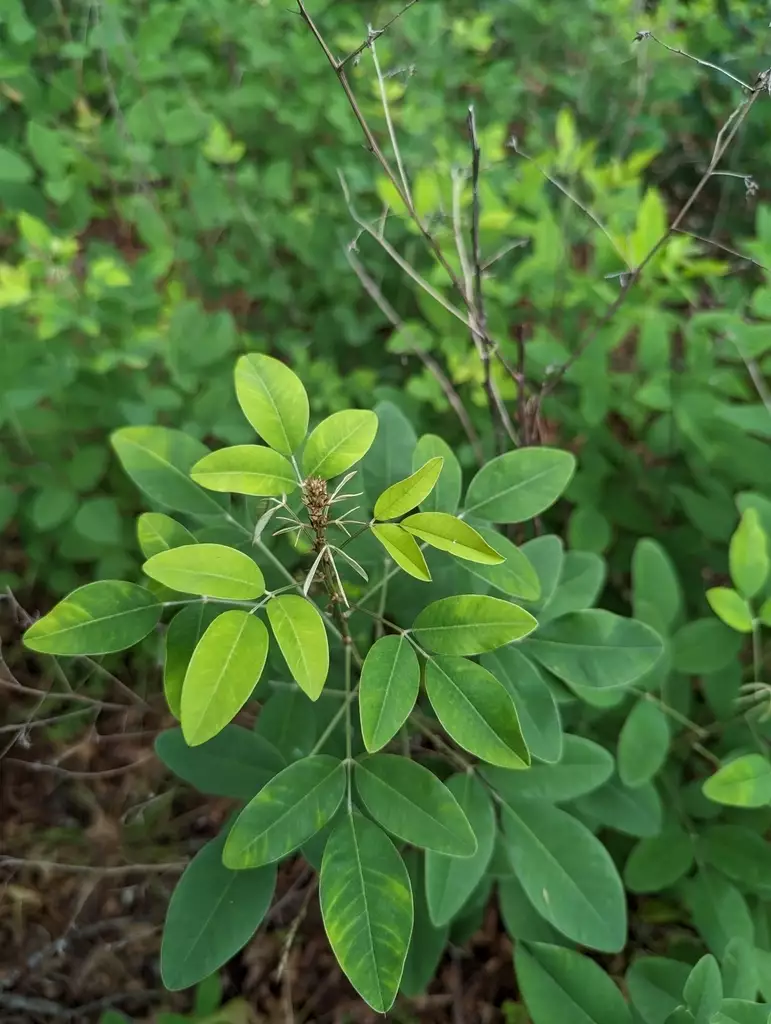
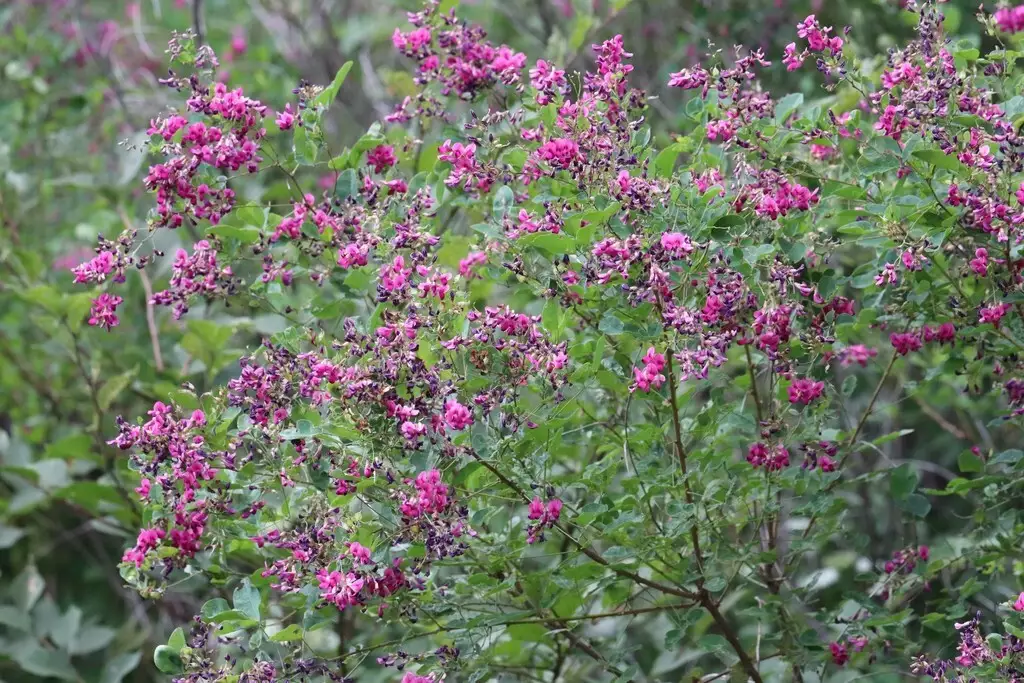
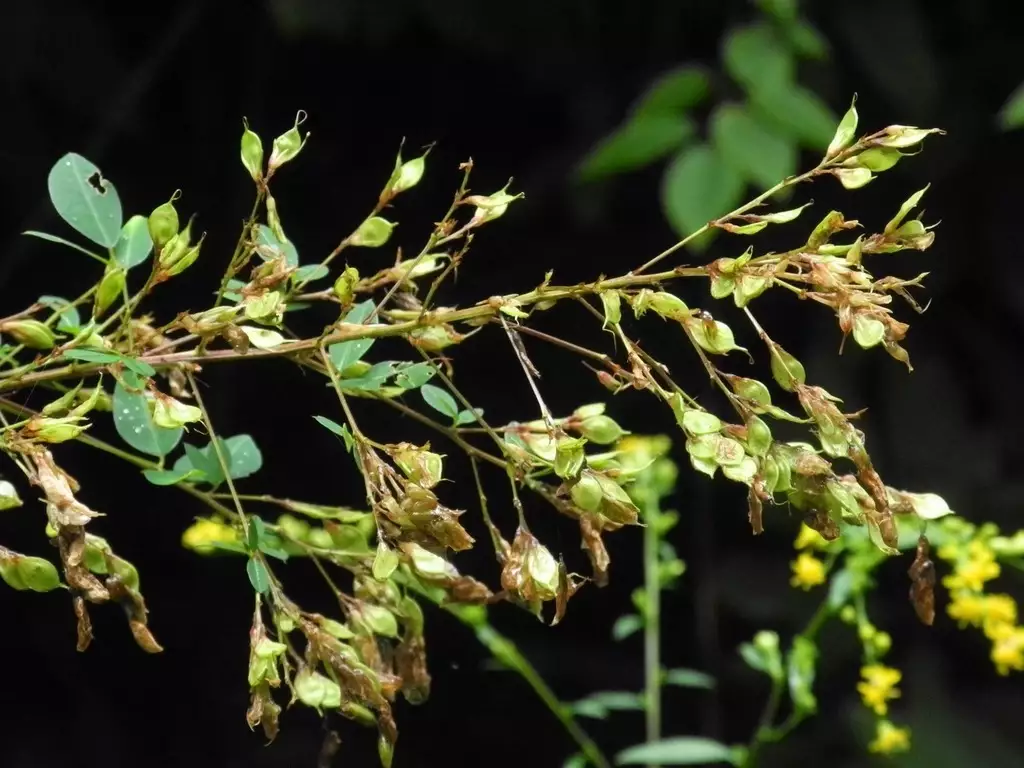
Lespedeza bicolor, commonly known as Bicolor Lespedeza or Bush Clover, stands out as a versatile yet contentious plant. Originally native to Eastern Asia, this striking deciduous shrub was introduced to the U.S.A. in the late 1800s for soil stabilization and wildlife habitat enhancement. Growing up to 10 feet in height and width, it thrives in well-drained soils with full sun to partial shade, demonstrating impressive tolerance to drought and erosion. Vibrant rose-purple pea-like flowers adorn the plant from June to September, providing a late summer bloom that enhances borders, open woodland gardens, and naturalized areas. Despite its ornamental appeal, Lespedeza bicolor is invasive in several U.S. regions, forming dense thickets that suppress native vegetation. With its quick growth—capable of reaching up to 5 feet in a single season—it requires diligent management. Best pruned in late winter or early spring to control its spread, the shrub is resilient in colder climates where it’s often treated like an herbaceous perennial. While it brings effective erosion control, gardeners must be cautious of its aggressive nature.