0
Close
1 / 6
2 / 6

AdobeStock

6 / 6

AdobeStock

Growing Info

Scarification
Scarification: Soak in water, let stand in water for 24 hours
Stratification
Stratification: cold stratify for 120 days
Germination
Germination: sow 1-2" deep, tamp the soil, mulch the seed bed

Native to: Afghanistan, Iran, Tajikistan, Turkmenistan, Uzbekistan
Introduced to: EU, Europe, Namibia, North America
Native
Introduced

Juglans regia

English Walnut, Persian Walnut

  • Juglans regia

Please select the quantity desired, and we will advise availability and price as soon as possible.

Details

Min. hardiness zone:
5

No Export to These Countries

Australia, Japan

Growing Info

Scarification
Scarification: Soak in water, let stand in water for 24 hours
Stratification
Stratification: cold stratify for 120 days
Germination
Germination: sow 1-2" deep, tamp the soil, mulch the seed bed

Native to: Afghanistan, Iran, Tajikistan, Turkmenistan, Uzbekistan
Introduced to: EU, Europe, Namibia, North America
Native
Introduced
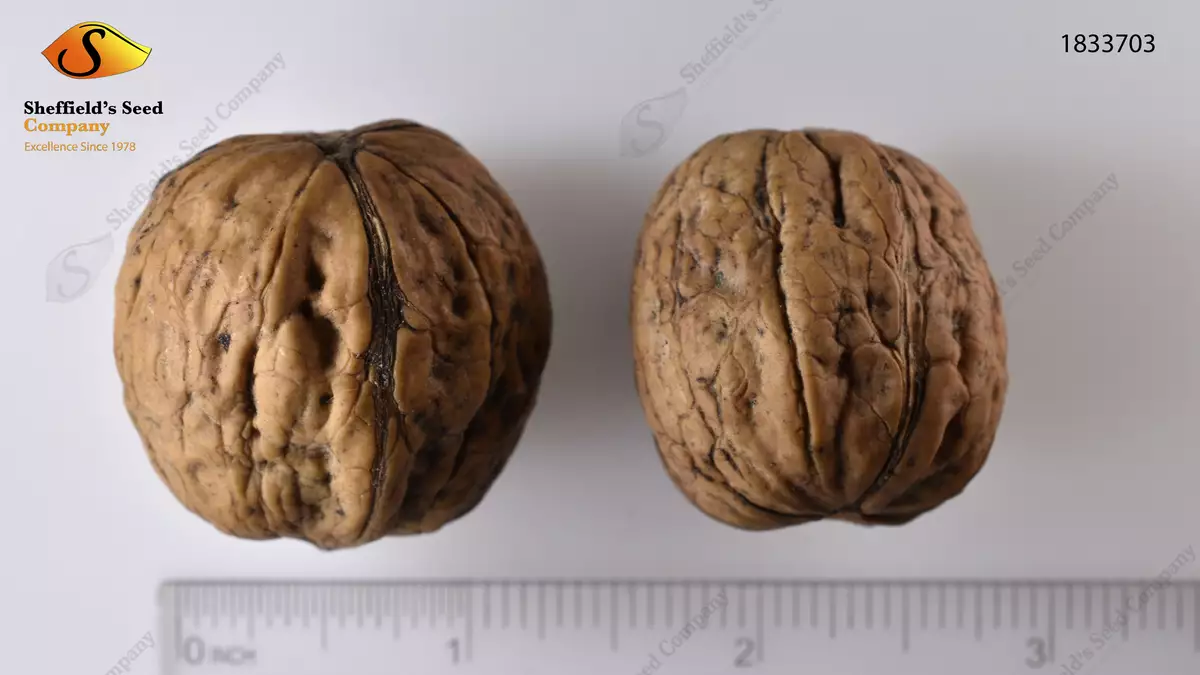
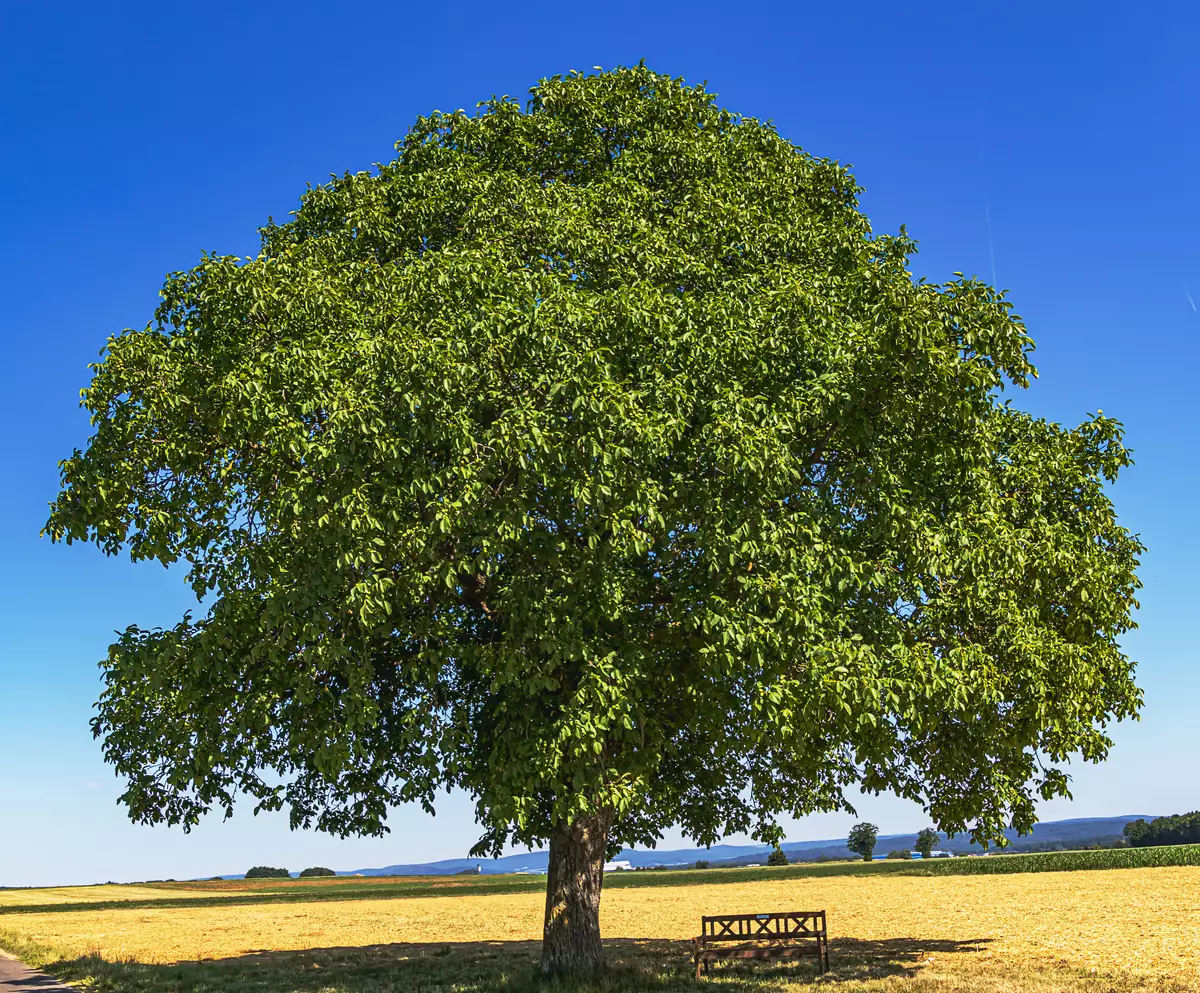
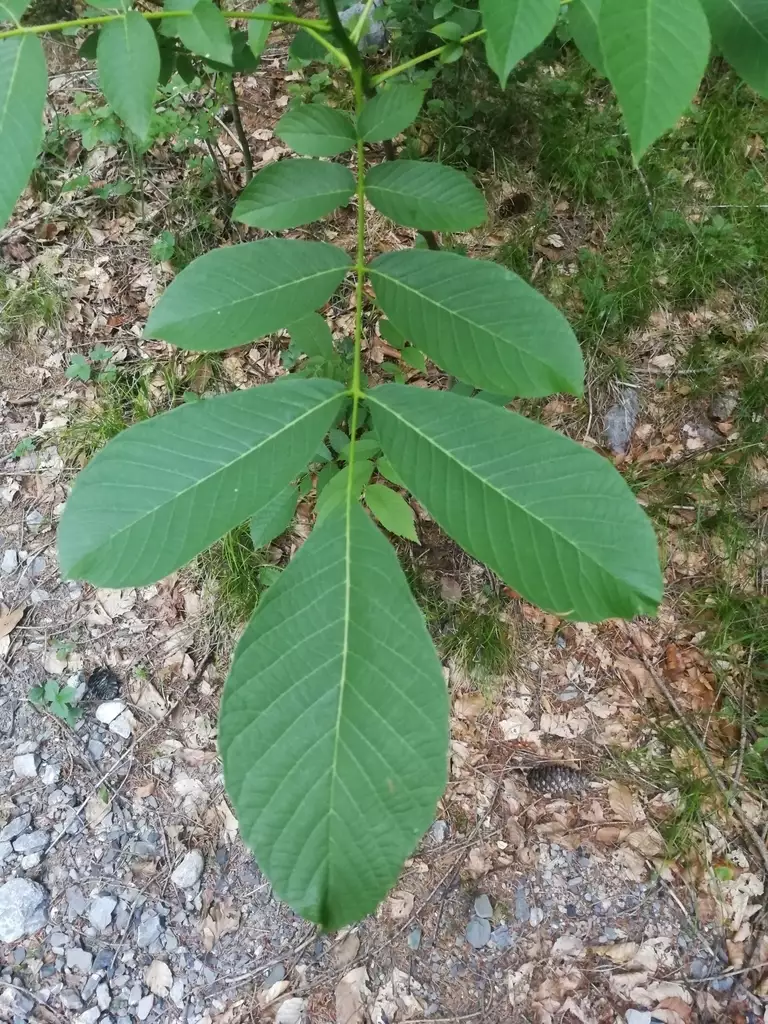
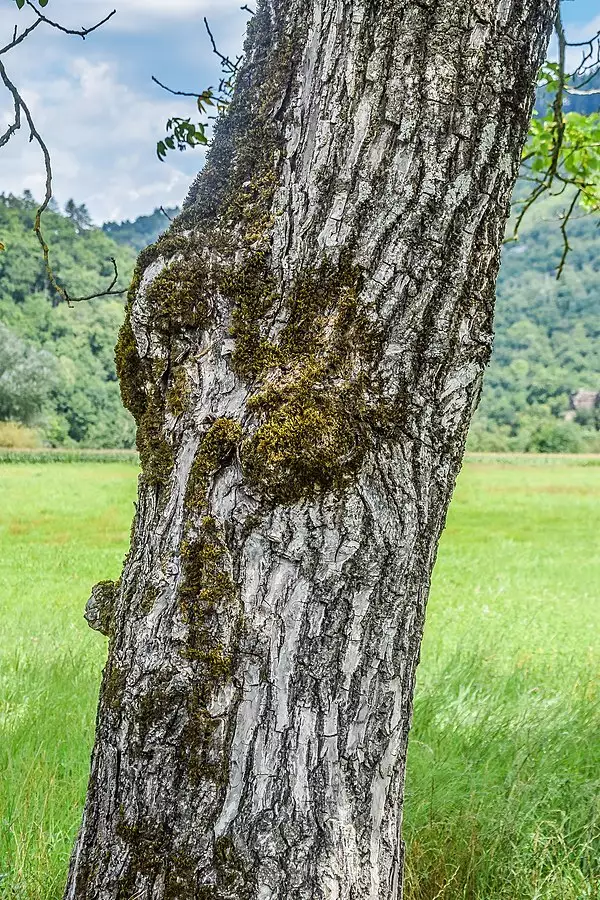
Discover the majestic Juglans regia, commonly known as English or Persian Walnut, a broadleaf deciduous tree celebrated for its delectable nuts and ornate presence. Reaching heights of 40 to 60 feet with an equally expansive spread, this species boasts a rounded crown that embellishes landscapes. Its gray bark evolves to reveal striking ridges as it matures, while the pinnately compound leaves, featuring a citrus fragrance when crushed, add a sensory delight to your garden.

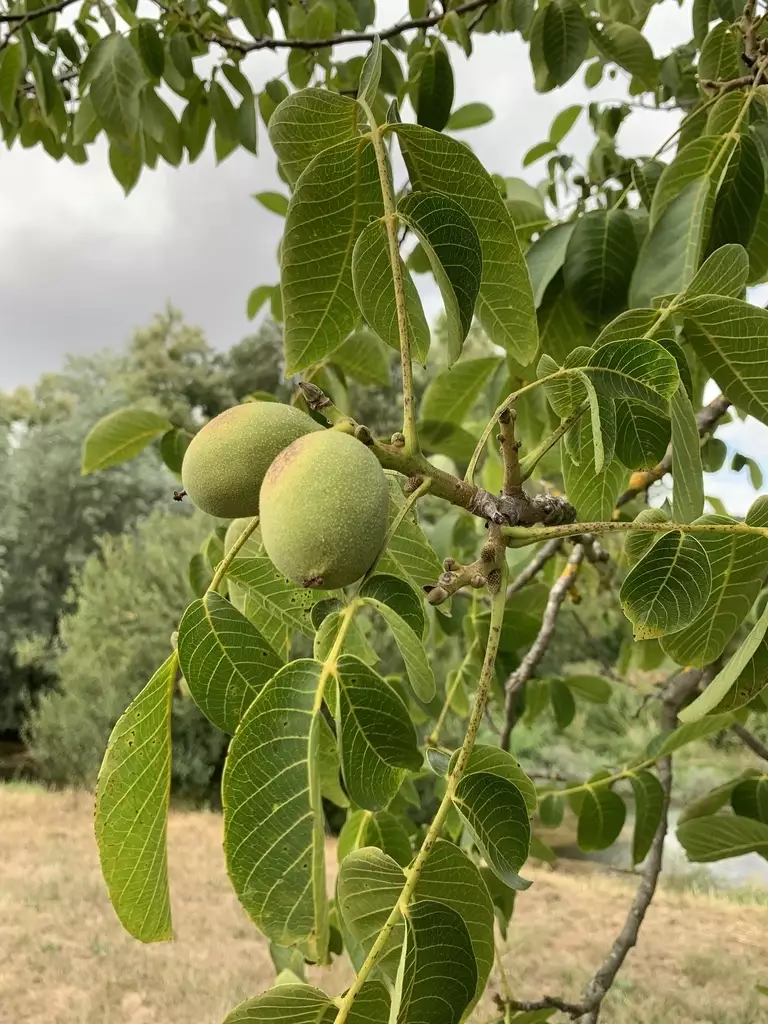
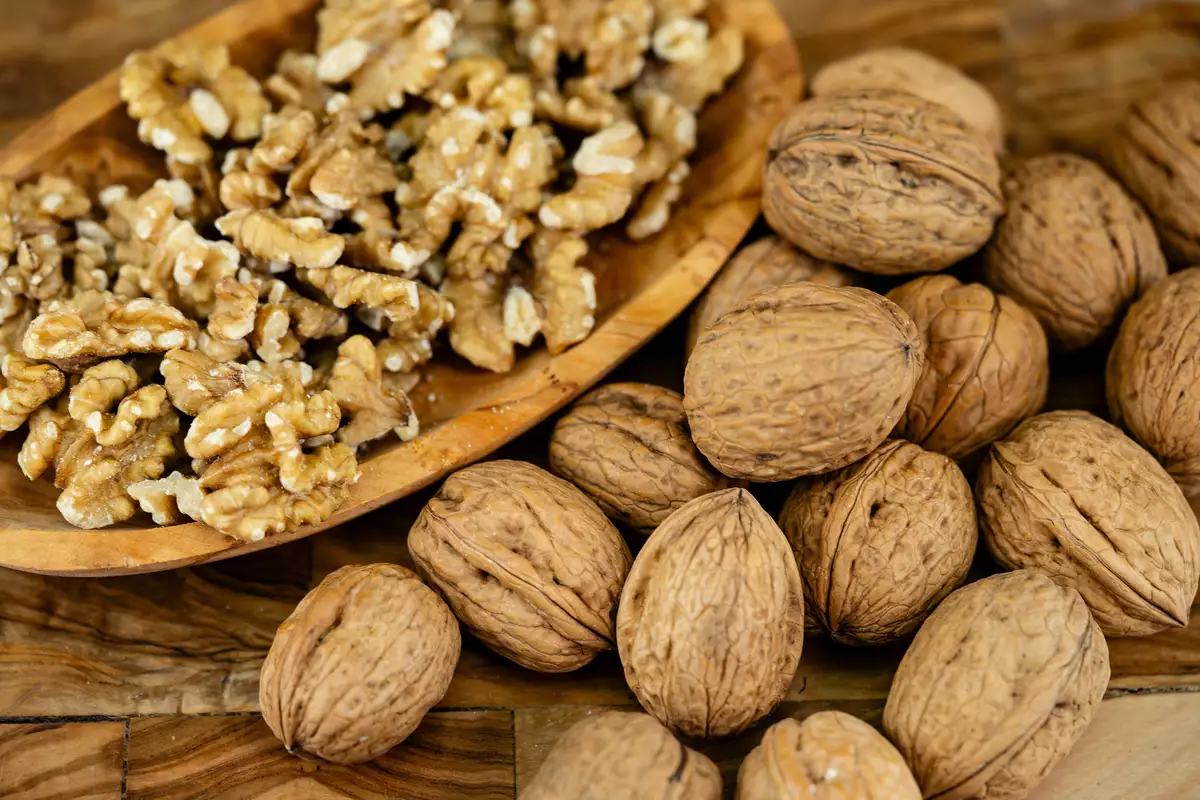
Originating from Europe and Central Asia, J. regia thrives in rich, well-drained soils under full sun. This regal tree, valued for its fine-grained wood, plays a significant commercial role in California, producing 99% of the U.S. walnut supply. Blooming with yellow-green flowers from May to June, English Walnut produces thin-shelled, wrinkled nuts encased in green husks, ripening by fall.

Species of choice for larger landscapes, Juglans regia is not only a source of sweet, edible nuts but also a beacon of biodiversity, serving as a host to the Hickory horned devil moth larvae. While it is intolerant to shade, hot humid climates, and difficult to transplant due to its deep taproot, its illustrious appearance and utility earn it a royal place among ornamental trees.

You might also like

Papaver somniferum

Papaver somniferum

Opium Poppy

Sequoia sempervirens

Sequoia sempervirens

California Redwood, Coast Redwood, Redwood

Sequoiadendron giganteum

Sequoiadendron giganteum

Bigtree, Giant Sequoia, Sierra Redwood, Sierran Redwood, Wellingtonia

Vaccinium corymbosum

Vaccinium corymbosum

Highbush Blueberry

(315) 497-1058
269 NY-34 Locke NY 13092
seed@sheffields.com

HOME - logo

Find us on: