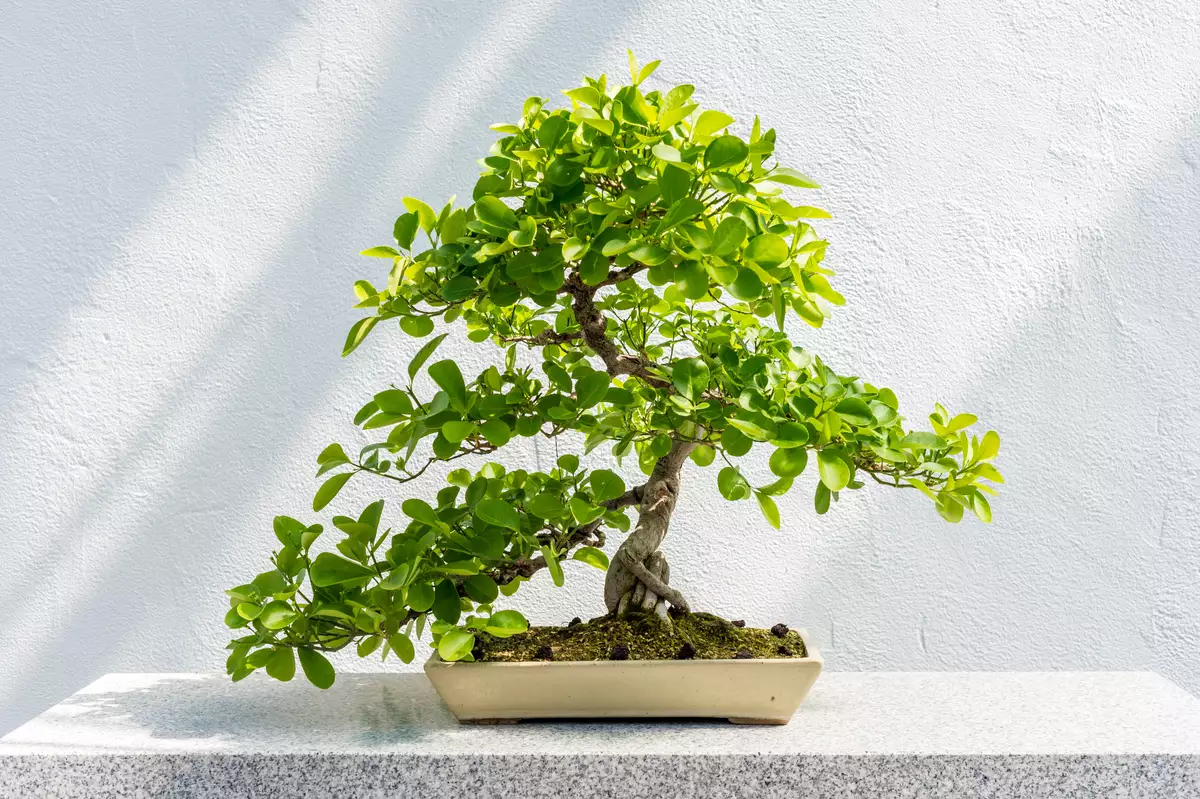
Euonymus fortunei, commonly known as Wintercreeper, is a versatile and resilient evergreen native to Eastern Asia, introduced to the U.S. in 1907 as an ornamental groundcover. Wintercreeper is unique in its growth options: as a sprawling groundcover, it forms dense mats under a foot tall, while as a vine, it climbs towering surfaces up to 70 feet using aerial rootlets, creating a bushy façade. When cultivated as a shrub, it reaches a modest 2 to 4 feet in height, ideal for garden accents.
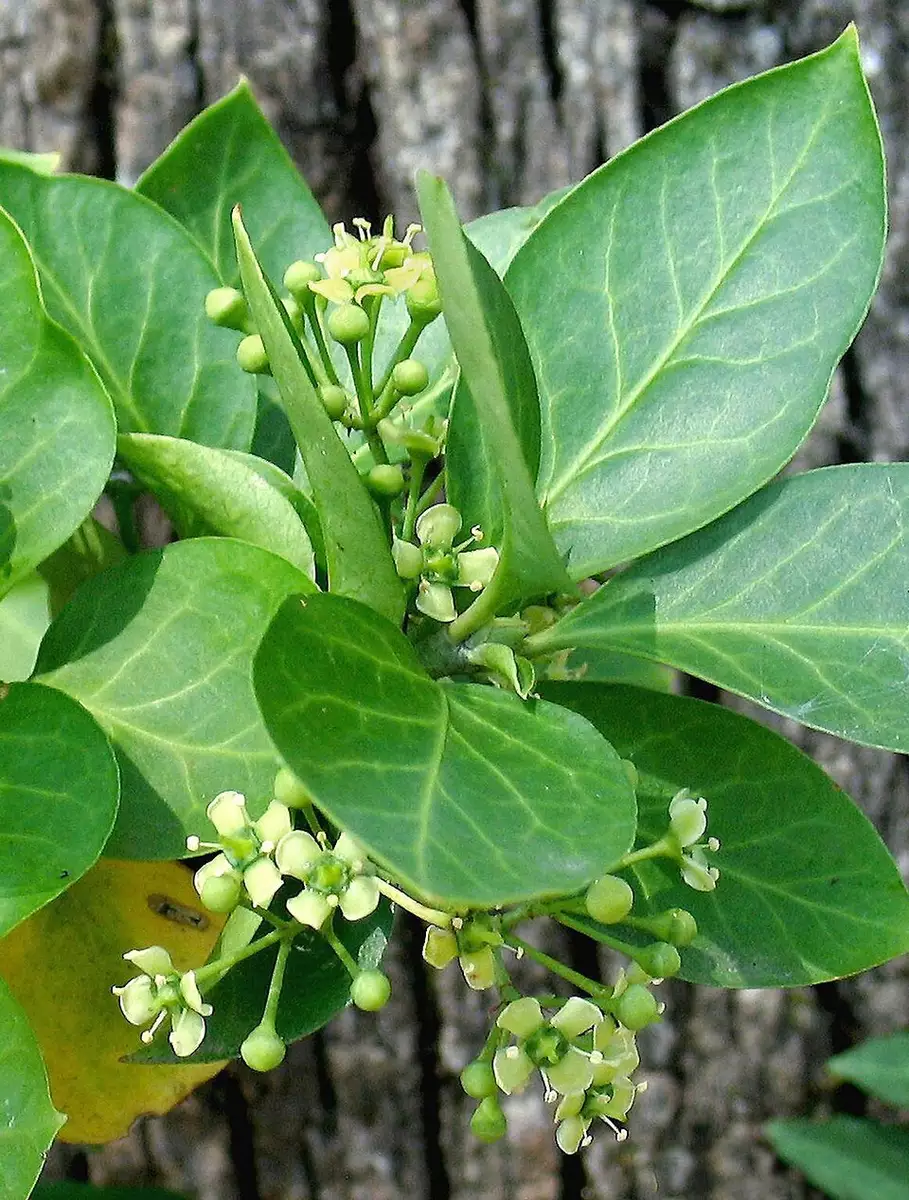
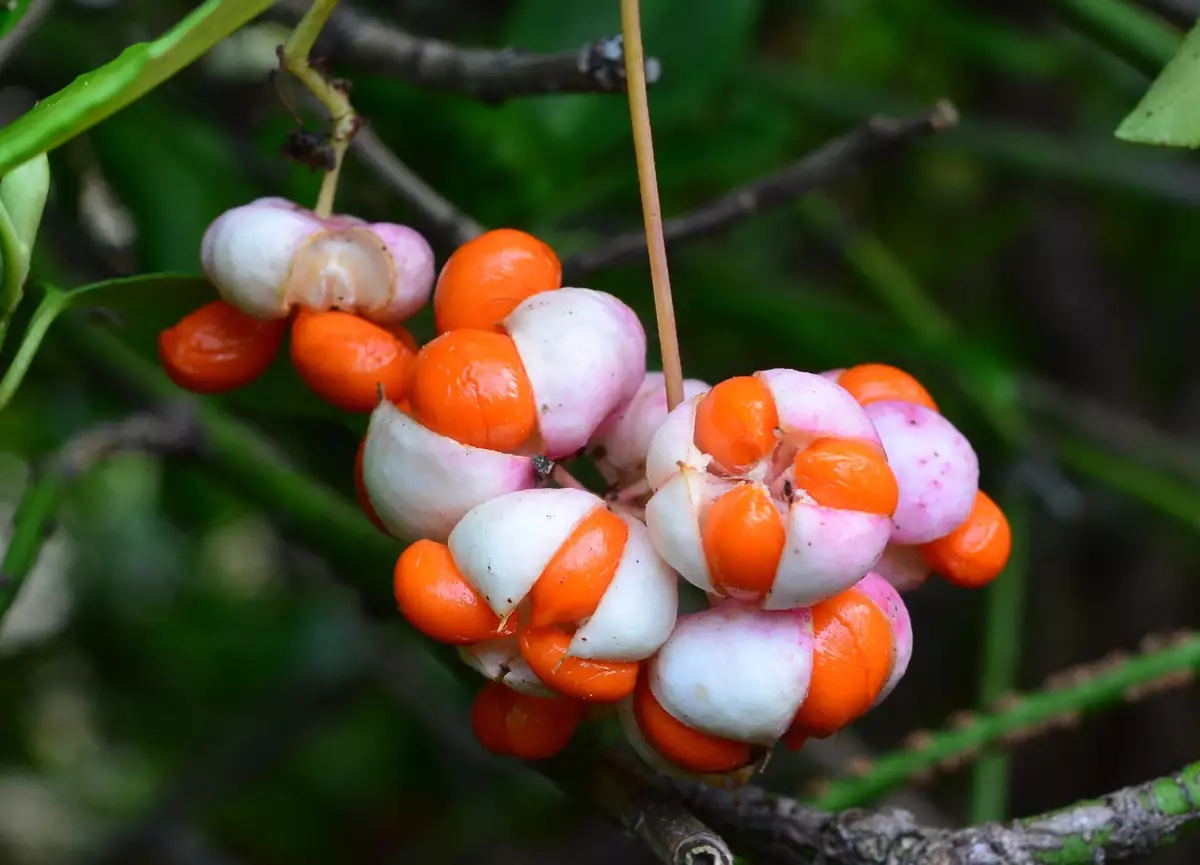
The leaves, dense and leathery with subtle serrations, form an attractive lush cover throughout the year. In mid to late summer, mature vines produce clusters of light green, inconspicuous flowers that give way to pinkish capsules, revealing bright reddish-orange seeds by autumn. This adaptive shrub or vine has a swift growth rate, making it a dynamic addition to landscapes, whether draping over walls, blanketing slopes, or accentuating garden features. Wintercreeper’s climbing ability, durability, and aesthetic adaptations make it an essential choice for gardeners seeking versatile greenery.












.jpg)