0
Close
1 / 6
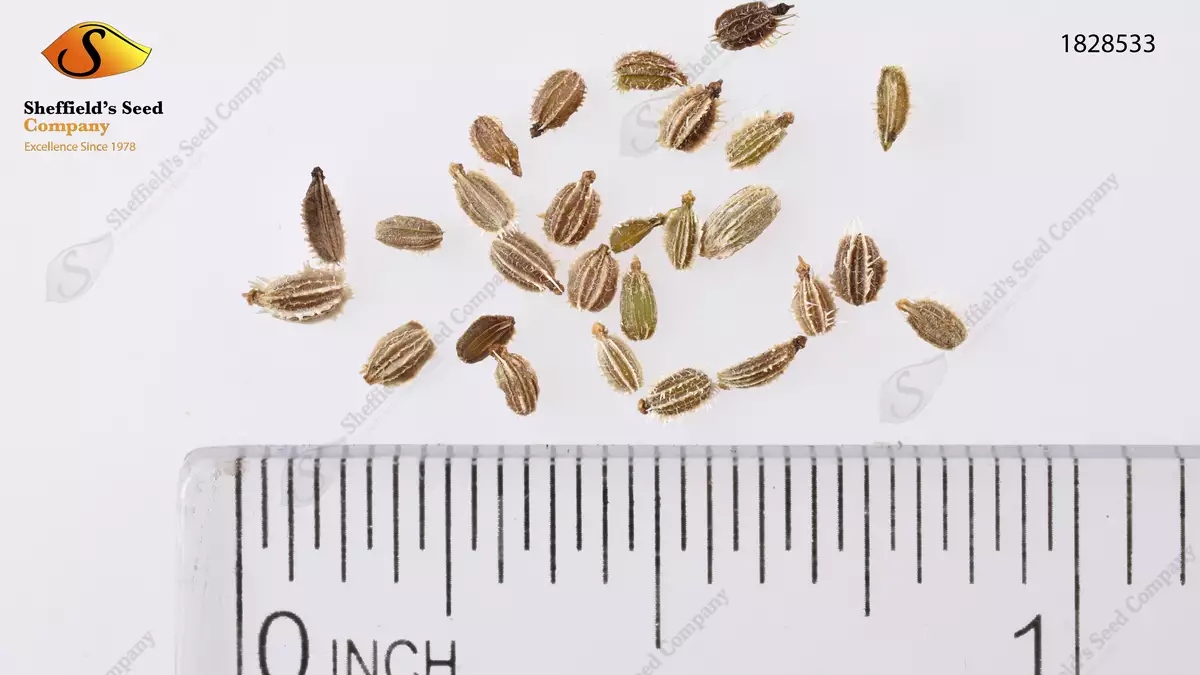
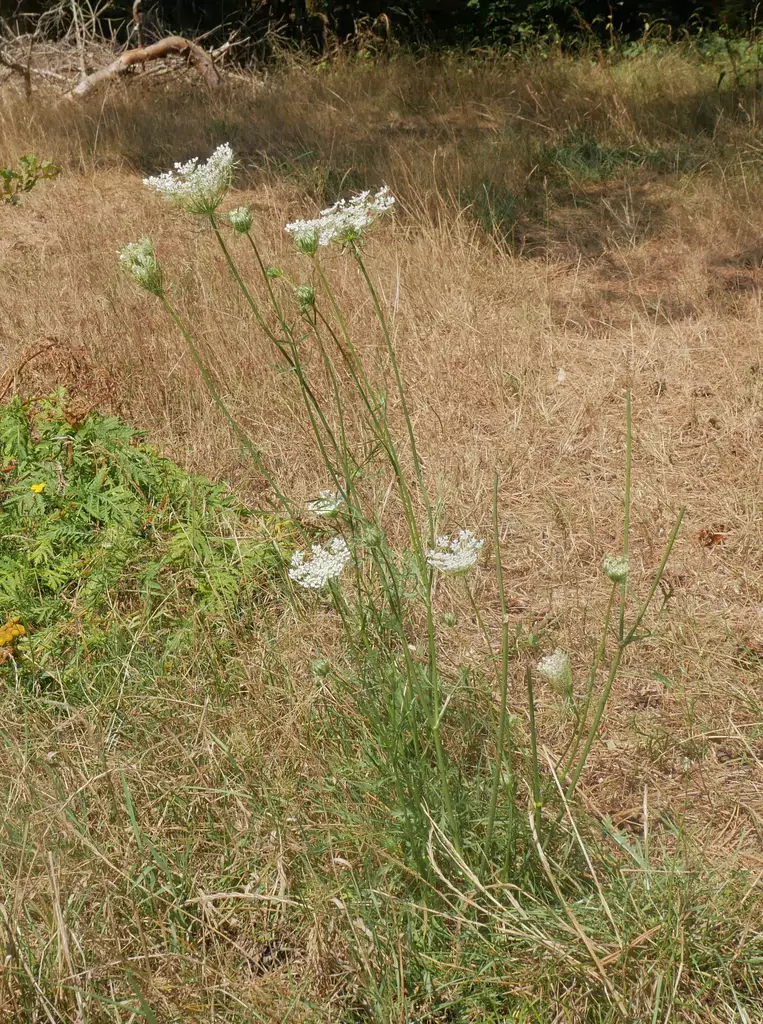
Daucus carota, (Queen Anne's Lace, Wild Carrot, Bird's Nest, Bishop's Lace), Sheffield's Seed Co., Inc.
2 / 6
4 / 6
6 / 6

AdobeStock

Growing Info

Scarification
Scarification: none required
Stratification
Stratification: none required
Germination
Germination: sow seed 1/16" deep, tamp the soil, mulch the seed bed

Native to: Algeria, France, Greece, Italy, Morocco, Spain, Yugoslavia
Native
Introduced

Daucus carota

Bird's Nest, Bishop's Lace, Queen Anne's Lace, Wild Carrot

In Stock: 3.347 lb (Total:3.347lb)
  • Daucus carota Clean Seed

    All items have bulk rates priced in
select i.*, as2.state_abbr from inventory_item_manage i left outer join sheffields_2017.address_states as2 on (as2.state_name = i.CollectionLocale or as2.state_abbr = i.CollectionLocale) where i.inventory_id = '2745' group by i.id

Buying options

3.35 lb

Details

Germination:
91%
Germination test:
Cut (Full Seed)
Purity:
98%
Seeds per lb:
222,460
Quantity:
3.35 lb
Collected in:
Hungary
Crop year:
2025
Min. hardiness zone:
4
Item ID:
1836986

Growing Info

Scarification
Scarification: none required
Stratification
Stratification: none required
Germination
Germination: sow seed 1/16" deep, tamp the soil, mulch the seed bed

Native to: Algeria, France, Greece, Italy, Morocco, Spain, Yugoslavia
Native
Introduced
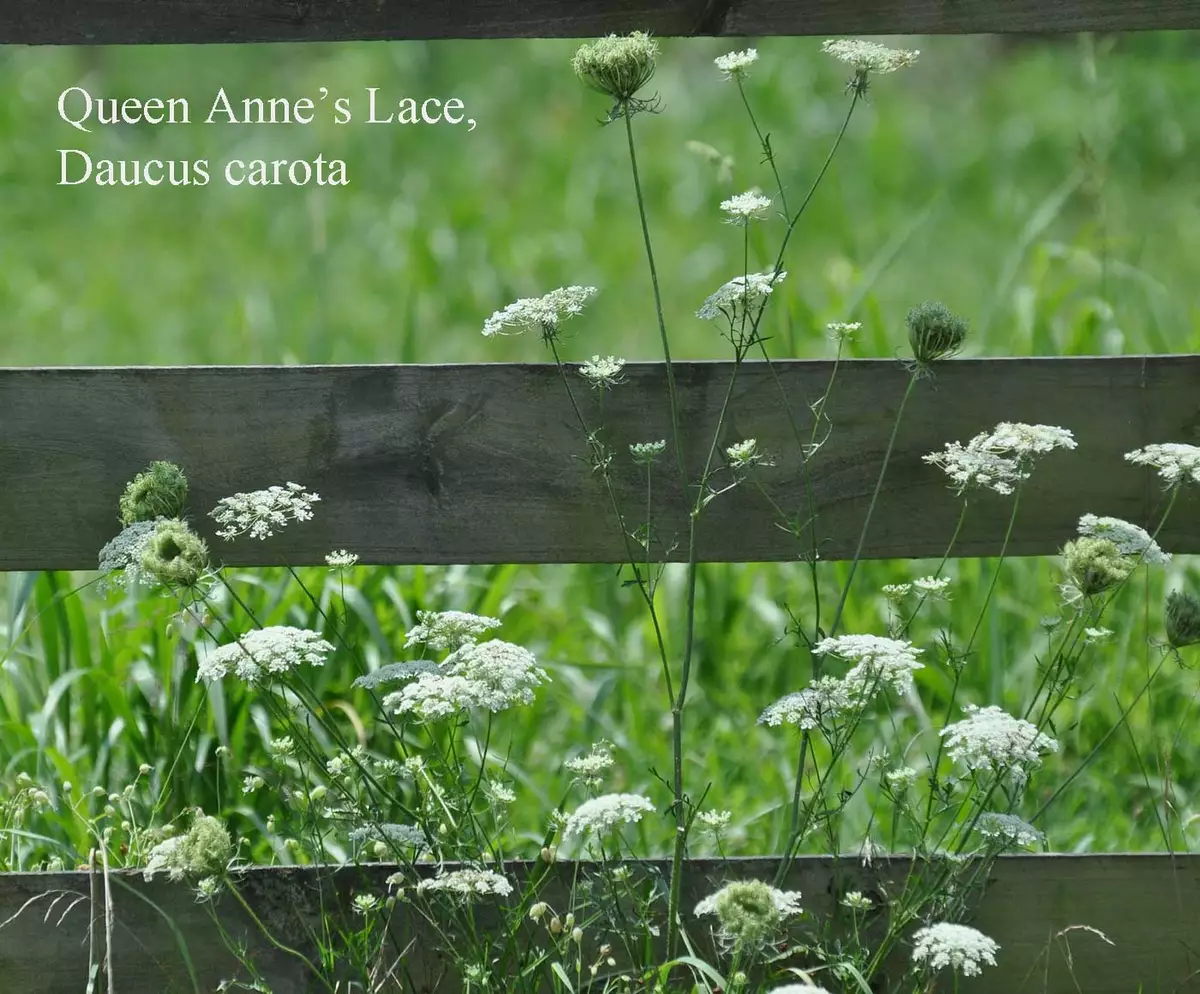
Daucus carota, commonly known as Queen Anne's Lace, Bishop's Lace, Bird's Nest, or Wild Carrot, is a striking biennial wildflower that enchants nature enthusiasts and gardeners with its delicate, lacy blossoms. A member of the Apiaceae family, this plant was originally brought from Europe and has since naturalized across many U.S. states, thriving in diverse environments from sunlit fields to partial shade along roadsides and abandoned areas.

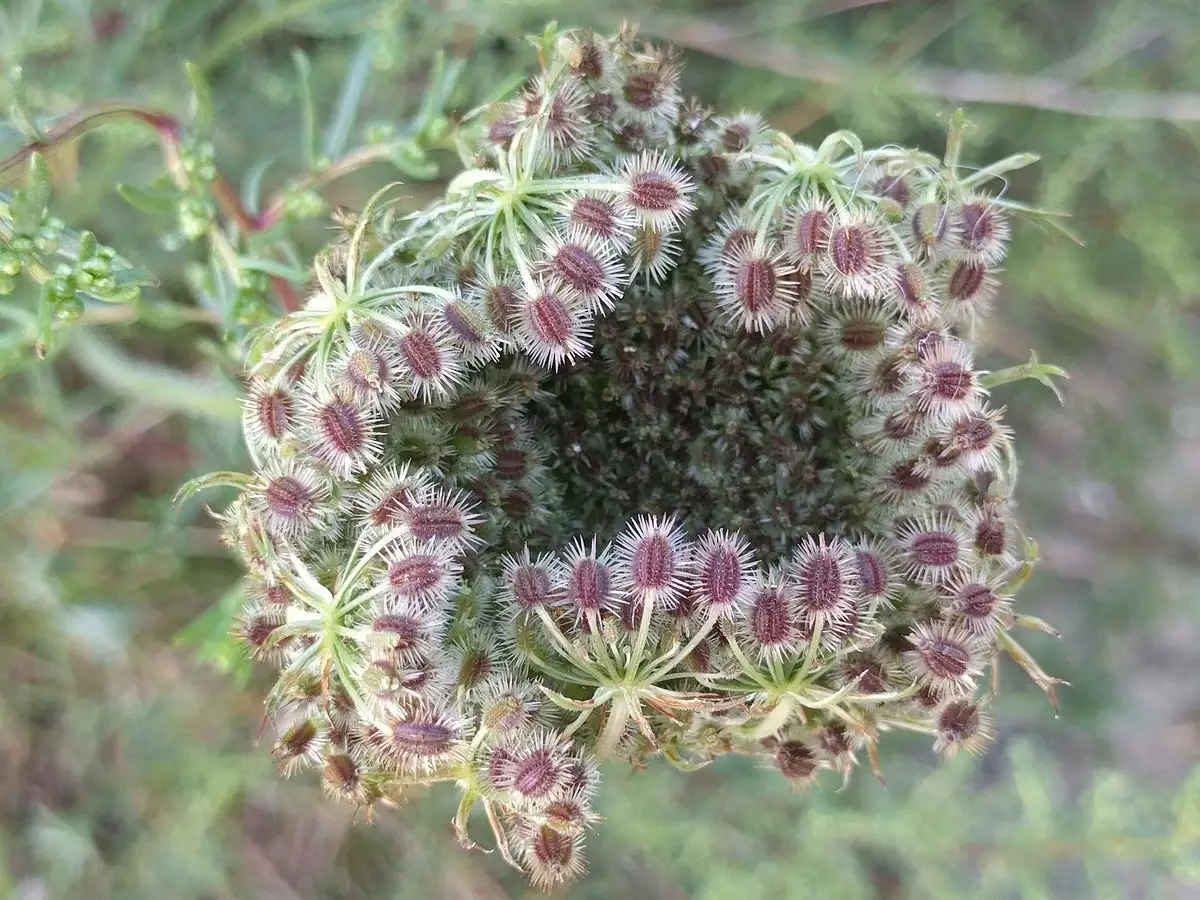
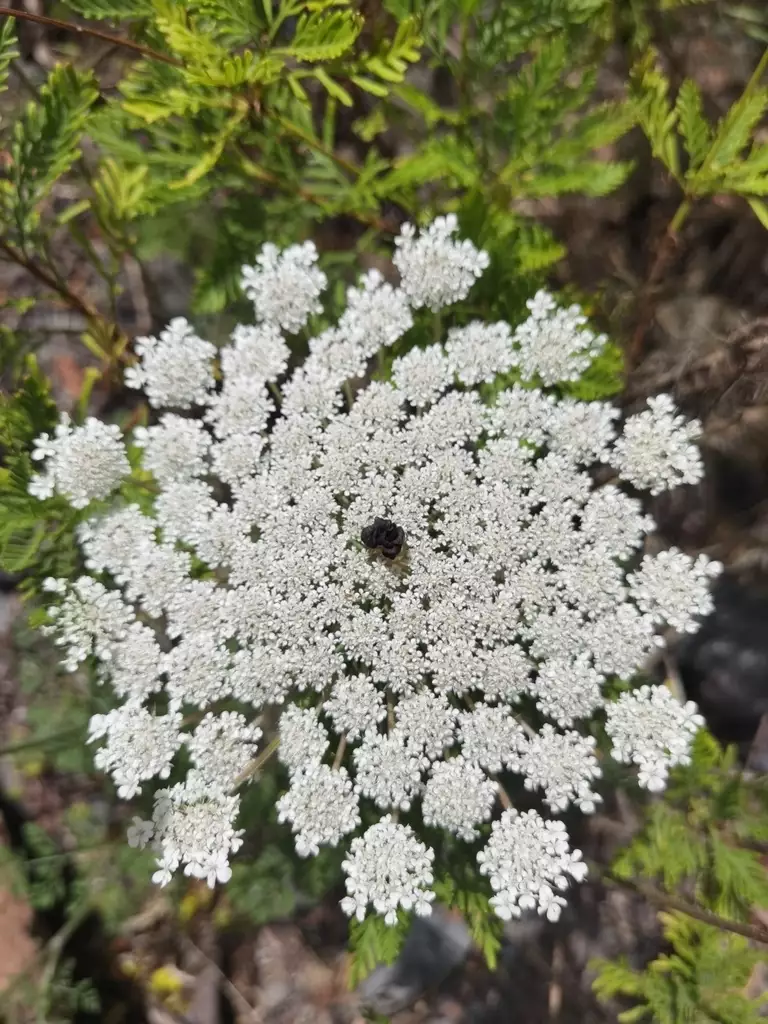
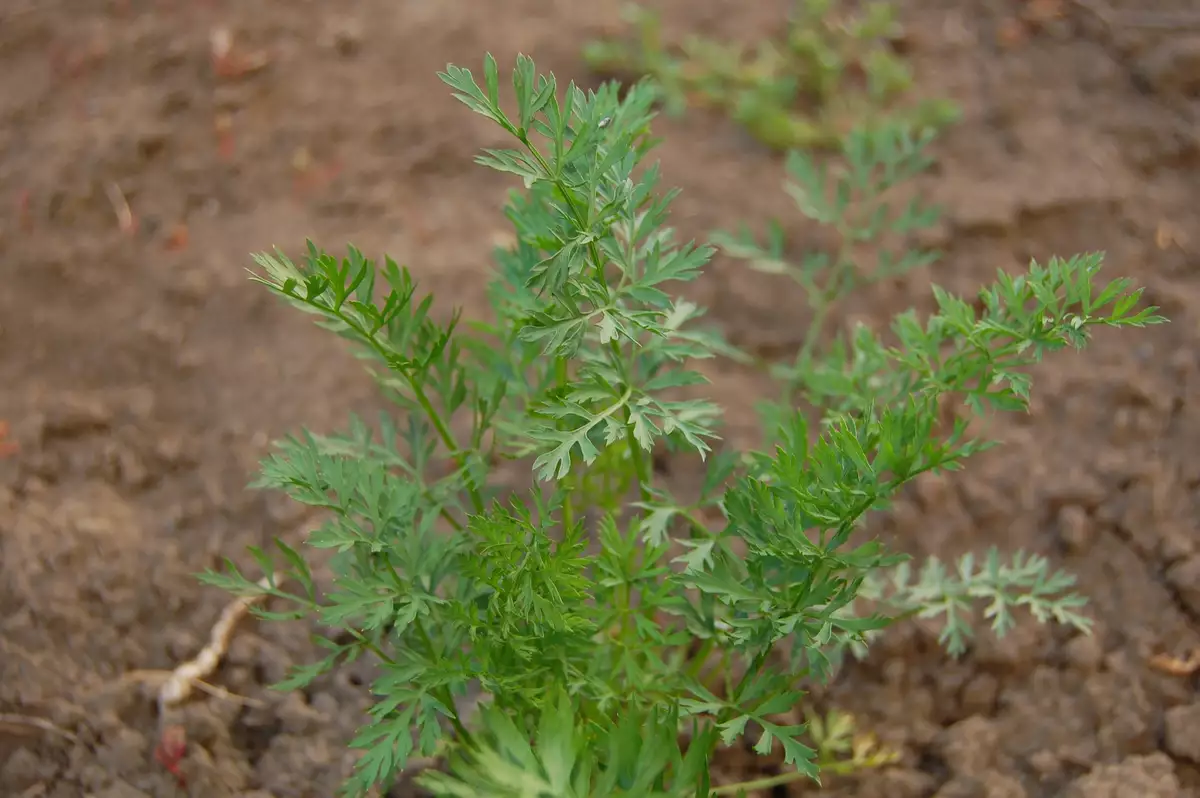
In its first year, Queen Anne's Lace develops a rosette of five-inch, arching basal leaves. The second year sees the plant bolting to reveal flowering stalks up to four feet tall, decorated with intricate, flat-topped umbels of small white flowers. Occasionally, a unique reddish-purple flower graces the center of each umbel, adding a touch of intrigue. These umbels bloom from mid-summer to mid-fall, transitioning into bristly, spheroid clusters of seed-bearing fruits that are adept at wind dispersal.

While cherished for its aesthetic allure, Wild Carrot is not recommended for perennial gardens due to its aggressive spreading tendency. The plant's adaptable nature allows it to thrive in various soil conditions, yet its deep taproot can make it challenging to manage. Queen Anne's Lace is a haven for pollinators, attracting bees, wasps, and butterflies, while its foliage serves as a nesting favorite for the European Starling, benefiting hatchlings by warding off parasites.

Though it poses challenges in managed gardens, Queen Anne's Lace continues to appeal to those drawn to its wild beauty and ecological importance. Its presence serves as a reminder of the delicate balance between ornamental elegance and invasive resilience.

You might also like

Achillea millefolium

Achillea millefolium

Common Yarrow, Plumajillo

Aquilegia vulgaris var. Double Mix

Aquilegia vulgaris var. Double Mix

Columbine, Dwarf Columbine, European Columbine

Echinacea purpurea

Echinacea purpurea

Eastern Purple Coneflower, Purple Coneflower

Liquidambar styraciflua Southern

Liquidambar styraciflua Southern

Redgum, Sapgum, Sweetgum

(315) 497-1058
269 NY-34 Locke NY 13092
seed@sheffields.com

HOME - logo

Find us on: