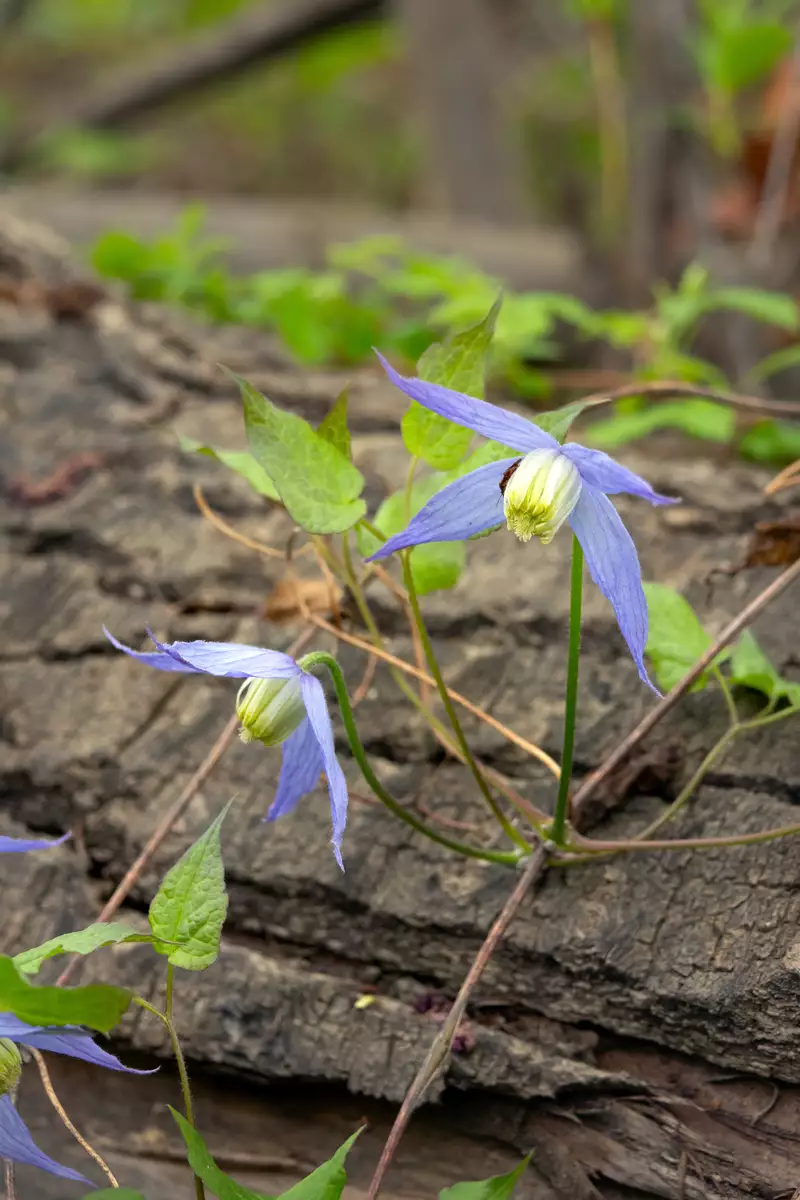
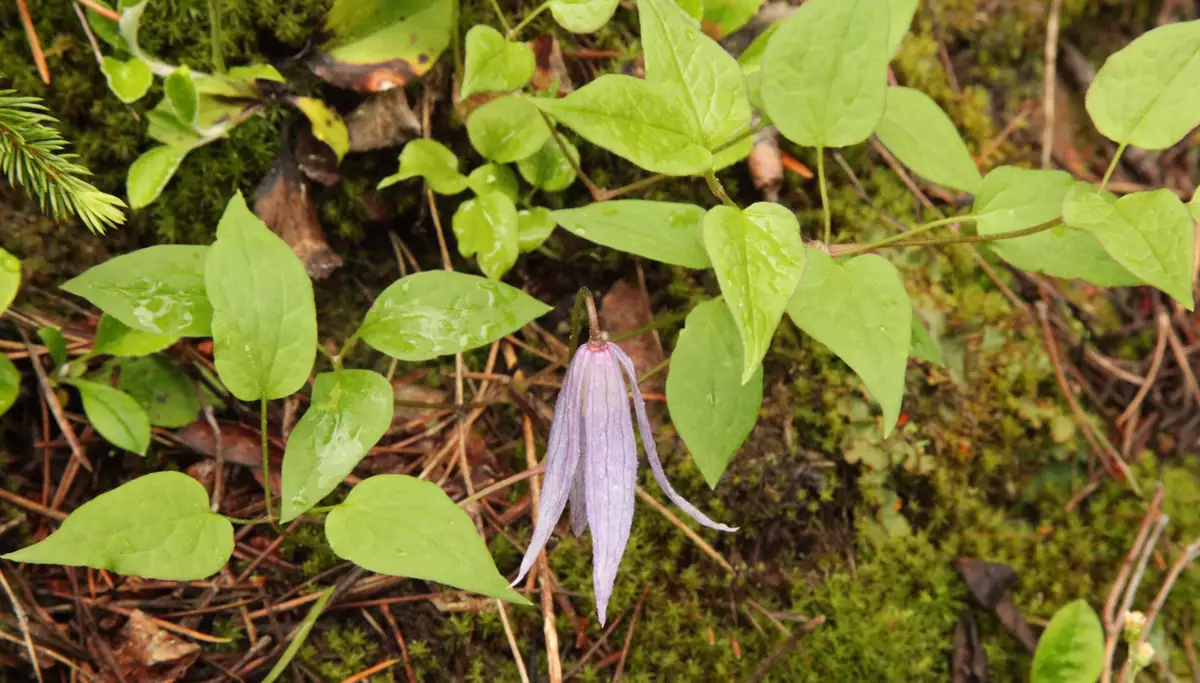
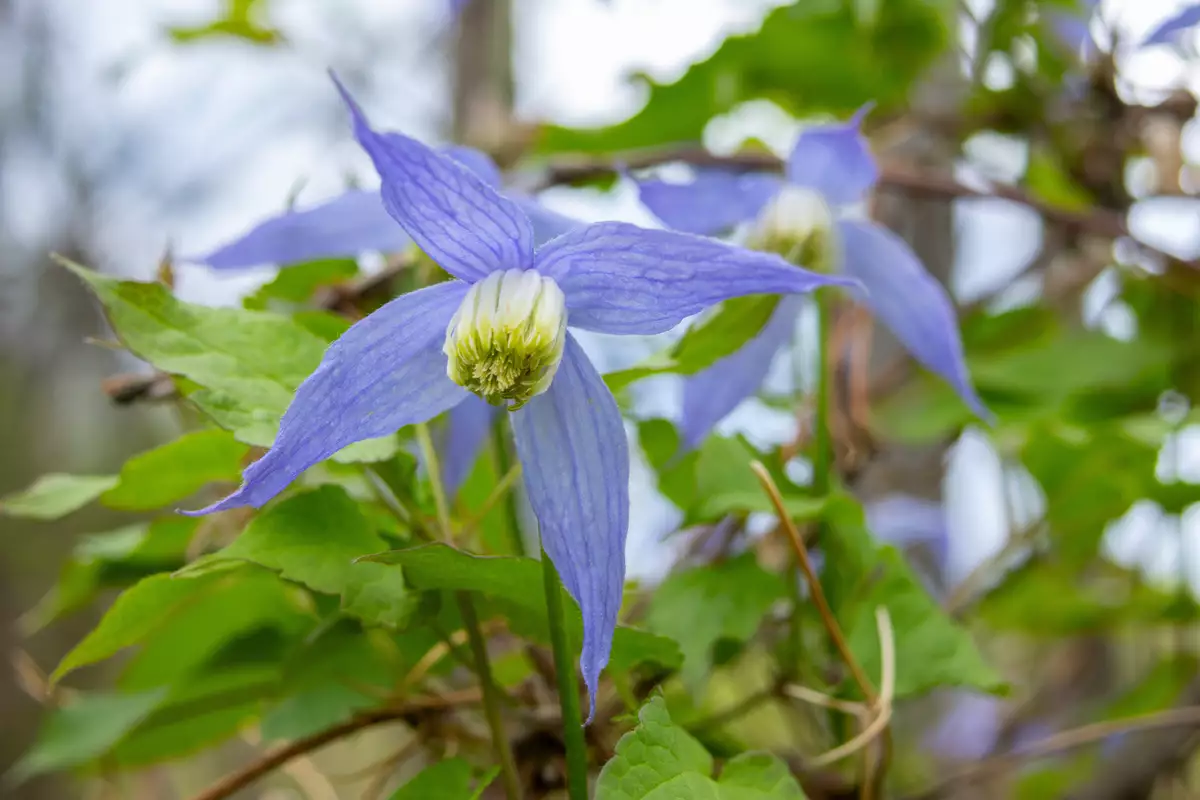
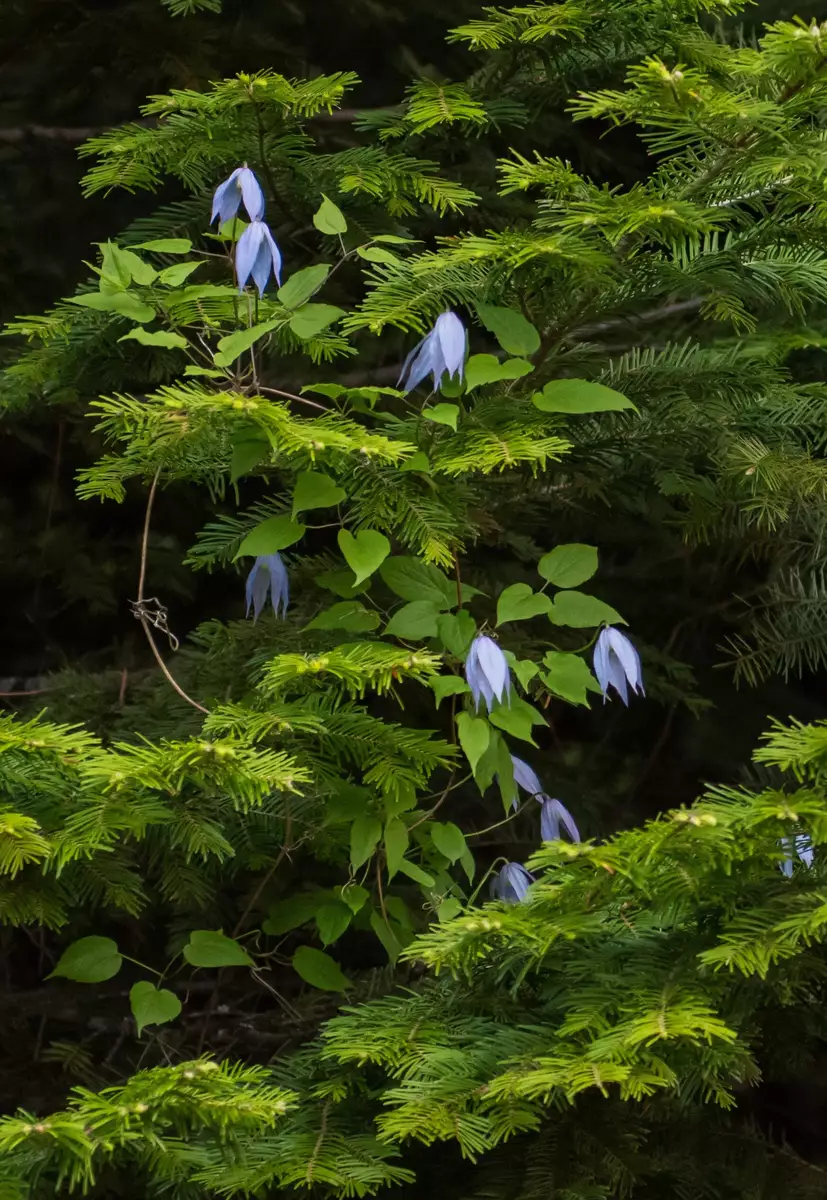
Discover the enchanting Clematis occidentalis, commonly known as Purple Clematis or Western Blue Virginsbower, a captivating climbing perennial that adds a touch of elegance to any garden. Its signature features include large, wispy flowers with purplish, drooping petal-like sepals, measuring 1½ to 2 inches long and forming an attractive bell shape. Despite its stunning appearance, this shy beauty is found in low numbers and tends to blend into its leafy surroundings, creating a delightful surprise for those who stumble upon it. Flourishing in calcareous cliffs, rocky woods, and clearings, this clematis unveils its blooms early in the growing season, from April to June, merely as dandelions begin their display.
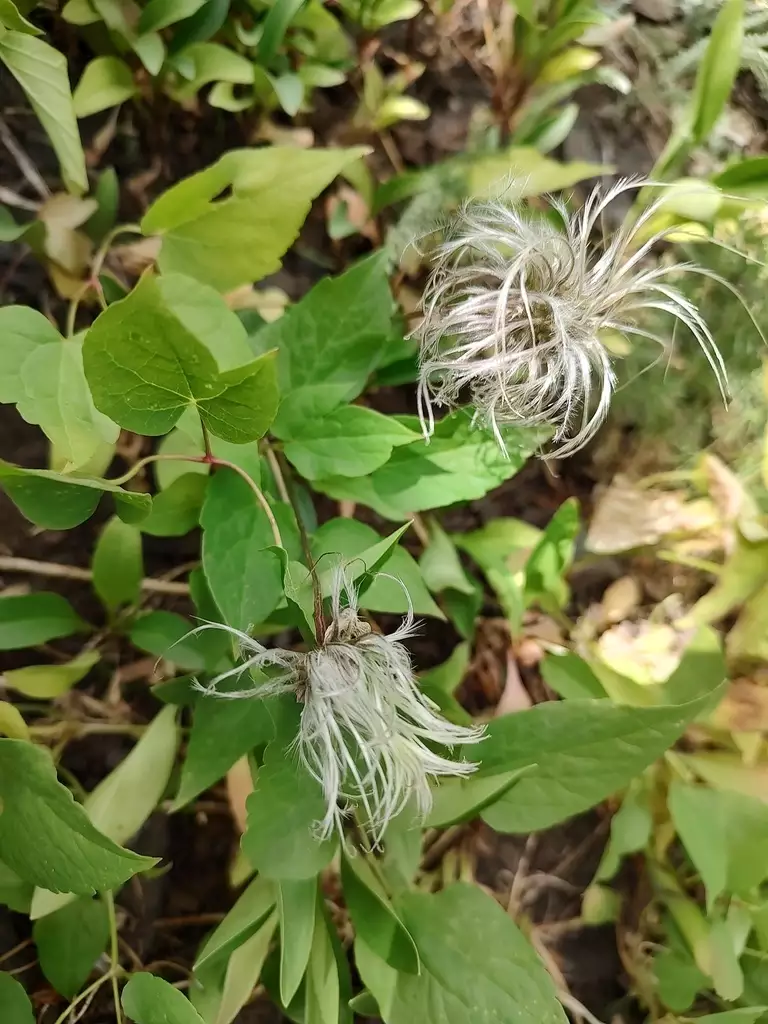
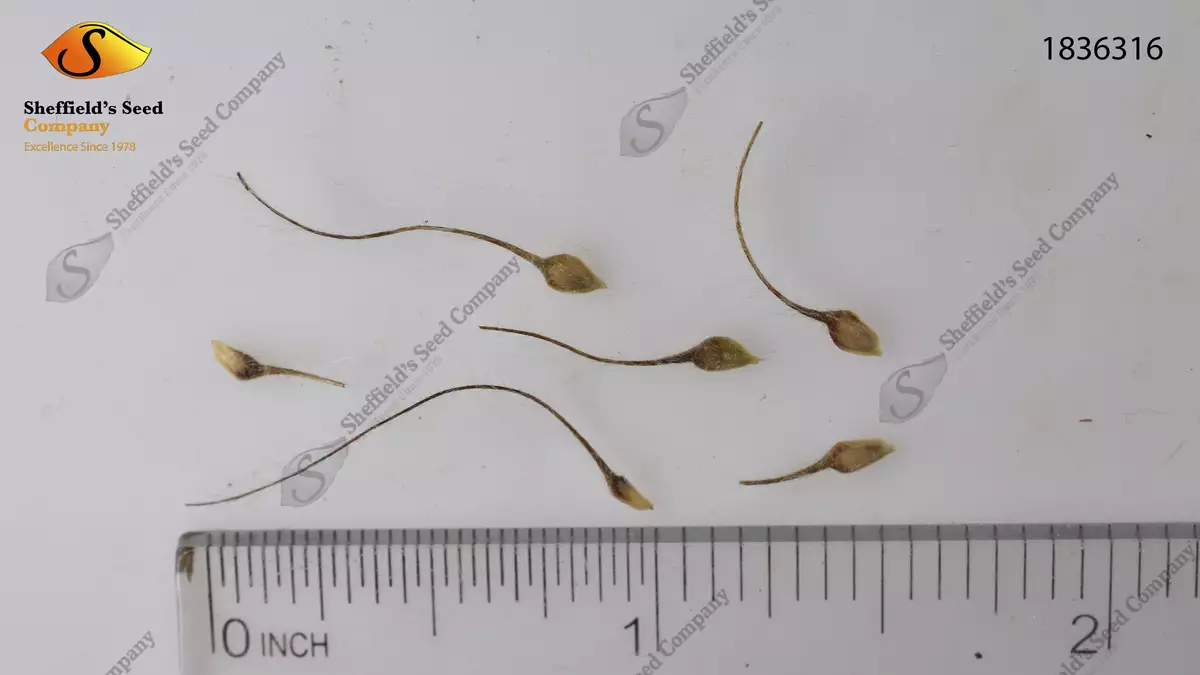
The plant's compound leaves, consisting of three leaflets, contribute to its distinct charm. Leaflets are egg to heart-shaped, occasionally sporting shallow teeth. The delicate stems twine around nearby vegetation for support, with a woody base enhancing their resilience. The flower’s transformation into feathery seed plumes showcases nature's whimsy, as these seeds take flight with the wind. Though this species holds horticultural appeal, it is vital to admire and preserve it responsibly, as it is protected and considered rare or endangered in some areas. Embrace the allure of Purple Clematis, a truly unique gem for avid gardeners and plant enthusiasts.
There are three varieties:
Clematis occidentalis var. occidentalis - Eastern United States.
Clematis occidentalis var. grosseserrata - Western United States.
Clematis occidentalis var. dissecta - Endemic to Washington State.