0
Close
1 / 6
5 / 6

AdobeStock

6 / 6

Growing Info

Scarification
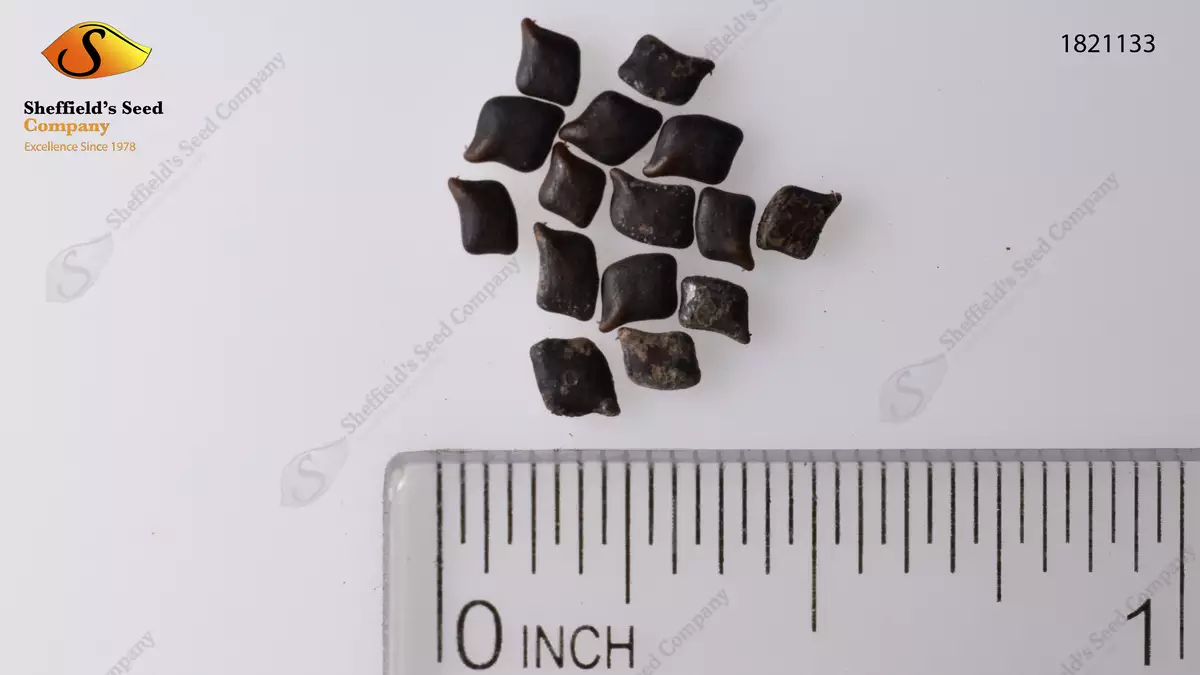
Scarification: Pour boiling water over seed , Soak in hot tap water, repeat process on seed that did not imbibe
Stratification
Stratification: none required
Germination
Germination: sow seed 1/16" deep, tamp the soil, lightly mulch the seed bed.

Native to: Arizona, Mexico Northeast, Mexico Northwest, Mexico Southwest, New Mexico, Texas
Native
Introduced

Chamaecrista nictitans

Sensitive Partridge Pea, Sensitive Pea

  • Chamaecrista nictitans

Please select the quantity desired, and we will advise availability and price as soon as possible.

Details

Min. hardiness zone:
5

Growing Info

Scarification
Scarification: Pour boiling water over seed , Soak in hot tap water, repeat process on seed that did not imbibe
Stratification
Stratification: none required
Germination
Germination: sow seed 1/16" deep, tamp the soil, lightly mulch the seed bed.

Native to: Arizona, Mexico Northeast, Mexico Northwest, Mexico Southwest, New Mexico, Texas
Native
Introduced
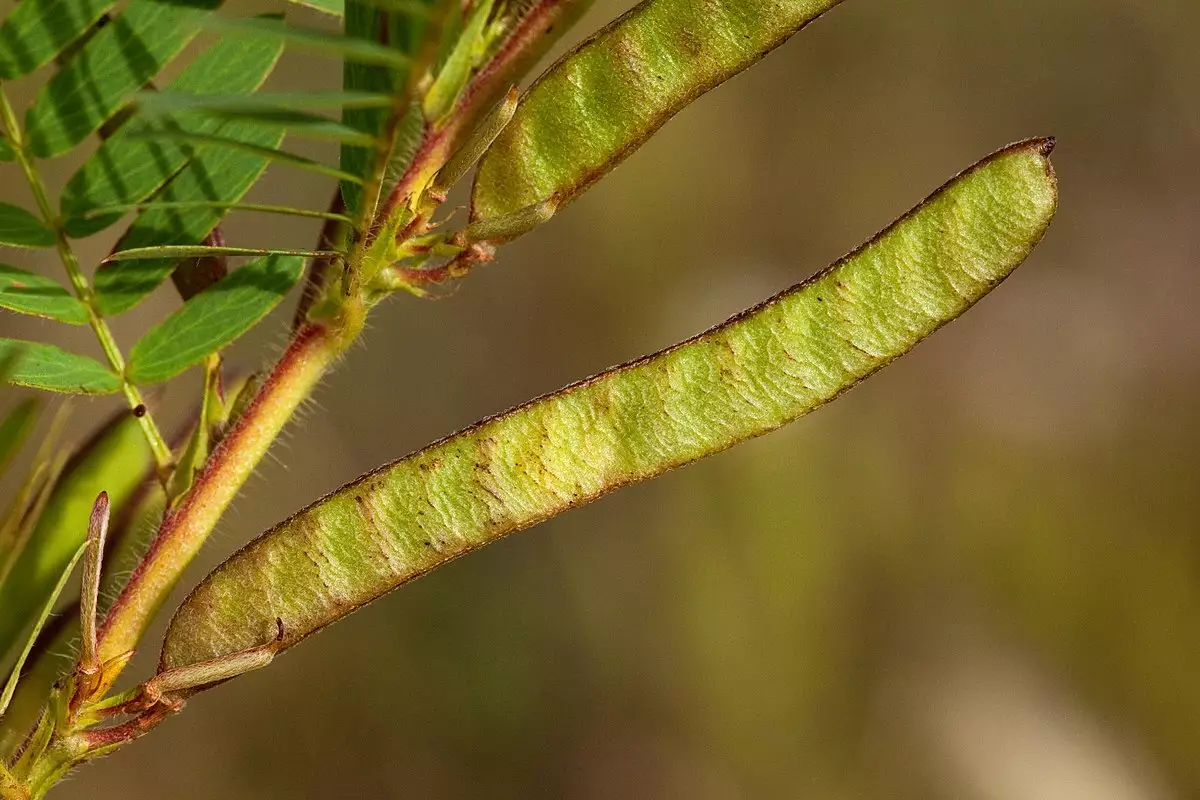
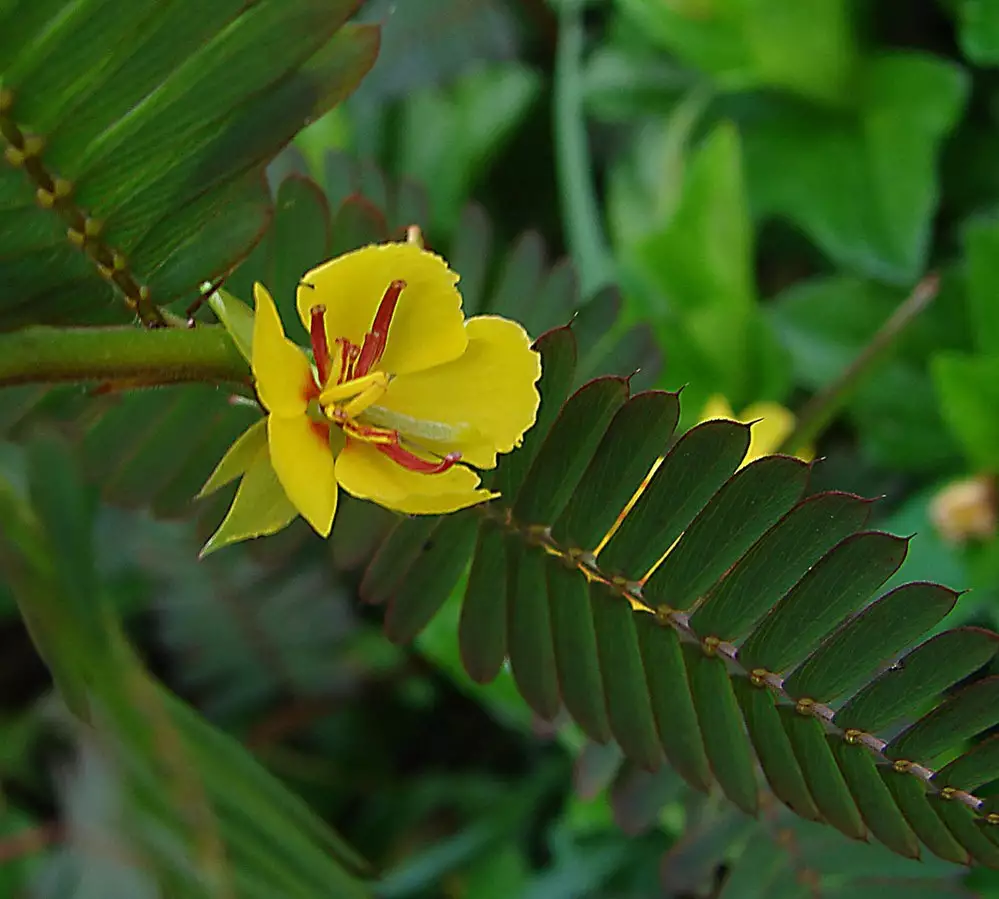
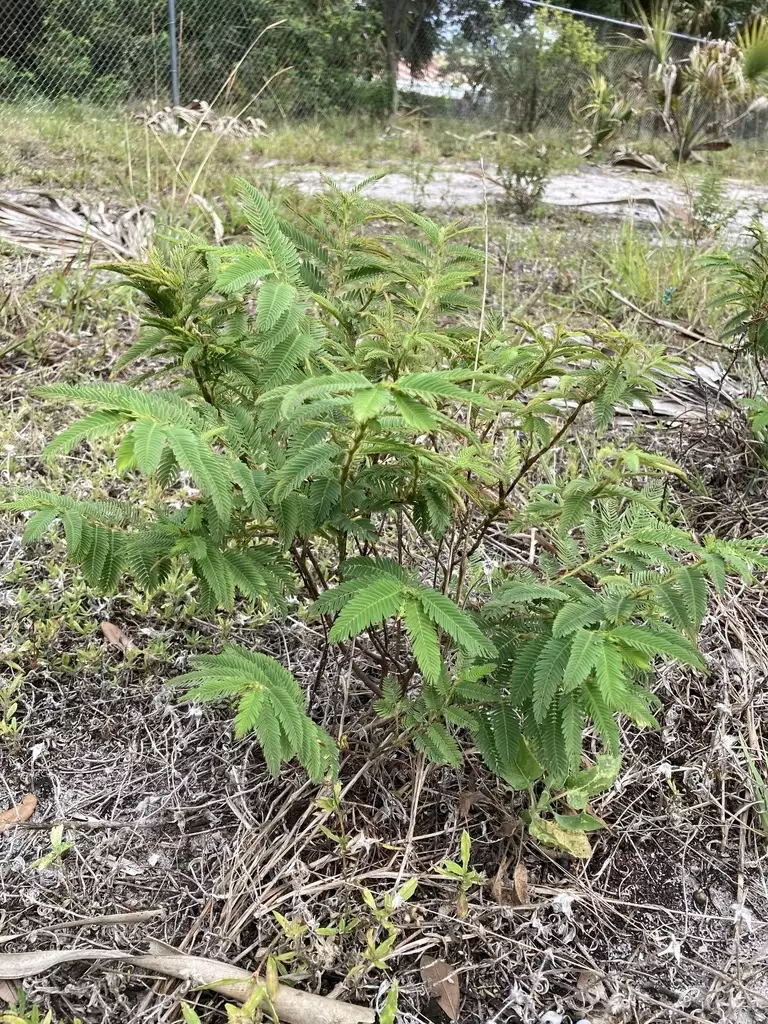
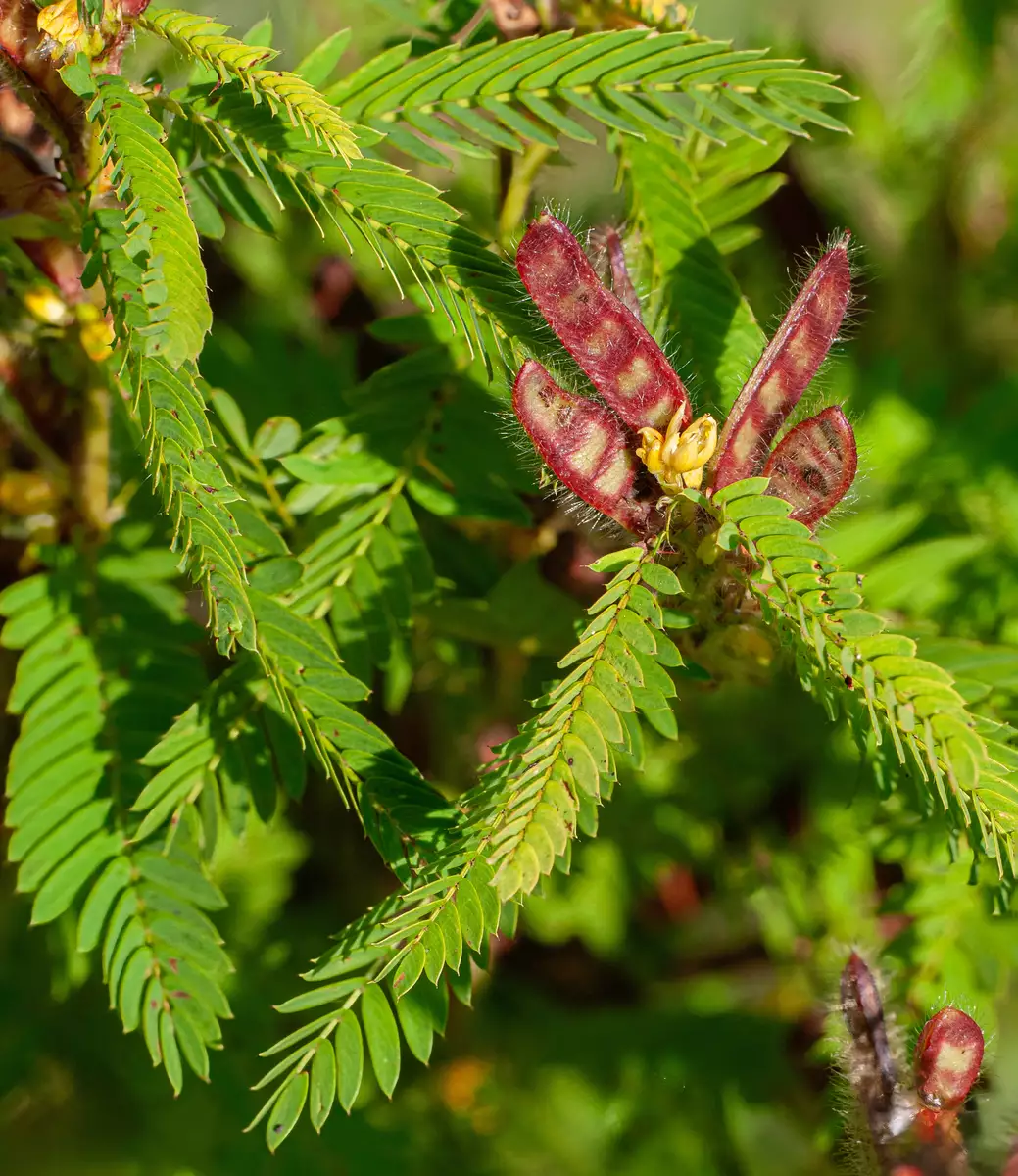
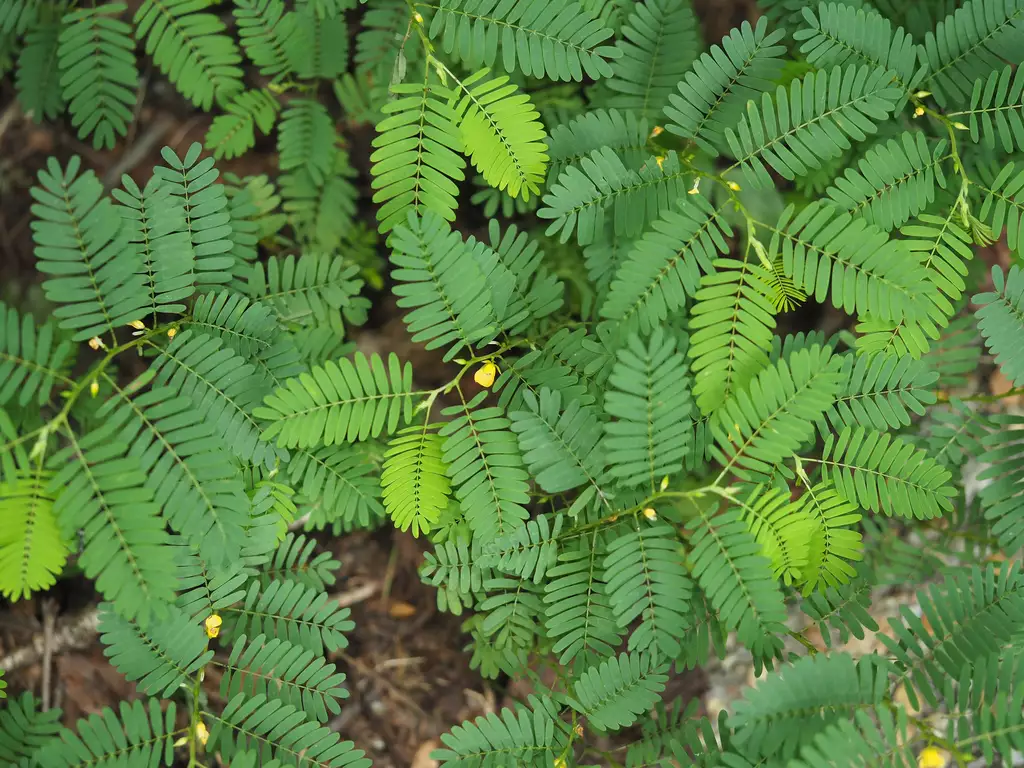
Discover the captivating Chamaecrista nictitans, commonly known as Sensitive Partridge Pea, a versatile native wildflower of the USA belonging to the pea family (Fabaceae). This self-sowing annual thrives in an array of environments, from woodland borders and prairies to roadsides and sandy soils, making it an adaptable addition to any garden or landscape. Its name, "sensitive," is derived from the plant's unique characteristic of folding its leaflets upon touch, adding an interactive element to your green space.

Planting is a breeze—sow seeds ¼ to ¾ inches deep from late spring through early summer. Watch as they swiftly germinate and grow up to 20 inches tall, boasting vibrant yellow blooms that grace your garden throughout summer. This resilient species flourishes in various soils but prefers sandy or well-drained conditions for optimal growth, thriving best in full sun yet adaptable to some shade.

Besides its ornamental appeal, Sensitive Partridge Pea plays a crucial ecological role. It enriches soil nitrogen, prevents erosion with its deep taproot, and provides a vital habitat for pollinators, attracting bees, ants, and even wasps. Not just a pollinator haven, it serves as a food source for wildlife, with seeds relished by birds and small mammals. Its importance extends beyond the USA to Mexico and parts of South and Central America.

You might also like

Papaver somniferum

Papaver somniferum

Opium Poppy

Sequoia sempervirens

Sequoia sempervirens

California Redwood, Coast Redwood, Redwood

Sequoiadendron giganteum

Sequoiadendron giganteum

Bigtree, Giant Sequoia, Sierra Redwood, Sierran Redwood, Wellingtonia

Vaccinium corymbosum

Vaccinium corymbosum

Highbush Blueberry

(315) 497-1058
269 NY-34 Locke NY 13092
seed@sheffields.com

HOME - logo

Find us on: