0
Close
1 / 5
2 / 5
3 / 5

AdobeStock

4 / 5

AdobeStock

5 / 5

AdobeStock

Growing Info

Scarification
Scarification: Soak in water, let stand in water for 24 hours
Stratification
Stratification: cold stratify for 60 days
Germination
Germination: sow 1-2 deep, mulch the seed bed, can be sown outdoors in the fall for spring germination

Native to: France
Native
Introduced

Castanea sativa

x crenata Bouche de Betizac

Bouche de Betizac Chestnut

This cultivar is not very susceptible to chestnut blight and chestnut gall wasp

Recalcitrant seeds need refrigeration. Since shipping times are out of our control, we are not liable for seed condition upon arrival.
  • Castanea sativa x crenata Bouche de Betizac

Please select the quantity desired, and we will advise availability and price as soon as possible.

Details

Min. hardiness zone:
5

No Export to These Countries

Australia

Growing Info

Scarification
Scarification: Soak in water, let stand in water for 24 hours
Stratification
Stratification: cold stratify for 60 days
Germination
Germination: sow 1-2 deep, mulch the seed bed, can be sown outdoors in the fall for spring germination

Native to: France
Native
Introduced
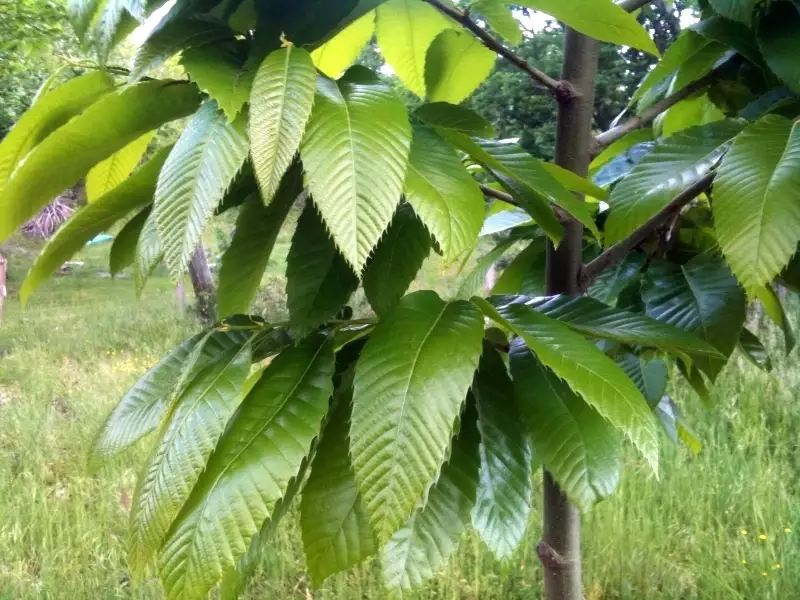
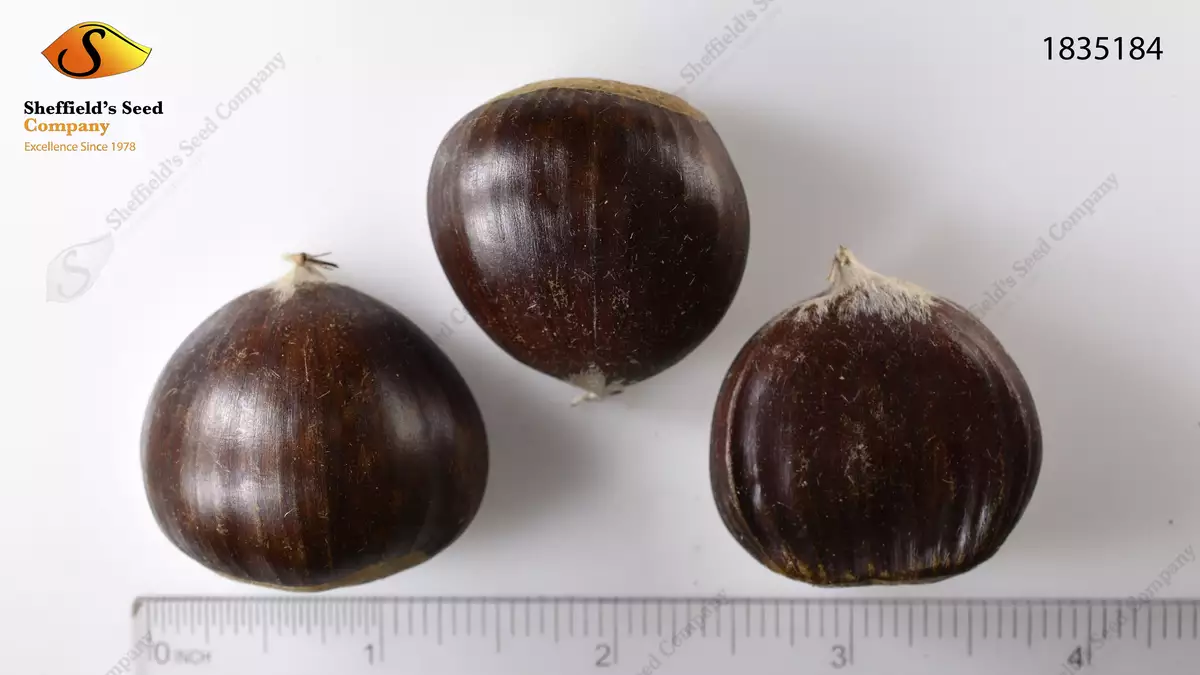
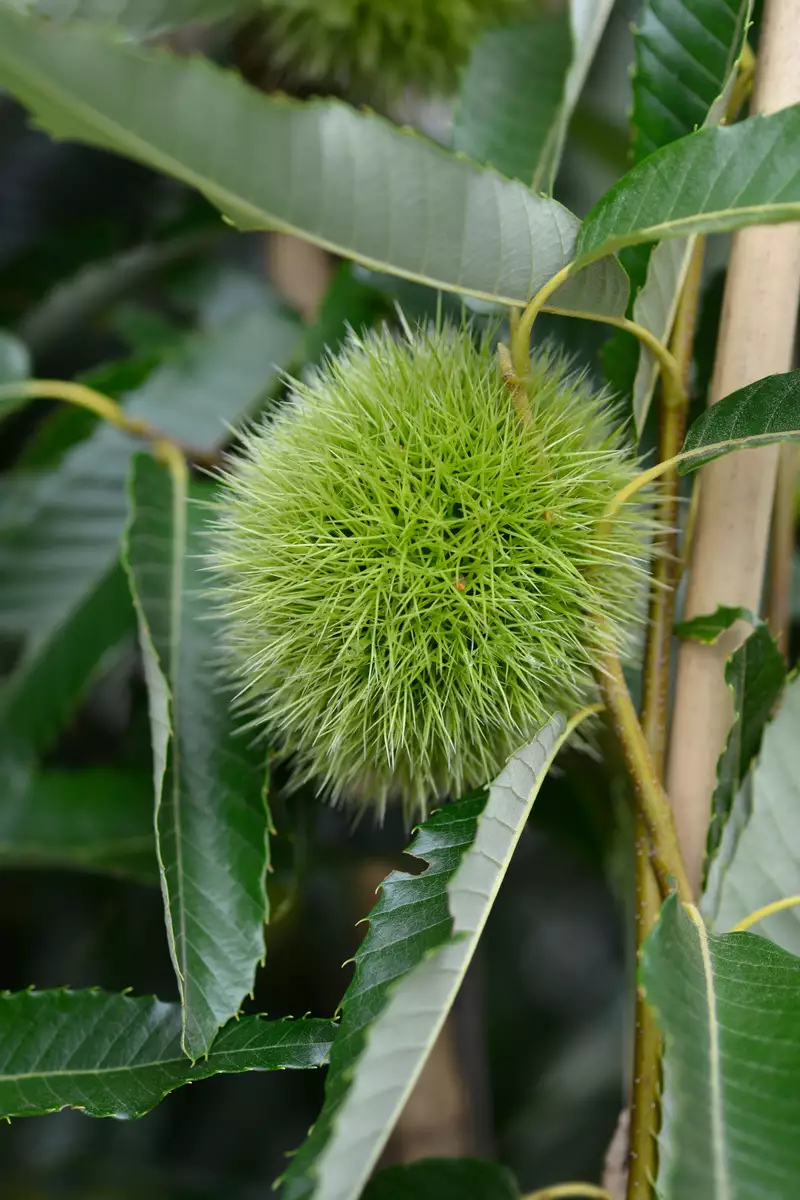
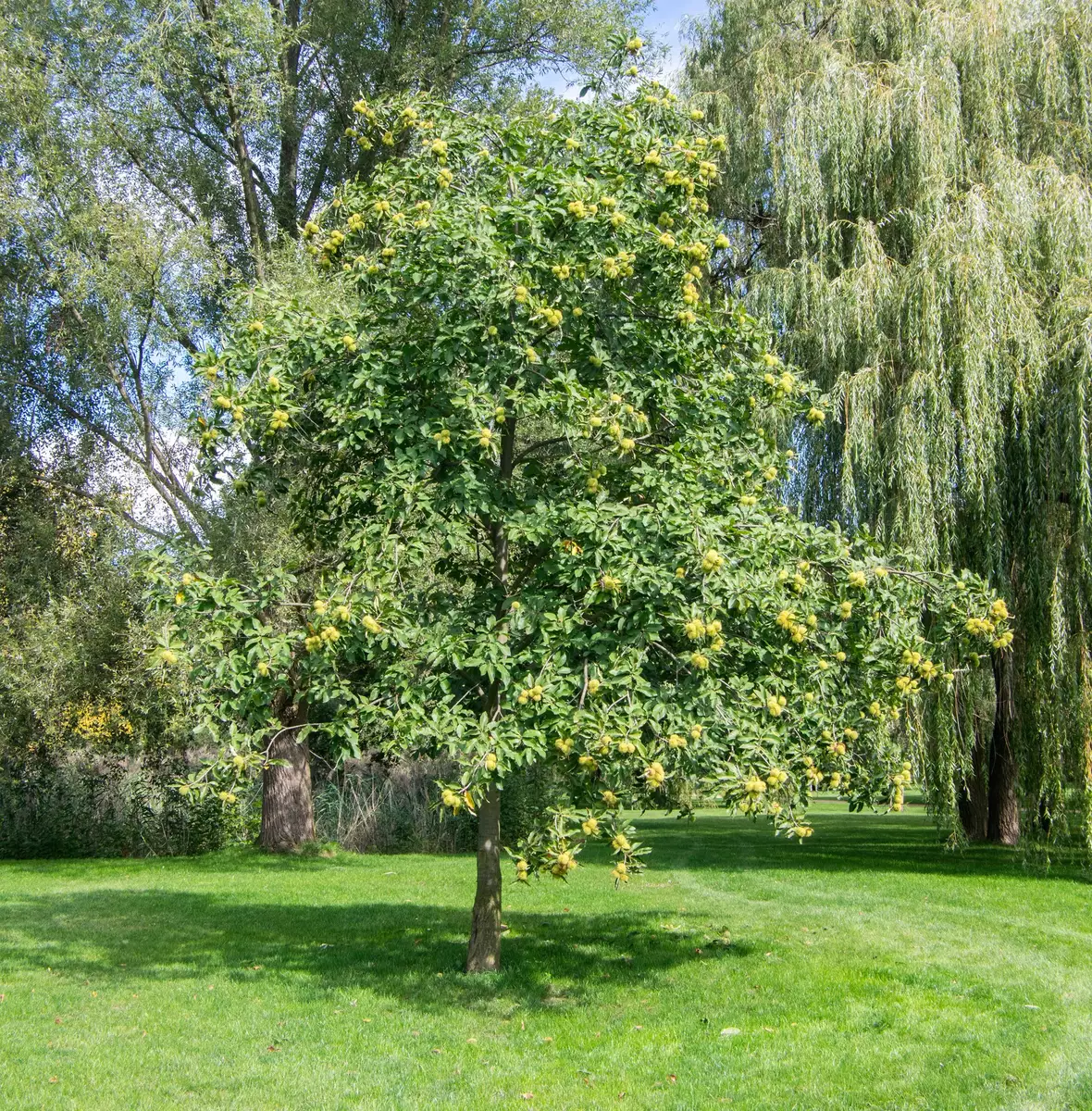
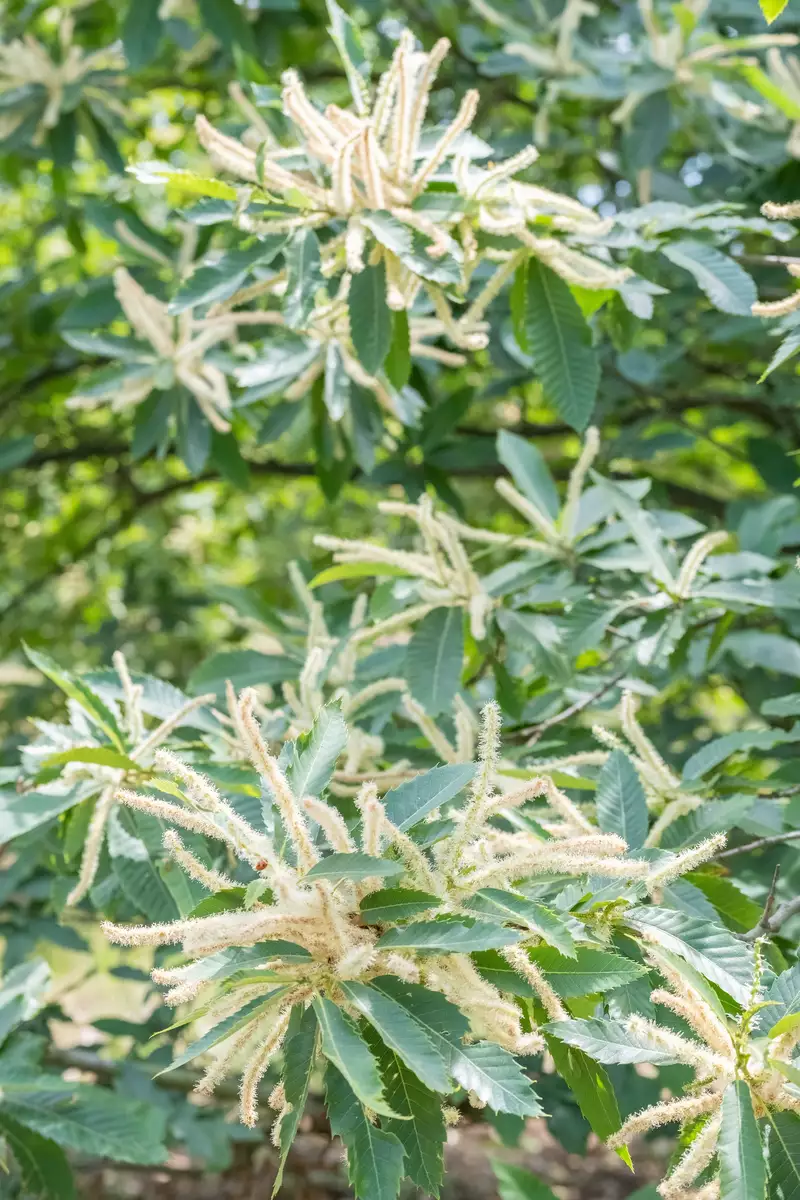
Castanea sativa x crenata Bouche de Betizac, a remarkable European Chestnut cultivar ideal for both commercial growers and enthusiasts alike. Originating from a French hybrid between the European chestnut (Castanea sativa) and Japanese chestnut (Castanea crenata), this robust tree is designed to impress with its vigorous, upright growth and substantial yields. Known for producing abundant crops of large, flavorful nuts—25 to 30 per pound—these chestnuts are not only delicious but also easy to peel, making them a favorite among consumers. Bouche de Betizac chestnut begins bearing fruit as early as three years after planting, reaching full production capacity around 5-7 years. This mid-late ripener is well-suited for cooler summer climates, showing resilience against Asian gall wasp and leaf anthracnose, and demonstrating potential resistance to chestnut blight. While pollen-sterile, it thrives when paired with reliable pollinators like Precoce Migoule or Marigoule. However, its early budding nature does make it sensitive to spring frosts.

You might also like

Papaver somniferum

Papaver somniferum

Opium Poppy

Sequoia sempervirens

Sequoia sempervirens

California Redwood, Coast Redwood, Redwood

Sequoiadendron giganteum

Sequoiadendron giganteum

Bigtree, Giant Sequoia, Sierra Redwood, Sierran Redwood, Wellingtonia

Vaccinium corymbosum

Vaccinium corymbosum

Highbush Blueberry

(315) 497-1058
269 NY-34 Locke NY 13092
seed@sheffields.com

HOME - logo

Find us on: