0
Close
1 / 6

AdobeStock

2 / 6

AdobeStock

3 / 6

AdobeStock

4 / 6

AdobeStock

5 / 6
6 / 6

AdobeStock

Growing Info

Scarification
Scarification: Soak in hot tap water, let stand in water for 2 days.
Stratification
Stratification: none required
Germination
Germination: sow seed 3/8" deep, tamp the soil, mulch the seed bed

Other: Germination tends to be slow, Germinates faster in warmer temperatures.|Germination may be irregular and some seed may lie over 2 years before germination. 

Native to: Brazil, Paraguay, Uruguay
Introduced to: Europe, USA
Native
Introduced

Butia capitata

Coco Palm, Jelly Palm, Pindo Palm, South American Jelly Palm

  • Butia capitata

Please select the quantity desired, and we will advise availability and price as soon as possible.

Details

Min. hardiness zone:
8

Growing Info

Scarification
Scarification: Soak in hot tap water, let stand in water for 2 days.
Stratification
Stratification: none required
Germination
Germination: sow seed 3/8" deep, tamp the soil, mulch the seed bed

Other: Germination tends to be slow, Germinates faster in warmer temperatures.|Germination may be irregular and some seed may lie over 2 years before germination. 

Native to: Brazil, Paraguay, Uruguay
Introduced to: Europe, USA
Native
Introduced
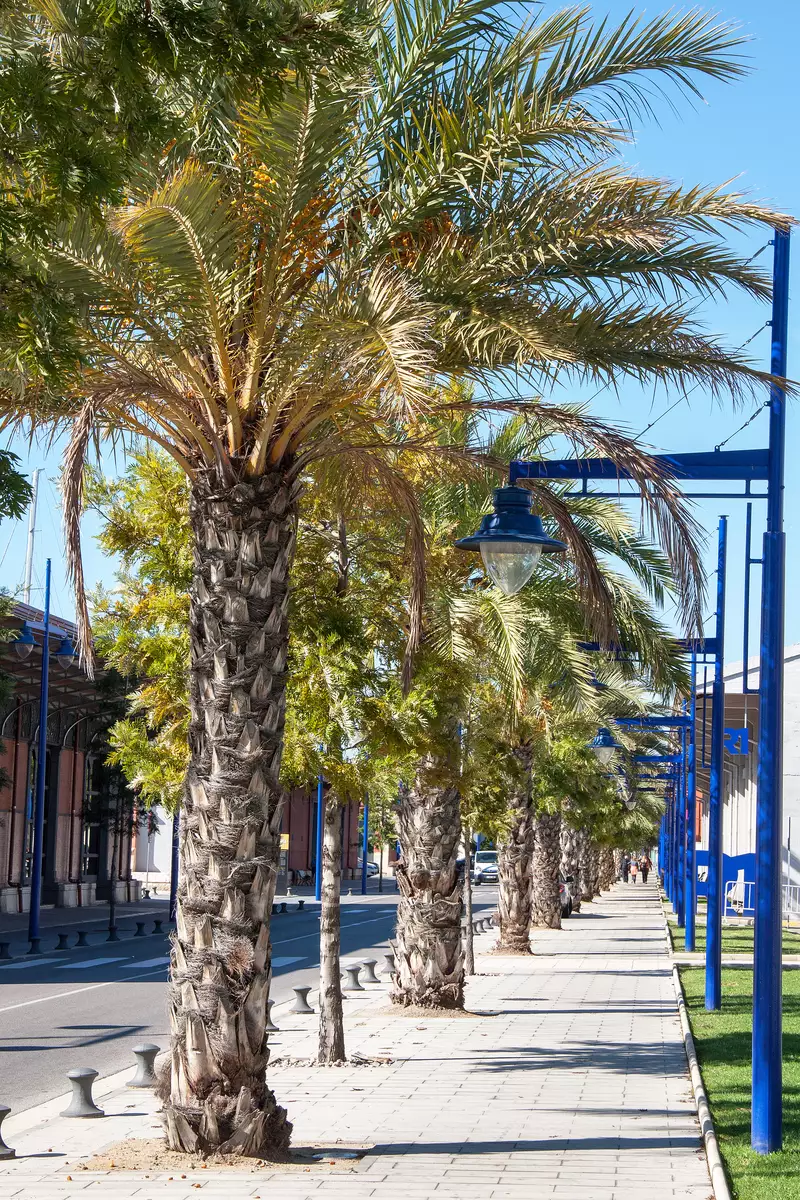
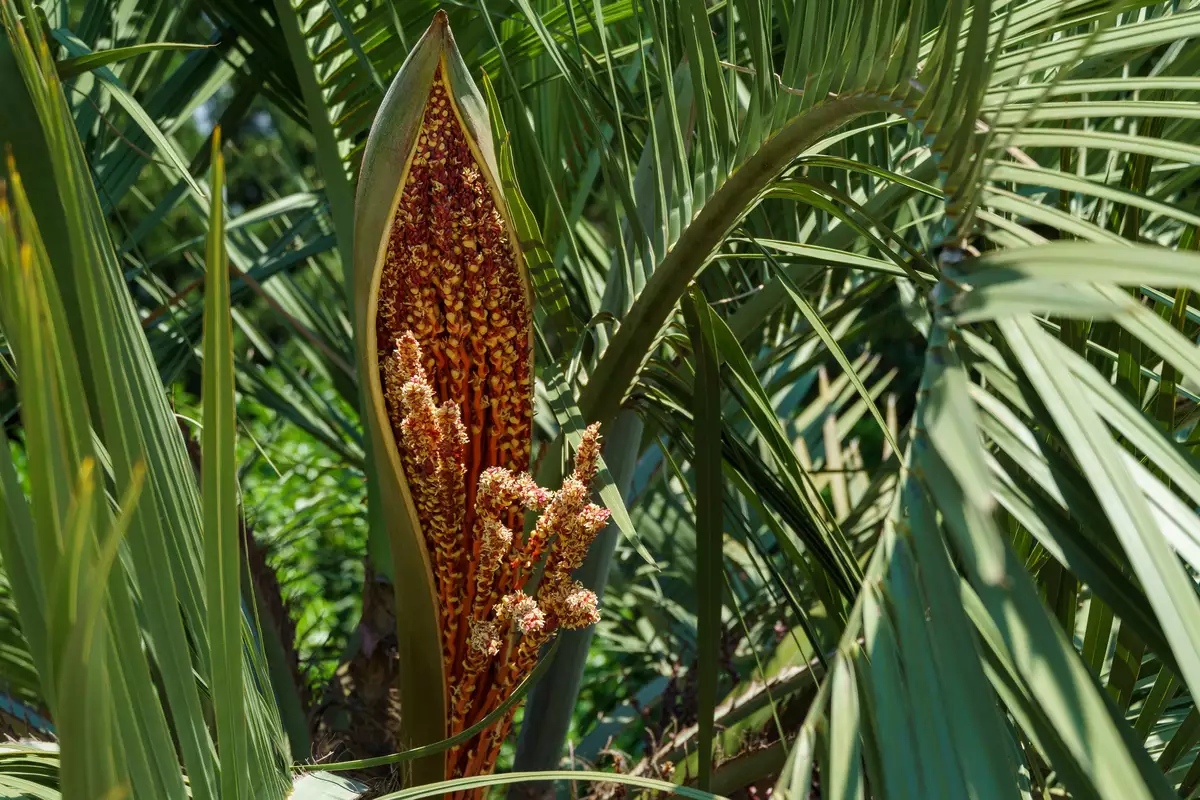
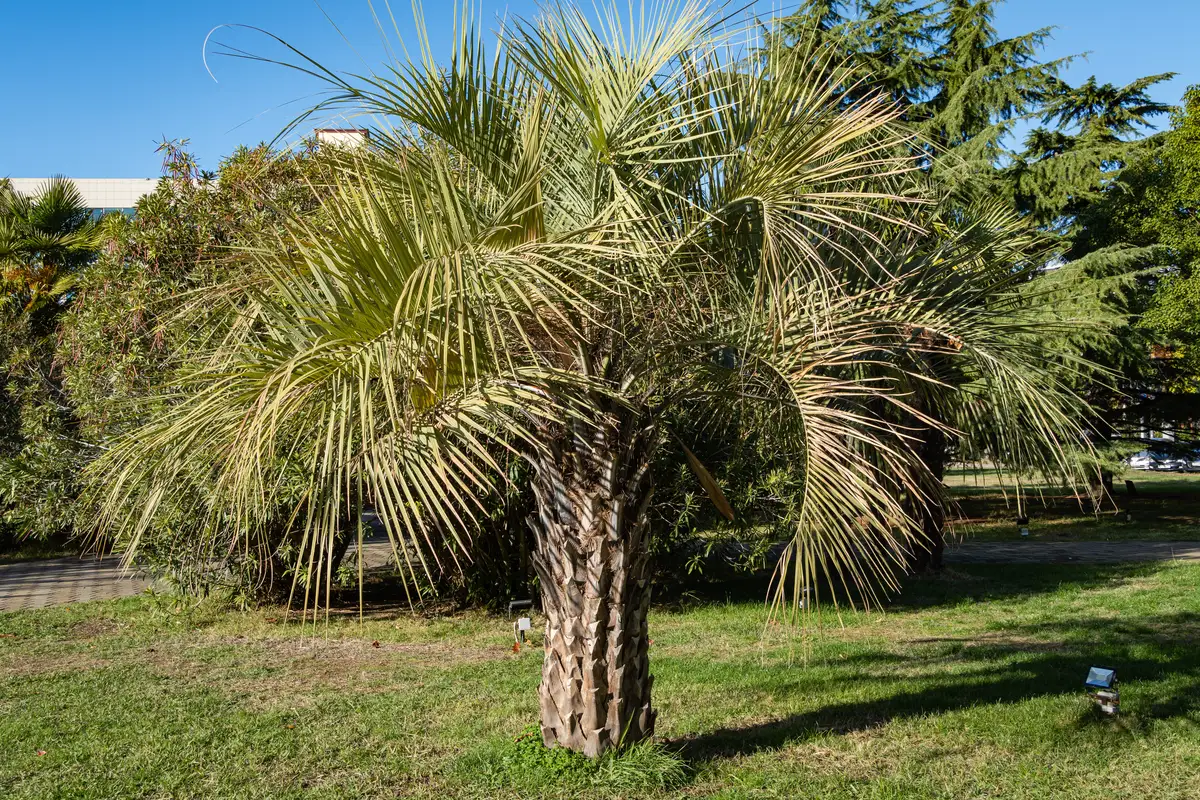
Introducing Butia capitata, also known as Jelly Palm, Coco Palm or Pindo Palm, a stunning addition to any garden or landscape. Native to Brazil and Uruguay, this palm tree grows up to 20 ft in height, with feather palm pinnate leaves that arch inwards towards a thick stout trunk.
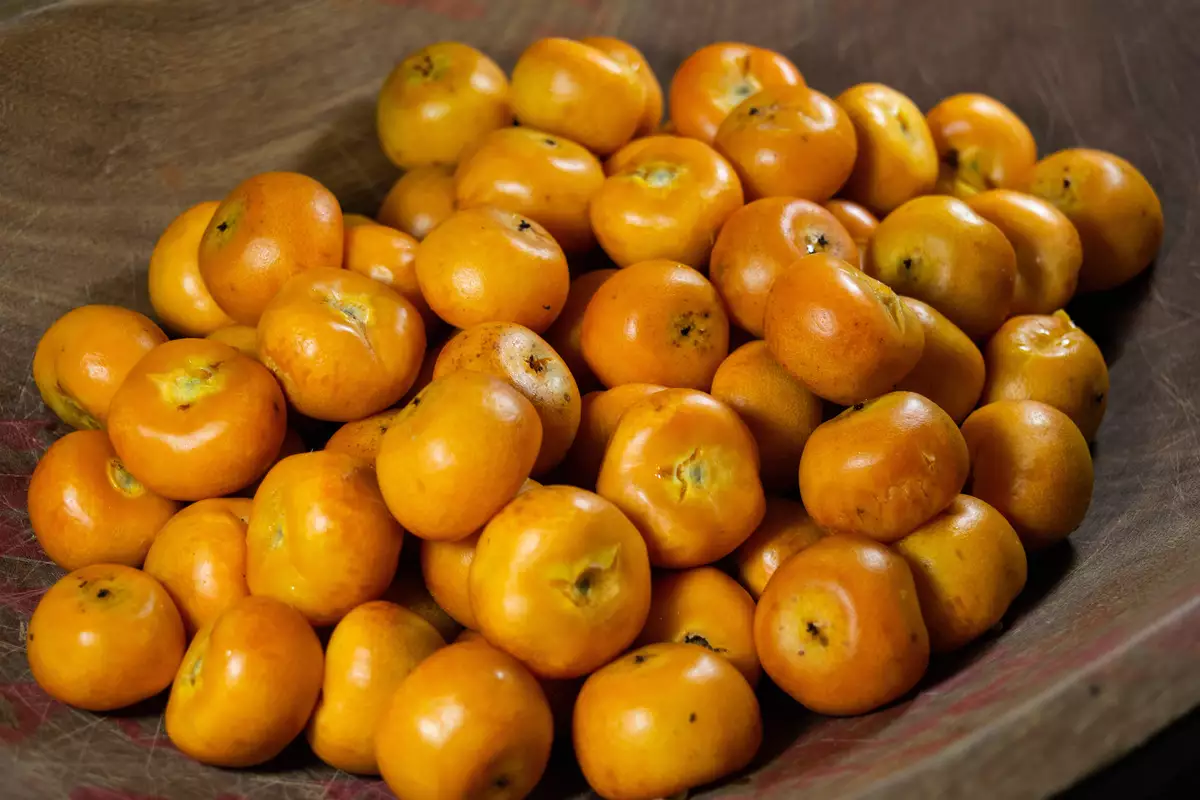
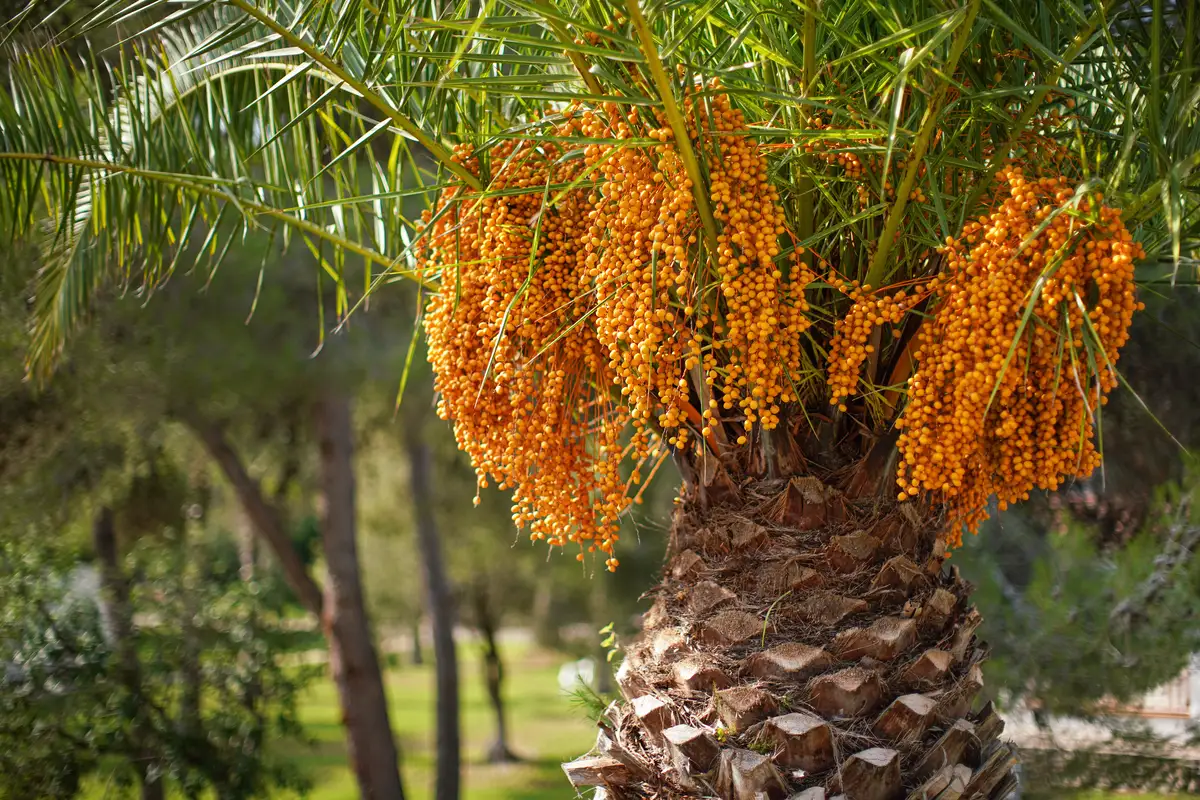
One of the most striking features of the Butia capitata is its beautiful fruit. The fruit is sweet and aromatic, with a flavor reminiscent of apricots. These fruits can be enjoyed fresh or used to create delicious jellies, jams, pies, and cakes. They are also highly fibrous, providing a unique texture to any dish.
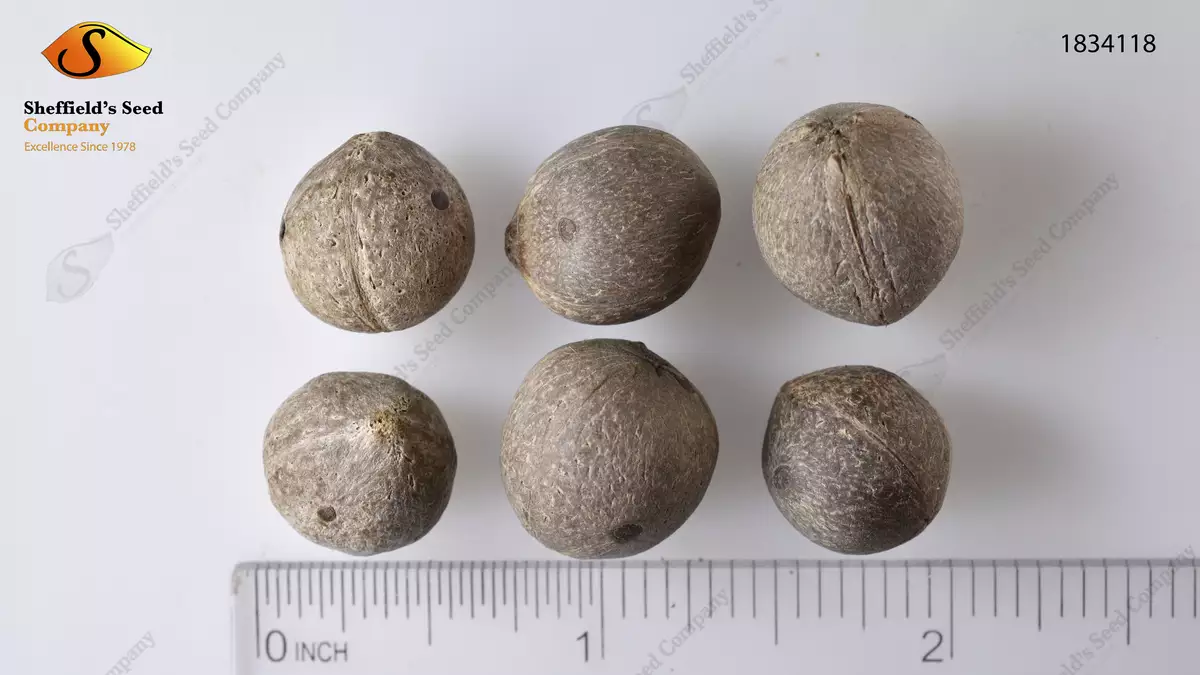
Butia capitata not only offers aesthetic beauty, but it also has practical uses. The seed of this palm contains up to 45% of an edible oil, commonly used in the production of margarines. The pith of the stem can even be made into a bread-like product.
While this palm is not notably hardy and is not widely cultivated, it is a true gem for those who appreciate its unique qualities. Butia capitata is a rare find that will undoubtedly become a talking point in any garden or landscape.

You might also like

Papaver somniferum

Papaver somniferum

Opium Poppy

Sequoia sempervirens

Sequoia sempervirens

California Redwood, Coast Redwood, Redwood

Sequoiadendron giganteum

Sequoiadendron giganteum

Bigtree, Giant Sequoia, Sierra Redwood, Sierran Redwood, Wellingtonia

Vaccinium corymbosum

Vaccinium corymbosum

Highbush Blueberry

(315) 497-1058
269 NY-34 Locke NY 13092
seed@sheffields.com

HOME - logo

Find us on: