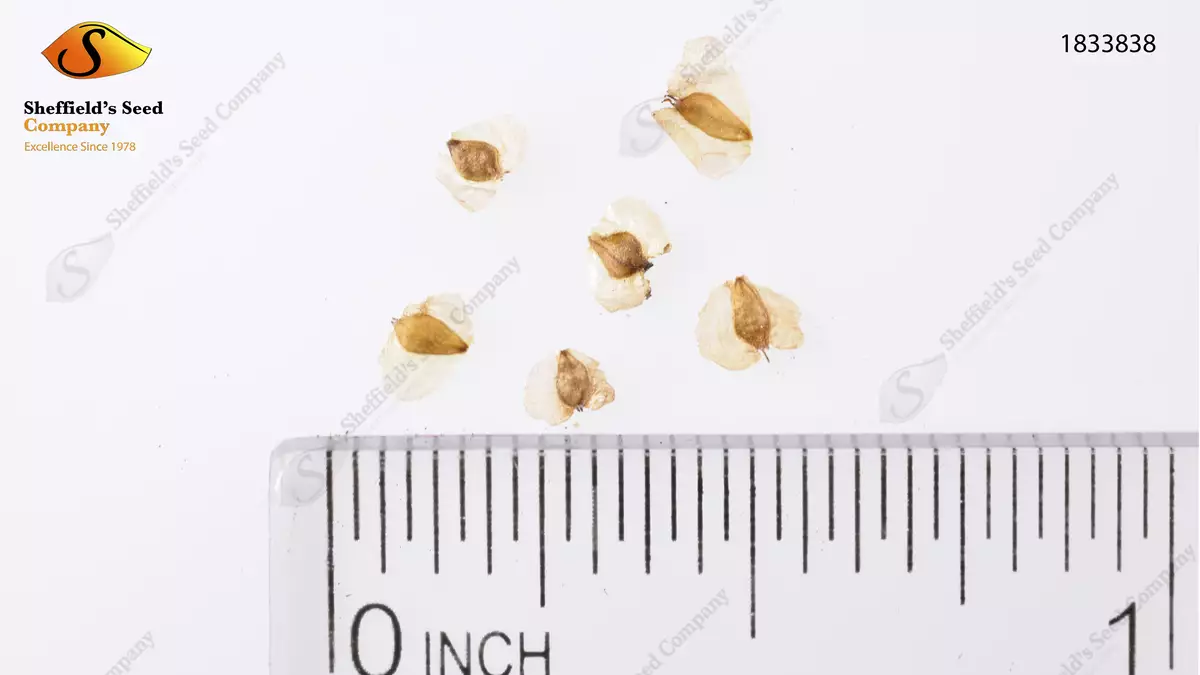
Germination: requires light for germination, surface sow and keep moist
Native to: Altay, Austria, Baltic States, Belarus, Belgium, Buryatiya, Central European Rus, Czechoslovakia, Denmark, East European Russia, Finland, France, Germany, Great Britain, Greenland, Hungary, Iceland, Iran, Ireland, Irkutsk, Italy, Khabarovsk, Krasnoyarsk, Netherlands, Newfoundland, North Caucasus, North European Russi, Northwest European R, Norway, Poland, Portugal, Romania, South European Russi, Spain, Sweden, Switzerland, Transcaucasus, Turkey, Ukraine, West Siberia, Yakutskiya, Yugoslavia
Introduced to: British Columbia, Connecticut, Føroyar, Indiana, Maine, Maryland, Massachusetts, Ohio, Pennsylvania, Vermont
Native
Introduced
Betula pubescensBetula pubescens
Downy Birch
In Stock: 0.588 lb (Total:0.587lb)
Betula pubescens
select i.*, as2.state_abbr
from inventory_item_manage i
left outer join sheffields_2017.address_states as2 on (as2.state_name = i.CollectionLocale or as2.state_abbr = i.CollectionLocale)
where i.inventory_id = '299'
group by i.id
Germination: requires light for germination, surface sow and keep moist
Native to: Altay, Austria, Baltic States, Belarus, Belgium, Buryatiya, Central European Rus, Czechoslovakia, Denmark, East European Russia, Finland, France, Germany, Great Britain, Greenland, Hungary, Iceland, Iran, Ireland, Irkutsk, Italy, Khabarovsk, Krasnoyarsk, Netherlands, Newfoundland, North Caucasus, North European Russi, Northwest European R, Norway, Poland, Portugal, Romania, South European Russi, Spain, Sweden, Switzerland, Transcaucasus, Turkey, Ukraine, West Siberia, Yakutskiya, Yugoslavia
Introduced to: British Columbia, Connecticut, Føroyar, Indiana, Maine, Maryland, Massachusetts, Ohio, Pennsylvania, Vermont
Native
Introduced
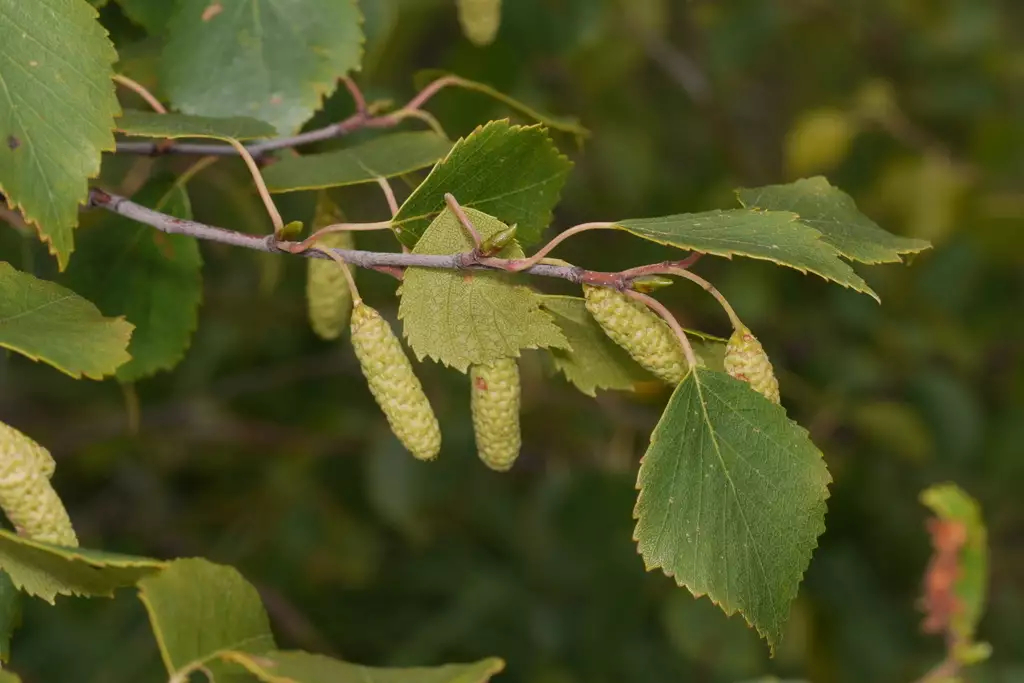
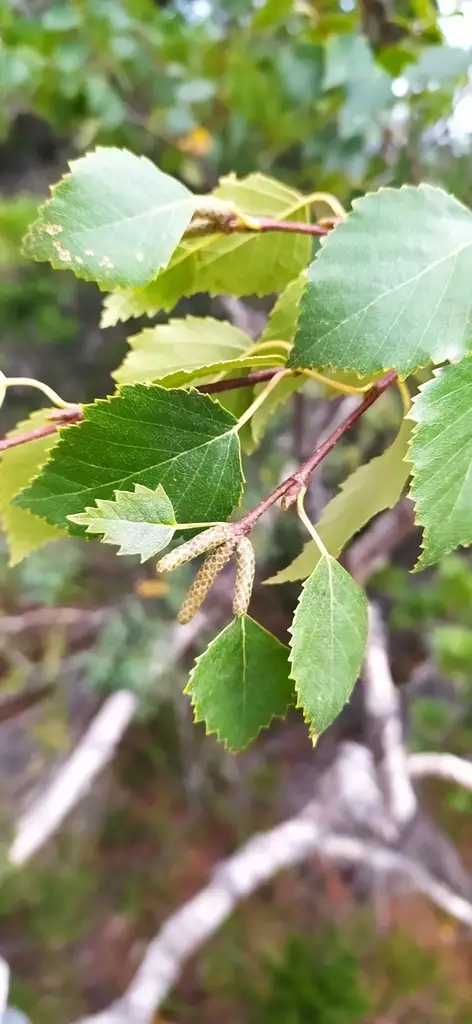
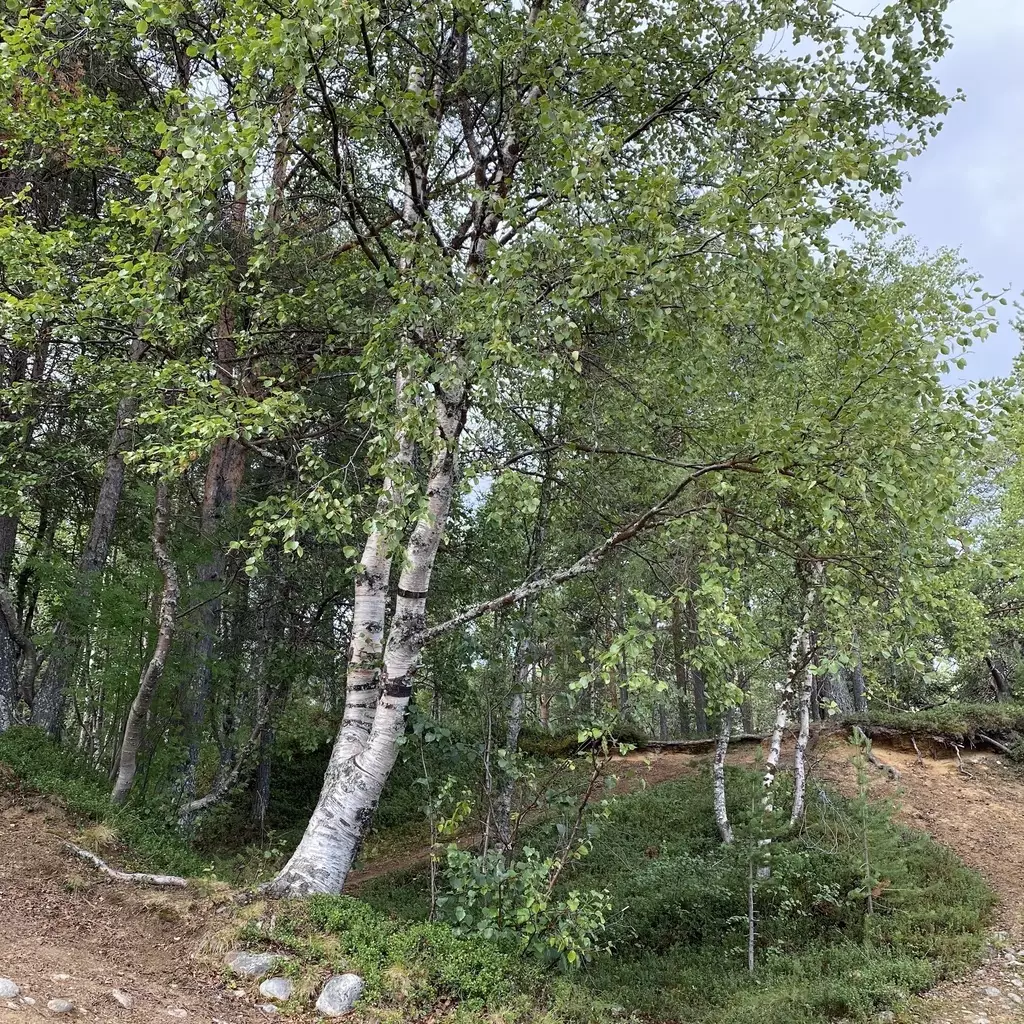
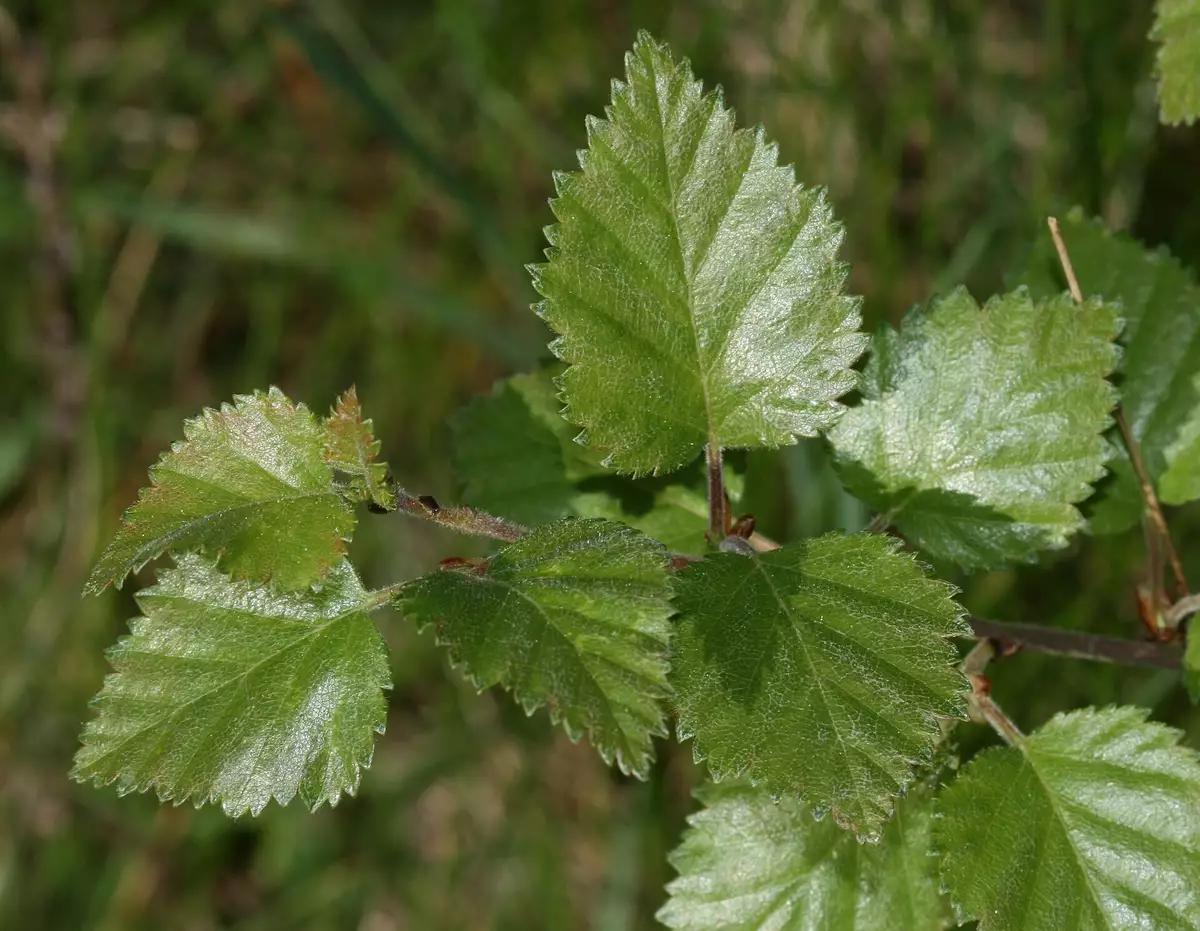
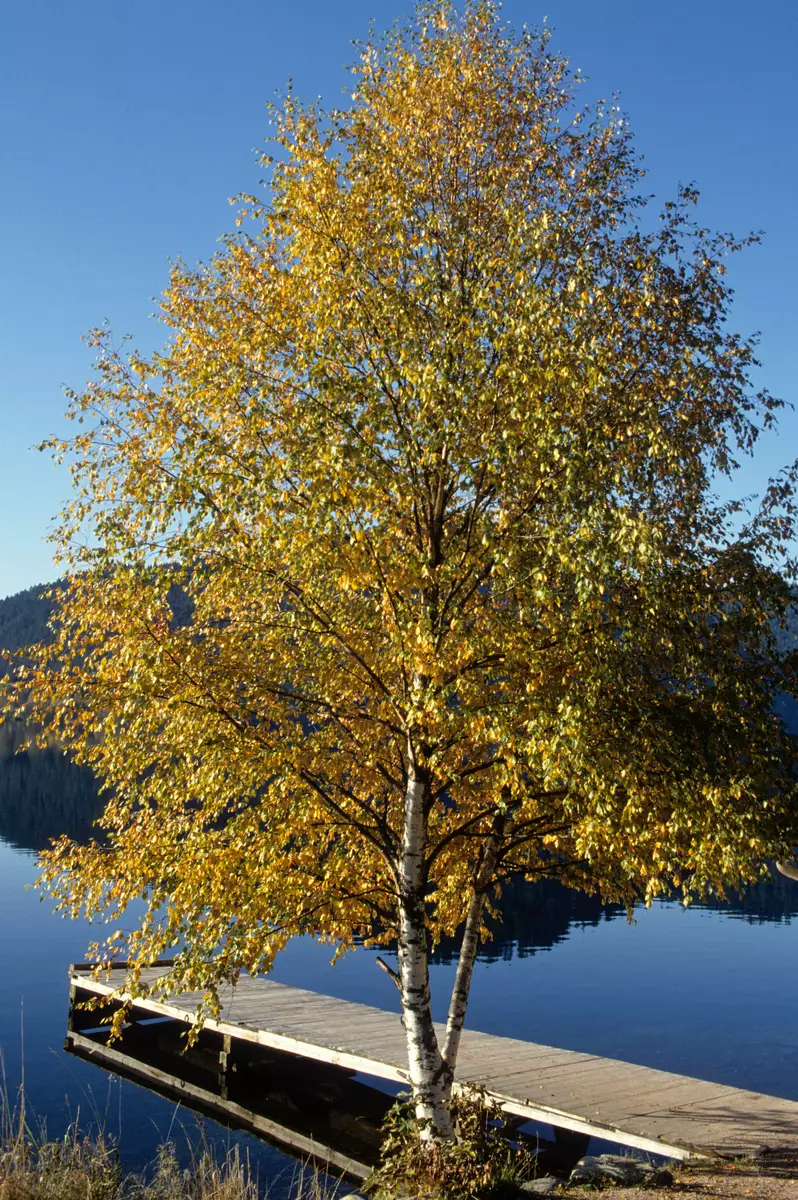
Betula pubescens, commonly known as Downy Birch or White Birch, is a remarkable species thriving across northern hemispheres, from the British Isles to northern Asia. This resilient native tree can reach towering heights of 30 meters, boasting an elegant canopy with drooping branches and distinctive grey-white bark adorned with horizontal grooves, setting it apart from its close cousin, the Silver Birch. The leaves are uniquely triangular with a downy stalk, while the tree's twigs display a soft, fuzzy texture.
Downy Birch is not just a sight to behold but a vital component of its ecosystem, fostering over 300 insect species and providing a lush habitat for various fungi and nesting birds. Its leaves nourish aphids, forming the base of a rich food web, attracting predators like ladybirds as well as caterpillars of numerous moth species. The birch's catkins, flourishing from April to May, contribute to its mystique—long, yellow-brown male catkins contrast with bright green, smaller female catkins, turning crimson after pollination.
Culturally, Downy Birch symbolizes renewal and purity. Historically used in Celtic rituals and Scottish folklore, it represents rebirth and fertility. Its wood, known for toughness, has served multiple purposes—from furniture to traditional bobbins, while its sap, harvested in spring, yields refreshing drinks.
In modern forestry, Downy Birch is both a boon and a challenge. While its rapid growth allows it to colonize landscapes, concerns over dieback caused by pathogens like Marssonina betulae exist. Despite this, the birch's pioneering nature and ecological significance underline its potential in sustainable forestry.








_-_Flickr_-_S._Rae.jpg)