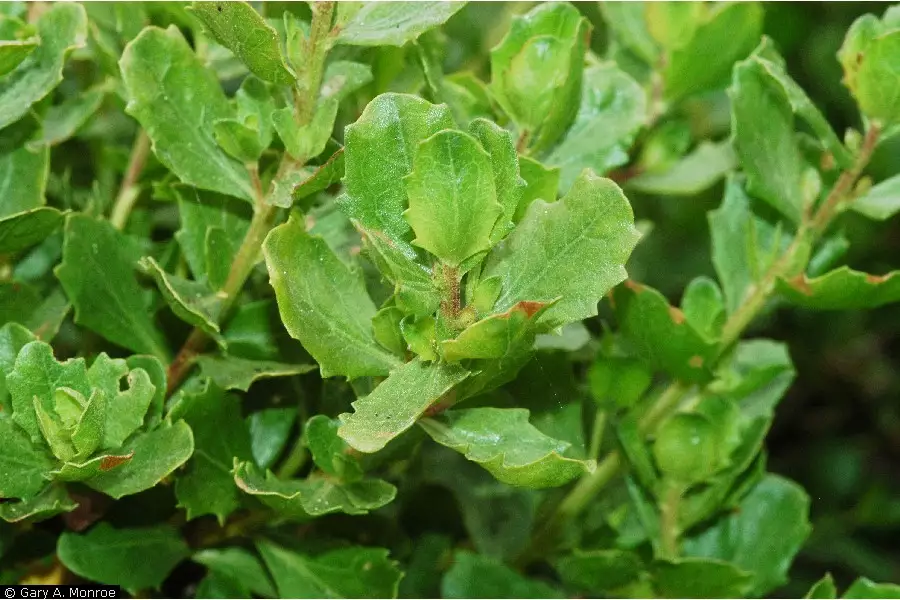
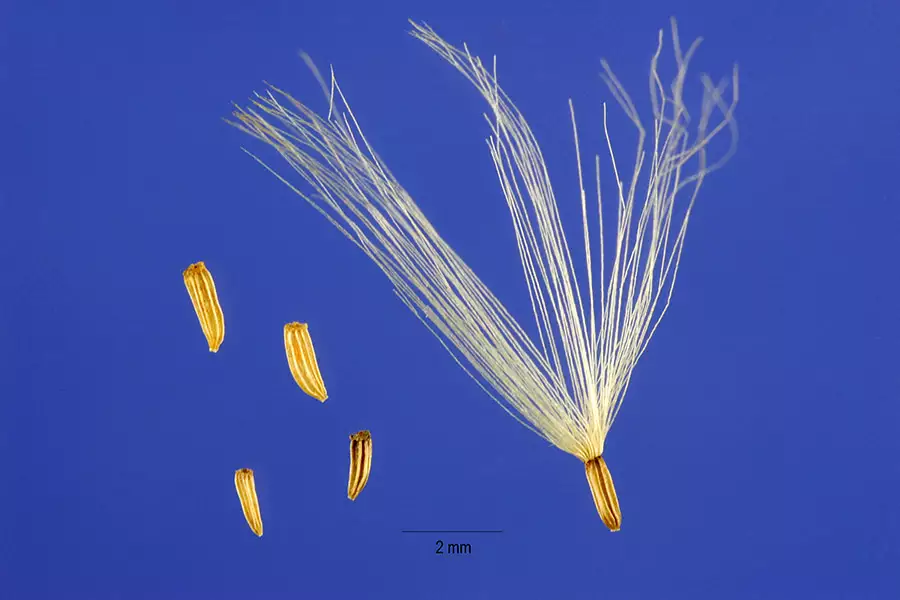
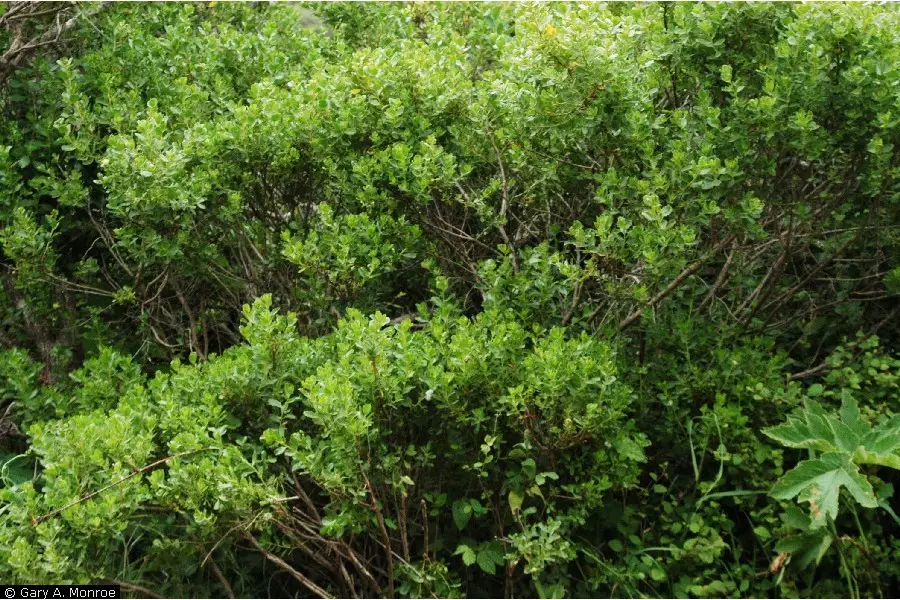
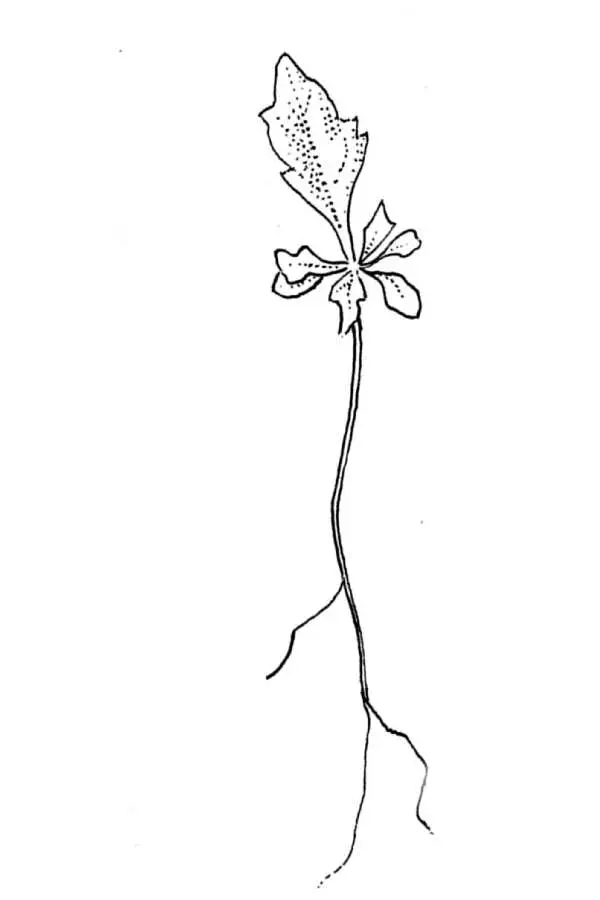
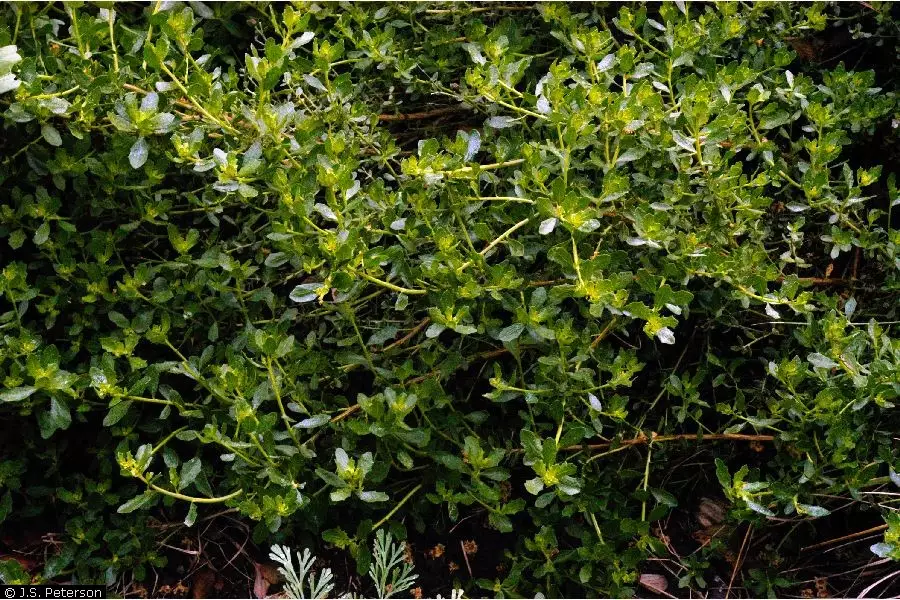
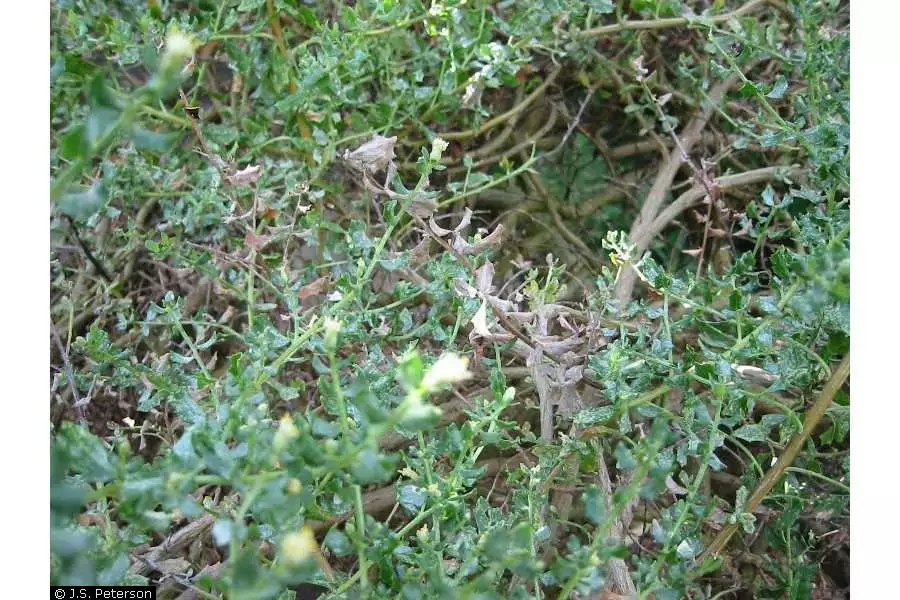
[ edit ] Description This shrub is generally smaller than 3 meters in height. It is glabrous and generally sticky. The stems are prostrate to erect which branches spreading or ascending. The leaves are 8–55 mm long and are entire to toothed and oblanceolate to obovate, with three principal veins. The heads are in a leafy panicle. The involucres are hemispheric to bell shaped. This species is dioecious (pistillate and staminate flowers occur on separate plants). Both staminate and pistillate heads are 3.5–5 mm long. Phyllaries are in 4–6 series, ovate, and glabrous. The receptacles are convex to conic and honeycombed. The staminate flowers range from 20–30 and there are 19–43 pistillate flowers. They are found in a variety of habitats, from coastal bluffs to oak woodlands. Erect plants are generally mixed (and intergrade completely) with prostrate plants.It is known as a secondary pioneer plant in communities such as coastal sage scrub and chaparral. In California grasslands, it comes in late and invades and increases in the absence of fire or grazing. Coyote bush invasion of grasslands is important because it helps the establishment of other coastal sage species. Coyote bush is common in coastal sage scrub, but it does not regenerate under a closed shrub canopy because seedling growth is poor in the shade. Coast live oak, California bay, or other shade tolerant species replace coastal sage scrub and other coyote bush-dominated areas, particularly when there hasn't been fire and grazing.
Physical Characteristics
 Baccharis pilularis is an evergreen Shrub growing to 0.5 m (1ft 8in). It is hardy to zone 8. It is in flower from Jul to August. The flowers are hermaphrodite (have both male and female organs) and are pollinated by Insects. The plant prefers light (sandy), medium (loamy) and heavy (clay) soils, requires well-drained soil and can grow in nutritionally poor soil.The plant prefers acid, neutral and basic (alkaline) soils..It cannot grow in the shade.It requires dry or moist soil.The plant can tolerate maritime exposure.
Physical Characteristics
: An evergreen Shrub growing to 0.5 m (1ft 8in). It is hardy to zone 8. It is in flower from Jul to August. The flowers are hermaphrodite (have both male and female organs) and are pollinated by Insects. The plant prefers light (sandy), medium (loamy) and heavy (clay) soils, requires well-drained soil and can grow in nutritionally poor soil.The plant prefers acid, neutral and basic (alkaline) soils..It cannot grow in the shade.It requires dry or moist soil.The plant can tolerate maritime exposure.
Description This shrub is generally smaller than 3 meters in height. It is glabrous and generally sticky. The stems are prostrate to erect which branches spreading or ascending. The leaves are 8–55 mm long and are entire to toothed and oblanceolate to obovate, with three principal veins. The heads are in a leafy panicle. The involucres are hemispheric to bell shaped. This species is dioecious (pistillate and staminate flowers occur on separate plants). Both staminate and pistillate heads are 3.5–5 mm long. Phyllaries are in 4–6 series, ovate, and glabrous. The receptacles are convex to conic and honeycombed. The staminate flowers range from 20–30 and there are 19–43 pistillate flowers. They are found in a variety of habitats, from coastal bluffs to oak woodlands. Erect plants are generally mixed (and intergrade completely) with prostrate plants.It is known as a secondary pioneer plant in communities such as coastal sage scrub and chaparral. In California grasslands, it comes in late and invades and increases in the absence of fire or grazing. Coyote bush invasion of grasslands is important because it helps the establishment of other coastal sage species. Coyote bush is common in coastal sage scrub, but it does not regenerate under a closed shrub canopy because seedling growth is poor in the shade. Coast live oak, California bay, or other shade tolerant species replace coastal sage scrub and other coyote bush-dominated areas, particularly when there hasn't been fire and grazing.