0
Close
2 / 6
3 / 6
4 / 6
5 / 6
6 / 6

AdobeStock

Growing Info

Scarification
Scarification: Soak in water, let stand in water for 24 hours
Stratification
Stratification: cold stratify for 90 days
Germination
Germination: sow seed 3/8" deep, tamp the soil, mulch the seed bed

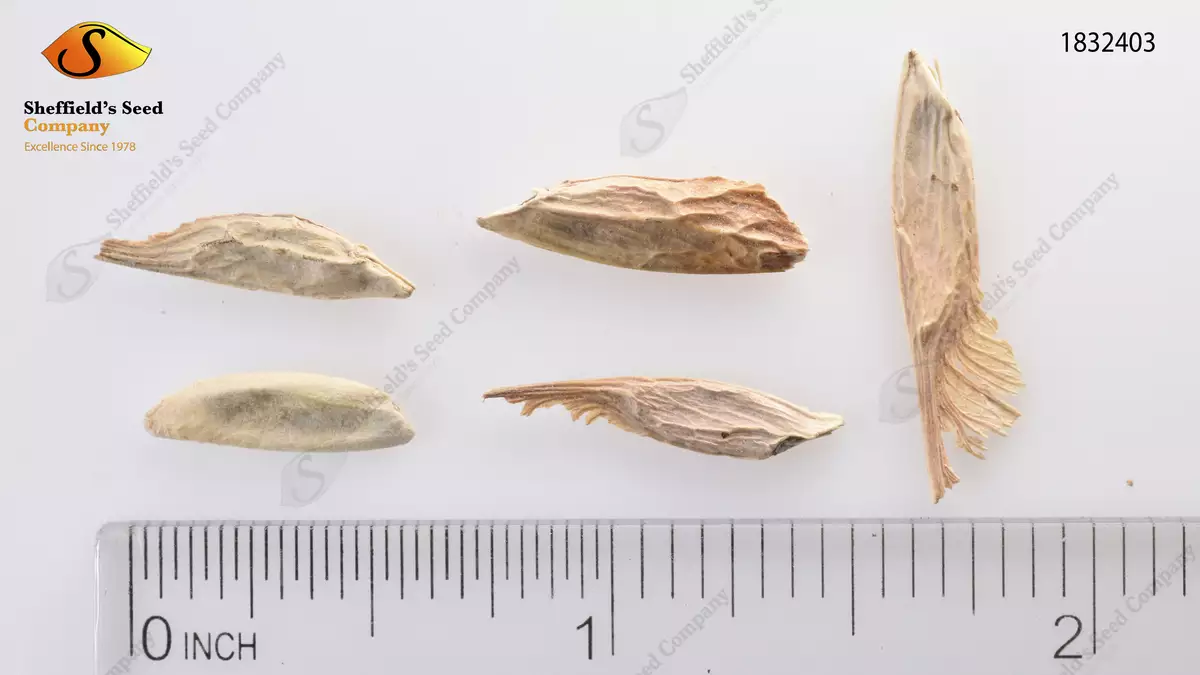
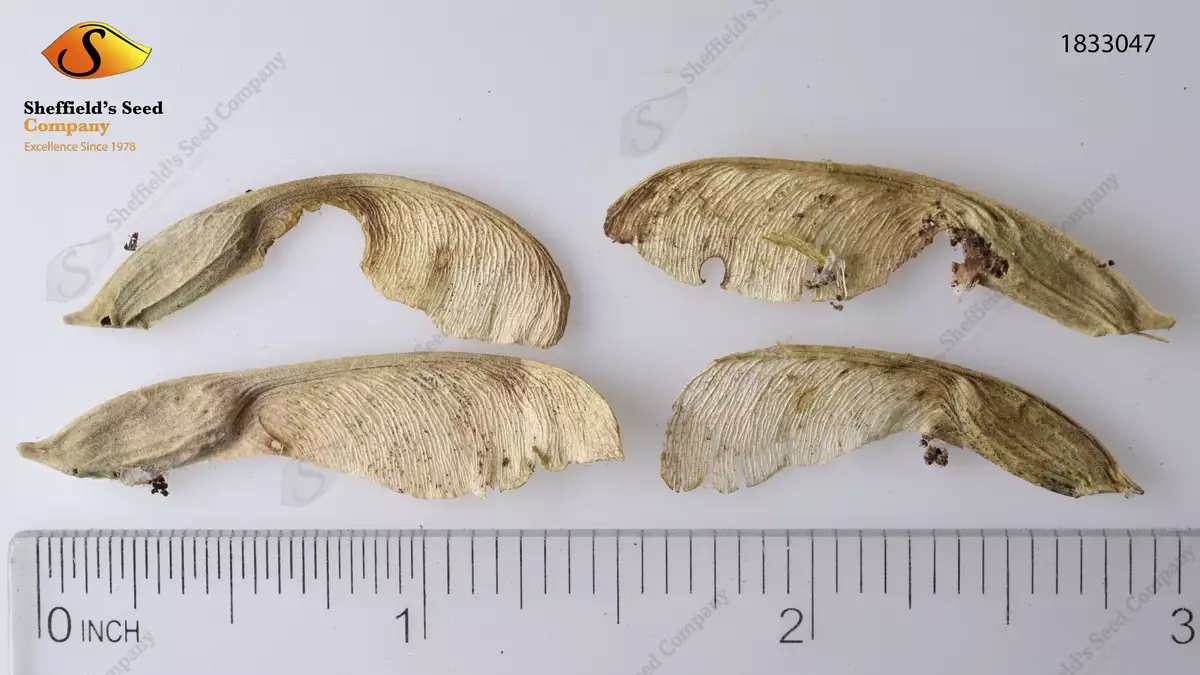
Other: mechanical rupture of the pericarp is recommended before stratification 

Native to: Colorado, Connecticut, Idaho, Illinois, Indiana, Iowa, Kansas, Kentucky, Maine, Massachusetts, Michigan, Minnesota, Missouri, Montana, Nebraska, New Jersey, North Dakota, Ohio, Oklahoma, Rhode I., South Dakota, Washington, Wyoming
Native
Introduced

Acer negundo

Ash-leaved Maple, Ashleaf Maple, Box Elder, Boxelder, Manitoba Maple

  • Acer negundo

Please select the quantity desired, and we will advise availability and price as soon as possible.

Details

Min. hardiness zone:
2

Growing Info

Scarification
Scarification: Soak in water, let stand in water for 24 hours
Stratification
Stratification: cold stratify for 90 days
Germination
Germination: sow seed 3/8" deep, tamp the soil, mulch the seed bed

Other: mechanical rupture of the pericarp is recommended before stratification 

Native to: Colorado, Connecticut, Idaho, Illinois, Indiana, Iowa, Kansas, Kentucky, Maine, Massachusetts, Michigan, Minnesota, Missouri, Montana, Nebraska, New Jersey, North Dakota, Ohio, Oklahoma, Rhode I., South Dakota, Washington, Wyoming
Native
Introduced
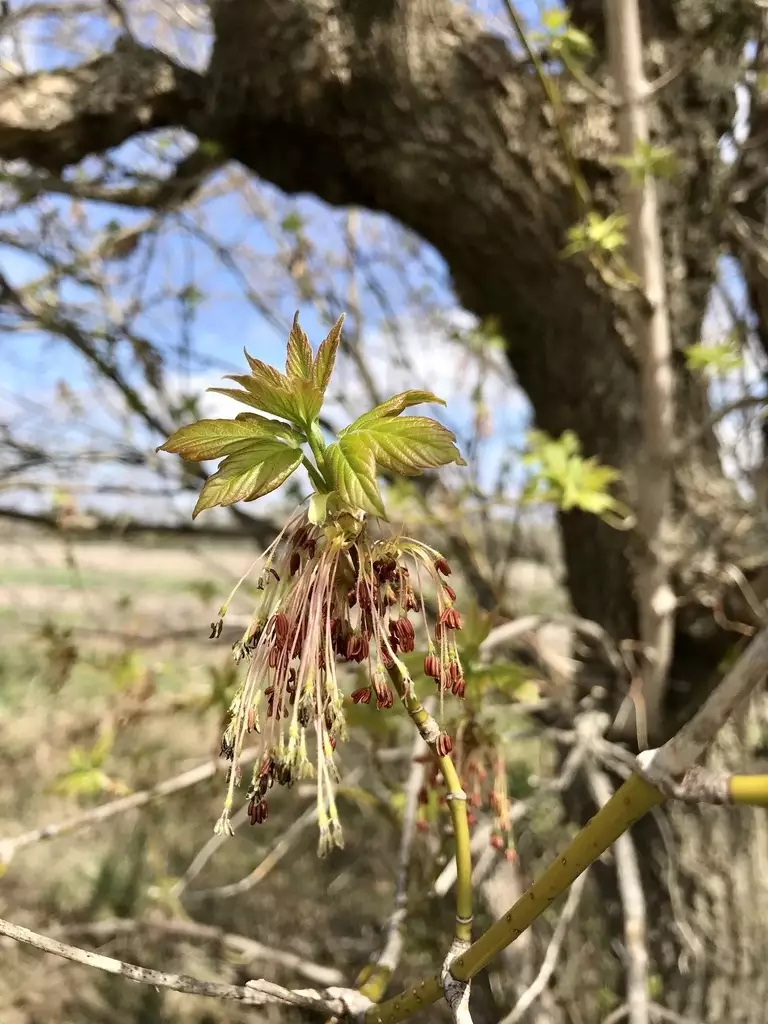
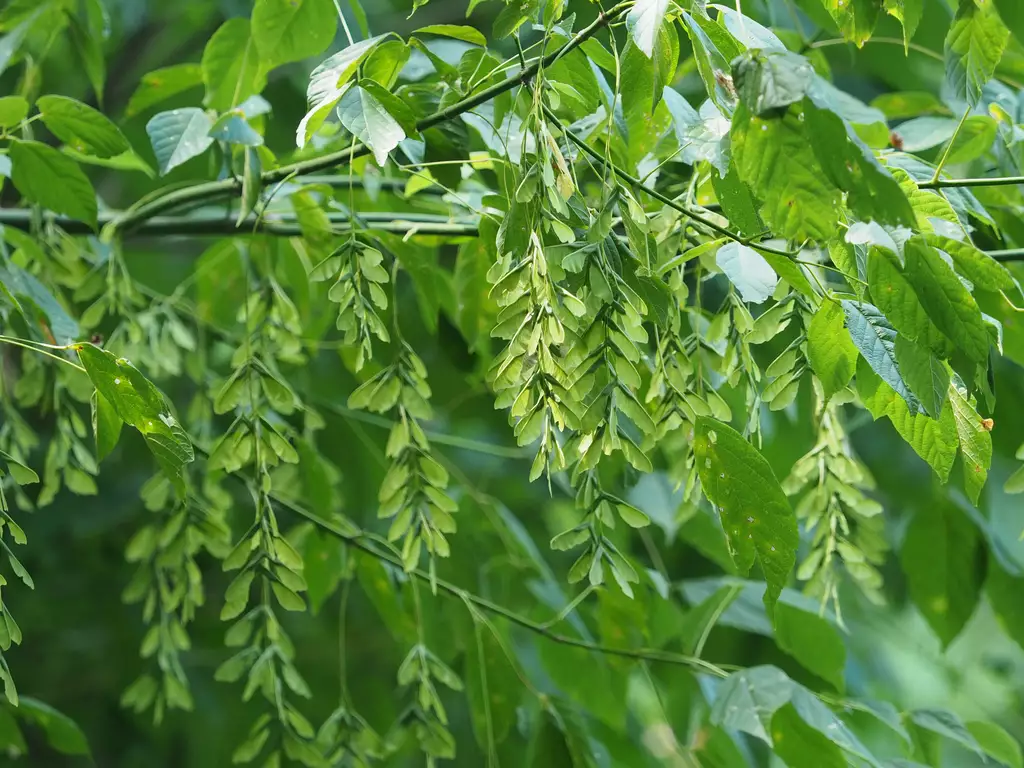
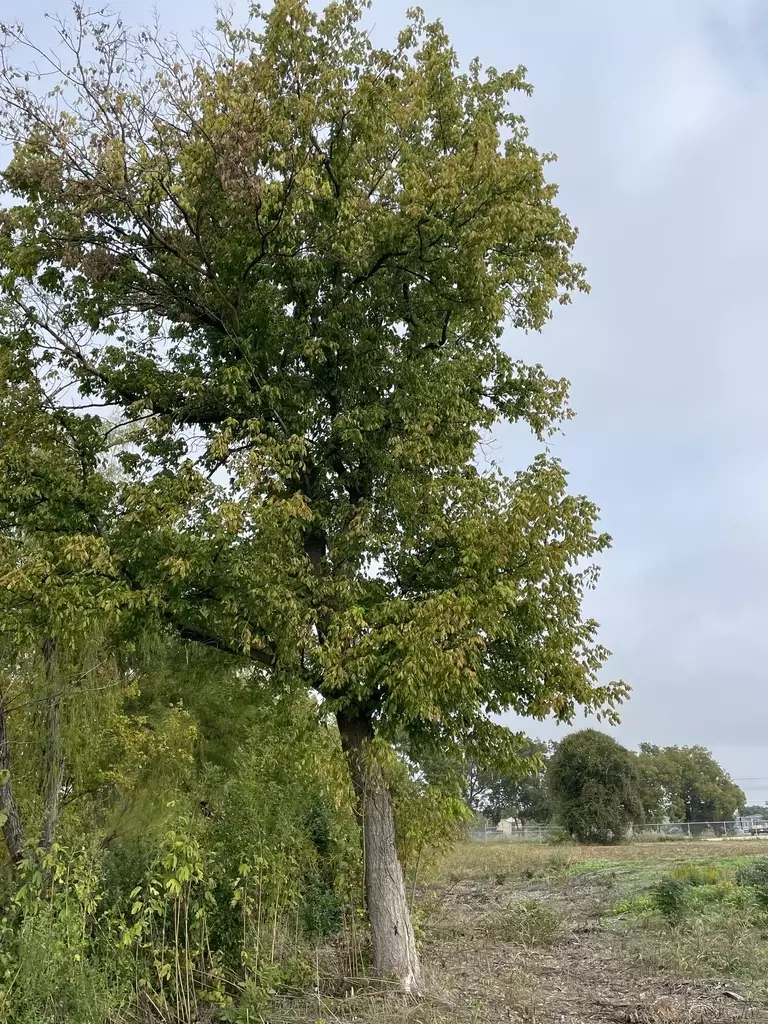
Acer negundo, commonly known as Ash-leaved Maple, Box Elder, or Manitoba Maple, is a versatile, resilient tree that's perfect for those challenging corners of your landscape. Native to North America, this deciduous wonder thrives across various USDA zones, from 2 to 10, reaching heights and spreads of 30-50 feet. With its rapid growth and adaptability, Box Elder is ideal for urban conditions, tolerating drought, clay soil, and even black walnut trees, though it prefers full sun and medium to wet soils.

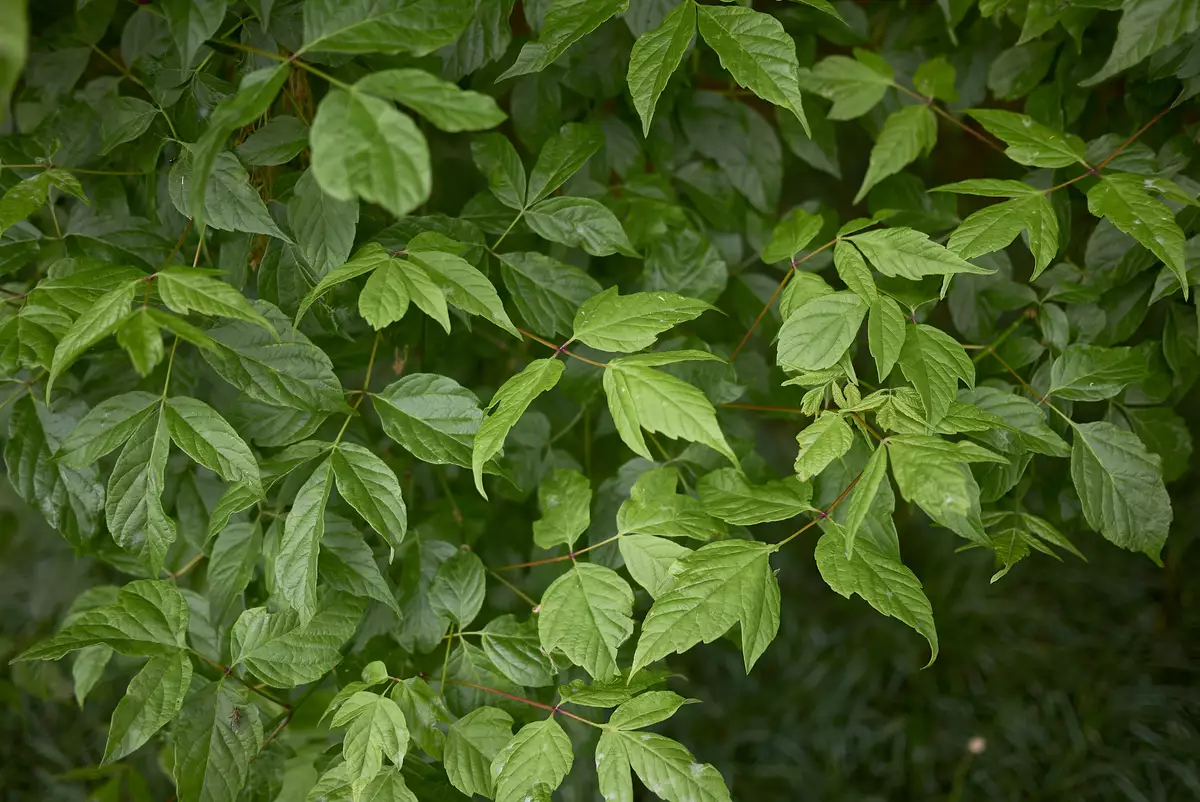
As a member of the maple family (Sapindaceae), Box Elder boasts distinctive odd-pinnate compound leaves, typically with 3-5 toothed leaflets, resembling those of the elder, from which it derives its common name. In spring, it blooms with greenish-yellow flowers that, while not showy, lead to abundant samaras loved by bird species like the evening grosbeak. Although its sap isn't as sweet as that of the sugar maple, it can still be harvested for syrup.

Perfect for naturalized areas along lakes and streams or as a windbreak, Box Elder is dioecious, with separate male and female trees, the former being more prized for residential landscapes due to fewer seeds. While it may have weak-wooded branches susceptible to breakage, and be a host for boxelder bugs and some diseases, its resilience in tough climates renders it invaluable where other trees may fail. Embrace Box Elder for its unmatched adaptability and unique charm.

You might also like

Papaver somniferum

Papaver somniferum

Opium Poppy

Sequoia sempervirens

Sequoia sempervirens

California Redwood, Coast Redwood, Redwood

Sequoiadendron giganteum

Sequoiadendron giganteum

Bigtree, Giant Sequoia, Sierra Redwood, Sierran Redwood, Wellingtonia

Vaccinium corymbosum

Vaccinium corymbosum

Highbush Blueberry

(315) 497-1058
269 NY-34 Locke NY 13092
seed@sheffields.com

HOME - logo

Find us on: