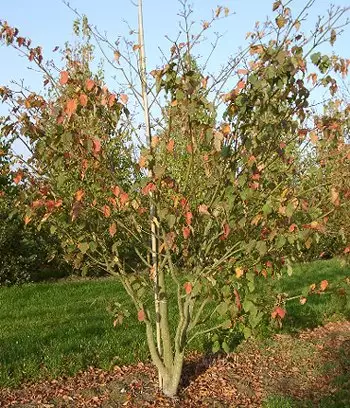
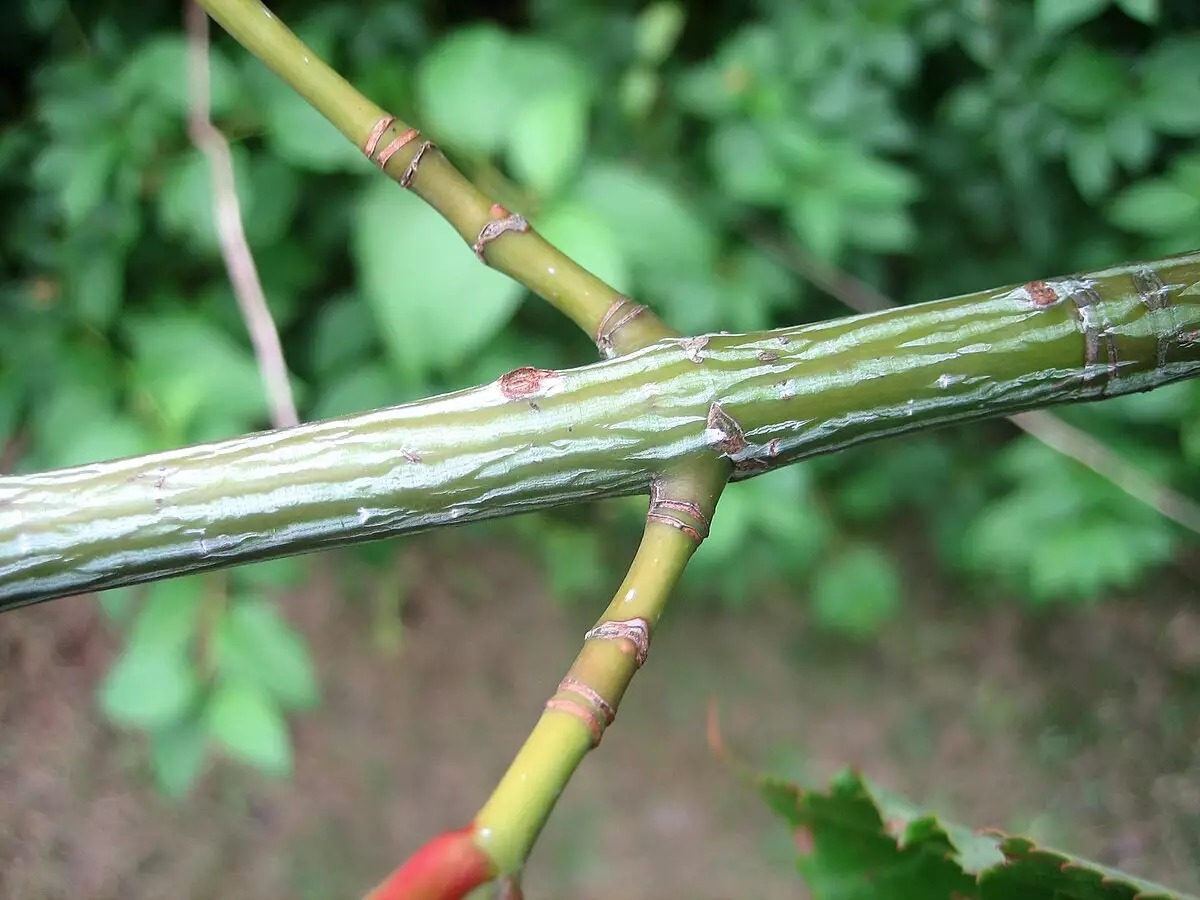
Acer capillipes, commonly known as the Red Snakebark Maple or Snake-bark Maple, is a captivating deciduous tree hailing from mountainous areas in Japan. Esteemed for its distinct snake-like olive-green bark adorned with fine, white vertical stripes. This tree grows up to 40' tall, and its dense, arching branches often flourish as a large multi-stemmed shrub in the wild.
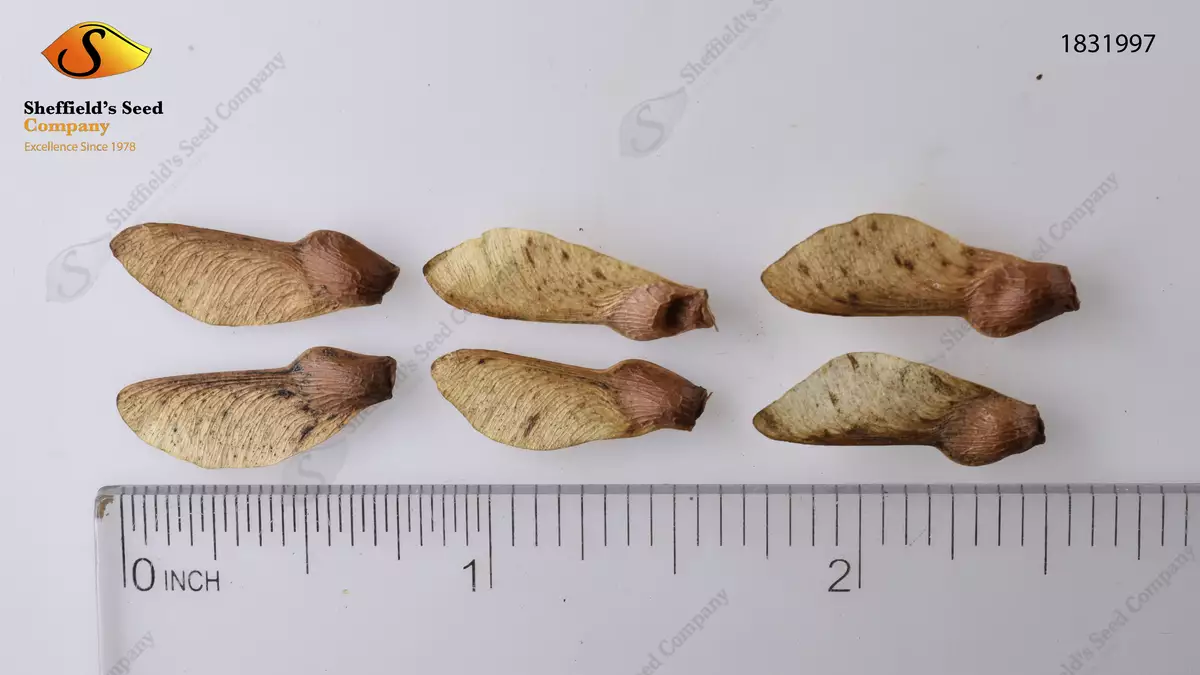
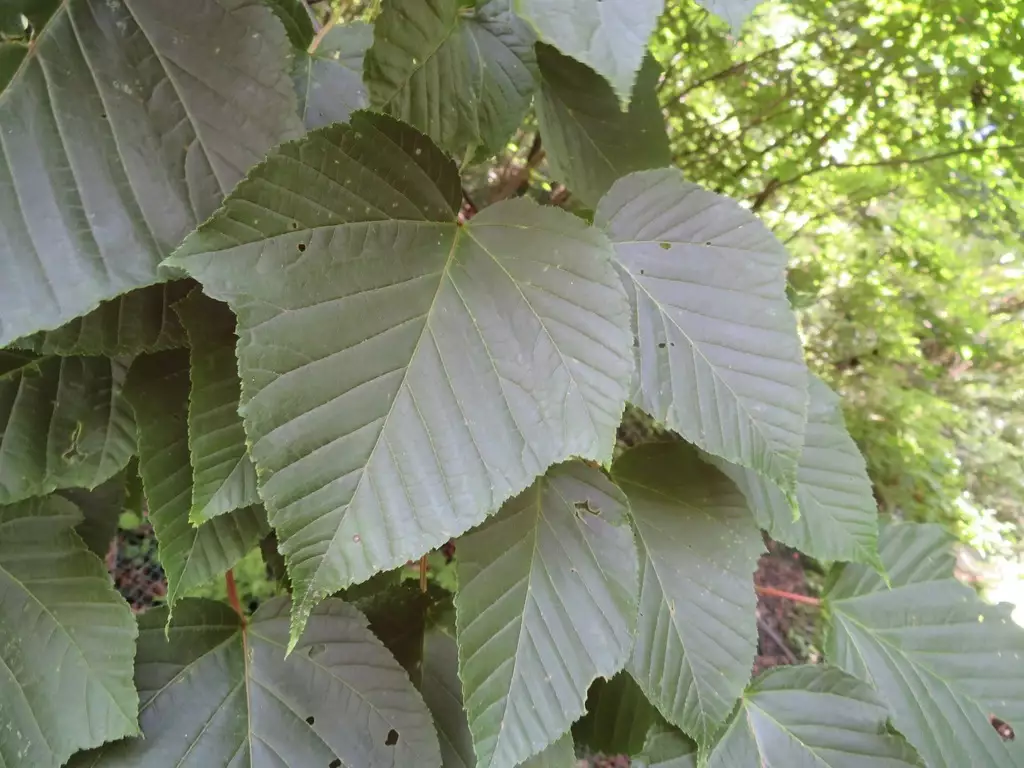
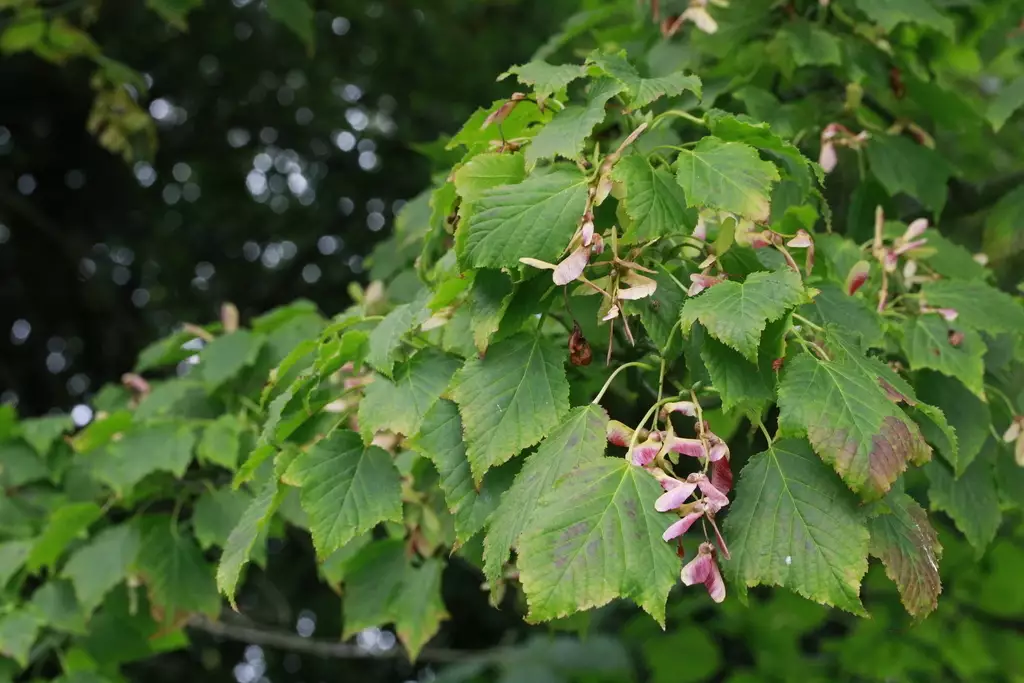
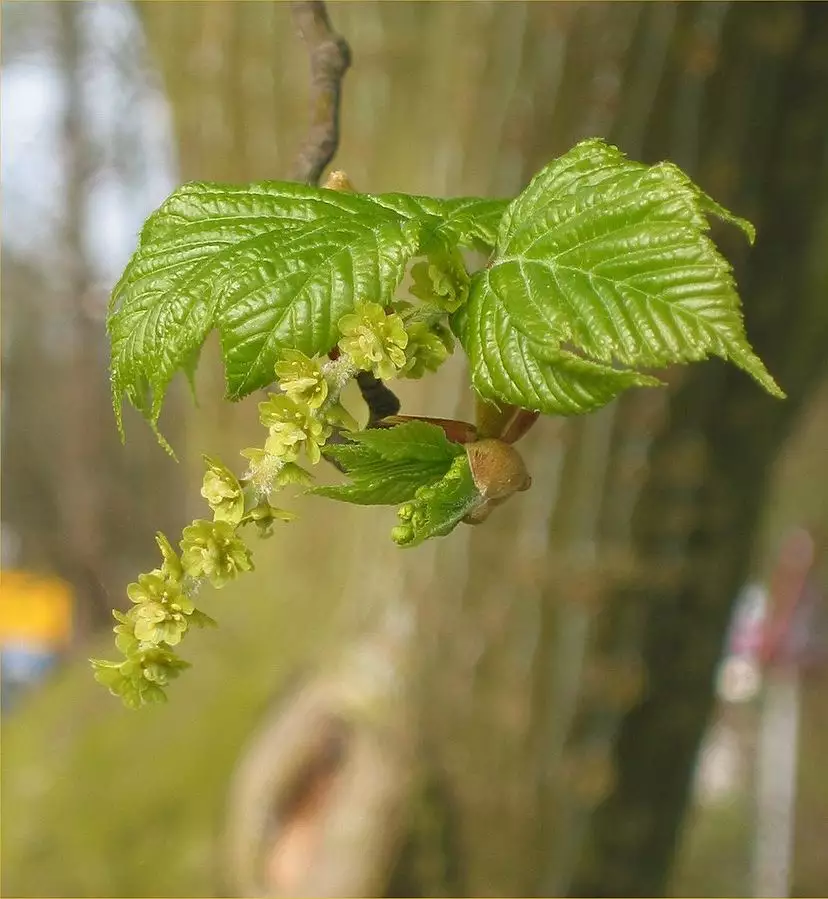
The leaves are reddish upon emergence in spring, maturing to a dark green then transforming to a vibrant orange-red in fall, providing an eye-catching display. Its greenish-white flowers bloom in spring, followed by winged samaras.
Acer capillipes is part of the Sapindaceae (soapberry) family, a low maintenance plant adaptable to average, medium moisture, well-drained soils. For optimal results, plant it in part shade especially in hotter climates. Furthermore, it has a preference for acidic soils that are kept moist. Given its likeness for cool summer climates, its growth performance is impeccable.
A curious fact about Acer capillipes, the genus Acer denotes maple whereas the species name capillipes translates to 'hair foot' in Latin. This is in reference to its thin flower and fruit stalks. Despite not being commonly found in cultivation, it makes a stunning shade or street tree. However, its availability may vary. Bring visual interest to your landscape with this unique tree!








.jpg)

.jpg)