0
Close
1 / 6
2 / 6

AdobeStock

3 / 6

AdobeStock

4 / 6

AdobeStock

5 / 6

AdobeStock

6 / 6

AdobeStock

Growing Info

Scarification
Scarification: Soak in water, let stand in water for 24 hours, repeat process daily for 4 days
Stratification
Stratification: cold stratify for 90 days
Germination
Germination: surface sow and keep moist, tamp the soil, keep moist, mulch the seed bed, can be sown outdoors in the fall for spring germination

Native to: Russia
Native
Introduced

Morus alba

var. tatarica

Russian Mulberry, Tatarian White Mulberry

In Stock: 1.795 lb (Total:1.795lb)
  • Morus alba Tatarica

    All items have bulk rates priced in
select i.*, as2.state_abbr from inventory_item_manage i left outer join sheffields_2017.address_states as2 on (as2.state_name = i.CollectionLocale or as2.state_abbr = i.CollectionLocale) where i.inventory_id = '892' group by i.id

Buying options

1.79 lb

Details

Germination:
91%
Germination test:
Cut (Full Seed)
Purity:
99%
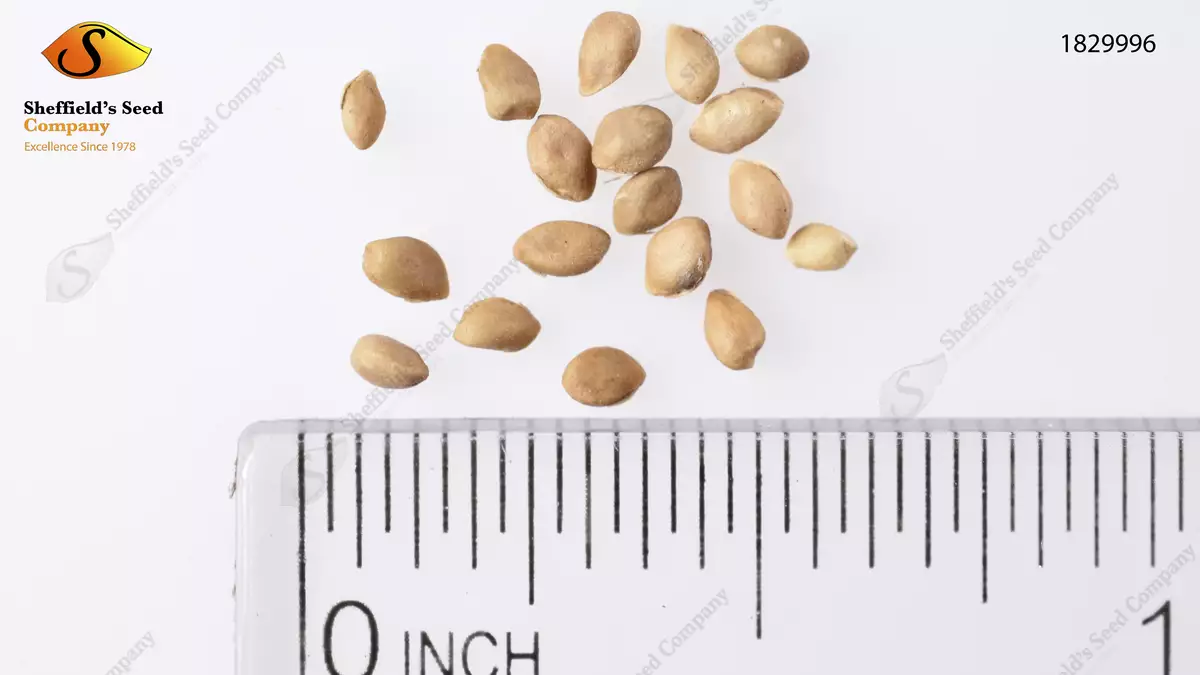
Seeds per lb:
264,380
Quantity:
1.79 lb
Collected in:
Russia
Crop year:
2025
Min. hardiness zone:
3
Item ID:
1837591

Growing Info

Scarification
Scarification: Soak in water, let stand in water for 24 hours, repeat process daily for 4 days
Stratification
Stratification: cold stratify for 90 days
Germination
Germination: surface sow and keep moist, tamp the soil, keep moist, mulch the seed bed, can be sown outdoors in the fall for spring germination

Native to: Russia
Native
Introduced
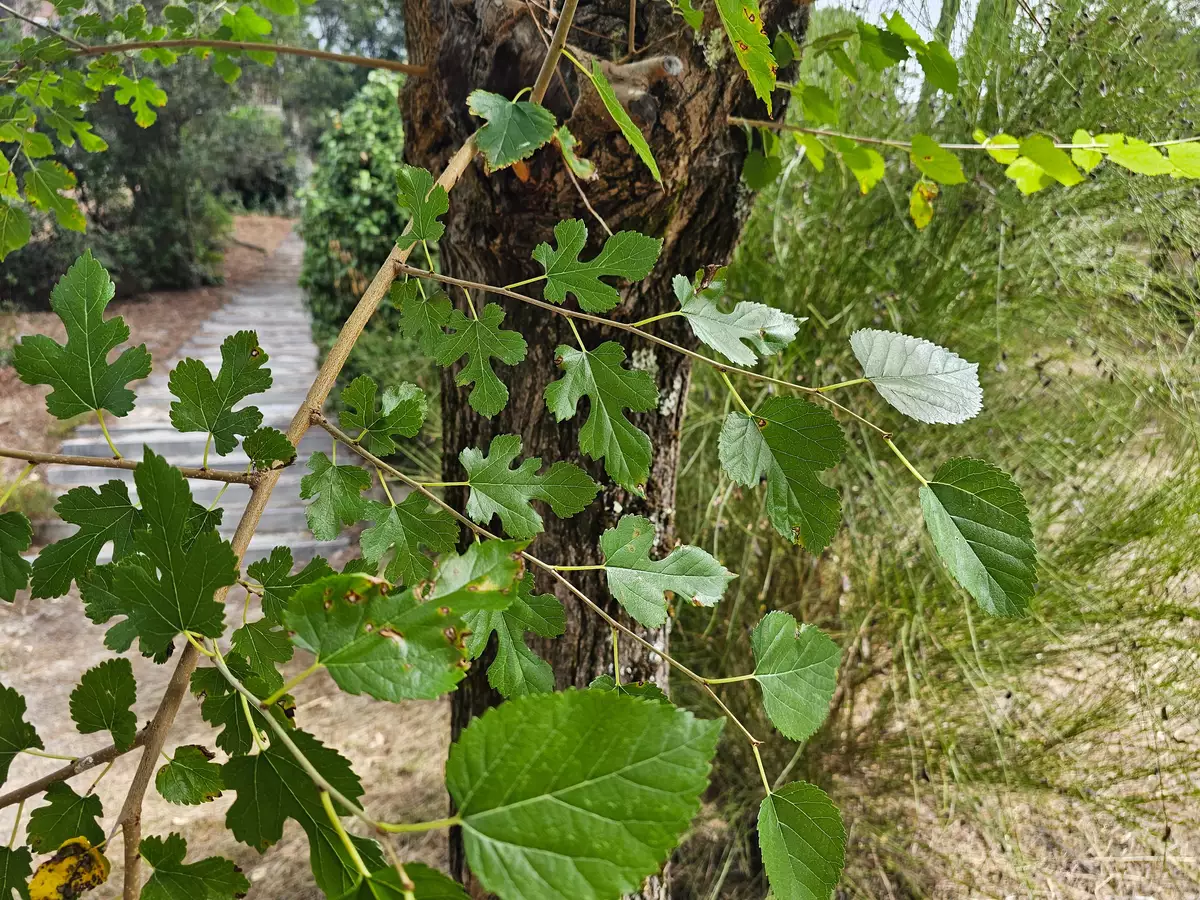
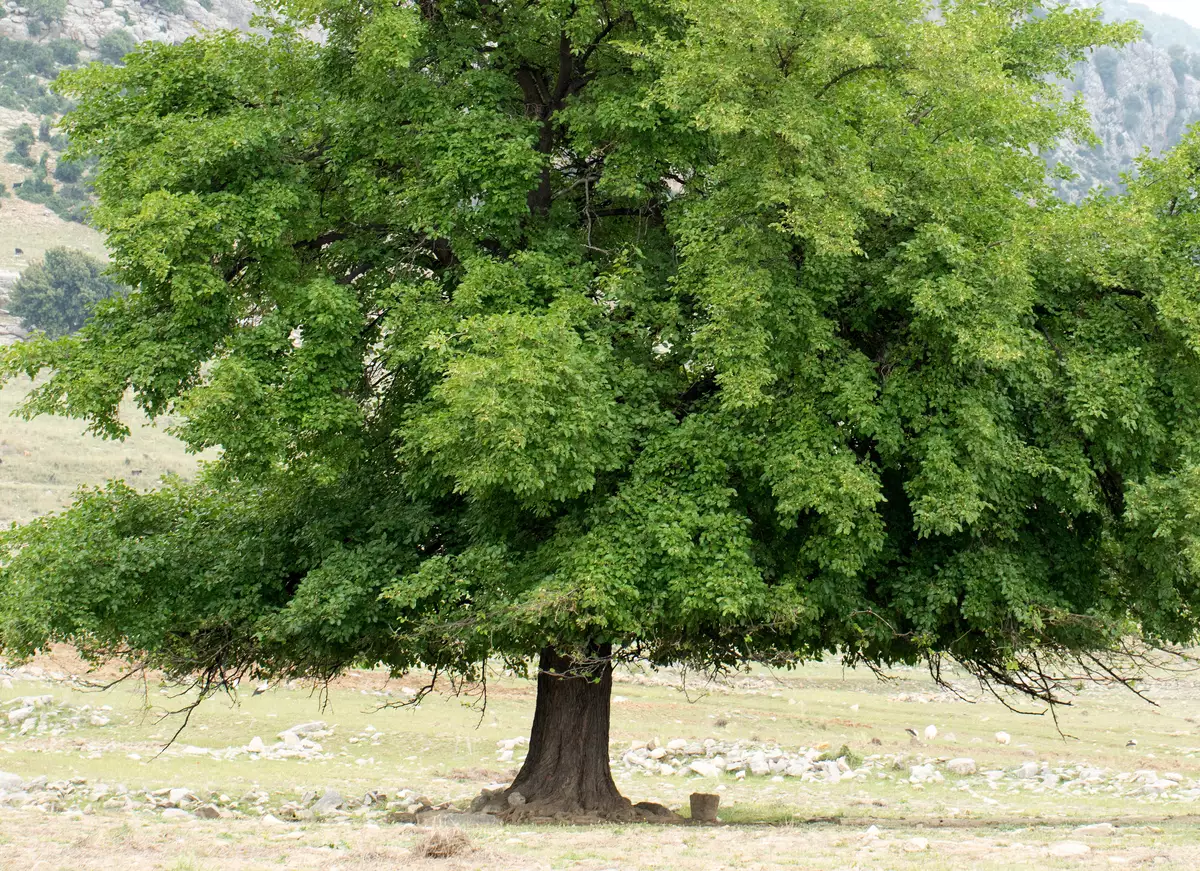
Discover the robust and resilient Morus alba 'Tatarica', commonly known as Tatarian White Mulberry or Russian Mulberry, a perfect choice for those seeking a hardy, fast-growing tree that thrives in a variety of environments. Reaching heights of 15 to 50 feet and often forming a shrubby, broad crown, this deciduous tree is renowned for its extreme cold tolerance, adapting to USDA zones 3 through 9. Originally cultivated in China for silkworm production, this tree is now widely appreciated for its adaptability and low maintenance needs. Its glossy green leaves transform into a captivating pale yellow in fall, adding seasonal interest to any landscape.

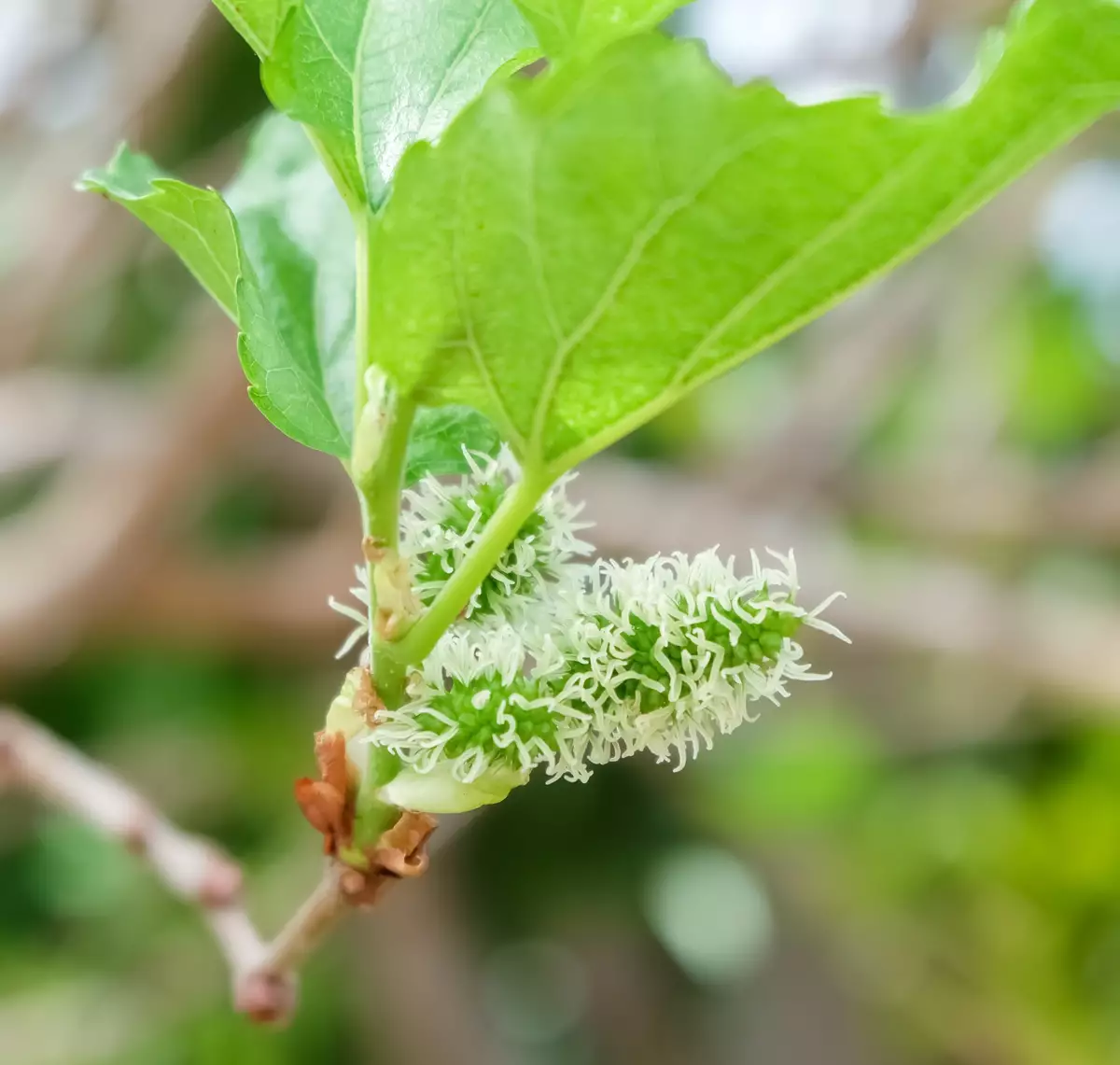
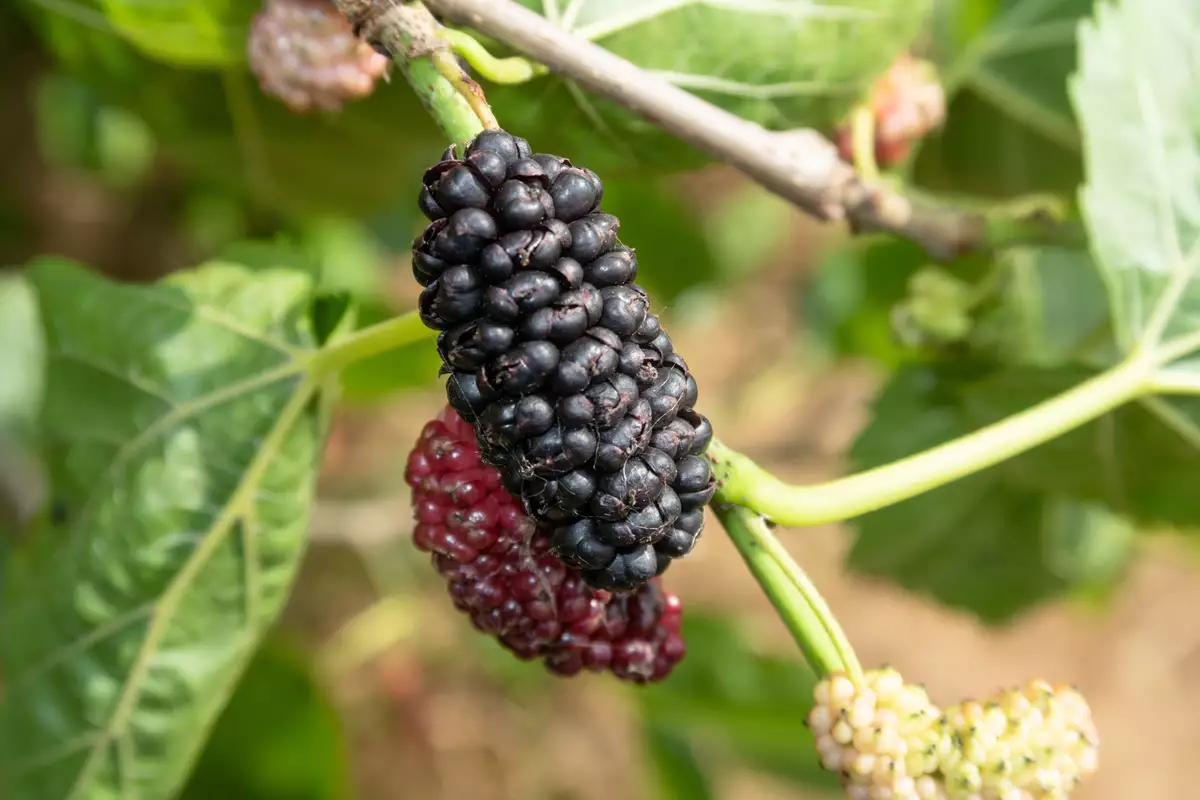
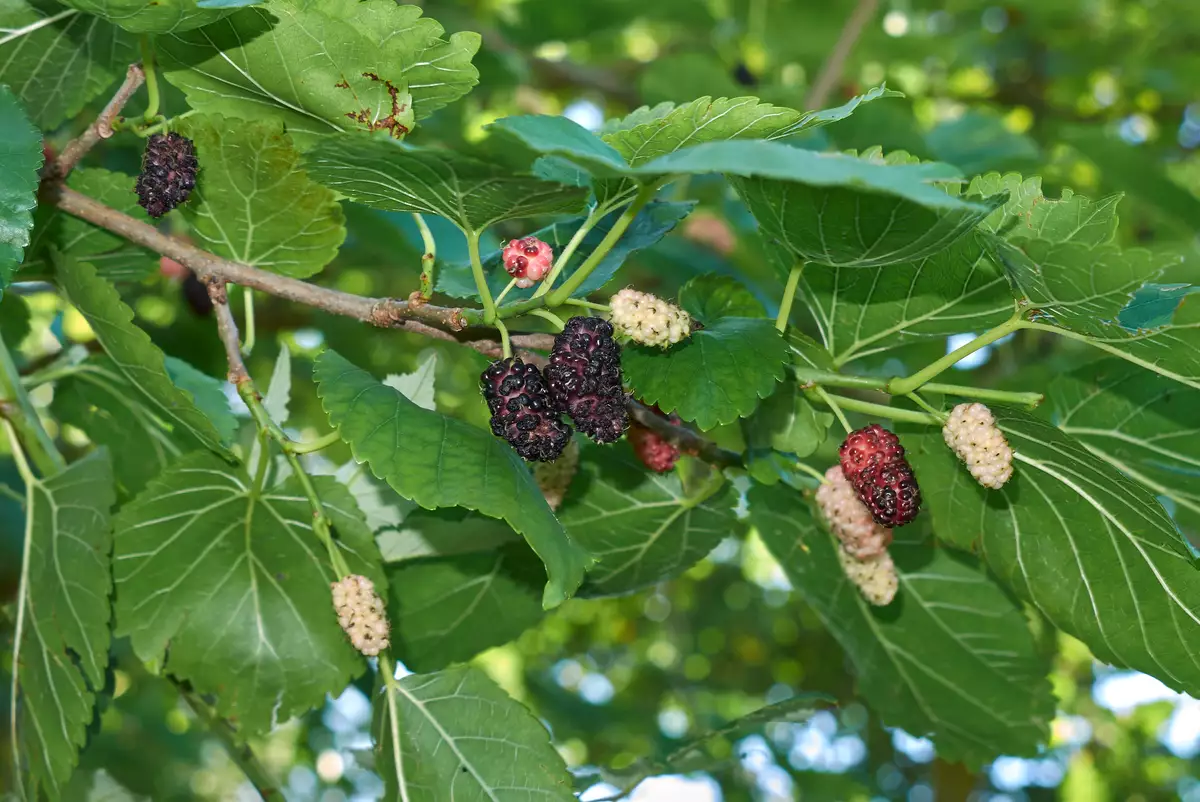
Russian Mulberry produces clusters of sweet, edible berries that transition from white to dark purple as they ripen, making them an attractive feature for both wildlife enthusiasts and culinary uses. Not only do the berries appeal to birds, but the tree itself serves as a robust windbreak and is effective in erosion control. It withstands diverse soil types, urban pollution, and drought, proving its resilience in challenging conditions.

However, awareness of its vigorous nature and potential invasiveness is crucial, as it can hybridize with native species like Morus rubra - Red Mulberry. Whether you are planting for fruit, material for silkworms, or ornamental purposes, ensure regular maintenance by pruning for optimal health and fruit production. Elevate your outdoor space with a sustainable and reliable tree choice that carries both ecological benefits and agricultural potential.

You might also like

Morus alba
Out of Stock

Morus alba

White Mulberry

Morus nigra

Morus nigra

Black Mulberry

Robinia pseudoacacia

Robinia pseudoacacia

Black Locust, False Acacia, Yellow Locust

Sorbus torminalis

Sorbus torminalis

Checkertree, Chequer Tree

(315) 497-1058
269 NY-34 Locke NY 13092
seed@sheffields.com

HOME - logo

Find us on: